
Apr . 01, 2024 17:55 Back to list
poultry medicine list Performance Analysis
Introduction
Poultry medicine lists represent a critical component of modern poultry production, encompassing a wide range of pharmaceutical and biological agents employed to maintain flock health, prevent disease outbreaks, and optimize productivity. These lists are not merely inventories, but rather meticulously curated compendia reflecting advancements in veterinary pharmacology, evolving pathogen resistance patterns, and increasingly stringent regulatory oversight. The technical position of these lists lies at the intersection of animal health, food safety, and public health. Effectively managing and utilizing a comprehensive poultry medicine list requires understanding the pharmacokinetic and pharmacodynamic properties of each agent, recognizing potential drug interactions, adhering to withdrawal periods, and navigating the complexities of antimicrobial stewardship. Core performance indicators include efficacy in disease control, minimization of treatment failures, reduction in antimicrobial resistance, and compliance with relevant regulatory guidelines. This guide provides an in-depth exploration of the materials, manufacturing considerations, performance characteristics, failure modes, and regulatory standards associated with the effective implementation of a poultry medicine list.
Material Science & Manufacturing
The 'materials' composing a poultry medicine list are diverse, extending beyond the active pharmaceutical ingredients (APIs) themselves. Excipients, used to formulate the final dosage form, represent a significant material science component. These include diluents (e.g., lactose, starch), binders (e.g., polyvinylpyrrolidone), disintegrants (e.g., croscarmellose sodium), lubricants (e.g., magnesium stearate), and coatings (e.g., polymers for controlled release). API manufacturing often involves complex organic synthesis, requiring rigorous quality control of raw materials and intermediates. Manufacturing processes vary depending on the dosage form. Powders utilize milling and blending techniques, controlling particle size distribution for optimal bioavailability. Premixes require homogeneous distribution of APIs within a carrier substance, assessed via near-infrared spectroscopy. Injectable formulations necessitate sterile filtration and aseptic filling under controlled environmental conditions to prevent contamination. Oral solutions and suspensions demand precise viscosity control and stability testing to prevent sedimentation or crystallization. Key parameter control includes API purity (assessed via HPLC), moisture content (Karl Fischer titration), particle size (laser diffraction), dissolution rate (USP apparatus), and sterility (bacterial endotoxin testing). Packaging materials (e.g., glass vials, plastic bottles, aluminum foil blisters) are crucial to protect the drug from degradation due to light, oxygen, and moisture. The chemical compatibility between the API and packaging material is a critical consideration, determined via accelerated stability studies.
Performance & Engineering
Performance of a poultry medicine list is evaluated based on several key engineering principles. Pharmacokinetics, describing the absorption, distribution, metabolism, and excretion (ADME) of the drug, is central. Bioavailability, the fraction of administered dose reaching systemic circulation, dictates efficacy. Force analysis applies to injectable formulations, requiring precise needle gauge and injection volume to minimize tissue trauma. Environmental resistance is paramount; formulations must withstand temperature fluctuations during storage and transport, assessed via stability testing under various climatic conditions. Compliance requirements are extensive, governed by veterinary drug regulations (e.g., FDA Center for Veterinary Medicine in the US, EMA in Europe). Functional implementation details include proper dosage calculation (accounting for bird weight and age), administration route (oral, injectable, in-water), and monitoring for adverse reactions. Antimicrobial resistance is a significant concern, necessitating careful selection of antibiotics based on susceptibility testing and implementation of antimicrobial stewardship programs. The Minimum Inhibitory Concentration (MIC) and Minimum Bactericidal Concentration (MBC) are critical parameters guiding antibiotic choice. Withdrawal periods, the time required for drug residues to fall below safe levels in meat and eggs, are strictly enforced to protect consumer health. Engineering controls, such as automated dispensing systems, can improve dosing accuracy and reduce the risk of medication errors.
Technical Specifications
| API Concentration | Dosage Form | Withdrawal Period (Meat) | Withdrawal Period (Eggs) |
|---|---|---|---|
| 50mg/mL | Injectable Solution | 7 Days | 0 Days |
| 100g/kg | Oral Premix | 5 Days | 3 Days |
| 20% w/v | Oral Suspension | 10 Days | 7 Days |
| 10,000 IU/mL | Drinking Water Solution | 3 Days | 0 Days |
| 500mg/g | Medicated Feed Additive | 7 Days | 5 Days |
| 25mg/tablet | Oral Tablets | 5 Days | 3 Days |
Failure Mode & Maintenance
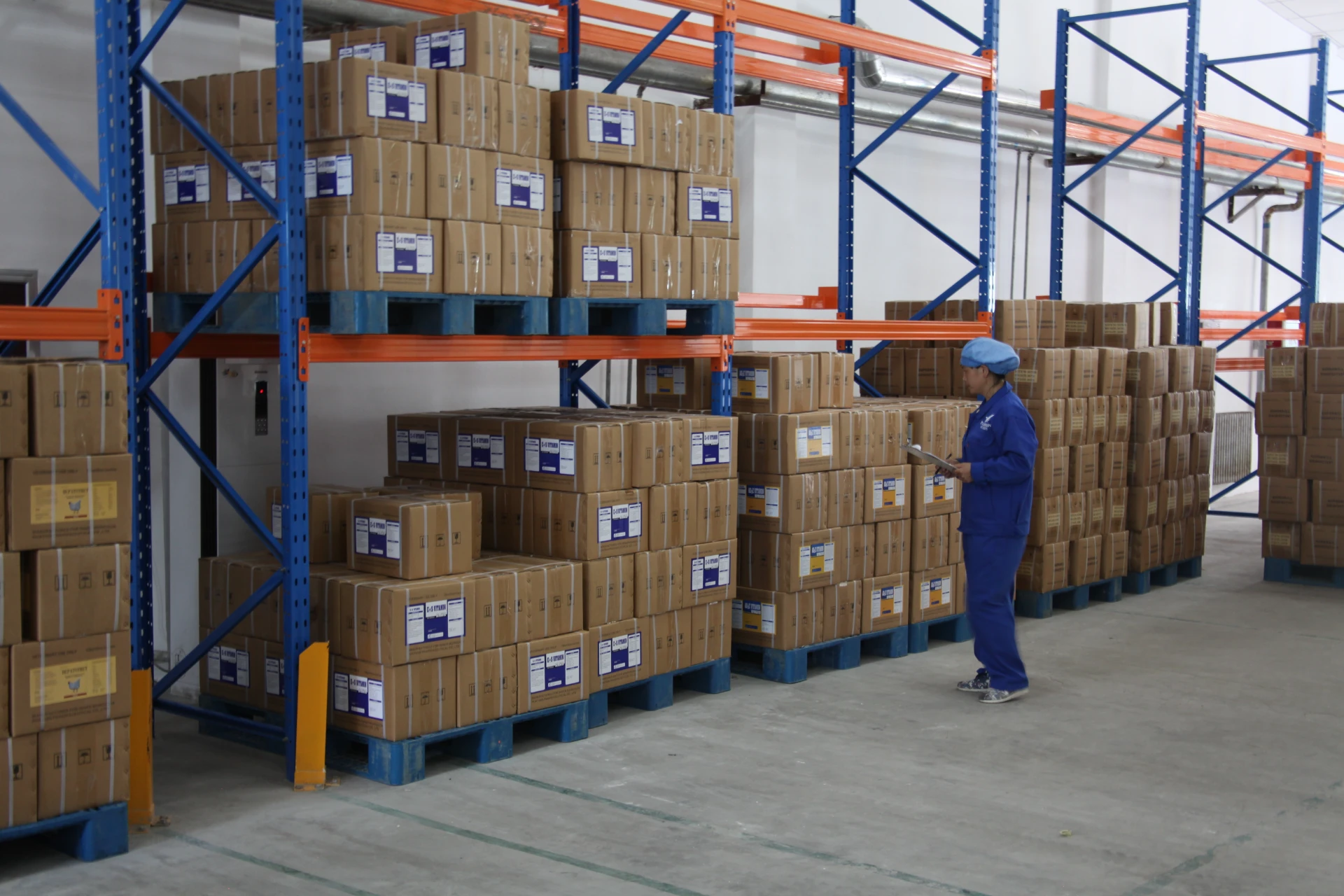
Failure modes in poultry medicine lists can be categorized as product-related or user-related. Product failures include degradation of the API (hydrolysis, oxidation, photolysis), loss of sterility (for injectable formulations), caking or clumping of powders, and precipitation of solutes in liquid formulations. These failures often stem from improper storage conditions (temperature, humidity, light exposure) or incompatibility between components. User-related failures involve incorrect dosage calculation, improper administration technique (e.g., subcutaneous injection instead of intramuscular), failure to adhere to withdrawal periods, and inadequate record-keeping. Maintenance strategies include implementing a robust cold chain management system, ensuring proper storage conditions (temperature and humidity controlled warehouses), conducting regular quality control testing (API potency, sterility, dissolution), and providing comprehensive training to personnel on proper medication handling and administration. Preventive maintenance involves periodic inspection of storage facilities, calibration of dispensing equipment, and review of medication records to identify trends or anomalies. Failure analysis, conducted after an adverse event, should identify the root cause (e.g., contaminated batch, improper storage, human error) and implement corrective actions to prevent recurrence. Tracking and reporting adverse drug events (ADEs) is critical for identifying potential safety concerns and improving the overall effectiveness of the medicine list.
Industry FAQ
Q: What is the best method for determining the appropriate dosage rate for an antibiotic administered via drinking water?
A: Dosage rate determination for water-soluble antibiotics requires accurate assessment of daily water consumption by the flock. This is typically estimated based on bird age, weight, and environmental temperature. A pilot study to measure actual water intake is highly recommended. The target drug concentration in the water must be sufficient to deliver the therapeutic dose, accounting for potential degradation during storage and consumption. Maintaining consistent water quality (pH, mineral content) is essential to prevent precipitation or inactivation of the antibiotic.
Q: How do you validate the sterility of an injectable vaccine or antibiotic solution?
A: Sterility validation involves a comprehensive testing protocol following pharmacopoeial guidelines (USP, EP). This typically includes a sterility test, where samples are incubated in growth media to detect the presence of viable microorganisms. Bacterial endotoxin testing (BET) is also essential to ensure the absence of pyrogenic substances. The manufacturing process must be validated to demonstrate its ability to consistently produce sterile products. This includes validation of sterilization procedures (e.g., autoclaving, filtration), aseptic filling techniques, and environmental monitoring.
Q: What are the key considerations for managing antimicrobial resistance on a poultry farm?
A: Antimicrobial resistance management requires a multifaceted approach. This includes minimizing antibiotic use through preventive measures (biosecurity, vaccination, improved hygiene), implementing diagnostic testing to guide antibiotic selection, using narrow-spectrum antibiotics whenever possible, and rotating antibiotic classes to reduce selection pressure. Regular monitoring of antimicrobial susceptibility patterns is crucial to track resistance trends. Restrict antibiotic access and require veterinary oversight for all antibiotic use.
Q: How should expired or unused medications be disposed of properly?
A: Improper disposal of expired or unused medications can contaminate the environment and contribute to antimicrobial resistance. Medications should never be flushed down the toilet or discarded in general waste. Pharmaceutical manufacturers often offer take-back programs. Otherwise, disposal should be handled by a licensed hazardous waste disposal company, following local regulations. Unused injectable medications should be returned to the supplier if possible.
Q: What documentation is required to maintain a compliant poultry medicine list and demonstrate proper medication use?
A: Comprehensive documentation is essential for regulatory compliance. This includes records of all medications purchased, stored, and administered, including dosage rates, administration dates, and withdrawal periods. Veterinary prescriptions are required for all prescription medications. Detailed records of treatment outcomes and any adverse events should be maintained. Batch records for premixes and medicated feeds are also crucial. Regular audits of medication records should be conducted to ensure accuracy and completeness.
Conclusion
The effective management of a poultry medicine list is fundamentally rooted in a comprehensive understanding of pharmaceutical science, veterinary medicine, and regulatory compliance. Successful implementation necessitates meticulous attention to detail throughout the entire process, from API sourcing and formulation to storage, administration, and disposal. Proactive monitoring of efficacy, adverse events, and antimicrobial resistance patterns is critical for continuous improvement.
Looking ahead, advancements in precision livestock farming and data analytics will likely play an increasingly important role in optimizing medication use and enhancing flock health. The integration of diagnostic tools with automated dispensing systems holds the promise of more targeted and efficient treatment strategies. Continued research into novel therapeutic agents and alternative disease control methods will be essential to address the ongoing challenges posed by emerging pathogens and antimicrobial resistance.
Latest news
Copyright © 2026
Dingzhou Kangquan Pharmaceutical Co., Ltd. All Rights Reserved. Sitemap | Privacy
Policy


