
Apr . 01, 2024 17:55 Back to list
poultry medicine manufacturers Formulation Analysis

Introduction
Poultry medicine manufacturing encompasses the production of pharmaceutical interventions – including vaccines, antibiotics, coccidiostats, and nutritional supplements – specifically formulated for avian species. This industry occupies a critical position within the broader agricultural supply chain, directly influencing poultry health, productivity, and food safety. The sector is characterized by stringent regulatory oversight, demanding precision in formulation, sterility assurance, and quality control. Core performance metrics center on efficacy against prevalent poultry diseases, bioavailability of active pharmaceutical ingredients (APIs), and stability of finished products throughout their shelf life. A primary challenge is the escalating threat of antimicrobial resistance, driving demand for novel therapies and preventative strategies. The industry operates within a complex network of raw material sourcing, API synthesis, formulation development, fill-finish operations, and distribution logistics, with a growing emphasis on traceability and sustainable manufacturing practices. The economic impact is significant, given poultry’s role as a primary protein source globally.
Material Science & Manufacturing
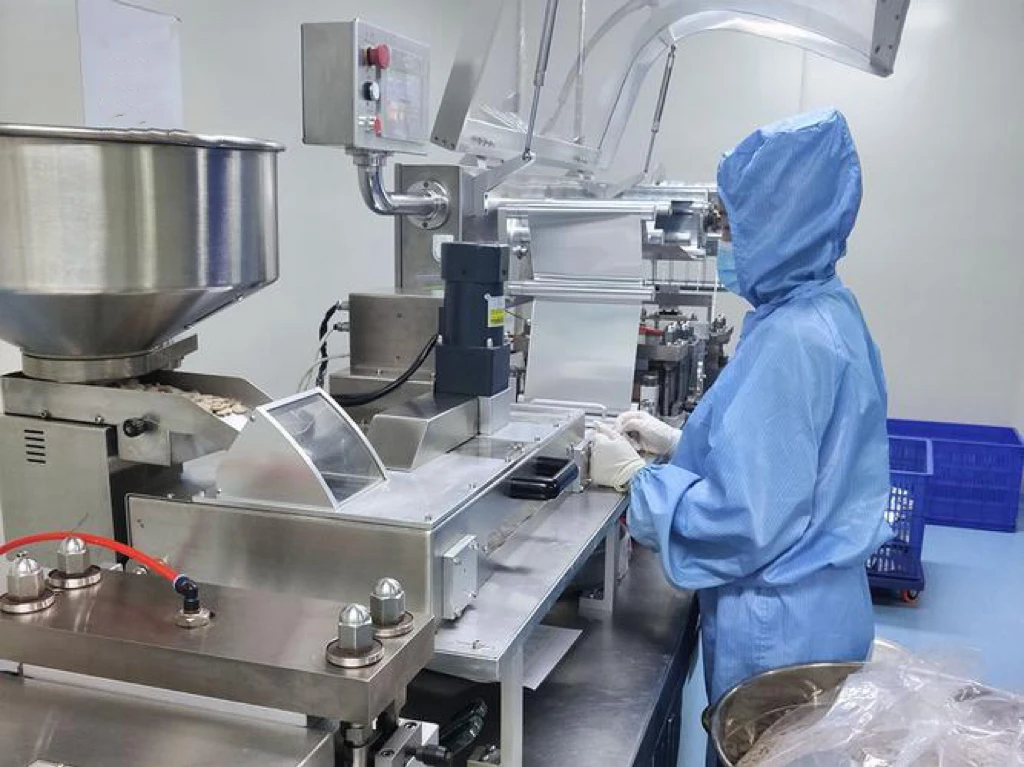
The manufacturing of poultry medicines relies heavily on a range of materials, each with specific properties influencing product quality and performance. APIs, often synthesized through complex organic chemistry, dictate therapeutic efficacy. Excipients, such as diluents (lactose, starch), binders (polyvinylpyrrolidone), disintegrants (croscarmellose sodium), and lubricants (magnesium stearate), are critical for formulation stability, dissolution rate, and tablet compression. Packaging materials, including high-density polyethylene (HDPE) for liquids, aluminum foil laminates for powders, and polypropylene (PP) for vials, must provide barrier protection against moisture, oxygen, and light. Sterile filtration membranes, commonly composed of polysulfone or cellulose acetate, are essential for maintaining product sterility. Manufacturing processes vary based on dosage form. Liquid formulations involve dissolution, mixing, and sterile filtration. Solid dosage forms require granulation, blending, compression, and coating. Freeze-drying (lyophilization) is used for unstable APIs, demanding precise control of temperature and pressure. Vaccine production utilizes cell culture or embryonated egg techniques, followed by inactivation or attenuation, purification, and formulation. Key parameters requiring rigorous control include pH, viscosity, particle size distribution, and moisture content. Material compatibility studies are crucial to prevent degradation or interaction between APIs and excipients. Process Analytical Technology (PAT) is increasingly employed for real-time monitoring and control of critical process parameters.
Performance & Engineering
The performance of poultry medicines is assessed through rigorous testing protocols evaluating efficacy, safety, and stability. Efficacy studies involve controlled trials comparing treated and untreated birds, measuring disease incidence, lesion severity, and mortality rates. Pharmacokinetic (PK) studies determine absorption, distribution, metabolism, and excretion (ADME) of the API in avian species, informing dosage regimens. Bioavailability assessments determine the fraction of administered drug reaching systemic circulation. Stability testing, conducted under accelerated and real-time conditions, evaluates product degradation over time, identifying optimal storage conditions. Engineering considerations include dosage form design for ease of administration (e.g., water-soluble powders, injectable solutions). Sterilization processes – autoclaving, filtration, gamma irradiation – must achieve a Sterility Assurance Level (SAL) of 10-6. Containment strategies are critical to prevent cross-contamination during manufacturing. The performance of packaging materials is evaluated through barrier property testing (oxygen transmission rate, water vapor transmission rate) and integrity testing. Compliance with Good Manufacturing Practices (GMP) is paramount, requiring validated processes, documented procedures, and robust quality control systems. Environmental resistance testing assesses product stability under varying temperature, humidity, and light exposure conditions. Force analysis relates to the tensile strength of packaging materials to ensure they withstand handling and transportation stresses.
Technical Specifications
| API Purity (%) | Moisture Content (Weight %) | Dissolution Rate (at 30 min) | Sterility Assurance Level (SAL) |
|---|---|---|---|
| ≥ 98.0 | ≤ 5.0 | ≥ 80.0 | 10-6 |
| ≥ 99.5 | ≤ 2.0 | ≥ 90.0 | 10-6 |
| ≥ 97.0 | ≤ 7.0 | ≥ 70.0 | 10-6 |
| ≥ 99.0 | ≤ 3.0 | ≥ 85.0 | 10-6 |
| ≥ 96.0 | ≤ 6.0 | ≥ 65.0 | 10-6 |
| ≥ 98.5 | ≤ 4.0 | ≥ 75.0 | 10-6 |
Failure Mode & Maintenance
Failure modes in poultry medicine manufacturing can stem from various sources. API degradation due to improper storage conditions (temperature, humidity, light) can reduce efficacy. Container closure integrity failures can lead to contamination or loss of sterility. Formulation instability can cause precipitation, phase separation, or changes in viscosity. Equipment malfunction (e.g., malfunctioning filters, sterilizers) can compromise product quality. Human error during manufacturing processes (e.g., incorrect weighing, mixing) can result in formulation errors. Microbial contamination during aseptic processing is a critical failure mode. Failure analysis often involves root cause investigation using techniques like chromatography, spectroscopy, and microscopy. Preventative maintenance programs are essential, including regular calibration of equipment, validation of sterilization cycles, and environmental monitoring. Robust change control procedures are crucial to prevent unintended consequences from process modifications. Staff training on GMP and standard operating procedures (SOPs) is paramount. Corrective and Preventative Action (CAPA) systems should be implemented to address identified failures and prevent recurrence. Periodic audits by regulatory agencies are essential to ensure compliance and identify areas for improvement. Degradation pathways for common APIs, such as oxidation or hydrolysis, need to be thoroughly understood and mitigated through appropriate formulation strategies and packaging.
Industry FAQ
Q: What are the critical considerations for selecting an excipient for a poultry vaccine formulation?
A: Excipient selection must prioritize compatibility with the vaccine antigen, ensuring it doesn’t induce aggregation or loss of immunogenicity. Low endotoxin levels are critical to avoid adverse reactions in poultry. The excipient must also contribute to vaccine stability during storage and transport, and not interfere with the intended route of administration (e.g., intramuscular injection, spray). Consideration of the excipient’s impact on freeze-drying (lyophilization) parameters is crucial if that processing method is employed.
Q: How is sterility assurance validated in a liquid injectable poultry medicine manufacturing facility?
A: Sterility assurance is validated through a comprehensive program including media fill testing, bioburden monitoring, and sterilization cycle validation. Media fill testing simulates the aseptic process using a sterile growth medium, demonstrating the effectiveness of aseptic techniques. Bioburden monitoring quantifies microbial contamination on surfaces and in-process materials. Sterilization cycle validation confirms that the sterilization process consistently achieves the required SAL of 10-6. Regular environmental monitoring of air and surfaces is also essential.
Q: What are the primary challenges associated with maintaining API stability during long-term storage of poultry antibiotics?
A: Many poultry antibiotics are susceptible to degradation via hydrolysis, oxidation, or photolysis. Maintaining a controlled temperature (typically refrigerated or frozen) and protecting the API from light and moisture are crucial. Packaging materials with excellent barrier properties are essential. Adding stabilizers (e.g., antioxidants, pH buffers) to the formulation can further enhance stability. Regular stability testing is necessary to monitor API degradation over time.
Q: What role does Process Analytical Technology (PAT) play in improving manufacturing efficiency and product quality?
A: PAT utilizes real-time monitoring and control of critical process parameters (CPPs) to optimize manufacturing processes. Techniques like near-infrared spectroscopy (NIR) and Raman spectroscopy can monitor API concentration, particle size distribution, and moisture content during blending and granulation. This allows for immediate adjustments to process parameters, ensuring consistent product quality and reducing waste. PAT contributes to a deeper understanding of process variability and enables the implementation of robust control strategies.
Q: What are the key regulatory requirements for exporting poultry medicines to different international markets?
A: Regulatory requirements vary significantly by country. Generally, manufacturers must obtain marketing authorization from the relevant regulatory agency in each target market. This typically involves submitting detailed information on the API, formulation, manufacturing process, and clinical trial data. Compliance with GMP standards is essential. Specific requirements regarding labeling, packaging, and documentation must also be met. Detailed knowledge of each country’s import regulations and veterinary drug directives is crucial.
Conclusion
The poultry medicine manufacturing sector operates within a highly regulated and technically demanding landscape. Achieving consistent product quality, efficacy, and sterility requires a deep understanding of material science, manufacturing processes, and quality control principles. Addressing the challenges of antimicrobial resistance and maintaining API stability throughout the product lifecycle are critical priorities. Adherence to Good Manufacturing Practices (GMP) and rigorous validation protocols are non-negotiable.
Future trends will likely focus on the development of novel therapeutic strategies, including immunomodulators and phage therapy, alongside advancements in precision formulation and targeted drug delivery systems. The implementation of advanced analytical techniques and Process Analytical Technology (PAT) will further enhance manufacturing efficiency and product quality. Sustainable manufacturing practices and the development of environmentally friendly packaging materials will also gain increasing importance. Collaboration between manufacturers, researchers, and regulatory agencies is essential to address the evolving challenges and opportunities within this vital industry.
Latest news
Copyright © 2026
Dingzhou Kangquan Pharmaceutical Co., Ltd. All Rights Reserved. Sitemap | Privacy
Policy


