
Apr . 01, 2024 17:55 Back to list
Poultry Medicine Manufacturing Specifications
Introduction
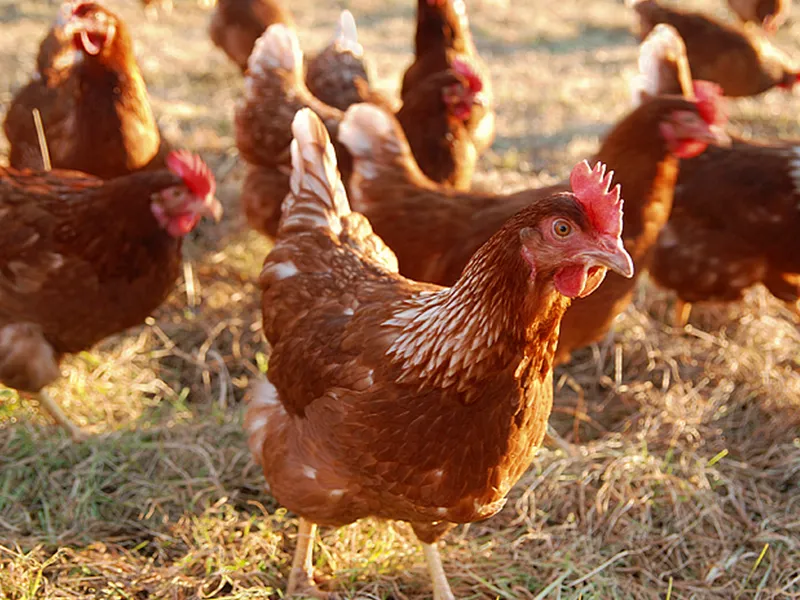
Poultry medicine encompasses the prevention, diagnosis, and treatment of diseases in domesticated birds, primarily chickens, turkeys, ducks, and geese. Technically positioned within the broader veterinary medical field, poultry medicine operates as a specialized discipline critically influencing global food security and economic stability. Its position in the industry chain extends from biosecurity protocols implemented on breeding farms to the monitoring of drug residues in processed poultry products. Core performance metrics center around flock health, growth rates, feed conversion ratios, egg production efficiency, and the minimization of zoonotic disease transmission. The increasing prevalence of antimicrobial resistance (AMR) and the growing demand for sustainable poultry production represent key challenges driving innovation within the field. Understanding the unique physiological characteristics of avian species, coupled with a comprehensive understanding of infectious disease dynamics, are paramount to effective poultry health management. The industry is heavily regulated, demanding precise diagnostic capabilities and the judicious use of therapeutic interventions.
Material Science & Manufacturing
The manufacturing of poultry medicines, primarily pharmaceuticals, vaccines, and feed additives, relies heavily on material science and stringent production controls. Active Pharmaceutical Ingredients (APIs) are often synthesized through complex organic chemistry, demanding high purity and consistent crystalline structure – typically analyzed via X-ray diffraction and HPLC. Excipients, such as binders, diluents, and stabilizers (e.g., lactose, cellulose, magnesium stearate), require controlled particle size distribution and moisture content to ensure proper drug dissolution and bioavailability. Vaccine production employs diverse methodologies, including live attenuated viruses, inactivated viruses, and subunit vaccines. Live vaccines necessitate precise viral strain propagation in embryonated eggs, demanding sterile environments and rigorous quality control of the allantoic fluid. Inactivated vaccines require precise formalin or beta-propiolactone inactivation procedures, followed by aluminum hydroxide adjuvant incorporation to enhance immunogenicity. Feed additives, including vitamins, minerals, and amino acids, are often microencapsulated to protect them from degradation during feed processing and enhance their absorption in the gut. Microencapsulation frequently utilizes polymers like starch, gelatin, or lipids. Manufacturing processes involve milling, blending, granulation, tableting, encapsulation, and sterile filling, each requiring validation and adherence to Good Manufacturing Practices (GMP). Parameter control includes temperature, humidity, mixing speeds, and compression forces. Chemical compatibility of packaging materials (e.g., HDPE, PVC, glass) with the drug formulation is critical to prevent leaching and maintain product stability.

Performance & Engineering
The performance of poultry medicines is intricately linked to pharmacokinetics (PK) and pharmacodynamics (PD). PK describes the drug’s absorption, distribution, metabolism, and excretion (ADME) within the avian body, which differs significantly from mammalian physiology due to variations in gastrointestinal tract pH, liver enzyme activity, and renal function. PD assesses the drug’s effect on the target pathogen or physiological process. Force analysis is crucial in designing effective delivery systems, such as spray applications for vaccines or pressure-mediated injections. Environmental resistance is a critical consideration; formulations must withstand temperature fluctuations during storage and transport, as well as UV degradation. Compliance requirements are stringent, dictated by regulatory agencies like the FDA and EMA. These agencies mandate extensive clinical trials to demonstrate efficacy and safety. Engineering aspects encompass the design of delivery devices (e.g., autoinjectors, sprayers), packaging materials ensuring drug stability, and automated manufacturing systems optimizing production efficiency. Considerations regarding droplet size in spray vaccines impact respiratory deposition and immune response. Understanding the biophysical properties of avian tissues and the mechanisms of drug transport across biological barriers is fundamental to optimizing therapeutic outcomes. Bioavailability, measured as the fraction of the administered dose reaching systemic circulation, is a key performance indicator.
Technical Specifications
| Parameter | Unit | Typical Range (Antibiotics) | Typical Range (Vaccines) |
|---|---|---|---|
| Potency | μg/mg | >90% | >106 EID50/dose |
| Purity (API) | % | >98% | N/A |
| Moisture Content | % | < 2% | <5% |
| Particle Size (Microencapsulated Additive) | μm | 5-20 | N/A |
| pH (Liquid Formulation) | - | 6.0-8.0 | 7.0-7.4 |
| Sterility (Vaccines) | CFU/mL | < 1 | <1 |
Failure Mode & Maintenance
Failure modes in poultry medicines are diverse and can compromise efficacy and safety. Antibiotic resistance development is a critical failure mode, driven by sub-therapeutic dosages and widespread use. Vaccine failures can arise from improper storage (temperature excursions leading to antigen denaturation), inadequate administration techniques (incomplete vaccination coverage), or viral interference (pre-existing maternal antibodies neutralizing the vaccine). Degradation of APIs due to hydrolysis, oxidation, or photolysis is a common failure mode, necessitating stable formulations and protective packaging. Delamination of microencapsulation coatings can lead to premature release of additives, reducing their bioavailability. Contamination with bacterial or fungal pathogens during manufacturing or storage presents a significant safety risk. Oxidation of lipids in feed additives can reduce their nutritional value. Maintenance strategies include strict adherence to GMP, regular quality control testing, validated sterilization procedures, temperature monitoring throughout the supply chain, and implementing antimicrobial stewardship programs. Preventative maintenance of manufacturing equipment (e.g., autoclaves, fillers) is essential. Periodic stability studies are crucial to determine shelf life and identify potential degradation products. Proper training of personnel in vaccine administration techniques is vital. Failure analysis employing techniques like HPLC, GC-MS, and microbial assays helps identify root causes and implement corrective actions.
Industry FAQ
Q: What are the key challenges in formulating antibiotics for poultry, considering their unique digestive physiology?
A: Poultry have a comparatively shorter and simpler digestive tract than mammals, with a faster transit time and different microbial populations. This necessitates formulations that ensure rapid absorption and stability in the upper gastrointestinal tract. Achieving adequate bioavailability can be challenging due to the rapid degradation of some antibiotics in the gut. Furthermore, the high pH of the proventriculus can impact the stability of acid-labile drugs. Encapsulation techniques and the use of salt forms with improved solubility are often employed to mitigate these challenges.
Q: How do you ensure the potency of live vaccines throughout the cold chain?
A: Maintaining the cold chain is paramount for live vaccine efficacy. Vaccines are typically transported and stored at 2-8°C. Continuous temperature monitoring using data loggers is essential to identify any temperature excursions. Packaging utilizes insulated containers with ice packs or dry ice to maintain the required temperature range. Upon arrival, vaccines are immediately refrigerated. Furthermore, regular potency testing is conducted to verify that the vaccine remains within acceptable specifications.
Q: What is the role of adjuvants in poultry vaccines, and what types are commonly used?
A: Adjuvants enhance the immune response to vaccines, particularly subunit and inactivated vaccines. They work by stimulating the innate immune system, leading to increased antigen presentation and antibody production. Commonly used adjuvants in poultry vaccines include aluminum hydroxide, oil-in-water emulsions, and saponins. The choice of adjuvant depends on the type of antigen and the desired immune response profile.
Q: How are drug residues monitored in poultry products, and what are the acceptable limits?
A: Drug residues are monitored through laboratory analysis of poultry tissues (muscle, liver, kidney) and eggs. Techniques like liquid chromatography-mass spectrometry (LC-MS) and gas chromatography-mass spectrometry (GC-MS) are employed to detect and quantify drug residues. Maximum Residue Limits (MRLs) are established by regulatory agencies to ensure consumer safety. Exceeding MRLs can result in product rejection and potential trade sanctions.
Q: What measures are taken to prevent contamination during the manufacturing of poultry medicines?
A: Preventing contamination requires a multi-faceted approach. GMP guidelines are strictly followed, including sterile manufacturing environments, HEPA filtration of air, regular disinfection of surfaces, and the use of sterile equipment and consumables. Personnel undergo rigorous training in aseptic techniques. Raw materials are sourced from qualified suppliers and subjected to quality control testing. In-process controls and final product testing ensure that products meet specified purity and sterility standards.
Conclusion
Poultry medicine is a complex field requiring a deep understanding of avian physiology, infectious disease dynamics, and pharmaceutical sciences. The effective development and delivery of poultry medicines are critical for maintaining flock health, ensuring food security, and mitigating the risks associated with zoonotic diseases. Continuous innovation in formulation technologies, vaccine development, and diagnostic tools is essential to address emerging challenges such as antimicrobial resistance and evolving viral strains.
Future advancements will likely focus on precision medicine approaches, utilizing genomic and immunological data to tailor treatment strategies to individual birds or flocks. The development of novel delivery systems, such as nanoparticle-based drug delivery, holds promise for enhancing drug bioavailability and reducing dosage requirements. Increased emphasis on preventative medicine, including improved biosecurity protocols and early disease detection, will be crucial for minimizing the need for therapeutic interventions and promoting sustainable poultry production.
Latest news
Copyright © 2026
Dingzhou Kangquan Pharmaceutical Co., Ltd. All Rights Reserved. Sitemap | Privacy
Policy


