
Apr . 01, 2024 17:55 Back to list
Poultry Meds Performance Analysis
Introduction
Poultry medications, encompassing a broad spectrum of therapeutic agents, are integral to modern poultry production. Their primary function is to prevent, control, and treat diseases impacting poultry health, impacting feed conversion ratios, growth rates, and overall flock productivity. Technically, these medications fall into several categories including antibiotics, coccidiostats, anthelmintics, vitamins, and mineral supplements. Within the industry chain, poultry meds represent a critical node between pharmaceutical manufacturers, feed producers, veterinary practitioners, and ultimately, poultry integrators and farmers. Core performance metrics are defined by bioavailability (the proportion of the drug that reaches systemic circulation), efficacy against target pathogens, withdrawal times (ensuring residue-free meat and eggs), and formulation stability during storage and application. The increasing prevalence of antimicrobial resistance necessitates a constant evaluation and refinement of medication strategies, emphasizing preventative measures and judicious use of therapeutic agents. A key industry pain point revolves around accurately diagnosing disease, selecting the appropriate medication, and mitigating the risk of residue contamination, which can lead to trade barriers and public health concerns.
Material Science & Manufacturing
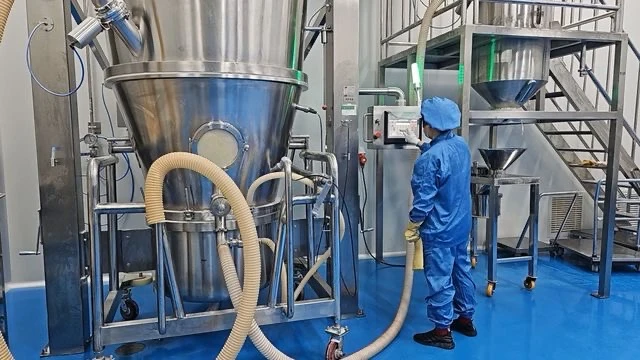
The material science behind poultry medications is highly diverse, reflecting the variety of active pharmaceutical ingredients (APIs) and delivery systems employed. APIs themselves are synthesized through complex organic chemistry, demanding stringent purity controls and characterization using techniques like high-performance liquid chromatography (HPLC) and mass spectrometry (MS). Excipients, the inactive ingredients, play a crucial role in formulation. Common excipients include diluents (lactose, starch), binders (polyvinylpyrrolidone, gelatin), disintegrants (croscarmellose sodium), lubricants (magnesium stearate), and coatings (hydroxypropyl methylcellulose). The selection of excipients is governed by chemical compatibility with the API, impact on bioavailability, and manufacturing process requirements. Manufacturing processes vary depending on the dosage form. Powdered medications are produced via milling, blending, and granulation. Premixes require precise weighing and mixing of API with carrier substances. Liquid formulations involve dissolving or suspending the API in a suitable solvent, often with added stabilizers and preservatives. Granulation processes (wet, dry, fluid-bed) are critical for achieving uniform particle size distribution, enhancing flowability, and improving tablet compressibility. Key parameter control during manufacturing includes maintaining temperature and humidity within specified ranges, ensuring homogeneity of blends, and verifying API content through rigorous quality control testing. Chemical compatibility studies are performed to prevent degradation or interaction between the API and excipients during storage.
Performance & Engineering
Performance evaluation of poultry meds necessitates a comprehensive understanding of pharmacokinetic (PK) and pharmacodynamic (PD) principles. PK describes the absorption, distribution, metabolism, and excretion (ADME) of the drug within the bird, influenced by factors such as route of administration (oral, injectable, in-water), gut microbiota, and hepatic function. PD relates drug concentration to its biological effect – the inhibition of pathogen growth or modulation of immune response. Force analysis is crucial in assessing the structural integrity of packaging materials, ensuring they withstand handling and transportation without compromising medication sterility. Environmental resistance testing evaluates the stability of medications under varying temperature, humidity, and light conditions. Compliance requirements are dictated by veterinary drug regulations, necessitating thorough documentation of manufacturing processes, quality control data, and residue depletion studies. Functional implementation involves optimizing dosage regimens to achieve therapeutic concentrations at the target site while minimizing systemic exposure. Formulation engineering focuses on enhancing drug delivery, such as utilizing microencapsulation to protect the API from degradation in the harsh gastrointestinal environment or developing sustained-release formulations to prolong therapeutic effect. The Minimum Inhibitory Concentration (MIC) is a core engineering consideration, dictating the concentration needed to inhibit bacterial growth in vitro, guiding dosage selection.
Technical Specifications
| API Concentration | Dosage Form | Withdrawal Period (Meat) | Withdrawal Period (Eggs) |
|---|---|---|---|
| Amoxicillin 22.3% | Premix | 7 days | 0 days |
| Tylosin 40% | Soluble Powder | 7 days | 5 days |
| Sulfamethoxazole 25% + Trimethoprim 5% | Water-Soluble Powder | 9 days | 7 days |
| Diclazuril 10% | Premix | 5 days | 0 days |
| Enramycin 4% | Feed Additive | 3 days | 0 days |
| Lincomycin 10% + Spectinomycin 50% | Soluble Powder | 7 days | 0 days |
Failure Mode & Maintenance
Failure modes in poultry medication can be broadly categorized as loss of potency, physical instability, and administration errors. Loss of potency can occur due to degradation of the API, often accelerated by exposure to heat, light, or moisture. Hydrolysis, oxidation, and photolysis are common degradation pathways. Physical instability manifests as sedimentation, caking, or phase separation in liquid formulations, impacting dose accuracy. Administration errors, stemming from inaccurate weighing or mixing, can lead to underdosing or overdosing. Fatigue cracking in packaging materials can compromise sterility, allowing microbial contamination. Delamination of coatings on tablets can affect drug release profiles. Oxidation of excipients can generate toxic byproducts. Maintenance strategies involve strict adherence to storage recommendations (temperature, humidity control), regular monitoring of API content through stability testing, and implementation of robust quality control procedures. Proper handling and mixing protocols are essential to minimize administration errors. Packaging materials should be selected for their barrier properties and mechanical strength. Preventative maintenance of mixing and granulation equipment is crucial to ensure consistent product quality. Regularly auditing adherence to standard operating procedures (SOPs) and providing ongoing training to personnel are vital components of a comprehensive maintenance program.
Industry FAQ
Q: What is the significance of bioavailability in poultry medication?
A: Bioavailability dictates the proportion of the administered drug that reaches systemic circulation and is available to exert its therapeutic effect. Lower bioavailability necessitates higher dosages, increasing the risk of adverse effects and residue accumulation. Factors impacting bioavailability include the drug's solubility, permeability, first-pass metabolism in the liver, and the presence of food in the gastrointestinal tract.
Q: How does antimicrobial resistance impact the selection of poultry medications?
A: Antimicrobial resistance is a growing concern, rendering previously effective medications less potent. It necessitates a shift towards responsible antibiotic use, prioritizing preventative measures (biosecurity, vaccination), and employing alternative therapies when feasible. Regular antimicrobial susceptibility testing is crucial for guiding medication selection and monitoring resistance patterns.
Q: What are the key considerations when selecting an excipient for a poultry medication formulation?
A: Excipients must be chemically compatible with the API, not interfere with drug absorption, and be non-toxic to poultry. Their physical properties (particle size, flowability) should facilitate manufacturing processes. Regulatory guidelines also dictate acceptable excipients and their permissible levels.
Q: How are withdrawal periods determined for poultry medications?
A: Withdrawal periods are established based on residue depletion studies, which track the decline of drug residues in tissues (muscle, liver) and eggs following medication cessation. They are designed to ensure that meat and eggs are safe for human consumption, adhering to established Maximum Residue Limits (MRLs).
Q: What role does formulation play in enhancing the stability of poultry medications?
A: Formulation plays a critical role in protecting the API from degradation. Microencapsulation, coating, and the addition of stabilizers (antioxidants, preservatives) can enhance stability during storage and handling. Careful selection of packaging materials with appropriate barrier properties is also essential.
Conclusion
Poultry medication is a complex field interwoven with pharmaceutical science, veterinary medicine, and agricultural engineering. Effective disease control and sustainable poultry production rely on a deep understanding of API properties, formulation science, pharmacokinetic principles, and regulatory compliance. Continual advancements in drug delivery systems, diagnostic tools, and antimicrobial stewardship strategies are paramount to address the evolving challenges of poultry health management.
The industry's future necessitates a proactive approach to antimicrobial resistance, embracing preventative measures and exploring alternative therapies. Robust quality control procedures, coupled with continuous monitoring of medication efficacy and residue levels, are essential for ensuring both poultry health and food safety. Collaboration between pharmaceutical companies, veterinary practitioners, and poultry producers will be crucial for optimizing medication use and safeguarding the long-term sustainability of the poultry industry.
Latest news
Copyright © 2026
Dingzhou Kangquan Pharmaceutical Co., Ltd. All Rights Reserved. Sitemap | Privacy
Policy


