
Apr . 01, 2024 17:55 Back to list
Poultry Respiratory Medicine Performance Analysis

Introduction
Poultry respiratory medicine encompasses the preventative and therapeutic strategies employed to maintain respiratory health in domestic fowl, primarily chickens, turkeys, ducks, and geese. Within the broader context of avian veterinary science, respiratory diseases represent a significant economic burden for poultry producers globally, stemming from morbidity, mortality, reduced weight gain, and increased medication costs. The technical position within the industry chain involves diagnostics (pathogen identification and disease assessment), pharmaceutical interventions (antibiotics, antivirals, anti-inflammatory agents, vaccines), biosecurity protocols, and environmental management. Core performance indicators center on minimizing clinical signs (coughing, sneezing, nasal discharge, dyspnea), reducing pathogen shedding, and maintaining optimal pulmonary function. The increasing prevalence of antimicrobial resistance necessitates a shift towards preventative medicine and novel therapeutic approaches.
Material Science & Manufacturing
The manufacturing of poultry respiratory medications, particularly those delivered via aerosolization or drinking water, demands stringent material compatibility and particle engineering. Active Pharmaceutical Ingredients (APIs) vary significantly, including antibiotics like tylosin and doxycycline, antiviral compounds, and immunostimulants. Carrier materials for aerosolized formulations often include lactose monohydrate, with particle size distribution critically controlled (typically 1-5 μm) to ensure optimal deposition within the avian respiratory tract. Manufacturing processes for liquid formulations involve precise mixing of APIs, stabilizers (e.g., antioxidants, preservatives), and solvents (often water-based). Drinking water medications require solubility and stability considerations. Material science aspects extend to packaging; high-density polyethylene (HDPE) is commonly used for liquid formulations due to its chemical inertness and barrier properties. Quality control involves rigorous testing for API potency, particle size, viscosity, pH, and sterility. Raw material sourcing must adhere to Good Manufacturing Practices (GMP) standards. The physical properties of excipients, such as hygroscopicity and flowability, directly impact manufacturing efficiency and product stability. Formulation scientists must consider the chemical compatibility of APIs with excipients to prevent degradation and maintain efficacy.
Performance & Engineering
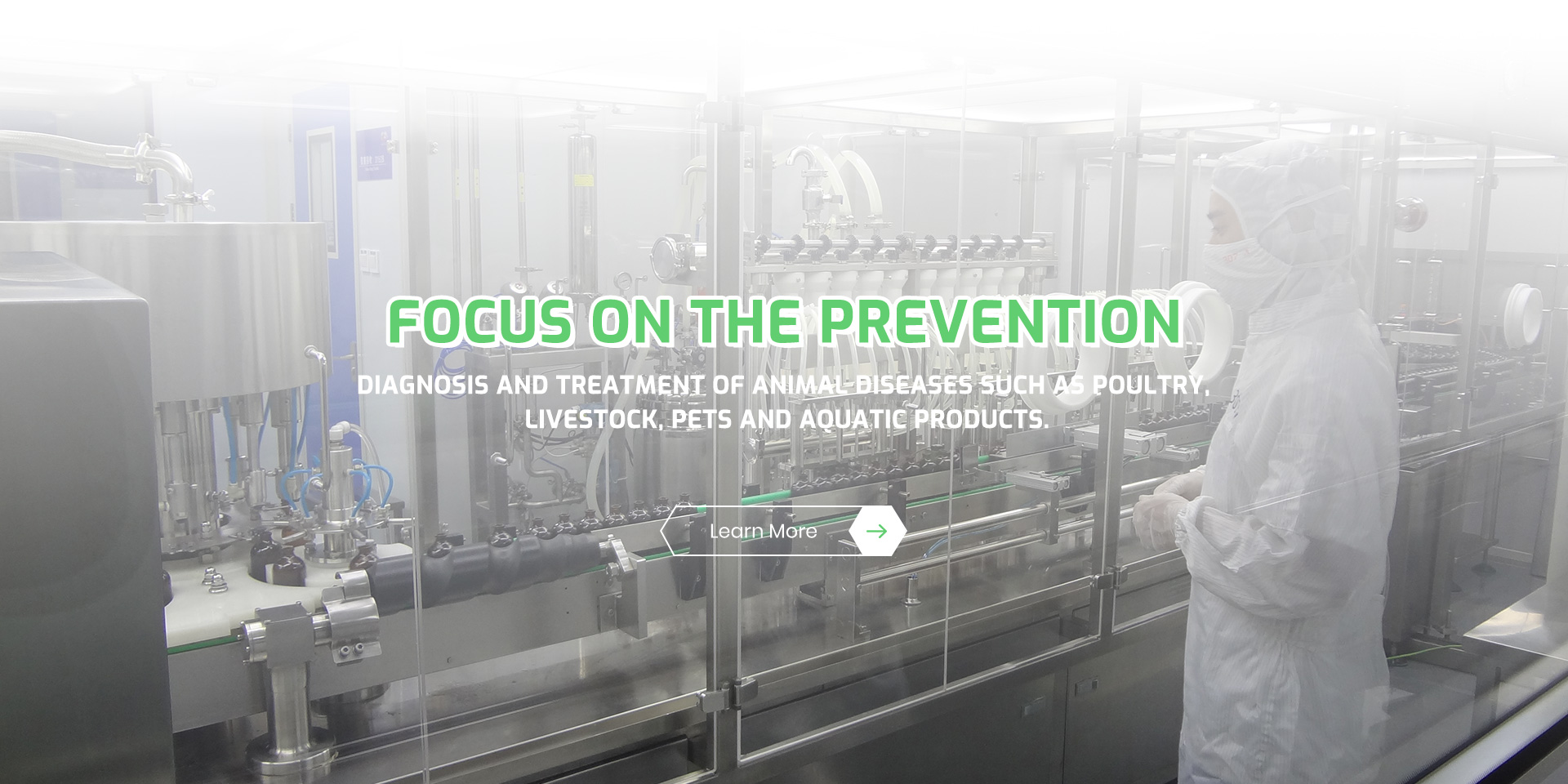
Performance evaluation of poultry respiratory medications necessitates a multifaceted engineering approach. Aerosolized drug delivery relies on nebulizer design and droplet size characterization. Droplet size affects deposition patterns within the respiratory tract – larger droplets deposit in the trachea and bronchi, while smaller droplets penetrate deeper into the lungs. Computational Fluid Dynamics (CFD) modeling is increasingly used to optimize nebulizer performance and predict deposition efficiency. Pharmacokinetic studies evaluate drug absorption, distribution, metabolism, and excretion in poultry. Pulmonary function testing, though challenging in avian species, can assess ventilation efficiency and gas exchange. Environmental resistance testing assesses the stability of formulations under simulated farm conditions (temperature fluctuations, humidity). Compliance requirements involve adherence to veterinary drug regulations set by governing bodies such as the FDA (USA) or EMA (Europe). Engineering controls in manufacturing facilities (e.g., HEPA filtration, laminar airflow) are crucial to maintain sterility and prevent contamination. The efficacy of vaccines relies on antigen presentation, immune cell activation, and the development of protective antibody titers. Measuring antibody responses (ELISA) and challenge studies (exposing vaccinated birds to pathogens) are essential performance metrics.
Technical Specifications
| API Concentration (mg/mL) | Particle Size (μm, D50) | pH Range | Viscosity (cP) |
|---|---|---|---|
| 50 | 3.5 | 6.5 – 7.5 | 2.0 |
| 100 | 2.8 | 5.8 – 6.8 | 3.5 |
| 200 | 4.2 | 7.0 – 8.0 | 5.0 |
| 150 | 3.0 | 6.0 – 7.0 | 4.0 |
| 25 | 2.5 | 6.2 – 7.2 | 1.5 |
| 75 | 3.8 | 5.5 – 6.5 | 3.0 |
Failure Mode & Maintenance
Failure modes in poultry respiratory medicine can be categorized as product-related, application-related, or biological. Product-related failures include API degradation (hydrolysis, oxidation), precipitation of solids in liquid formulations, and clogging of nebulizer nozzles due to particle aggregation. Application-related failures involve improper dosage, inadequate aerosolization, and insufficient coverage of the respiratory tract. Biological failures stem from antimicrobial resistance, viral mutations, and immunosuppression in the host. Fatigue cracking in plastic packaging can lead to leakage and contamination. Delamination of coatings on tablets or capsules can alter drug release characteristics. Degradation of APIs can occur due to exposure to light, heat, or moisture. Oxidation can be mitigated by using antioxidants in the formulation. Maintenance of nebulizers involves regular cleaning and disinfection to prevent biofilm formation and nozzle clogging. Storage of medications requires controlled temperature and humidity. Preventative maintenance of ventilation systems in poultry houses is crucial to reduce airborne pathogen concentrations. Monitoring for antimicrobial resistance patterns is essential to guide therapeutic choices. Proper biosecurity protocols (e.g., foot dips, isolation of sick birds) are fundamental to preventing disease outbreaks.
Industry FAQ
Q: What is the impact of water quality on the efficacy of medications administered via drinking water?
A: Water quality significantly impacts drug efficacy. High mineral content (e.g., iron, calcium) can react with APIs, leading to precipitation and reduced bioavailability. Biofilms within water lines can harbor bacteria that degrade medications. The pH of the water can also affect drug stability. Filtration and acidification of water are often necessary to ensure optimal drug delivery.
Q: How does particle size distribution affect aerosol deposition in the avian lung?
A: Particle size dictates deposition location. Larger particles (>5 μm) deposit primarily in the upper respiratory tract (trachea, bronchi), while smaller particles (1-3 μm) can reach the lower respiratory tract (bronchioles, alveoli). Achieving an optimal particle size distribution is crucial for maximizing drug delivery to the target site.
Q: What are the challenges associated with diagnosing respiratory diseases in poultry?
A: Diagnosing respiratory diseases can be challenging due to the presence of multiple pathogens (viral, bacterial, fungal) and the non-specific nature of clinical signs. Accurate diagnosis requires a combination of clinical examination, necropsy, laboratory testing (PCR, ELISA, bacterial culture), and histopathology.
Q: How can biosecurity measures be improved to prevent the spread of respiratory pathogens?
A: Enhanced biosecurity involves strict control of access to poultry houses, disinfection of equipment and personnel, proper waste management, and vaccination programs. Implementing all-in/all-out management systems and minimizing contact with wild birds are also critical.
Q: What role does ventilation play in managing respiratory health in poultry houses?
A: Adequate ventilation is essential for removing airborne pathogens, controlling humidity, and maintaining optimal air quality. Proper ventilation minimizes ammonia levels and reduces the risk of respiratory irritation. Ventilation rates should be adjusted based on bird density and environmental conditions.
Conclusion
Poultry respiratory medicine represents a complex field requiring a holistic understanding of avian physiology, pharmacology, and environmental management. The effective control of respiratory diseases hinges on the integration of preventative measures, accurate diagnosis, and judicious use of therapeutic interventions. Ongoing research into novel vaccines, antimicrobial alternatives, and improved drug delivery systems is crucial to address the challenges posed by emerging pathogens and antimicrobial resistance.
Future advancements will likely focus on precision medicine approaches, tailoring treatment strategies to the specific pathogens and immune status of individual birds. Implementing advanced monitoring technologies to detect early signs of respiratory disease and utilizing data analytics to optimize biosecurity protocols will further enhance poultry respiratory health and reduce economic losses.
Latest news
Copyright © 2026
Dingzhou Kangquan Pharmaceutical Co., Ltd. All Rights Reserved. Sitemap | Privacy
Policy


