
2695018275@qq.com
+86
13780513619
- Afrikaans
- Albanian
- Amharic
- Arabic
- Armenian
- Azerbaijani
- Basque
- Belarusian
- Bengali
- Bosnian
- Bulgarian
- Catalan
- Cebuano
- Corsican
- Croatian
- Czech
- Danish
- Dutch
- English
- Esperanto
- Estonian
- Finnish
- French
- Frisian
- Galician
- Georgian
- German
- Greek
- Gujarati
- Haitian Creole
- hausa
- hawaiian
- Hebrew
- Hindi
- Miao
- Hungarian
- Icelandic
- igbo
- Indonesian
- irish
- Italian
- Japanese
- Javanese
- Kannada
- kazakh
- Khmer
- Rwandese
- Korean
- Kurdish
- Kyrgyz
- Lao
- Latin
- Latvian
- Lithuanian
- Luxembourgish
- Macedonian
- Malgashi
- Malay
- Malayalam
- Maltese
- Maori
- Marathi
- Mongolian
- Myanmar
- Nepali
- Norwegian
- Norwegian
- Occitan
- Pashto
- Persian
- Polish
- Portuguese
- Punjabi
- Romanian
- Russian
- Samoan
- Scottish Gaelic
- Serbian
- Sesotho
- Shona
- Sindhi
- Sinhala
- Slovak
- Slovenian
- Somali
- Spanish
- Sundanese
- Swahili
- Swedish
- Tagalog
- Tajik
- Tamil
- Tatar
- Telugu
- Thai
- Turkish
- Turkmen
- Ukrainian
- Urdu
- Uighur
- Uzbek
- Vietnamese
- Welsh
- Bantu
- Yiddish
- Yoruba
- Zulu
Apr . 01, 2024 17:55 Back to list
powdered dog vitamins Performance Analysis

Introduction
Powdered dog vitamins represent a concentrated supplement delivery system designed to augment canine nutrition beyond the baseline provided by commercially available dog foods. These formulations typically consist of micronized vitamins, minerals, amino acids, and other bioactive compounds intended to address specific dietary deficiencies or support physiological functions. Positioned within the pet health and nutrition supply chain, powdered vitamins function as a value-added product for pet owners seeking proactive health management for their animals. Core performance indicators include bioavailability of constituent nutrients, palatability ensuring adequate ingestion, stability during storage to prevent degradation of active ingredients, and precise dosage control facilitated by the powder form. The growing demand stems from increasing pet humanization, a heightened awareness of preventative healthcare for animals, and a perceived ability to tailor supplementation to individual canine needs based on breed, age, activity level, and health status. A significant pain point within the industry is ensuring consistent nutrient content and preventing oxidation/degradation of sensitive vitamins during manufacturing and storage, impacting efficacy and shelf life.
Material Science & Manufacturing
The production of powdered dog vitamins necessitates meticulous control over raw material sourcing and manufacturing processes. Core ingredients encompass both fat-soluble (A, D, E, K) and water-soluble (B vitamins, C) vitamins, alongside macrominerals (calcium, phosphorus, magnesium) and trace minerals (iron, zinc, copper, manganese, selenium). Raw material purity is paramount, requiring rigorous supplier qualification and analytical testing to verify absence of contaminants like heavy metals, pesticides, and mycotoxins. Vitamin sources include synthetic production via chemical synthesis, fermentation processes (for certain B vitamins), and extraction from natural sources. Manufacturing typically involves a multi-step process: 1) Precise weighing and blending of individual ingredients based on the formulation; 2) Micronization – reducing particle size through milling or spray drying to enhance dispersibility and bioavailability; 3) Homogenization – ensuring uniform distribution of all components; 4) Encapsulation (optional) – coating individual particles with a protective layer to enhance stability and mask potential off-flavors; 5) Drying – removing residual moisture to prevent clumping and microbial growth; 6) Quality control testing – assessing nutrient content, moisture levels, particle size distribution, and microbial load. Critical parameters include maintaining temperature control during drying to prevent thermal degradation of vitamins, controlling particle size to optimize absorption, and ensuring an inert atmosphere during blending and packaging to minimize oxidation. Excipients such as maltodextrin, cellulose, or silica are commonly used as carriers and flow aids.
Performance & Engineering
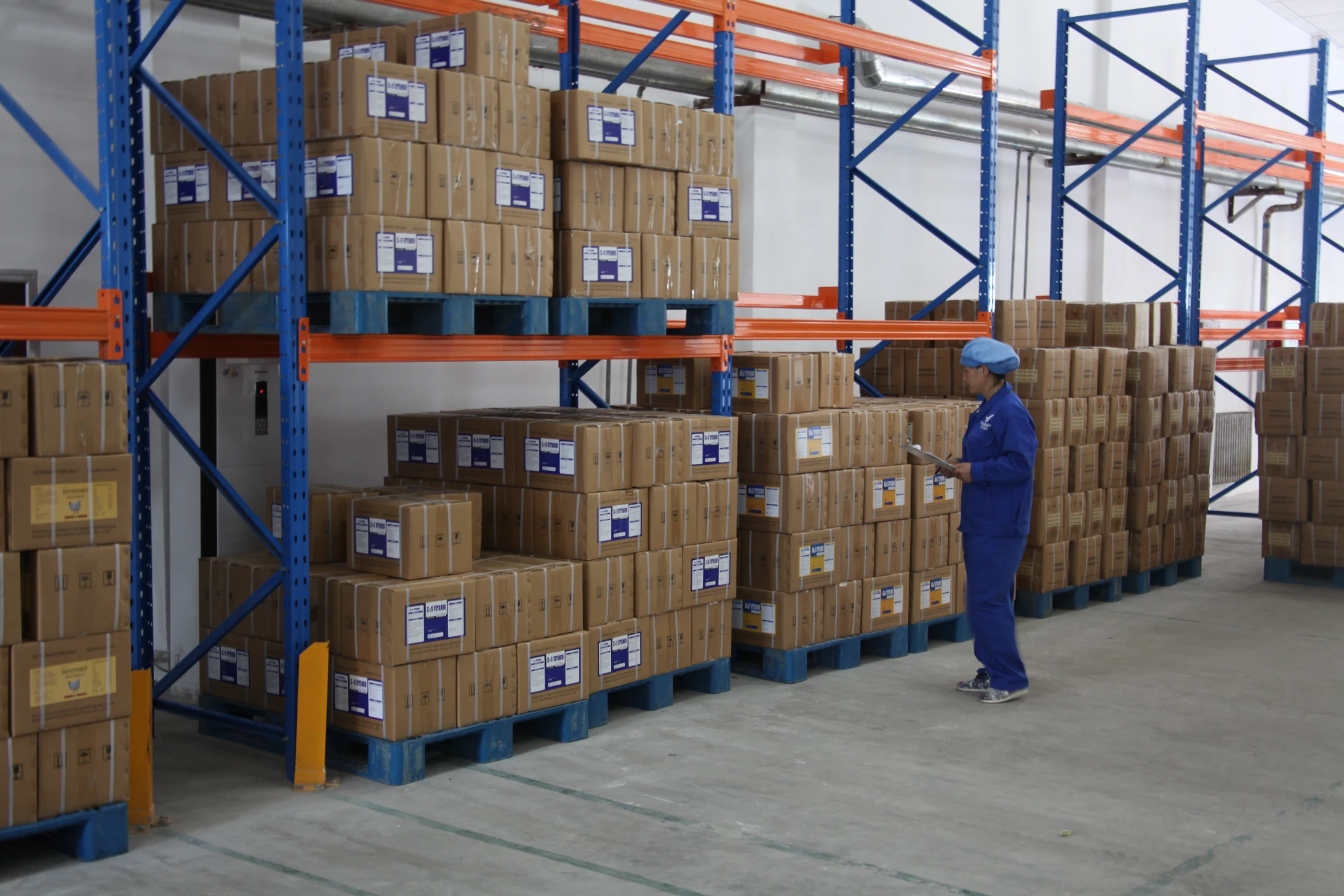
The performance of powdered dog vitamins is fundamentally tied to bioavailability – the proportion of administered nutrients that are absorbed and utilized by the canine organism. Bioavailability is influenced by several factors, including particle size, solubility, chemical form of the nutrient, presence of enhancers or inhibitors in the gut, and individual animal physiology. Force analysis, while not directly applicable to the powder itself, is relevant to packaging design; the container must withstand handling and shipping stresses without compromising product integrity. Environmental resistance is a critical consideration. Vitamins are susceptible to degradation by exposure to oxygen, light, heat, and moisture. Therefore, packaging materials with excellent barrier properties (low oxygen transmission rate, UV protection) are essential. Compliance requirements are stringent, governed by regulations set forth by organizations like the Association of American Feed Control Officials (AAFCO) and potentially regional or international bodies. Functional implementation involves proper dosage administration; the powder’s dispersibility in water or food must be adequate to ensure even distribution of nutrients. Palatability is also a key performance metric, as rejection by the animal renders the supplement ineffective. The formulation often incorporates palatability enhancers like yeast extracts or hydrolyzed proteins. Stability studies, conducted under accelerated aging conditions, are crucial to determine shelf life and establish appropriate storage recommendations. Consideration must be given to potential interactions between different vitamins and minerals within the formulation, and to their compatibility with common canine diets.
Technical Specifications
| Parameter | Units | Typical Value | Test Method |
|---|---|---|---|
| Vitamin A Content | IU/kg | 10,000 - 50,000 | HPLC |
| Vitamin D3 Content | IU/kg | 1,000 - 10,000 | HPLC |
| Vitamin E Content | IU/kg | 50 - 500 | HPLC |
| Vitamin C Content | mg/kg | 100 - 500 | Titration |
| Moisture Content | % | < 5 | Karl Fischer Titration |
| Particle Size (D50) | µm | < 100 | Laser Diffraction |
Failure Mode & Maintenance
Powdered dog vitamins are susceptible to several failure modes impacting their efficacy and safety. Oxidation is a primary concern, particularly for fat-soluble vitamins and trace minerals. Exposure to oxygen during manufacturing, storage, or even after packaging can lead to degradation of active ingredients, reducing potency. Hydrolysis, caused by moisture absorption, can break down vitamins and create inactive compounds. Clumping and caking, resulting from moisture uptake, can impair dispersibility and accurate dosage. Contamination with microorganisms (bacteria, fungi) can occur if hygiene standards are not rigorously maintained during production or if packaging is compromised. Physical degradation, such as particle size changes due to handling or vibration, can affect bioavailability. Maintenance protocols involve storing the product in a cool, dry, dark place, preferably in a sealed container with a desiccant to absorb moisture. Proper packaging—using airtight containers with UV protection—is essential. Regular quality control testing is crucial to monitor nutrient content and detect any signs of degradation. For bulk storage, nitrogen flushing of containers can minimize oxidation. Discarding expired product is critical to prevent administering ineffective or potentially harmful supplements. Users should be educated on proper storage and handling procedures to maximize product shelf life and maintain potency.
Industry FAQ
Q: What is the significance of particle size in powdered vitamin formulations?
A: Particle size directly influences bioavailability. Smaller particle sizes increase the surface area available for dissolution, enhancing absorption in the digestive tract. Micronization is employed to achieve optimal particle sizes for maximized nutrient uptake. Larger particles may pass through the digestive system largely unabsorbed.
Q: How do you ensure the stability of fat-soluble vitamins during manufacturing and storage?
A: Stability is ensured through several strategies. We utilize antioxidant additives (e.g., Vitamin E, ascorbic acid) to inhibit oxidation. Manufacturing is conducted under a nitrogen atmosphere to minimize oxygen exposure. Packaging incorporates airtight, light-resistant materials. Regular stability testing is performed to monitor nutrient content over time and establish expiration dates.
Q: What are the regulatory requirements for powdered dog vitamins?
A: Primarily, compliance with AAFCO guidelines is essential. This includes accurate labeling of guaranteed analysis, ingredient listing, and feeding directions. Depending on the region, additional regulations may apply concerning manufacturing practices (GMP) and ingredient sourcing. Documentation demonstrating adherence to these standards is critical.
Q: How do you verify the absence of heavy metal contamination in raw materials?
A: We employ rigorous supplier qualification procedures, including audits of their manufacturing facilities and testing of raw materials. Inductively Coupled Plasma Mass Spectrometry (ICP-MS) is utilized to quantitatively analyze for heavy metals (lead, mercury, arsenic, cadmium) in both raw materials and finished products, ensuring they meet stringent safety limits.
Q: What is the role of excipients in powdered vitamin formulations?
A: Excipients serve multiple functions. They act as carriers to provide bulk and improve flowability during manufacturing. They can enhance dispersibility in water or food, improving palatability and ensuring even distribution of nutrients. Some excipients may also protect vitamins from degradation or mask undesirable flavors.
Conclusion
Powdered dog vitamins represent a sophisticated nutritional delivery system demanding stringent control over material science, manufacturing processes, and quality assurance protocols. Ensuring bioavailability, stability, and compliance with regulatory standards are paramount to delivering a safe and effective product. The susceptibility of vitamins to degradation necessitates meticulous attention to packaging, storage, and handling procedures.
Future development within the sector will likely focus on enhanced encapsulation technologies to further protect sensitive nutrients, personalized formulations tailored to individual canine needs based on genomic or metabolic profiling, and the incorporation of novel bioactive compounds with demonstrated health benefits. Continuous monitoring of regulatory changes and advancements in nutritional science will be critical to maintaining product efficacy and meeting evolving consumer expectations.
Latest news
Copyright © 2026
Dingzhou Kangquan Pharmaceutical Co., Ltd. All Rights Reserved. Sitemap | Privacy
Policy


