
Apr . 01, 2024 17:55 Back to list
respiratory meds for chickens Manufacturing Analysis
Introduction
Respiratory medications for chickens represent a critical component of modern poultry health management. These formulations address a spectrum of etiological agents, including bacteria ( Mycoplasma gallisepticum, Mycoplasma synoviae, Ornithobacterium rhinotracheale), viruses (Infectious Bronchitis Virus, Newcastle Disease Virus), and fungal pathogens (Aspergillus fumigatus). Their technical positioning within the poultry industry chain is as a reactive and preventative measure, deployed primarily during outbreaks or as prophylactic treatments in high-density farming environments. Core performance indicators encompass efficacy in pathogen eradication or suppression, minimization of treatment-induced stress on the birds, and avoidance of residue issues impacting human food safety. The increasing prevalence of antimicrobial resistance necessitates a nuanced understanding of medication classes, rotational strategies, and the implementation of biosecurity protocols to maximize therapeutic outcomes and prevent the emergence of resistant strains. Understanding the pharmacokinetics and pharmacodynamics of these medications within avian physiology is paramount for effective application.
Material Science & Manufacturing
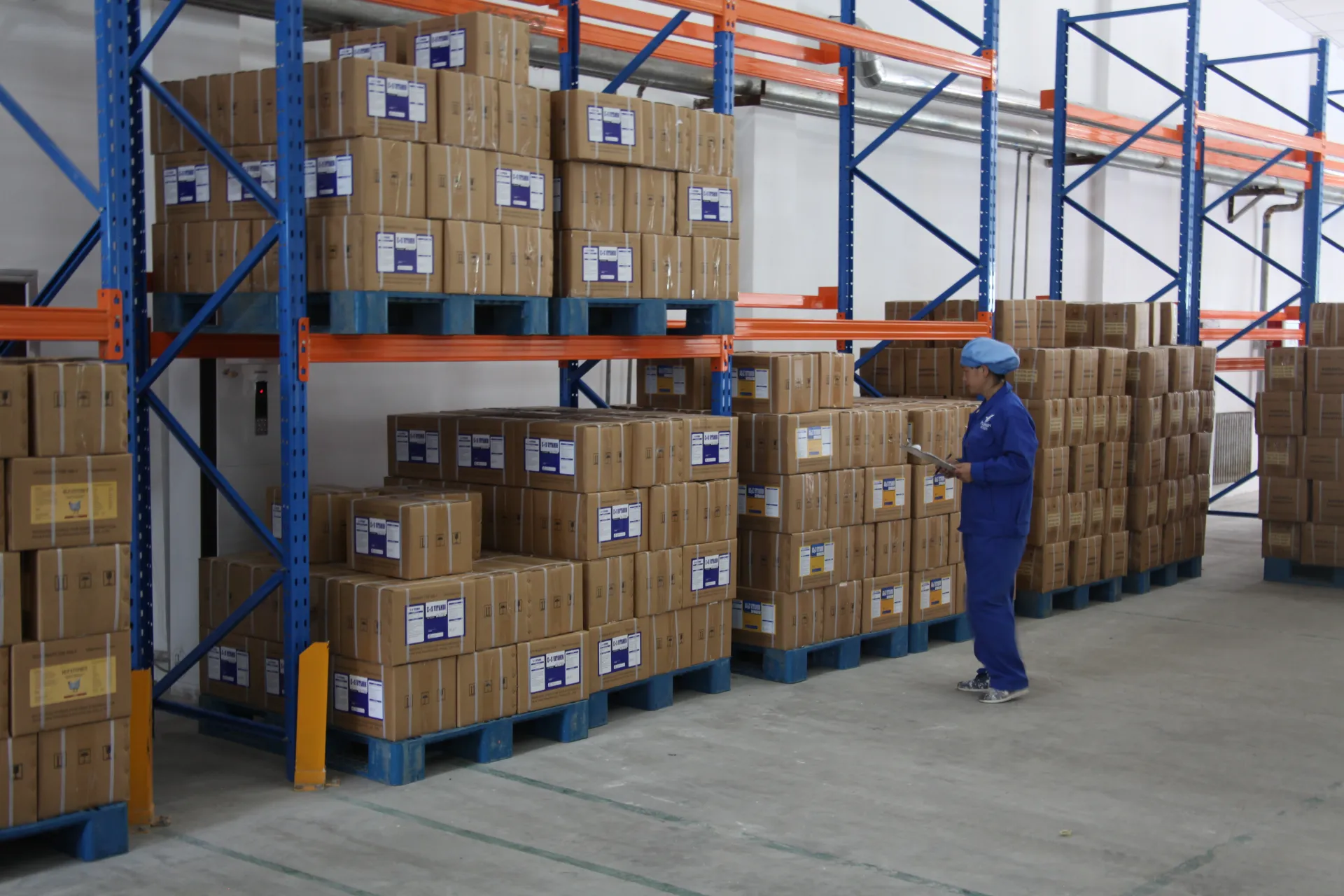
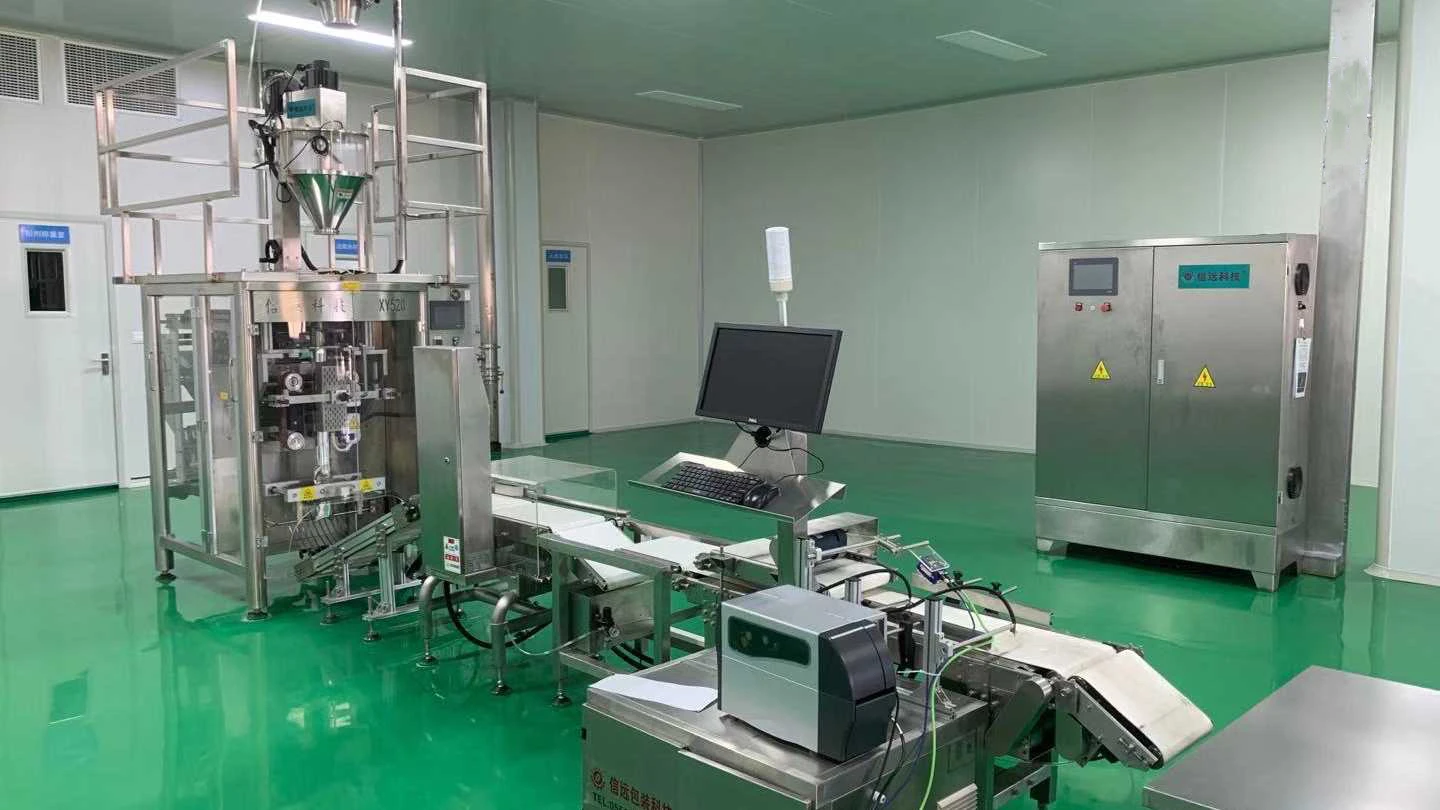
The manufacturing of respiratory medications for chickens involves a complex interplay of pharmaceutical chemistry, formulation science, and quality control. Active Pharmaceutical Ingredients (APIs) commonly include antibiotics (tetracyclines, macrolides, fluoroquinolones), antiviral compounds (interferons, acyclovir analogs), and antifungal agents (itraconazole, ketoconazole). These APIs exhibit distinct physical and chemical properties impacting solubility, stability, and bioavailability. Tetracyclines, for example, are susceptible to chelation with divalent cations (Ca2+, Mg2+) reducing absorption. Formulation typically involves dissolving or suspending the API in a carrier vehicle – often water – alongside excipients such as solubilizers (polyethylene glycol), buffering agents (phosphate buffers), preservatives (benzoic acid, sorbic acid), and viscosity modifiers (carboxymethylcellulose). Manufacturing processes vary depending on the dosage form. Liquid medications are typically produced through mixing and homogenization, with precise control of pH and osmolality to minimize irritation to the respiratory tract. Powder formulations involve micronization of the API to enhance dispersibility and subsequent blending with diluents and flow aids. Granulation techniques may be employed to improve powder handling and reduce dust formation. Quality control is crucial, encompassing API purity analysis (HPLC, mass spectrometry), sterility testing, potency assays (bioassays, spectrophotometry), and stability studies (accelerated aging, real-time monitoring). Raw material sourcing and adherence to Good Manufacturing Practices (GMP) are paramount to ensure product safety and efficacy. Packaging materials, such as high-density polyethylene (HDPE) for liquid formulations, must exhibit chemical compatibility with the medication and prevent degradation due to light or oxygen exposure.
Performance & Engineering
The performance of respiratory medications hinges on several engineering factors. Aerosolization, critical for delivering medication directly to the respiratory tract, is governed by droplet size distribution, particle velocity, and deposition patterns. Nebulizers and sprayers generate aerosols with varying characteristics; smaller droplet sizes (<5µm) penetrate deeper into the lungs, maximizing efficacy but potentially increasing systemic absorption. Force analysis considers the impact of gravitational settling, impaction, and diffusion on aerosol deposition. Environmental resistance is a significant concern. High temperatures and humidity can degrade certain APIs, reducing potency. UV radiation can also induce photodecomposition. Formulations must incorporate stabilizers and protectants to mitigate these effects. Compliance requirements are stringent. Withdrawal periods (the time required for medication residues to fall below safe levels in meat and eggs) are dictated by regulatory agencies and must be meticulously observed to avoid consumer exposure. Functional implementation requires careful consideration of application methods. Mass medication via drinking water requires precise dosage calculations and ensuring uniform distribution throughout the flock. In-feed administration necessitates compatibility with the feed matrix and avoidance of nutrient interactions. Individual treatment, while labor-intensive, allows for targeted therapy and minimizes the risk of resistance development. Furthermore, the physiological state of the bird (age, breed, immune status, concurrent infections) influences medication efficacy. Understanding avian respiratory anatomy and physiology is essential for optimizing drug delivery and maximizing therapeutic impact.
Technical Specifications
| API | Concentration | Dosage Form | Withdrawal Period (Meat/Eggs) |
|---|---|---|---|
| Tylosin | 100 g/L | Soluble Powder | 7/0 days |
| Enrofloxacin | 10% w/v | Oral Solution | 14/7 days |
| Amoxicillin Trihydrate | 250 mg/mL | Injectable Solution | 7/0 days |
| Doxycycline Hyclate | 100 g/kg | Premix | 14/7 days |
| Tiamulin Hydrogen Fumarate | 40 g/L | Oral Solution | 7/0 days |
| Florfenicol | 10% w/v | Oral Solution | 14/7 days |
Failure Mode & Maintenance
Failure modes in respiratory medication efficacy are multifaceted. Antimicrobial resistance is a primary concern, arising from overuse or inappropriate application of antibiotics. Development of resistant strains (Mycoplasma, E. coli) compromises treatment outcomes. Pharmacokinetic failures occur when the drug fails to reach the target site in sufficient concentration due to poor absorption, rapid metabolism, or inadequate distribution. Formulation instability can lead to API degradation, reducing potency. Incorrect dosage or administration technique (e.g., insufficient aerosolization) can also contribute to treatment failure. In the context of chronic respiratory disease complex (CRD), biofilms formed by bacteria within the respiratory tract can provide a protective barrier against antibiotic penetration. Maintenance strategies involve implementing robust biosecurity protocols to prevent disease introduction and spread. Regular monitoring of antimicrobial susceptibility patterns is crucial for guiding treatment decisions. Rotational antibiotic programs can help minimize the development of resistance. Optimizing ventilation and environmental control reduces stress on birds and enhances immune function. Periodic cleaning and disinfection of housing facilities eliminate reservoirs of pathogens. Prompt diagnosis and treatment of early infections prevents the progression to more severe, resistant cases. Careful observation of birds for signs of treatment failure (persistent coughing, labored breathing, reduced activity) is essential for adjusting therapeutic strategies.
Industry FAQ
Q: What is the impact of water quality on the efficacy of medications administered via drinking water?
A: Water quality is paramount. High mineral content (iron, calcium, magnesium) can chelate with certain antibiotics (tetracyclines), rendering them inactive. Organic matter can also degrade APIs. pH imbalances can affect drug solubility and stability. Biofilm formation within water lines can harbor pathogens and reduce medication delivery. Regular water testing, filtration, and disinfection are essential. Acidification of water to a pH of 3-4 can improve antibiotic stability but must be carefully monitored to avoid corrosion of water lines.
Q: How do you determine the appropriate withdrawal period for a given medication?
A: Withdrawal periods are established by regulatory agencies (e.g., FDA in the US, EFSA in Europe) based on pharmacokinetic studies that determine the rate of drug elimination from tissues (muscle, liver, eggs). These studies establish a "safe" level of residue that poses no risk to human health. Veterinarians must adhere strictly to these prescribed withdrawal periods.
Q: What are the key considerations when selecting an aerosolization method for respiratory medications?
A: Key considerations include droplet size distribution, particle velocity, and penetration depth. Nebulizers produce finer droplets than sprayers, allowing for deeper lung penetration. However, finer droplets are more susceptible to gravitational settling. The size of the poultry house and the number of birds being treated also influence the choice of aerosolization method. Proper ventilation is critical to ensure uniform drug distribution.
Q: What role does biosecurity play in minimizing the need for respiratory medications?
A: Biosecurity is the first line of defense. Strict protocols, including restricted access to poultry houses, proper disinfection of equipment, control of rodents and wild birds, and quarantine of new flocks, prevent the introduction and spread of pathogens. Maintaining a closed flock system reduces the risk of disease outbreaks, minimizing the need for medication.
Q: How can you monitor for the development of antimicrobial resistance on a poultry farm?
A: Regular antimicrobial susceptibility testing (AST) of isolates from respiratory disease cases is essential. AST identifies which antibiotics are effective against specific pathogens. Monitoring trends in resistance patterns over time provides valuable information for adjusting treatment protocols and preventing the spread of resistant strains. Implementing a farm-specific antimicrobial stewardship program can optimize antibiotic use and minimize the selection pressure for resistance.
Conclusion
Respiratory medications for chickens represent a complex field demanding a comprehensive understanding of pharmaceutical principles, avian physiology, and disease epidemiology. Effective application necessitates careful API selection, optimized formulation, precise dosage, and meticulous adherence to withdrawal periods. The escalating challenge of antimicrobial resistance underscores the importance of preventative strategies, including robust biosecurity measures, judicious antibiotic use, and proactive monitoring of susceptibility patterns. Continued research into novel therapeutics, improved delivery systems, and enhanced diagnostic tools is crucial for safeguarding poultry health and ensuring a sustainable food supply.
Looking forward, the integration of precision livestock farming technologies – including real-time monitoring of respiratory health parameters (coughing frequency, activity levels, body temperature) – will enable early disease detection and targeted interventions. Developing alternative strategies to antibiotics, such as phage therapy, immunomodulators, and probiotic supplementation, holds promise for reducing reliance on conventional antimicrobials and mitigating the risk of resistance development. A holistic approach, combining preventative medicine, responsible medication use, and innovative technologies, is essential for maintaining the health and productivity of poultry flocks.
Latest news
Copyright © 2026
Dingzhou Kangquan Pharmaceutical Co., Ltd. All Rights Reserved. Sitemap | Privacy
Policy


