
2695018275@qq.com
+86
13780513619
- Afrikaans
- Albanian
- Amharic
- Arabic
- Armenian
- Azerbaijani
- Basque
- Belarusian
- Bengali
- Bosnian
- Bulgarian
- Catalan
- Cebuano
- Corsican
- Croatian
- Czech
- Danish
- Dutch
- English
- Esperanto
- Estonian
- Finnish
- French
- Frisian
- Galician
- Georgian
- German
- Greek
- Gujarati
- Haitian Creole
- hausa
- hawaiian
- Hebrew
- Hindi
- Miao
- Hungarian
- Icelandic
- igbo
- Indonesian
- irish
- Italian
- Japanese
- Javanese
- Kannada
- kazakh
- Khmer
- Rwandese
- Korean
- Kurdish
- Kyrgyz
- Lao
- Latin
- Latvian
- Lithuanian
- Luxembourgish
- Macedonian
- Malgashi
- Malay
- Malayalam
- Maltese
- Maori
- Marathi
- Mongolian
- Myanmar
- Nepali
- Norwegian
- Norwegian
- Occitan
- Pashto
- Persian
- Polish
- Portuguese
- Punjabi
- Romanian
- Russian
- Samoan
- Scottish Gaelic
- Serbian
- Sesotho
- Shona
- Sindhi
- Sinhala
- Slovak
- Slovenian
- Somali
- Spanish
- Sundanese
- Swahili
- Swedish
- Tagalog
- Tajik
- Tamil
- Tatar
- Telugu
- Thai
- Turkish
- Turkmen
- Ukrainian
- Urdu
- Uighur
- Uzbek
- Vietnamese
- Welsh
- Bantu
- Yiddish
- Yoruba
- Zulu
Apr . 01, 2024 17:55 Back to list
senior cat vitamin supplement Performance Analysis
Introduction
Senior cat vitamin supplements represent a crucial component of geriatric feline healthcare, bridging the gap between age-related physiological decline and maintaining optimal health. These formulations are not simply supplemental; they are a proactive intervention against the pervasive effects of aging, addressing diminished nutrient absorption, reduced metabolic function, and increased susceptibility to age-related diseases. The industry positions these supplements as a preventative measure and supportive therapy, frequently utilized in conjunction with specialized diets and veterinary care. Core performance indicators focus on bioavailability of key nutrients, palatability for compliance, and demonstrable effects on common geriatric concerns like joint health, cognitive function, and immune system support. The efficacy hinges on precise formulation targeting specific feline needs, differing significantly from kitten or adult cat vitamin compositions. Understanding the biochemical changes occurring in aging felines is paramount to appreciating the role of these supplements, which aim to mitigate the effects of oxidative stress, inflammation, and declining organ function.
Material Science & Manufacturing
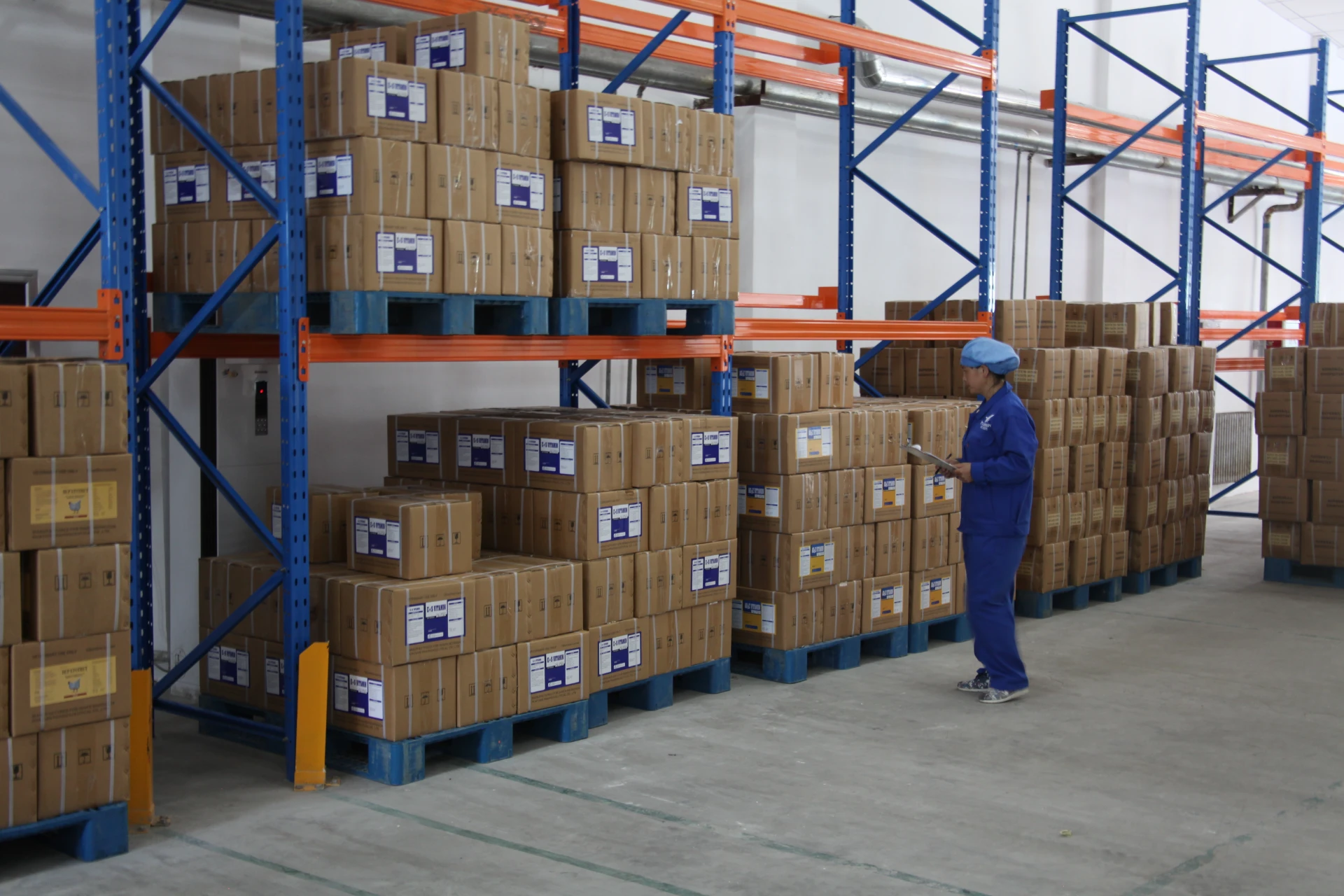
The production of senior cat vitamin supplements necessitates rigorous material sourcing and manufacturing processes. Primary ingredients typically include vitamins (A, D, E, B-complex), minerals (calcium, phosphorus, potassium), antioxidants (vitamin C, vitamin E, selenium), omega-3 fatty acids (EPA, DHA), and potentially specialized compounds like chondroitin sulfate, glucosamine, and L-carnitine. Raw material purity is critical, requiring Certificates of Analysis (CoA) confirming compliance with pharmacopeial standards (USP, EP). Manufacturing typically employs either dry blending or wet granulation techniques. Dry blending, the more cost-effective method, involves precisely weighing and mixing powdered ingredients. However, it can lead to segregation of components, reducing uniformity. Wet granulation enhances homogeneity by binding ingredients with a liquid excipient (often water or a sugar solution), forming granules before drying and coating. Encapsulation – utilizing gelatin or vegetable-based capsules – is common for palatability and ease of administration. Tablet compression, while feasible, is less favored due to potential palatability issues. Key parameter control during manufacturing includes particle size distribution of powders, mixing time and speed, granulation endpoint assessment (moisture content, granule size), and coating uniformity. Batch-to-batch consistency is verified through rigorous quality control testing, including nutrient assay, heavy metal analysis, and microbial contamination checks. The physical form (powder, capsule, chewable tablet) influences bioavailability; microencapsulation is increasingly employed to enhance absorption of lipophilic nutrients like vitamins A, D, E, and K.
Performance & Engineering
The performance of senior cat vitamin supplements is dictated by several engineering considerations. Bioavailability is paramount, influenced by the chemical form of the nutrients, the presence of enhancers (e.g., fats for fat-soluble vitamins), and the gut health of the cat. Digestive efficiency declines with age; therefore, readily digestible forms of vitamins and minerals are preferred. Formulations targeting joint health (chondroitin, glucosamine) require careful consideration of molecular weight and glycosylation patterns to optimize cartilage penetration. The effectiveness of antioxidants (vitamin C, E) hinges on their ability to scavenge free radicals and protect cellular membranes from oxidative damage, assessed through in-vitro assays measuring radical scavenging capacity. Palatability is a critical engineering challenge, often addressed through flavor masking and coating with palatable substances like fish oil or chicken liver powder. Compliance, measured by the percentage of cats willingly consuming the supplement, directly impacts its effectiveness. Environmental resistance—stability of the supplement under varying temperature and humidity conditions—is assessed through accelerated stability testing, predicting shelf life. Engineering also encompasses packaging design, ensuring airtight seals to prevent oxidation and moisture ingress, and using materials that protect against UV light degradation. The supplement's interaction with common feline medications must be evaluated to avoid antagonistic effects or increased toxicity.
Technical Specifications
| Nutrient | Unit | Minimum Concentration | Maximum Concentration |
|---|---|---|---|
| Vitamin A | IU/kg | 15,000 | 25,000 |
| Vitamin D3 | IU/kg | 1,500 | 2,500 |
| Vitamin E | IU/kg | 200 | 400 |
| Taurine | mg/kg | 1,000 | 2,000 |
| Omega-3 Fatty Acids (EPA+DHA) | % | 3.0 | 6.0 |
| Glucosamine | mg/kg | 500 | 1,000 |
Failure Mode & Maintenance
Failure modes for senior cat vitamin supplements can be categorized into physical degradation, chemical instability, and biological unavailability. Physical degradation includes capsule brittleness (leading to dose inaccuracy), tablet crumbling (reduced palatability and dust formation), and powder caking (hindering flowability). Chemical instability manifests as nutrient oxidation (loss of potency), hydrolysis (breakdown of vitamins), and discoloration (indicating degradation). Biological unavailability stems from poor absorption (due to inadequate formulation or compromised feline gut health), rapid metabolism (reducing circulating nutrient levels), and interactions with dietary components. Oxidation of fat-soluble vitamins (A, D, E) is a common failure mode, accelerated by exposure to oxygen, light, and heat. Maintenance strategies involve proper storage (cool, dry, dark place), airtight packaging, and adherence to the manufacturer’s expiration date. Monitoring for changes in color, odor, or texture can indicate degradation. For cats with pre-existing health conditions, veterinary guidance is crucial to adjust dosage and identify potential drug interactions. Proactive assessment of feline health—regular bloodwork to monitor nutrient levels—can identify deficiencies and optimize supplementation strategies. Addressing underlying gastrointestinal issues (e.g., inflammatory bowel disease) is essential to enhance nutrient absorption. Implementing a preventative maintenance schedule, involving periodic re-evaluation of the supplement formulation based on evolving scientific understanding of feline gerontology, is also crucial.
Industry FAQ
Q: What differentiates a senior cat vitamin supplement from a standard multivitamin?
A: Senior cat formulations prioritize nutrients addressing age-related decline. Standard multivitamins often focus on general health maintenance, while senior supplements boost antioxidants to combat oxidative stress, include higher levels of joint support compounds like glucosamine and chondroitin, and may incorporate ingredients supporting cognitive function (like phosphatidylserine) not typically found in standard formulations. The ratios of vitamins and minerals are also adjusted to account for reduced kidney function and altered metabolic rates in older cats.
Q: How important is the bioavailability of the ingredients?
A: Bioavailability is paramount. Ingredients must be in a form readily absorbed and utilized by the feline body. For example, chelated minerals are generally more bioavailable than inorganic forms. Encapsulation technologies, such as microencapsulation, can enhance the absorption of fat-soluble vitamins. Formulation with a source of dietary fat is critical for optimizing absorption of these vitamins.
Q: What are the potential risks of over-supplementation?
A: Over-supplementation can lead to toxicity, particularly with fat-soluble vitamins (A, D, E). Excess vitamin A can cause hypervitaminosis A, leading to bone abnormalities and liver damage. Excess vitamin D can cause hypercalcemia, leading to kidney damage. It’s crucial to adhere to recommended dosages and consult with a veterinarian before initiating supplementation.
Q: How should I store senior cat vitamin supplements to maintain their potency?
A: Supplements should be stored in a cool, dry, dark place, away from direct sunlight and heat. Airtight containers are essential to prevent oxidation and moisture ingress. Avoid storing supplements in the bathroom or near a stove, as humidity and temperature fluctuations can accelerate degradation.
Q: Can these supplements interact with medications my cat is already taking?
A: Yes, potential interactions are possible. For example, vitamin K can interfere with anticoagulant medications. Certain minerals can bind to and reduce the absorption of some antibiotics. Always inform your veterinarian of all supplements your cat is receiving, especially if your cat is on medication.
Conclusion
Senior cat vitamin supplements, when formulated with a deep understanding of feline gerontology and manufactured to exacting standards, represent a vital tool in supporting the health and well-being of aging cats. Their efficacy hinges not merely on ingredient lists, but on bioavailability, palatability, and the absence of adverse interactions. The proactive mitigation of age-related decline – addressing oxidative stress, joint degeneration, and cognitive dysfunction – is the core technical imperative driving innovation in this sector.
Future development will likely focus on personalized nutrition, tailored to the individual cat’s genetic predispositions and metabolic profile. Advancements in encapsulation technology will further enhance nutrient absorption and targeted delivery. Continuous monitoring of product stability and rigorous quality control are paramount to ensure consistent efficacy and safety. Ultimately, these supplements are most effective when integrated into a comprehensive geriatric care plan, developed in collaboration with a veterinarian.
Latest news
Copyright © 2026
Dingzhou Kangquan Pharmaceutical Co., Ltd. All Rights Reserved. Sitemap | Privacy
Policy


