2695018275@qq.com
+86
13780513619
- Afrikaans
- Albanian
- Amharic
- Arabic
- Armenian
- Azerbaijani
- Basque
- Belarusian
- Bengali
- Bosnian
- Bulgarian
- Catalan
- Cebuano
- Corsican
- Croatian
- Czech
- Danish
- Dutch
- English
- Esperanto
- Estonian
- Finnish
- French
- Frisian
- Galician
- Georgian
- German
- Greek
- Gujarati
- Haitian Creole
- hausa
- hawaiian
- Hebrew
- Hindi
- Miao
- Hungarian
- Icelandic
- igbo
- Indonesian
- irish
- Italian
- Japanese
- Javanese
- Kannada
- kazakh
- Khmer
- Rwandese
- Korean
- Kurdish
- Kyrgyz
- Lao
- Latin
- Latvian
- Lithuanian
- Luxembourgish
- Macedonian
- Malgashi
- Malay
- Malayalam
- Maltese
- Maori
- Marathi
- Mongolian
- Myanmar
- Nepali
- Norwegian
- Norwegian
- Occitan
- Pashto
- Persian
- Polish
- Portuguese
- Punjabi
- Romanian
- Russian
- Samoan
- Scottish Gaelic
- Serbian
- Sesotho
- Shona
- Sindhi
- Sinhala
- Slovak
- Slovenian
- Somali
- Spanish
- Sundanese
- Swahili
- Swedish
- Tagalog
- Tajik
- Tamil
- Tatar
- Telugu
- Thai
- Turkish
- Turkmen
- Ukrainian
- Urdu
- Uighur
- Uzbek
- Vietnamese
- Welsh
- Bantu
- Yiddish
- Yoruba
- Zulu
Apr . 01, 2024 17:55 Back to list
senior dog vitamins and supplements Performance Analysis
Introduction
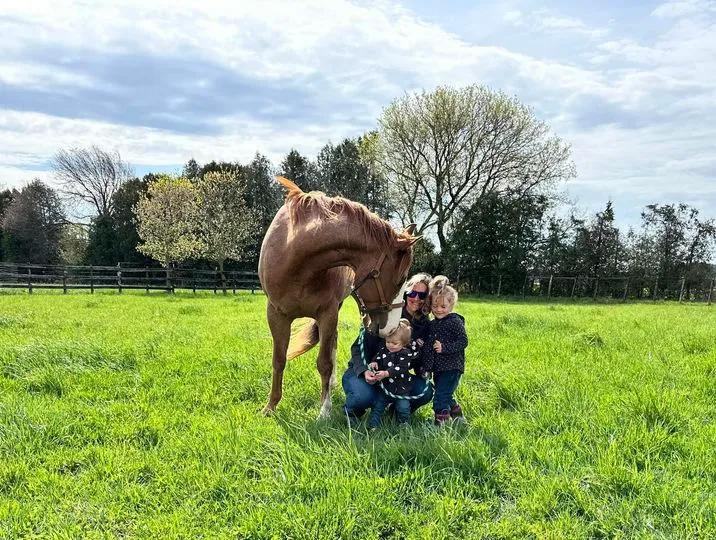
Senior dog vitamins and supplements represent a critical component in preventative and palliative care for canine companions experiencing age-related physiological decline. This guide details the scientific basis, manufacturing processes, performance characteristics, and potential failure modes associated with these products, targeting procurement managers, veterinary professionals, and formulators. As dogs age, their metabolic rates, nutrient absorption efficiency, and organ function decrease, necessitating dietary augmentation to maintain quality of life. The market segment is driven by increasing pet ownership, humanization of pets, and a growing awareness of age-related canine diseases like osteoarthritis, cognitive dysfunction syndrome (CDS), and renal insufficiency. Core performance characteristics revolve around bioavailability, palatability, stability, and demonstrable efficacy based on veterinary clinical trials. Formulations vary widely, encompassing single-nutrient supplements to complex multi-vitamin, mineral, and botanical blends. Understanding the interplay between these factors is crucial for selecting appropriate products for specific canine health profiles.
Material Science & Manufacturing
The production of senior dog vitamins and supplements relies on a diverse range of raw materials, categorized primarily as vitamins (A, D, E, C, B-complex), minerals (calcium, phosphorus, magnesium, zinc, selenium), antioxidants (Vitamin E, Vitamin C, CoQ10), fatty acids (Omega-3 & Omega-6), and specialized ingredients like glucosamine, chondroitin, and medium-chain triglycerides (MCTs). Vitamin and mineral sources can be synthetic or naturally derived. Synthetic vitamins, produced via chemical synthesis, offer cost-effectiveness and high purity but may exhibit lower bioavailability. Naturally derived vitamins, extracted from plant or animal sources, are often perceived as more bioavailable but can vary in potency and consistency. Manufacturing processes commonly include blending, granulation, tableting, encapsulation, and coating. Blending ensures homogeneous distribution of ingredients. Granulation improves flowability and compressibility. Tableting requires precise control of compression force to achieve desired hardness and disintegration time. Encapsulation protects sensitive ingredients from oxidation and moisture. Coating provides taste masking and controlled release properties. Key parameters include particle size distribution, moisture content, bulk density, and compression force. Quality control relies heavily on High-Performance Liquid Chromatography (HPLC) and Gas Chromatography-Mass Spectrometry (GC-MS) to verify ingredient purity and potency. Excipients such as microcrystalline cellulose, lactose, and magnesium stearate are added to improve processing characteristics and product stability. Raw material sourcing must adhere to Good Manufacturing Practices (GMP) and traceability requirements.
Performance & Engineering
Performance of senior dog vitamin and supplement formulations is fundamentally linked to bioavailability – the extent to which nutrients are absorbed and utilized by the canine body. Bioavailability is influenced by several factors, including the chemical form of the nutrient, the presence of chelating agents, and the gut microbiome composition of the individual dog. Fat-soluble vitamins (A, D, E, K) require dietary fat for optimal absorption, whereas water-soluble vitamins (B-complex, C) are generally absorbed more readily. The inclusion of chelated minerals (e.g., zinc bisglycinate) enhances absorption compared to inorganic salts. The enteric coating of tablets or capsules can protect sensitive ingredients from gastric acid degradation and target release in the small intestine. Palatability is a critical engineering concern, particularly for long-term compliance. Flavorings, coatings, and chewable formats are employed to enhance acceptance. Environmental resistance focuses on maintaining stability under varying temperature and humidity conditions. Antioxidants are incorporated to prevent oxidation of fats and vitamins. Packaging materials with low oxygen transmission rates (OTR) and low water vapor transmission rates (WVTR) are crucial for preserving product integrity. Compliance with regulations established by the Association of American Feed Control Officials (AAFCO) is mandatory, dictating labeling requirements and permissible ingredient levels. Force analysis during tableting and encapsulation processes is paramount to ensure adequate product hardness and prevent friability.
Technical Specifications
| Ingredient | Typical Inclusion Rate (%) | Bioavailability (Relative Scale, 1-10) | Stability (Shelf Life - Months) |
|---|---|---|---|
| Vitamin E (Alpha-Tocopherol) | 0.1-0.5 | 7 | 18-24 |
| Vitamin C (Ascorbic Acid) | 0.05-0.2 | 6 | 6-12 |
| Glucosamine Hydrochloride | 2-5 | 5 | 12-18 |
| Chondroitin Sulfate | 1-3 | 4 | 12-18 |
| Omega-3 Fatty Acids (EPA+DHA) | 1-2 | 8 | 6-12 |
| MCTs (Medium-Chain Triglycerides) | 5-10 | 9 | 12-24 |
Failure Mode & Maintenance
Failure modes in senior dog vitamin and supplement products typically manifest as loss of potency, physical degradation, or palatability issues. Oxidation of fat-soluble vitamins and unsaturated fatty acids is a primary concern, leading to reduced efficacy. Exposure to moisture can cause hydrolysis of ingredients and tablet disintegration. Improper storage conditions (high temperature, humidity, direct sunlight) accelerate degradation. Tablet friability and capping can occur due to insufficient binder content or excessive compression force. Encapsulation failures can result in ingredient leakage and oxidation. Microbial contamination, though rare with proper GMP, can render products unsafe for consumption. Maintenance recommendations include storing products in a cool, dry place, away from direct sunlight. Sealed containers are essential to minimize exposure to oxygen and moisture. Regular quality control testing (HPLC, GC-MS) is crucial to monitor potency and identify degradation products. Rotation of stock ensures that products are used before their expiration date. Veterinarians should advise owners to observe dogs for any adverse reactions (e.g., vomiting, diarrhea) and discontinue use if symptoms arise. Proper dosage adherence, based on the dog's weight and health condition, is essential for maximizing efficacy and minimizing the risk of adverse effects.
Industry FAQ
Q: What is the rationale for including chondroitin alongside glucosamine in joint support supplements for senior dogs?
A: Glucosamine provides the building blocks for cartilage repair, while chondroitin inhibits cartilage-degrading enzymes (proteoglycans) and enhances the water-holding capacity of cartilage, improving joint lubrication. The synergistic effect of combining these two compounds has been demonstrated in numerous veterinary studies to alleviate pain and improve mobility in dogs with osteoarthritis.
Q: How does bioavailability of synthetic versus natural vitamins differ, and what implications does this have for product formulation?
A: While synthetic vitamins offer cost advantages, natural vitamins often exhibit superior bioavailability due to inherent cofactors and structural differences that facilitate absorption. Formulators often utilize esterified forms of vitamins (e.g., Vitamin E succinate) to enhance absorption. The inclusion of lipid-based carriers can further improve bioavailability, particularly for fat-soluble vitamins.
Q: What are the key indicators of oxidative degradation in Omega-3 fatty acid supplements, and how can these be mitigated during manufacturing and storage?
A: Rancidity, indicated by a fishy odor and increased peroxide values, is a primary indicator of Omega-3 oxidation. Mitigation strategies include adding antioxidants (Vitamin E, Vitamin C, rosemary extract), using nitrogen flushing during packaging, and employing low-temperature processing techniques during manufacturing. Encapsulation and the use of airtight, opaque packaging materials are also crucial.
Q: How do different coating materials affect the release profile of vitamins in tablet formulations?
A: Enteric coatings, typically composed of cellulose acetate phthalate or methacrylic acid copolymers, are pH-sensitive and dissolve in the small intestine, protecting sensitive ingredients from gastric acid degradation. Film coatings, often based on hydroxypropyl methylcellulose (HPMC), provide taste masking and controlled release properties. The thickness and composition of the coating directly influence the rate of vitamin release.
Q: What role does AAFCO play in regulating senior dog vitamin and supplement products, and what compliance requirements are manufacturers expected to meet?
A: AAFCO establishes standards for ingredient definitions, labeling requirements, and nutrient profiles in animal feed, including vitamin and supplement products. Manufacturers must adhere to these standards to ensure product safety, efficacy, and accurate labeling. This includes providing guaranteed analysis, ingredient lists, and feeding directions. State feed control officials enforce AAFCO regulations.
Conclusion
The effective formulation and manufacture of senior dog vitamins and supplements require a comprehensive understanding of material science, bioavailability, and degradation pathways. Optimizing nutrient delivery, ensuring product stability, and adhering to stringent quality control standards are paramount for maximizing therapeutic benefits and maintaining canine health. The continued development of novel delivery systems and ingredient combinations will undoubtedly shape the future of this rapidly evolving market segment.
Procurement decisions should prioritize manufacturers demonstrating robust quality control procedures, adherence to GMP, and documented evidence of product efficacy through veterinary clinical trials. A proactive approach to ingredient sourcing, packaging optimization, and storage conditions will contribute to maintaining product integrity and maximizing the return on investment in these vital preventative health tools.
Latest news
Copyright © 2026
Dingzhou Kangquan Pharmaceutical Co., Ltd. All Rights Reserved. Sitemap | Privacy
Policy


