
2695018275@qq.com
+86
13780513619
- Afrikaans
- Albanian
- Amharic
- Arabic
- Armenian
- Azerbaijani
- Basque
- Belarusian
- Bengali
- Bosnian
- Bulgarian
- Catalan
- Cebuano
- Corsican
- Croatian
- Czech
- Danish
- Dutch
- English
- Esperanto
- Estonian
- Finnish
- French
- Frisian
- Galician
- Georgian
- German
- Greek
- Gujarati
- Haitian Creole
- hausa
- hawaiian
- Hebrew
- Hindi
- Miao
- Hungarian
- Icelandic
- igbo
- Indonesian
- irish
- Italian
- Japanese
- Javanese
- Kannada
- kazakh
- Khmer
- Rwandese
- Korean
- Kurdish
- Kyrgyz
- Lao
- Latin
- Latvian
- Lithuanian
- Luxembourgish
- Macedonian
- Malgashi
- Malay
- Malayalam
- Maltese
- Maori
- Marathi
- Mongolian
- Myanmar
- Nepali
- Norwegian
- Norwegian
- Occitan
- Pashto
- Persian
- Polish
- Portuguese
- Punjabi
- Romanian
- Russian
- Samoan
- Scottish Gaelic
- Serbian
- Sesotho
- Shona
- Sindhi
- Sinhala
- Slovak
- Slovenian
- Somali
- Spanish
- Sundanese
- Swahili
- Swedish
- Tagalog
- Tajik
- Tamil
- Tatar
- Telugu
- Thai
- Turkish
- Turkmen
- Ukrainian
- Urdu
- Uighur
- Uzbek
- Vietnamese
- Welsh
- Bantu
- Yiddish
- Yoruba
- Zulu
Apr . 01, 2024 17:55 Back to list
small breed dog vitamins Performance Analysis

Introduction
Small breed dog vitamins represent a critical component of preventative healthcare for canines weighing under 20 pounds. These formulations differ substantially from those designed for larger breeds due to the accelerated metabolic rates, unique physiological considerations, and specific health predispositions inherent in smaller dog varieties. The industry chain encompasses raw material sourcing (vitamins, minerals, amino acids), formulation development, manufacturing (tableting, encapsulation, palatability coating), quality control testing, packaging, and distribution to veterinary clinics, pet stores, and direct-to-consumer channels. Core performance metrics focus on bioavailability, nutrient stability, palatability, and efficacy in addressing specific health concerns common in small breeds such as dental health, cardiac function, and hypoglycemia susceptibility. A key industry pain point revolves around ensuring consistent nutrient delivery in a palatable format, given the often-fickle appetites of smaller dogs, and avoiding ingredient interactions that could diminish efficacy or induce adverse reactions. Proper vitamin supplementation is paramount in mitigating deficiencies linked to reduced dietary intake or increased metabolic demand.
Material Science & Manufacturing
The production of small breed dog vitamins relies heavily on precise material science and tightly controlled manufacturing processes. Raw materials typically include Vitamin A (retinol palmitate), Vitamin D3 (cholecalciferol), Vitamin E (tocopherols), B-complex vitamins (thiamine, riboflavin, niacin, pyridoxine, cyanocobalamin), Vitamin C (ascorbic acid), essential minerals (calcium, phosphorus, magnesium, potassium, zinc, iron, copper, manganese, selenium, iodine), amino acids (taurine, L-carnitine), and antioxidants (alpha-lipoic acid). Physical properties are critical; for instance, Vitamin D3 requires encapsulation within a lipid matrix to enhance stability and bioavailability. Manufacturing commonly involves powder blending, granulation, tableting, or softgel encapsulation. Granulation, utilizing excipients like microcrystalline cellulose and polyvinylpyrrolidone (PVP), improves flowability and compressibility during tableting. Coating technologies employ polymers like hydroxypropyl methylcellulose (HPMC) for moisture protection and palatability enhancement using flavorings like liver powder or chicken extract. Key parameter control focuses on particle size distribution, blending uniformity, tablet hardness, disintegration time, and coating thickness. Chemical compatibility between ingredients must be rigorously assessed to prevent degradation or the formation of toxic compounds. Moisture content is a crucial control point, as excessive moisture accelerates vitamin degradation. Quality control utilizes high-performance liquid chromatography (HPLC) to verify vitamin potency and gas chromatography-mass spectrometry (GC-MS) to identify and quantify potential contaminants.
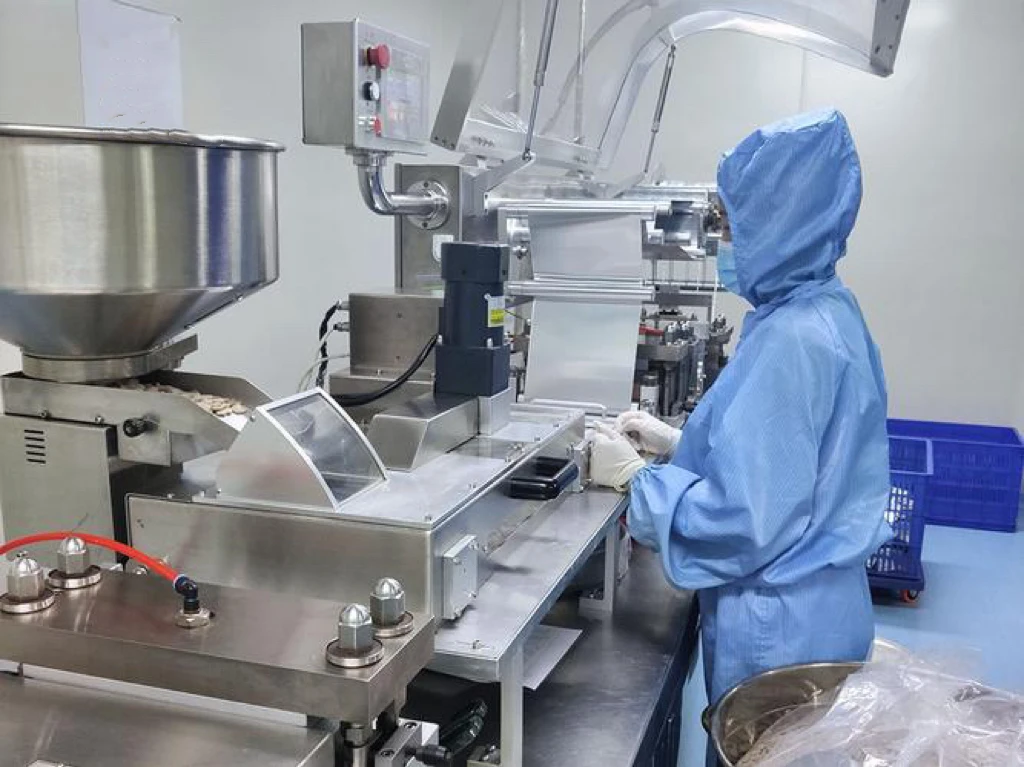
Performance & Engineering
The performance of small breed dog vitamins hinges on bioavailability – the proportion of the administered nutrient that reaches systemic circulation. Bioavailability is affected by factors such as ingredient solubility, gut absorption efficiency, and first-pass metabolism in the liver. Formulation engineering plays a vital role in optimizing bioavailability. For fat-soluble vitamins (A, D, E, K), incorporation into lipid-based carriers (e.g., medium-chain triglycerides) enhances absorption. Chelated minerals (e.g., zinc bisglycinate) exhibit superior bioavailability compared to inorganic salts. Environmental resistance is another critical engineering consideration. Exposure to light, heat, and oxygen can degrade vitamins. Packaging materials (e.g., amber-colored bottles, blister packs) provide protection against UV radiation and moisture. Compliance requirements stipulated by the Food and Drug Administration (FDA) in the United States, and analogous regulatory bodies globally, mandate accurate labeling, adherence to Good Manufacturing Practices (GMP), and safety testing. Functional implementation requires consideration of the dog’s digestive physiology. Smaller breeds often have faster gastrointestinal transit times, which may necessitate higher doses of certain nutrients or the use of sustained-release formulations to prolong absorption. Force analysis of tablet compression strength must align with the bite force of small breed dogs to ensure ease of consumption and prevent crumbling.
Technical Specifications
| Vitamin | Typical Dosage (Small Breed, Daily) | Unit | Bioavailability Enhancement Technique |
|---|---|---|---|
| Vitamin A | 150-300 | IU | Retinol Palmitate Encapsulation |
| Vitamin D3 | 10-20 | IU | Lipid-Based Carrier |
| Vitamin E | 5-10 | IU | Alpha-Tocopherol Acetate |
| Vitamin C | 50-100 | mg | Ascorbic Acid with Bioflavonoids |
| Taurine | 50-100 | mg | Free-Form Amino Acid |
| Zinc | 5-10 | mg | Zinc Bisglycinate Chelate |
Failure Mode & Maintenance
Failure modes in small breed dog vitamin products can manifest in several ways. Degradation of vitamins due to oxidation, hydrolysis, or photolysis is a primary concern, leading to reduced potency. This is often visually apparent through discoloration or changes in texture. Tablet crumbling or incomplete disintegration can occur due to insufficient binder content or improper granulation. Softgel capsule leaks can result from pinhole defects in the encapsulation film or improper sealing. Palatability issues, leading to refusal to consume the vitamins, are a frequent failure mode. Maintenance protocols involve storing vitamins in a cool, dry, dark place, preferably in their original packaging. Regular inspection of tablets/capsules for physical defects is essential. Discarding expired or damaged products is crucial. Preventative measures include using high-quality raw materials, implementing robust quality control procedures during manufacturing, and utilizing appropriate packaging materials. Oxidation can be mitigated through the addition of antioxidants like Vitamin E and rosemary extract to the formulation. Monitoring moisture content during storage is critical, and desiccants can be included in packaging to absorb excess moisture. Periodic potency testing can verify the continued efficacy of the product.
Industry FAQ
Q: What distinguishes small breed vitamin formulations from those intended for larger breeds?
A: Small breed dogs have a higher metabolic rate and shorter lifespans, requiring proportionally higher concentrations of certain nutrients per unit of body weight. They are also predisposed to specific health concerns like mitral valve disease and hypoglycemia, which necessitate targeted vitamin and mineral supplementation. Palatability is also more critical as small breeds can be picky eaters.
Q: How does encapsulation impact the bioavailability of fat-soluble vitamins?
A: Encapsulation, particularly within lipid-based carriers like medium-chain triglycerides, mimics the natural incorporation of fat-soluble vitamins into dietary fats, enhancing their absorption in the small intestine. Without encapsulation, these vitamins may not be effectively solubilized and absorbed.
Q: What are the implications of exceeding the recommended dosage of certain vitamins?
A: Hypervitaminosis, or vitamin toxicity, can occur with excessive doses, especially of fat-soluble vitamins A, D, E, and K. Symptoms can range from mild gastrointestinal upset to more severe consequences like liver damage or neurological dysfunction. Following recommended dosage guidelines is paramount.
Q: How important is the source and quality of raw materials used in vitamin formulations?
A: The source and quality of raw materials directly influence the potency, purity, and bioavailability of the final product. Reputable manufacturers utilize ingredients from certified suppliers with rigorous quality control systems to ensure the absence of contaminants and accurate vitamin levels.
Q: What role do antioxidants play in maintaining the integrity of vitamin formulations?
A: Antioxidants, such as Vitamin E and rosemary extract, protect vitamins from oxidative degradation, preserving their potency and extending their shelf life. Oxidation is a common cause of vitamin loss, particularly in products exposed to air, light, and heat.
Conclusion
Small breed dog vitamin formulations represent a specialized area within the broader pet nutrition landscape, demanding precise attention to material science, manufacturing processes, and bioavailability optimization. Addressing the unique physiological needs and health predispositions of smaller dog breeds requires careful consideration of nutrient ratios, encapsulation techniques, and palatability factors. Consistent quality control, adherence to regulatory standards, and proper storage conditions are essential for maintaining product efficacy and safety.
Future developments are likely to focus on personalized nutrition approaches, tailoring vitamin formulations to individual dog’s genetic predispositions and specific health requirements. Improved delivery systems, such as microencapsulation and sustained-release technologies, will further enhance bioavailability and minimize waste. Continued research into the optimal nutrient ratios for small breed dogs will refine existing formulations and address emerging health challenges.
Latest news
Copyright © 2026
Dingzhou Kangquan Pharmaceutical Co., Ltd. All Rights Reserved. Sitemap | Privacy
Policy


