
Nitroxinil Injection has become an essential tool for poultry producers facing the persistent challenge of parasitic infections in intensive farming systems. Fluke infestations, in particular, can significantly impact feed conversion rates, egg production, and overall flock health, making effective treatment protocols a critical component of modern poultry management.
The economic burden of untreated parasitic burdens extends beyond mortality — subclinical infections often lead to reduced weight gain, poorer feed efficiency, and increased susceptibility to secondary diseases. As poultry operations scale up across Asia, Africa, and South America, the need for reliable, science-backed parasitic control measures has never been more urgent.
Understanding Parasitic Challenges in Modern Poultry Operations
Poultry flocks are vulnerable to a range of internal parasites, with trematodes (flukes), nematodes (roundworms), and coccidia being the most economically significant. Among these, fluke infections caused by species such as Echinostoma and Prosthogonimus are particularly problematic in regions with wet, warm environments where intermediate hosts thrive. These parasites damage the intestinal lining and reproductive tract, leading to reduced egg production, poor shell quality, and increased mortality in severe cases.
Traditional control strategies have relied heavily on routine deworming schedules, but emerging resistance to certain anthelmintics is prompting producers to adopt more targeted approaches. Diagnostic monitoring — including fecal egg counts and post-mortem examinations — helps farms identify the specific parasite species present and tailor treatment protocols accordingly. This precision-based approach reduces the selective pressure for resistance while optimizing treatment outcomes.
Nutritional Support for Optimal Flock Performance
Parasitic infections do not occur in isolation — they interact with the nutritional status of the bird. A well-nourished flock with a robust immune system is better equipped to withstand parasitic challenges and recover more quickly after treatment. This is where targeted nutritional support becomes a cornerstone of preventive health management.
Key micronutrients such as vitamin B12, phosphorus, and amino acids play vital roles in erythropoiesis, energy metabolism, and tissue repair. Birds under parasitic stress often exhibit reduced feed intake and impaired nutrient absorption, creating a vicious cycle that compounds the negative effects of infection. Supplementing with metabolic support agents can help break this cycle. For instance, veterinarians increasingly recommend Butafosfan and Vitamin B12 Injection as part of post-treatment recovery protocols to restore energy balance and support liver function in convalescing birds.
Beyond direct supplementation, dietary strategies that enhance gut health — such as the inclusion of prebiotics, organic acids, and phytogenic feed additives — have gained traction as complementary measures. These approaches help maintain a resilient intestinal barrier and modulate the local immune response, reducing the overall susceptibility to parasitic colonization.
Building a Comprehensive Health Management Strategy
Effective poultry health management requires an integrated approach that combines strategic deworming, nutritional optimization, and rigorous biosecurity. No single intervention — whether pharmaceutical or nutritional — can compensate for deficiencies in the other areas. Producers who adopt a holistic view of flock health consistently achieve better productivity outcomes and lower long-term veterinary costs.
Biosecurity measures such as all-in/all-out stocking, proper litter management, and controlled access to poultry houses help reduce the environmental load of parasite eggs and oocysts. When combined with regular monitoring and targeted treatment, these practices create a multi-layered defense that minimizes the need for blanket medication.
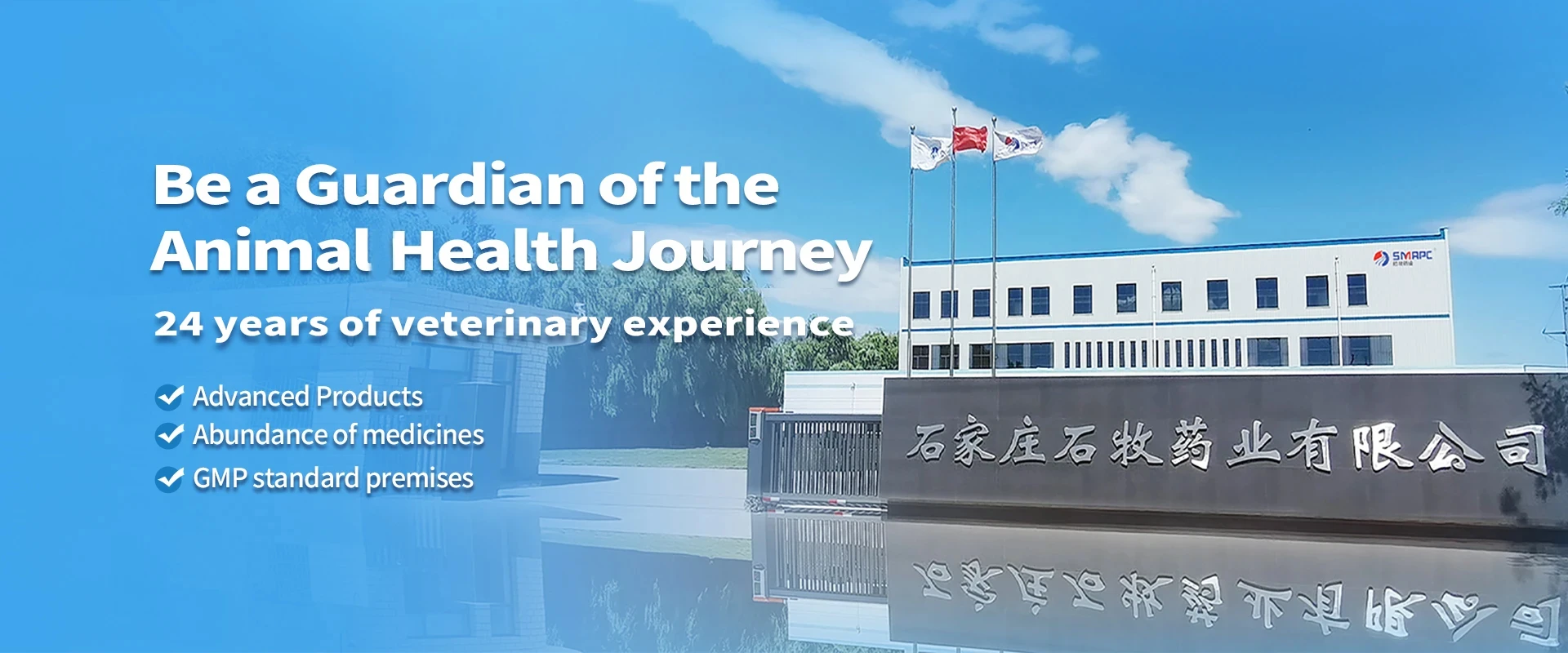
The role of reliable supply chain partners in this ecosystem cannot be overstated. Manufacturers that maintain rigorous quality standards — such as those with updated GMP certifications and ongoing research collaborations with agricultural universities — ensure that the veterinary pharmaceuticals reaching farms are consistent in potency, safety, and efficacy. Shimu Group, for example, has operated since 2001 with a focus on veterinary drug and feed additive production, serving over 50 countries across Southeast Asia, South America, the Middle East, and Africa. Their R&D partnerships with institutions like China Agricultural University and Hebei Agricultural University reflect a commitment to evidence-based product development that supports the global poultry industry.
Looking ahead, the poultry sector will continue to face pressure from evolving parasite populations, changing climate patterns, and tightening regulations on antibiotic and chemical use. The farms that thrive will be those that invest in knowledge — understanding the specific disease challenges in their region, monitoring flock health metrics systematically, and partnering with suppliers who prioritize quality and innovation. By integrating targeted parasitic control with robust nutritional support, producers can build resilient flocks that deliver consistent performance in an increasingly demanding market.
This article is for informational and educational purposes only. Always consult a licensed veterinarian for diagnosis and treatment recommendations specific to your flock.


