
Apr . 01, 2024 17:55 Back to list
sulfa drugs for poultry Performance Analysis

Introduction
Sulfonamide drugs, commonly referred to as sulfa drugs, represent a crucial class of chemotherapeutic agents widely employed in poultry production for the prevention and treatment of bacterial infections. These compounds function by competitively inhibiting the bacterial enzyme dihydropteroate synthase, effectively disrupting folic acid synthesis and hindering bacterial growth. Their position in the poultry industry chain is primarily preventative, mitigating economic losses stemming from disease outbreaks in broilers, layers, and turkeys. Core performance characteristics include broad-spectrum antibacterial activity, relatively low cost, and established efficacy against common poultry pathogens such as E. coli, Salmonella, and Pasteurella. However, increasing concerns regarding antimicrobial resistance necessitate judicious use and stringent monitoring of residue levels in poultry products. The efficacy of sulfa drugs is directly related to pharmacokinetic properties – absorption, distribution, metabolism, and excretion – which are significantly impacted by poultry species, age, and physiological state. Proper administration, dosage, and withdrawal periods are critical to ensure both therapeutic benefit and food safety.
Material Science & Manufacturing
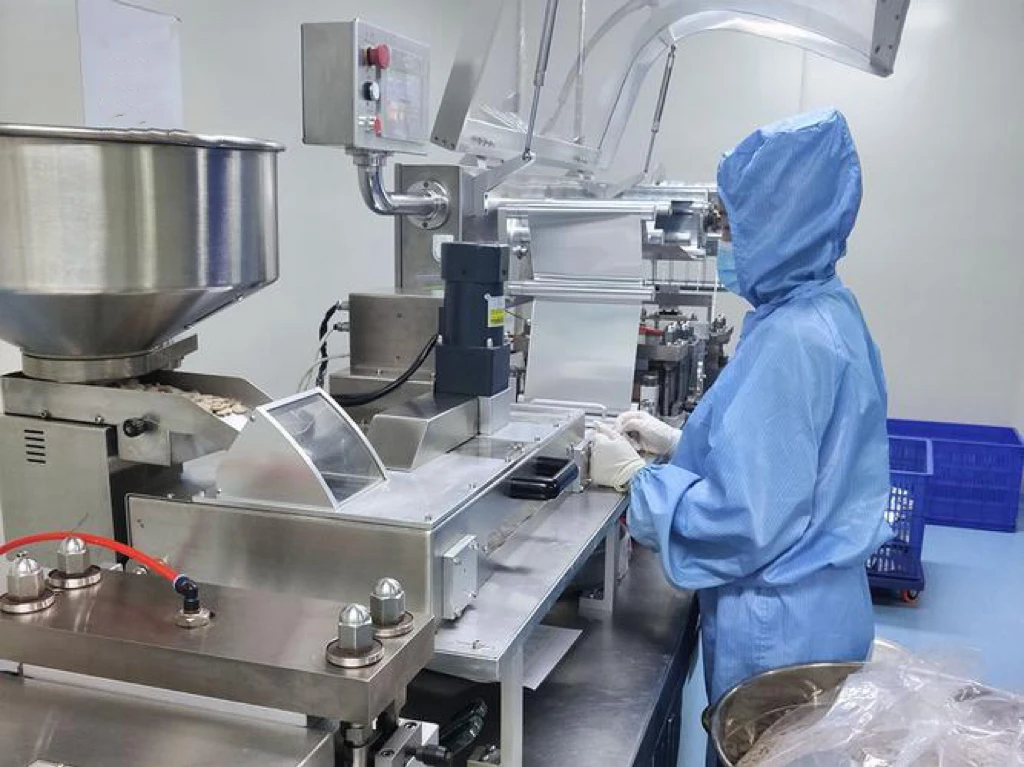
The manufacturing of sulfa drugs for poultry involves complex organic synthesis, typically beginning with sulfanilamide as a core building block. Raw materials include aniline, chlorosulfonic acid, and various substituted aromatic amines, requiring high purity levels to prevent unwanted by-products. The synthesis often involves multiple steps of sulfonation, amidation, and purification. Physical properties of finished sulfa drugs vary depending on the specific compound (sulfamethoxazole, sulfadiazine, sulfathiazole, etc.), but generally they exist as crystalline solids with limited solubility in water, impacting bioavailability. Particle size distribution is a critical manufacturing parameter, influencing dissolution rate and absorption. Microencapsulation techniques are increasingly used to improve drug stability, control release, and enhance palatability for poultry consumption. Quality control measures include High-Performance Liquid Chromatography (HPLC) to verify purity, spectroscopic analysis (IR, NMR) to confirm chemical structure, and microbiological testing to ensure sterility. Chemical compatibility with common poultry feed ingredients (corn, soybean meal, vitamins, minerals) is essential to prevent drug degradation or altered efficacy. Degradation pathways include hydrolysis and photolysis, necessitating protective packaging materials and appropriate storage conditions.
Performance & Engineering
The performance of sulfa drugs is fundamentally linked to their mechanism of action – the inhibition of dihydropteroate synthase. Force analysis, in this context, relates to the binding affinity of the sulfa drug molecule to the enzyme's active site, which is determined by the drug's molecular structure and charge distribution. Environmental resistance is a significant concern; temperature fluctuations and humidity during storage and feed mixing can lead to drug degradation. Resistance development in bacterial populations is a primary engineering challenge. Bacteria can acquire resistance genes through mutations, horizontal gene transfer (plasmids), and selective pressure from prolonged or sub-therapeutic drug exposure. Compliance requirements are stringent, dictated by regulatory bodies like the FDA and EFSA. Maximum Residue Limits (MRLs) are established for each sulfa drug in various poultry tissues (muscle, liver, eggs) to ensure food safety. Pharmacokinetic modeling is used to predict drug concentrations in target tissues and optimize dosage regimens. Bioavailability studies, evaluating the fraction of the administered dose that reaches systemic circulation, are crucial for assessing drug efficacy. Formulation engineering, including the use of excipients and delivery systems, plays a vital role in enhancing bioavailability and extending drug release.
Technical Specifications
| Sulfa Drug | Chemical Formula | Molecular Weight (g/mol) | Water Solubility (mg/mL) at 25°C |
|---|---|---|---|
| Sulfamethoxazole | C10H11N3O3S | 253.28 | 1.0 |
| Sulfadiazine | C10H10N4O2S | 250.28 | 0.8 |
| Sulfathiazole | C9H9N3O2S2 | 235.29 | 0.6 |
| Sulfachloropyridazine | C10H9ClN4O3S | 284.72 | 0.2 |
| Sulfadimethoxine | C11H13N5O3S | 299.34 | 0.5 |
| Sulfisoxazole | C10H11N3O3S | 253.28 | 1.2 |
Failure Mode & Maintenance
Failure modes associated with sulfa drug use in poultry are multifaceted. Bacterial resistance is the most prevalent failure, resulting from genetic mutations and selective pressure. This leads to treatment ineffectiveness and prolonged infection. Drug degradation, caused by exposure to heat, light, and moisture, reduces potency and therapeutic efficacy. Improper dosage or administration (e.g., insufficient drug concentration, inconsistent feed mixing) can lead to sub-therapeutic levels, promoting resistance development. Formulation failures, such as poor encapsulation or inadequate particle size distribution, can compromise bioavailability. Feed interactions, where certain feed components bind to the drug and reduce absorption, also contribute to failure. Maintenance involves implementing robust antimicrobial stewardship programs, including regular susceptibility testing to monitor resistance patterns. Proper storage conditions (cool, dry, dark) are crucial for preserving drug potency. Periodic quality control checks of feed mixes are essential to ensure accurate drug concentrations. Rotating different classes of antibiotics can help delay the emergence of resistance. Strict adherence to withdrawal periods before slaughter or egg collection is vital to prevent residue contamination. Finally, good biosecurity practices and hygiene management minimize the risk of infection and reduce the reliance on antimicrobial drugs.
Industry FAQ
Q: What are the primary mechanisms of sulfa drug resistance in common poultry pathogens?
A: The most common mechanisms include alterations in the dihydropteroate synthase (DHPS) enzyme, reducing drug binding affinity; increased production of PABA (para-aminobenzoic acid), the substrate DHPS normally utilizes, effectively outcompeting the sulfa drug; and efflux pumps that actively transport the drug out of the bacterial cell, lowering intracellular concentrations.
Q: How does feed composition affect the bioavailability of sulfa drugs in poultry?
A: Certain feed components, such as calcium and iron, can form insoluble complexes with sulfa drugs, reducing their absorption in the gastrointestinal tract. High fiber content can also interfere with drug absorption. Feed particle size and mixing uniformity are crucial factors; a coarse feed mix can lead to uneven drug distribution and inconsistent dosage.
Q: What are the current regulatory limits for sulfa drug residues in poultry products in the US and EU?
A: The FDA sets Maximum Residue Limits (MRLs) for sulfa drugs in poultry tissues and eggs, specified in Title 21 of the Code of Federal Regulations. The EU has established similar MRLs outlined in Regulation (EC) No 1881/2006. These limits vary depending on the specific sulfa drug and tissue type. Regular monitoring and testing are mandatory to ensure compliance.
Q: What strategies can be implemented to mitigate the development of antimicrobial resistance to sulfa drugs in poultry farming?
A: Implementing antimicrobial stewardship programs, optimizing dosage regimens based on pharmacokinetic/pharmacodynamic principles, improving biosecurity measures to reduce infection rates, using vaccines, employing alternative disease prevention strategies (probiotics, prebiotics), and rotating antibiotic classes are all effective strategies.
Q: What analytical methods are used to detect sulfa drug residues in poultry products?
A: High-Performance Liquid Chromatography coupled with Mass Spectrometry (HPLC-MS/MS) is the gold standard for detecting sulfa drug residues due to its high sensitivity and specificity. Enzyme-Linked Immunosorbent Assays (ELISAs) are also used for screening purposes, but generally have lower sensitivity.
Conclusion
Sulfa drugs remain a valuable therapeutic tool in poultry medicine, providing cost-effective control of numerous bacterial infections. However, their continued efficacy is increasingly threatened by the emergence of antimicrobial resistance. A comprehensive understanding of the material science behind their production, their performance characteristics, potential failure modes, and strict adherence to regulatory guidelines are crucial for responsible use. The industry must prioritize proactive measures – including antimicrobial stewardship, improved biosecurity, and the development of alternative preventative strategies – to preserve the effectiveness of these essential medications.
Future research should focus on developing novel sulfa drug formulations with enhanced bioavailability and reduced resistance potential. Exploration of synergistic combinations with other antimicrobial agents or immunomodulators could also prove beneficial. Furthermore, investment in rapid and accurate diagnostic tools for detecting resistance genes will facilitate targeted treatment strategies and minimize the inappropriate use of sulfa drugs. The long-term sustainability of poultry production relies on a commitment to responsible antimicrobial usage and a proactive approach to combating antimicrobial resistance.
Latest news
Copyright © 2026
Dingzhou Kangquan Pharmaceutical Co., Ltd. All Rights Reserved. Sitemap | Privacy
Policy


