
Apr . 01, 2024 17:55 Back to list
treatment for cough in chicken Manufacturing and Performance Analysis

Introduction
Avian respiratory disease manifesting as cough in chickens represents a significant economic burden in poultry production globally. This guide details current understandings of the etiology, pathology, diagnosis, and, crucially, treatment protocols for cough in chickens. While commonly perceived as a single ailment, “cough” encompasses a spectrum of conditions ranging from mild irritation to severe, life-threatening infections. This technical overview will categorize the common causative agents – bacterial, viral, parasitic, and environmental – and delineate appropriate treatment strategies based on accurate diagnosis. Understanding the physiological differences in avian respiratory systems, particularly in relation to airflow and gas exchange, is paramount to effective intervention. This document aims to provide a comprehensive, technically rigorous resource for poultry veterinarians, farm managers, and researchers involved in avian health management, moving beyond symptomatic relief to address the underlying causes of respiratory distress.
Material Science & Manufacturing
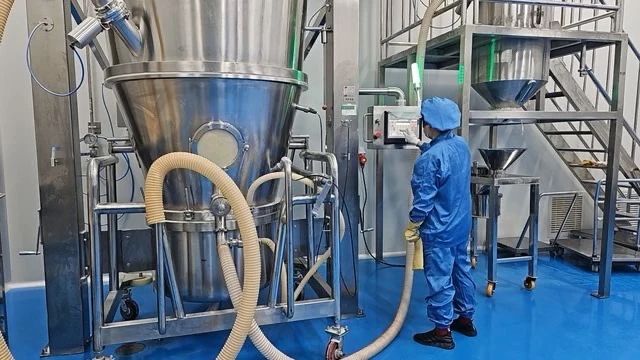
The manufacturing of pharmaceutical treatments for avian cough relies heavily on precise chemical synthesis and formulation science. Active Pharmaceutical Ingredients (APIs) like amoxicillin, doxycycline, and tylosin are produced through multi-step organic chemistry processes requiring stringent quality control at each stage. Raw material sourcing (fermentation broths for tylosin, synthetic precursors for semi-synthetic penicillins) necessitates verification of purity and absence of contaminants. Formulation involves the blending of APIs with excipients – carriers, diluents, stabilizers, and preservatives. Water for injection (WFI), meeting USP standards for pyrogenicity and bacterial endotoxins, is a critical component of injectable formulations. Solvent selection (propylene glycol, polyethylene glycol) in oral solutions impacts API solubility and bioavailability. Manufacturing processes include micronization (reducing particle size for improved absorption), granulation (improving flowability and compressibility for tablets), and sterilization (autoclaving for injectables, filtration for oral solutions). Quality control utilizes techniques like High-Performance Liquid Chromatography (HPLC) for API quantification, microbiological assays for sterility testing, and dissolution testing to assess drug release profiles. Packaging materials (glass vials, plastic bottles, blister packs) must be chemically inert, protecting the API from degradation due to light, oxygen, and moisture. The physical properties of the finished product – viscosity, pH, osmolality – are tightly controlled to ensure animal acceptability and efficacy.
Performance & Engineering
The efficacy of cough treatments in chickens is intrinsically linked to pharmacokinetics (PK) and pharmacodynamics (PD) – how the drug moves through the body and its effect on the target pathogen. Drug absorption is influenced by the route of administration (oral, injectable, in-water). Injectable routes typically provide higher bioavailability, bypassing first-pass metabolism in the liver. Distribution to the lungs, the primary site of infection, is critical; factors affecting distribution include blood flow, tissue permeability, and API lipophilicity. Metabolism and excretion determine the duration of drug action. Antibiotics, for example, must achieve and maintain therapeutic concentrations at the infection site. Engineering considerations include dosage regimen optimization (frequency and duration of treatment) based on PK/PD modeling. Resistance development is a significant concern; careful antibiotic stewardship is essential. Environmental factors (temperature, humidity, ventilation) impact the spread of pathogens and the chicken’s immune response, influencing treatment outcome. Furthermore, the interaction between the treatment and the chicken's immune system, including the modulation of cytokine responses, is a crucial aspect of performance evaluation. Statistical analysis of treatment efficacy, utilizing metrics like lesion scores, bacterial load reduction, and mortality rates, is vital for demonstrating product performance.
Technical Specifications
| API | Concentration (mg/mL) | Route of Administration | Withdrawal Period (Days) |
|---|---|---|---|
| Amoxicillin Trihydrate | 100 | Oral/Water | 7 |
| Doxycycline Hyclate | 50 | Oral/Water | 5 |
| Tylosin Tartrate | 50 | Oral/Water | 3 |
| Enrofloxacin | 10 | Injectable/Oral | 8 |
| Lincomycin Hydrochloride | 20 | Injectable/Oral | 7 |
| Sulfadimidine Sodium | 100 | Oral/Water | 5 |
Failure Mode & Maintenance
Treatment failures in avian cough can arise from several mechanisms. Antibiotic resistance, driven by selective pressure, is a primary concern. Incomplete treatment courses or suboptimal dosages can contribute to the development of resistance. Incorrect diagnosis, treating a viral infection with antibiotics, is another common failure mode. Biofilm formation by bacteria within the respiratory tract can shield pathogens from antibiotic action. Environmental factors – poor ventilation, high stocking density, dust – can exacerbate infection and hinder treatment efficacy. Furthermore, concurrent infections (e.g., Mycoplasma co-infection) can complicate treatment. Prophylactic maintenance involves biosecurity measures (strict hygiene protocols, quarantine procedures), vaccination programs, and optimizing environmental conditions. Regular monitoring of flock health, including respiratory scoring and microbiological testing, allows for early detection of outbreaks. Rotation of antibiotic classes helps to mitigate resistance development. Post-treatment monitoring ensures complete resolution of the infection and prevents recurrence. Equipment maintenance – proper cleaning and disinfection of water lines and ventilation systems – is crucial for minimizing pathogen load.
Industry FAQ
Q: What is the primary difference between treating Mycoplasma gallisepticum and Infectious Bronchitis induced coughs?
A: Mycoplasma gallisepticum (MG) typically presents with a persistent, moist cough and respiratory distress, often accompanied by airsacculitis. It responds to macrolide antibiotics (e.g., tylosin) and tetracyclines (e.g., doxycycline). Infectious Bronchitis (IB), a viral infection, initially causes sneezing and watery eyes progressing to a dry cough. Antibiotics are ineffective against IB; treatment focuses on supportive care (bronchodilators, vitamins) and prevention through vaccination. Accurate diagnosis via PCR is critical for appropriate treatment selection.
Q: How does water quality impact the efficacy of in-water medication?
A: Water quality significantly affects drug stability and bioavailability. High levels of organic matter, minerals (iron, calcium), and pH imbalances can degrade APIs. Biofilm formation within water lines can reduce drug concentration reaching the birds. Chlorine residuals can inactivate some antibiotics. Water should be regularly tested and treated to ensure optimal pH, mineral content, and cleanliness before medication is added.
Q: What are the potential consequences of using excessively high doses of antibiotics?
A: While aiming for therapeutic concentrations is crucial, excessively high doses can lead to adverse effects, including gut dysbiosis, immunosuppression, and increased risk of antibiotic resistance. Furthermore, residue accumulation in tissues can exceed permissible levels, posing a food safety risk. Dose optimization based on PK/PD principles is essential.
Q: What role does ventilation play in preventing and controlling respiratory disease outbreaks?
A: Adequate ventilation is paramount. It removes ammonia, dust, and airborne pathogens, maintaining optimal air quality. Proper ventilation ensures adequate oxygen levels and reduces stress on the birds' respiratory systems. Negative pressure ventilation is often employed to prevent the spread of pathogens between houses. Monitoring ventilation rates and adjusting based on environmental conditions is essential.
Q: How important is a definitive diagnosis before initiating treatment?
A: A definitive diagnosis is absolutely critical. Treating based solely on symptoms can lead to inappropriate antibiotic use, promote resistance, and delay effective treatment. Diagnostic tools include tracheal swabs for bacterial culture and PCR, serological testing for viral antibodies, and necropsy with histopathology. A thorough diagnostic workup is essential for informed treatment decisions.
Conclusion
Effective treatment of cough in chickens necessitates a comprehensive understanding of the underlying etiology, encompassing bacterial, viral, and environmental factors. Pharmacokinetic and pharmacodynamic principles dictate appropriate dosage regimens and routes of administration, while diligent monitoring and biosecurity measures are paramount for preventing recurrence and mitigating antimicrobial resistance. The precision required in manufacturing pharmaceuticals for avian use demands strict adherence to quality control standards and rigorous analytical testing to ensure product efficacy and safety.
The future of avian respiratory health management lies in a holistic approach, integrating preventative strategies like vaccination and improved biosecurity with judicious antibiotic use guided by accurate diagnostics and PK/PD modeling. Continued research into novel therapeutic targets and alternative treatment modalities will be critical for addressing the evolving challenges posed by emerging pathogens and antimicrobial resistance, ultimately safeguarding poultry production and ensuring global food security.
Latest news
Copyright © 2026
Dingzhou Kangquan Pharmaceutical Co., Ltd. All Rights Reserved. Sitemap | Privacy
Policy


