2695018275@qq.com
+86
13780513619
- Afrikaans
- Albanian
- Amharic
- Arabic
- Armenian
- Azerbaijani
- Basque
- Belarusian
- Bengali
- Bosnian
- Bulgarian
- Catalan
- Cebuano
- Corsican
- Croatian
- Czech
- Danish
- Dutch
- English
- Esperanto
- Estonian
- Finnish
- French
- Frisian
- Galician
- Georgian
- German
- Greek
- Gujarati
- Haitian Creole
- hausa
- hawaiian
- Hebrew
- Hindi
- Miao
- Hungarian
- Icelandic
- igbo
- Indonesian
- irish
- Italian
- Japanese
- Javanese
- Kannada
- kazakh
- Khmer
- Rwandese
- Korean
- Kurdish
- Kyrgyz
- Lao
- Latin
- Latvian
- Lithuanian
- Luxembourgish
- Macedonian
- Malgashi
- Malay
- Malayalam
- Maltese
- Maori
- Marathi
- Mongolian
- Myanmar
- Nepali
- Norwegian
- Norwegian
- Occitan
- Pashto
- Persian
- Polish
- Portuguese
- Punjabi
- Romanian
- Russian
- Samoan
- Scottish Gaelic
- Serbian
- Sesotho
- Shona
- Sindhi
- Sinhala
- Slovak
- Slovenian
- Somali
- Spanish
- Sundanese
- Swahili
- Swedish
- Tagalog
- Tajik
- Tamil
- Tatar
- Telugu
- Thai
- Turkish
- Turkmen
- Ukrainian
- Urdu
- Uighur
- Uzbek
- Vietnamese
- Welsh
- Bantu
- Yiddish
- Yoruba
- Zulu
Apr . 01, 2024 17:55 Back to list
vegan dog multivitamin Performance Analysis
Introduction
Vegan dog multivitamins represent a specialized subset within the broader canine dietary supplement market, formulated to address the unique nutritional needs of dogs following plant-based diets, or those with sensitivities to animal-derived ingredients. Positioned within the animal health and nutrition supply chain, these products bridge the gap between complete vegan dog food formulations and optimal physiological function. Core performance characteristics focus on delivering essential vitamins, minerals, amino acids, and potentially phytonutrients often underrepresented or absent in solely plant-based diets. The increasing adoption of vegan and vegetarian lifestyles by pet owners is driving demand for these specialized formulations. A key challenge in this sector is bioavailability of nutrients from plant sources, requiring careful formulation and processing to ensure effective absorption and utilization by the canine digestive system. Regulatory oversight falls primarily under the purview of veterinary medicine and food safety standards.
Material Science & Manufacturing
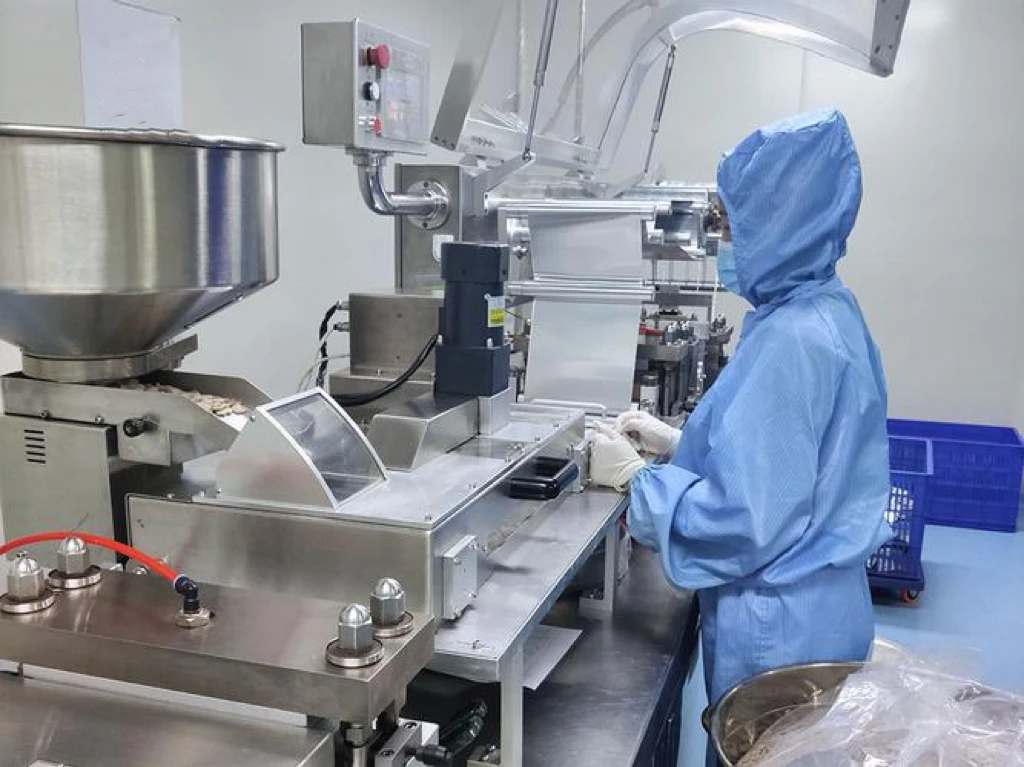
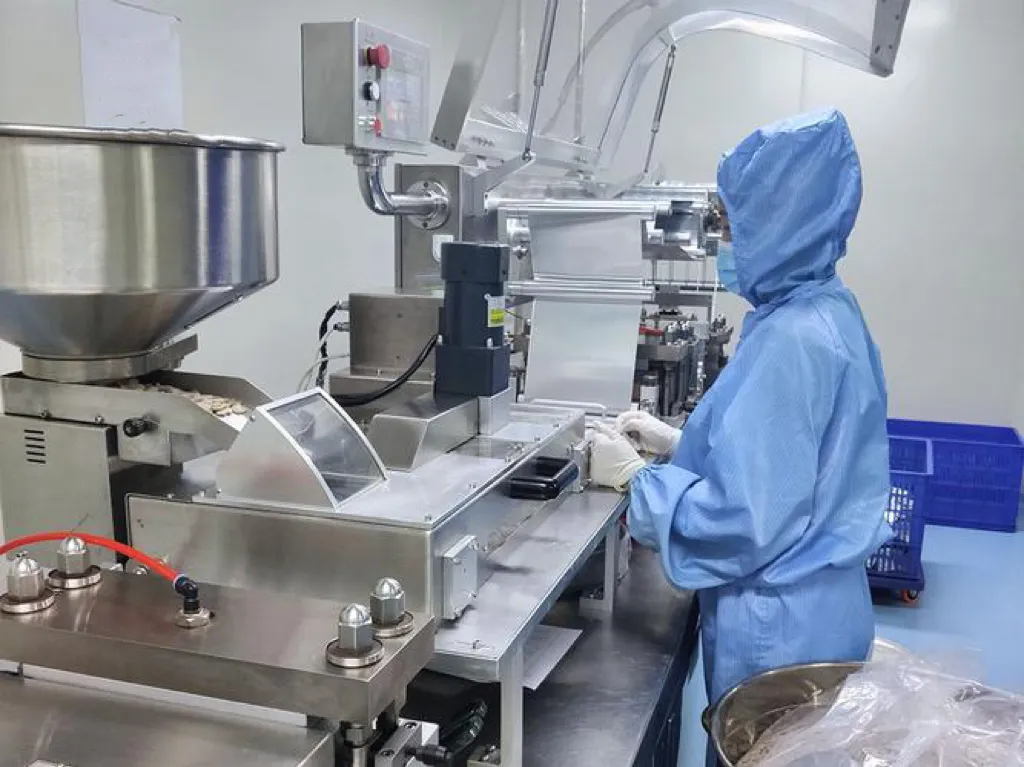
The production of vegan dog multivitamins necessitates a thorough understanding of plant-based nutrient sources and their inherent properties. Key raw materials include vitamin precursors (e.g., beta-carotene for Vitamin A), mineral chelates (for improved absorption of iron, zinc, copper), amino acid complexes, and plant-derived oils rich in omega-3 and omega-6 fatty acids. The physical properties of these materials – particle size, density, hygroscopicity – significantly impact processability. Manufacturing typically involves several stages: raw material sourcing and quality control, micronization and homogenization of powders, blending of active ingredients with excipients (e.g., cellulose, vegetable gums, starches acting as binders and fillers), granulation (wet or dry granulation to improve flowability), tableting or encapsulation, coating (for palatability and stability), and packaging. Critical process parameters include mixing speed and time (ensuring homogenous distribution of nutrients), compression force during tableting (affecting tablet hardness and disintegration rate), coating thickness (impacts moisture protection and controlled release), and environmental control (temperature and humidity to prevent degradation of sensitive vitamins). Chemical compatibility between ingredients is paramount, avoiding reactions that could reduce efficacy or create harmful compounds. For example, certain minerals can interact with phytates present in plant-based materials, reducing their bioavailability. Addressing this requires chelation or enzymatic treatment during processing.
Performance & Engineering
The performance of vegan dog multivitamins is fundamentally linked to nutrient bioavailability and metabolic utilization. Force analysis, particularly related to tablet or capsule disintegration and dissolution rates, is critical. Tablets must disintegrate sufficiently rapidly within the canine gastrointestinal tract to release active ingredients. Dissolution testing, conducted in vitro using simulated gastric and intestinal fluids, assesses the rate and extent of nutrient release. Environmental resistance is a key engineering consideration. Vitamins are susceptible to degradation by light, oxygen, and moisture. Packaging materials must provide adequate barrier protection. Furthermore, the multivitamin formulation should maintain its stability across a range of temperatures and humidity levels encountered during storage and transportation. Compliance requirements include adherence to veterinary pharmaceutical regulations (depending on the specific ingredients and claims made), and labeling standards established by organizations like AAFCO (Association of American Feed Control Officials). Functional implementation relies on proper dosage formulation, tailored to the dog’s age, weight, breed, activity level, and dietary composition. Bioavailability enhancement strategies, such as microencapsulation or liposomal delivery, are increasingly employed to improve nutrient absorption.
Technical Specifications
| Vitamin A (IU/kg) | Vitamin D3 (IU/kg) | Vitamin E (IU/kg) | Vitamin C (mg/kg) |
|---|---|---|---|
| 10,000 | 1,000 | 500 | 200 |
| Vitamin B1 (Thiamin) (mg/kg) | Vitamin B2 (Riboflavin) (mg/kg) | Vitamin B6 (Pyridoxine) (mg/kg) | Vitamin B12 (Cyanocobalamin) (µg/kg) |
| 50 | 25 | 15 | 500 |
| Calcium (mg/kg) | Phosphorus (mg/kg) | Magnesium (mg/kg) | Potassium (mg/kg) |
| 100,000 | 80,000 | 10,000 | 50,000 |
| Zinc (mg/kg) | Iron (mg/kg) | Copper (mg/kg) | Manganese (mg/kg) |
| 80 | 50 | 10 | 20 |
Failure Mode & Maintenance
Failure modes in vegan dog multivitamins can range from physical degradation to loss of potency. Common issues include tablet crumbling or disintegration before consumption (due to insufficient binder or excessive moisture), capsule softening or sticking (related to improper coating or storage conditions), and vitamin degradation (oxidation of Vitamin E, loss of Vitamin C due to light exposure). A significant failure mode is reduced bioavailability stemming from ingredient interactions or poor formulation design. For example, phytic acid in plant-based ingredients can chelate essential minerals, rendering them unavailable for absorption. Oxidation of omega-3 fatty acids can lead to rancidity and reduced nutritional value. Maintenance strategies focus on proper storage (cool, dry, dark place), airtight packaging, and adherence to expiration dates. Monitoring for physical changes (color change, odor) can indicate degradation. To mitigate bioavailability issues, manufacturers employ chelation techniques, utilize coated or microencapsulated nutrients, and incorporate bioavailability enhancers like piperine (from black pepper). Regular quality control testing, including HPLC analysis to verify vitamin content and peroxide value assessment to detect oxidation, is crucial. Consumer education regarding proper storage and administration is also vital.
Industry FAQ
Q: What are the key differences between synthetic and plant-derived vitamins in a vegan dog multivitamin, and how does this impact absorption?
A: Synthetic vitamins are produced through chemical processes, while plant-derived vitamins are extracted directly from plant sources. While chemically identical, the accompanying cofactors and naturally occurring compounds in plant-derived vitamins can enhance absorption and utilization. Synthetic vitamins are often more concentrated and cost-effective, but may lack the bioavailability benefits of their natural counterparts. Absorption can vary based on the specific vitamin and the dog’s digestive health. Formulation techniques like chelation and liposomal encapsulation can improve the absorption of both synthetic and plant-derived vitamins.
Q: How do you address the issue of bioavailability of minerals in a vegan formula, considering the presence of phytates?
A: Phytates, naturally present in plant-based ingredients, can bind to minerals like zinc, iron, and calcium, reducing their absorption. We mitigate this through several strategies: utilizing phytase enzymes during manufacturing to break down phytates, employing mineral chelates (where minerals are bound to amino acids, increasing their solubility and absorption), and carefully selecting plant ingredients with lower phytate content. Adequate Vitamin C inclusion also enhances iron absorption.
Q: What types of coating are used on vegan multivitamins, and what is their purpose?
A: We primarily utilize vegetable-based coatings (hydroxypropyl methylcellulose - HPMC) to protect the vitamins from moisture, light, and oxygen, thereby extending shelf life and preserving potency. Coatings can also be used to mask unpleasant tastes, improve palatability, and enable controlled-release formulations, allowing for a gradual release of nutrients over time. Enteric coatings can protect sensitive vitamins from degradation in the stomach’s acidic environment.
Q: What quality control measures are in place to ensure the consistency and potency of your vegan multivitamins?
A: We implement a rigorous quality control program throughout the entire manufacturing process. This includes raw material testing for purity and potency, in-process quality checks during blending and granulation, finished product testing using High-Performance Liquid Chromatography (HPLC) to verify vitamin content, and microbial testing to ensure safety. We adhere to Good Manufacturing Practices (GMP) and conduct regular stability studies to confirm product shelf life.
Q: Can these multivitamins be combined with other supplements, such as omega-3 fatty acid supplements? Are there any potential interactions?
A: While generally safe to combine with other supplements, it's crucial to avoid exceeding recommended daily intakes. Potential interactions are minimal, but it’s advisable to consult with a veterinarian before combining high doses of fat-soluble vitamins (A, D, E, K) with omega-3 supplements, as both can affect fat metabolism. Ensure that the combined dosage of any given nutrient doesn't exceed tolerable upper intake levels for dogs.
Conclusion
Vegan dog multivitamins represent a sophisticated response to the evolving needs of a growing segment of the pet food market. Successful formulation hinges on a deep understanding of plant-based nutrient sources, bioavailability considerations, and robust manufacturing processes that ensure stability and potency. Addressing challenges associated with nutrient absorption, particularly those related to phytate interference and vitamin degradation, requires innovative approaches like chelation, microencapsulation, and optimized coating technologies.
Looking forward, further research into species-specific nutrient requirements for vegan dogs, alongside advancements in delivery systems, will drive continued improvement in the efficacy and accessibility of these crucial supplements. Continued adherence to rigorous quality control standards and transparent ingredient sourcing remains paramount to building consumer trust and solidifying the position of vegan multivitamins as a cornerstone of canine health for dogs on plant-based diets.
Latest news
Copyright © 2026
Dingzhou Kangquan Pharmaceutical Co., Ltd. All Rights Reserved. Sitemap | Privacy
Policy


