
Apr . 01, 2024 17:55 Back to list
vet prescription drugs Manufacturing Specifications
Introduction
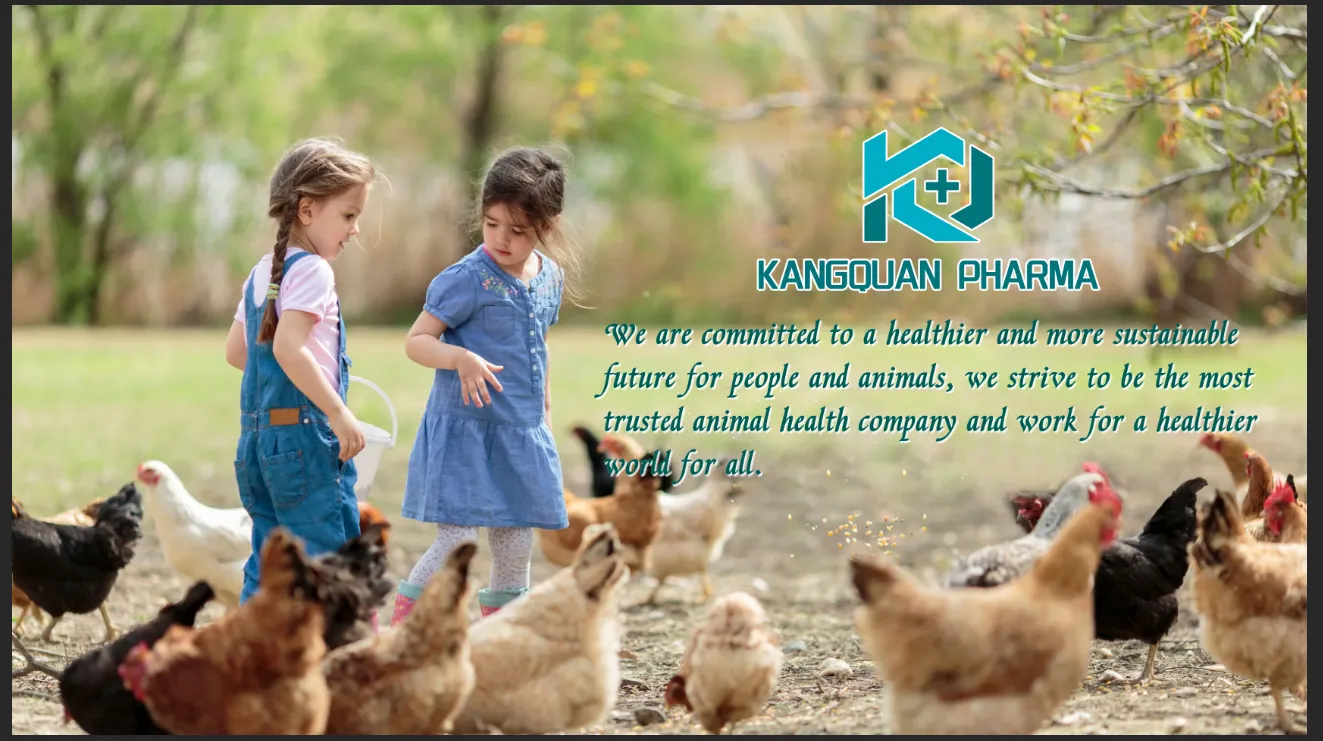
Veterinary prescription drugs represent a critical component of modern animal healthcare, encompassing a wide spectrum of pharmacological agents utilized for the diagnosis, treatment, and prevention of disease in various animal species. These drugs, unlike over-the-counter medications, require a licensed veterinarian’s authorization due to their potential for adverse effects, drug interactions, and the necessity for accurate diagnosis prior to administration. The industry chain involves complex processes from active pharmaceutical ingredient (API) synthesis, formulation development, manufacturing under strict Good Manufacturing Practices (GMP), quality control testing, distribution, and ultimately, dispensing through veterinary practices. Core performance metrics for veterinary prescription drugs focus on bioavailability, efficacy against target pathogens or disease states, safety profiles relating to species-specific metabolism, and stability during storage and transport. A primary industry pain point is ensuring accurate dosage and administration tailored to the species, weight, and physiological condition of the animal, coupled with combating antimicrobial resistance through responsible drug usage and stewardship.
Material Science & Manufacturing
The manufacturing of veterinary prescription drugs relies heavily on advancements in pharmaceutical chemistry and materials science. APIs are synthesized through complex organic reactions, demanding high purity and consistent crystalline form. Excipients – inactive ingredients – play a crucial role in drug formulation, influencing solubility, stability, and bioavailability. Common excipients include microcrystalline cellulose, lactose, starch, and various polymers. Manufacturing processes vary depending on the dosage form. Tablets are produced through granulation, compression, and coating. Liquid formulations involve precise mixing and homogenization. Injectable drugs require sterile filtration and aseptic filling. Key parameter control includes precise temperature and humidity regulation during granulation to ensure uniform particle size, compression force monitoring to achieve desired tablet hardness, and stringent control of pH during liquid formulation to maintain drug stability. For sustained-release formulations, polymer selection (e.g., Eudragit polymers) and coating thickness are critical. The materials used in packaging, such as high-density polyethylene (HDPE) and polypropylene (PP) must demonstrate compatibility with the drug substance and provide adequate barrier properties to moisture and oxygen. Chemical compatibility studies are routinely performed to ensure that no leaching of packaging components occurs into the drug product. Contamination control is paramount, utilizing HEPA filters and rigorous cleaning validation protocols.
Performance & Engineering
Performance evaluation of veterinary prescription drugs necessitates a multifaceted engineering approach. Bioavailability studies – measuring the extent and rate of drug absorption – are conducted to optimize formulation design. Pharmacokinetic (PK) and Pharmacodynamic (PD) modeling helps to determine appropriate dosing regimens and predict drug concentrations in target tissues. Environmental resistance testing assesses drug stability under various temperature, humidity, and light exposure conditions, ensuring shelf-life validity. Compliance requirements are stringent, adhering to guidelines set forth by regulatory bodies like the FDA (USA), EMA (Europe), and various national veterinary authorities. The engineering of drug delivery systems, such as long-acting injectables or topical applications, requires a detailed understanding of tissue permeability, drug diffusion rates, and potential for local irritation. Force analysis is vital in the design of autoinjectors used for large animal medication, ensuring accurate and reliable dose delivery. Stability studies are conducted according to ICH guidelines, monitoring drug degradation products over time and establishing retest periods. Material selection for containment systems (syringes, vials) must prevent drug-container interactions and ensure compatibility with sterilization processes. Formulation buffering capacity and pH control are engineered to maintain drug solubility and minimize precipitation.
Technical Specifications
| Drug Substance | Assay (Purity) | Molecular Weight (g/mol) | Solubility (mg/mL) in Water |
|---|---|---|---|
| Amoxicillin Trihydrate | ≥ 95.0% (HPLC) | 365.40 | 50 |
| Enrofloxacin | ≥ 98.0% (HPLC) | 358.38 | 0.1 |
| Prednisolone | ≥ 97.0% (HPLC) | 358.43 | 0.02 |
| Ivermectin | ≥ 99.0% (HPLC) | 875.8 | <0.001 |
| Meloxicam | ≥ 99.5% (HPLC) | 355.36 | 0.05 |
| Cefalexin Monohydrate | ≥ 90.0% (HPLC) | 348.38 | 20 |
Failure Mode & Maintenance
Failure modes in veterinary prescription drugs can arise from various sources. Degradation of the API due to exposure to light, heat, or moisture is a common issue, leading to reduced potency. Tablet capping or lamination can occur during manufacturing due to insufficient binder or improper compression. Suspension instability, resulting in settling or caking, affects drug uniformity. For injectable drugs, particulate matter contamination and pyrogenicity pose significant risks. Failure of packaging (e.g., cracked vials, leaking containers) compromises drug sterility and stability. In the field, incorrect dosage calculation by the veterinarian or owner, inappropriate administration technique, and adverse drug reactions contribute to treatment failures. Maintenance strategies include strict adherence to GMP during manufacturing, robust quality control testing (including stability testing), appropriate packaging selection, clear labeling instructions, and veterinarian education on proper drug usage and potential adverse effects. Storage recommendations – specifying temperature and light protection – must be clearly communicated. Post-market surveillance is crucial for identifying and addressing emerging safety concerns and product defects. Regular equipment calibration and validation of cleaning procedures minimize the risk of contamination. Proper disposal protocols for expired or unused medication are essential to prevent environmental contamination and accidental ingestion.
Industry FAQ
Q: What are the critical differences in formulation considerations between drugs intended for large animals versus small animals?
A: Formulation for large animals often requires higher drug concentrations and larger volume administration, necessitating consideration of injection site tolerance and potential for tissue irritation. Viscosity and injectability are critical parameters. Conversely, small animal formulations prioritize palatability and ease of administration (e.g., flavored liquids, chewable tablets). Bioavailability differences due to gastrointestinal physiology also dictate formulation approaches. Excipient selection must account for species-specific sensitivities.
Q: How do you address the challenge of ensuring consistent drug delivery with long-acting injectable formulations?
A: Consistent drug delivery with long-acting injectables is achieved through careful control of microparticle size, polymer degradation rate, and drug loading. Formulation design prioritizes sustained release profiles, minimizing initial burst release and ensuring a prolonged therapeutic effect. Sterilization processes must not compromise the integrity of the microparticle structure. Extensive in-vitro and in-vivo release studies are essential for validation.
Q: What analytical techniques are used to verify the sterility of veterinary injectable drugs?
A: Sterility testing is conducted according to USP <71> or EP 2.6.1 guidelines. This involves incubating samples in growth media and monitoring for microbial growth. Membrane filtration is commonly used to remove particulate matter before incubation. Aseptic processing and terminal sterilization (e.g., autoclaving, filtration) are crucial control measures. Endotoxin testing (using the Limulus Amebocyte Lysate – LAL assay) ensures the absence of pyrogens.
Q: How are drug interactions addressed in veterinary medicine, given the potential for co-administration of multiple medications?
A: Drug interaction assessments are performed during formulation development and clinical trials. Pharmacokinetic studies evaluate the effects of co-administration on drug absorption, distribution, metabolism, and excretion. Veterinarians are provided with comprehensive drug information leaflets detailing potential interactions. Database resources and software tools are utilized to identify potential contraindications.
Q: What role does packaging play in maintaining the stability and integrity of veterinary prescription drugs?
A: Packaging is critical for protecting drugs from environmental factors like light, moisture, and oxygen. Barrier properties of packaging materials are carefully selected to prevent drug degradation. Containers must be compatible with the drug substance and not leach harmful substances. Child-resistant closures and tamper-evident seals enhance safety. Labeling provides essential information on storage conditions and expiration dates.
Conclusion
Veterinary prescription drug development and manufacturing necessitate a rigorous, science-based approach encompassing materials science, pharmaceutical engineering, and stringent quality control. The complexities involved in ensuring drug efficacy, safety, and stability, tailored to diverse animal species and physiological conditions, demand a thorough understanding of pharmacokinetic and pharmacodynamic principles. Addressing industry pain points, such as accurate dosage determination and combating antimicrobial resistance, requires ongoing innovation in formulation design, drug delivery systems, and responsible drug stewardship programs.
Future advancements in veterinary pharmaceutical technology will likely focus on personalized medicine approaches, utilizing genetic markers to optimize drug selection and dosing. Nanotechnology-based drug delivery systems will enhance targeted drug delivery and reduce systemic side effects. Continued development of novel antibiotics and alternative therapies is crucial to address the growing threat of antimicrobial resistance. The integration of digital technologies, such as electronic health records and remote monitoring devices, will facilitate improved medication adherence and patient outcomes.
Latest news
Copyright © 2026
Dingzhou Kangquan Pharmaceutical Co., Ltd. All Rights Reserved. Sitemap | Privacy
Policy


