2695018275@qq.com
+86
13780513619
- Afrikaans
- Albanian
- Amharic
- Arabic
- Armenian
- Azerbaijani
- Basque
- Belarusian
- Bengali
- Bosnian
- Bulgarian
- Catalan
- Cebuano
- Corsican
- Croatian
- Czech
- Danish
- Dutch
- English
- Esperanto
- Estonian
- Finnish
- French
- Frisian
- Galician
- Georgian
- German
- Greek
- Gujarati
- Haitian Creole
- hausa
- hawaiian
- Hebrew
- Hindi
- Miao
- Hungarian
- Icelandic
- igbo
- Indonesian
- irish
- Italian
- Japanese
- Javanese
- Kannada
- kazakh
- Khmer
- Rwandese
- Korean
- Kurdish
- Kyrgyz
- Lao
- Latin
- Latvian
- Lithuanian
- Luxembourgish
- Macedonian
- Malgashi
- Malay
- Malayalam
- Maltese
- Maori
- Marathi
- Mongolian
- Myanmar
- Nepali
- Norwegian
- Norwegian
- Occitan
- Pashto
- Persian
- Polish
- Portuguese
- Punjabi
- Romanian
- Russian
- Samoan
- Scottish Gaelic
- Serbian
- Sesotho
- Shona
- Sindhi
- Sinhala
- Slovak
- Slovenian
- Somali
- Spanish
- Sundanese
- Swahili
- Swedish
- Tagalog
- Tajik
- Tamil
- Tatar
- Telugu
- Thai
- Turkish
- Turkmen
- Ukrainian
- Urdu
- Uighur
- Uzbek
- Vietnamese
- Welsh
- Bantu
- Yiddish
- Yoruba
- Zulu
Apr . 01, 2024 17:55 Back to list
vet recommended multivitamin for dogs Material Science and Manufacturing
Introduction
Vet-recommended multivitamins for dogs represent a critical component of preventative healthcare, particularly as canine nutritional needs evolve with age, breed, and activity level. These formulations are not simply dietary supplements; they are precisely engineered blends of vitamins, minerals, and often, specialized compounds intended to address specific physiological demands and mitigate deficiencies. Unlike basic dog food, which provides macronutrients, multivitamins focus on micronutrient provision, acting as a safeguard against imbalances that can lead to a range of health issues. This guide details the material science, manufacturing processes, performance characteristics, potential failure modes, and industry standards governing these essential products, offering an in-depth technical analysis for procurement professionals and veterinary technicians. The increasing prevalence of processed dog foods, while convenient, can sometimes lack optimal micronutrient bioavailability, necessitating supplementation to ensure complete and balanced nutrition. This necessitates careful consideration of ingredient sourcing, manufacturing quality control, and formulation efficacy.
Material Science & Manufacturing
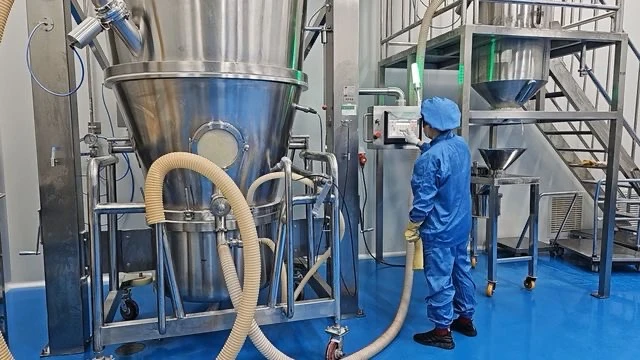
The core of any effective multivitamin lies in the bioavailability and stability of its constituent ingredients. Vitamins are categorized as either fat-soluble (A, D, E, K) or water-soluble (B-complex, C). Fat-soluble vitamins require a lipid matrix for absorption, often provided by oils like fish oil or flaxseed oil. Water-soluble vitamins are more readily absorbed but are also more easily excreted, requiring frequent replenishment. Mineral sources vary widely, ranging from inorganic salts (e.g., calcium carbonate, ferrous sulfate) to organic chelates (e.g., magnesium bisglycinate). Chelates demonstrate superior bioavailability due to their enhanced stability and ability to mimic natural nutrient transport mechanisms. Manufacturing processes typically involve precise blending of micronized powders, followed by encapsulation or compression into tablets, chewables, or liquid formulations. Encapsulation, using materials like gelatin or hydroxypropyl methylcellulose (HPMC), protects sensitive vitamins (e.g., Vitamin C) from oxidation and degradation. Tablet compression requires careful control of pressure and excipient ratios to ensure hardness, friability, and disintegration time meet pharmaceutical standards. Quality control measures include High-Performance Liquid Chromatography (HPLC) and Mass Spectrometry (MS) to verify ingredient identity and potency, as well as microbial testing to ensure product safety. The sourcing of raw materials is critical; ingredients must comply with United States Pharmacopeia (USP) standards for purity and potency. Furthermore, the presence of potentially harmful contaminants, such as heavy metals, must be rigorously monitored.

Performance & Engineering
The performance of a multivitamin is dictated by its bioavailability, which describes the proportion of the administered nutrient that reaches systemic circulation. Bioavailability is influenced by several factors including the chemical form of the nutrient, the presence of other dietary components, and the dog’s individual physiological characteristics (e.g., gut health, age). Engineering considerations focus on optimizing delivery mechanisms to maximize absorption. For example, lipid-based formulations enhance the absorption of fat-soluble vitamins, while enteric coatings protect water-soluble vitamins from degradation in the acidic environment of the stomach. The stability of the formulation is also paramount. Exposure to oxygen, light, and moisture can lead to vitamin degradation, reducing potency and efficacy. Packaging materials play a crucial role in mitigating these effects; amber-colored bottles and airtight seals are commonly used. Force analysis relates to the physical integrity of the dosage form. Tablets must possess sufficient hardness to withstand handling and shipping without crumbling, but also disintegrate rapidly in the gastrointestinal tract to release the active ingredients. Environmental resistance pertains to the product's ability to maintain its potency under varying temperature and humidity conditions. Storage guidelines should be clearly indicated on the label to ensure optimal product performance. Veterinary recommendations emphasize tailoring multivitamin formulations to specific needs, such as supporting joint health (glucosamine, chondroitin), promoting skin and coat health (omega-3 and omega-6 fatty acids), or bolstering the immune system (Vitamin C, Vitamin E).
Technical Specifications
| Vitamin | Minimum Potency (per dose) | Form | Bioavailability (relative to standard form) |
|---|---|---|---|
| Vitamin A | 500 IU | Retinyl Palmitate | 85% |
| Vitamin D3 | 100 IU | Cholecalciferol | 95% |
| Vitamin E | 30 IU | Alpha-Tocopheryl Acetate | 70% |
| Vitamin C | 100 mg | Ascorbic Acid (coated) | 60% |
| B-Complex (Total) | 5 mg | Mix of Thiamin, Riboflavin, Niacin, etc. | Variable |
| Zinc | 5 mg | Zinc Bisglycinate Chelate | 90% |
Failure Mode & Maintenance
Several failure modes can compromise the efficacy of vet-recommended multivitamin products. Oxidation of fat-soluble vitamins (A, D, E, K) is a primary concern, leading to reduced potency. This is accelerated by exposure to air, light, and heat. Hydrolysis, the breakdown of vitamins due to reaction with water, can also occur, particularly in liquid formulations. Physical degradation, such as tablet crumbling or capsule softening, can affect dosage accuracy. Microbial contamination, although rare with proper manufacturing controls, can render the product unsafe. Regarding maintenance, proper storage is crucial. Products should be stored in a cool, dry place, away from direct sunlight, and in tightly sealed containers. The expiration date should be strictly adhered to, as vitamin potency declines over time. Visual inspection for discoloration, odor changes, or physical defects should be performed before administration. If any of these signs are observed, the product should be discarded. Furthermore, ensuring the product remains out of reach of pets is vital to prevent accidental overconsumption. Monitoring the dog’s response to supplementation (e.g., improved coat condition, increased energy levels) can provide feedback on the product’s effectiveness. Periodic veterinary check-ups are also recommended to assess the dog’s overall nutritional status and adjust supplementation as needed.
Industry FAQ
Q: What differentiates a veterinary-recommended multivitamin from over-the-counter options?
A: Veterinary-recommended multivitamins undergo more rigorous testing and quality control processes, adhering to pharmaceutical standards. They often contain higher concentrations of specific nutrients tailored to canine needs, and formulations are developed in consultation with veterinary nutritionists. Over-the-counter products may have less consistent ingredient quality and bioavailability.
Q: How does chelated mineral absorption compare to inorganic mineral salts?
A: Chelated minerals, such as zinc bisglycinate, form a complex with amino acids, enhancing their stability and mimicking natural nutrient transport mechanisms in the gut. This results in significantly higher bioavailability compared to inorganic salts like zinc sulfate or zinc oxide, meaning more of the mineral is absorbed and utilized by the body.
Q: What role does encapsulation play in vitamin stability?
A: Encapsulation protects sensitive vitamins, particularly Vitamin C and certain B vitamins, from degradation caused by oxidation, light, and moisture. Gelatin or HPMC capsules create a barrier, preserving the vitamin’s potency until it reaches the gastrointestinal tract. Enteric coatings further protect vitamins from stomach acid, ensuring optimal absorption in the small intestine.
Q: What are the implications of using different forms of Vitamin A (e.g., Retinyl Palmitate vs. Beta-Carotene)?
A: Retinyl Palmitate is a preformed vitamin A that is directly utilized by the body. Beta-Carotene is a provitamin A, meaning it must be converted to retinol by the body. While Beta-Carotene offers antioxidant benefits, the conversion rate varies, and some dogs may have limited ability to convert it efficiently. Retinyl Palmitate provides a more consistent and predictable source of Vitamin A.
Q: How does the manufacturing process impact the disintegration time of a compressed tablet?
A: Disintegration time is critically dependent on the compression force, excipient selection (e.g., binders, disintegrants), and particle size of the ingredients. Higher compression force leads to a harder tablet but can also increase disintegration time. Disintegrants are added to facilitate the breakdown of the tablet in the gastrointestinal fluid, releasing the active ingredients. Proper control of these parameters ensures rapid and complete disintegration for optimal absorption.
Conclusion
Vet-recommended multivitamins for dogs represent a sophisticated intersection of nutritional science, material science, and pharmaceutical engineering. Their efficacy hinges upon the bioavailability of constituent ingredients, the integrity of the manufacturing process, and the stability of the final formulation. Careful consideration of these factors is paramount for ensuring that these products deliver the intended health benefits, supporting optimal canine well-being. Procurement decisions should prioritize suppliers with demonstrated commitment to quality control, ingredient traceability, and adherence to stringent industry standards.
Looking forward, advancements in encapsulation technologies and personalized nutrition will likely drive further innovation in this field. Nanotechnology-based delivery systems and formulations tailored to specific breed, age, and health status will become increasingly prevalent, optimizing nutrient absorption and maximizing therapeutic impact. Continued research into the complex interplay between diet, gut microbiome, and overall health will be essential for developing even more effective and targeted multivitamin solutions.
Latest news
Copyright © 2026
Dingzhou Kangquan Pharmaceutical Co., Ltd. All Rights Reserved. Sitemap | Privacy
Policy


