
Apr . 01, 2024 17:55 Back to list
Veterinary Drugs list of veterinary drugs and their uses pdf Formulation Analysis
Introduction
Veterinary pharmaceuticals represent a critical component of modern animal healthcare, encompassing a broad spectrum of therapeutic agents utilized in the diagnosis, treatment, and prevention of diseases in various animal species. This technical guide focuses on the principles underpinning veterinary drug formulation, administration, pharmacokinetics, and efficacy, adhering to stringent regulatory standards and best practices. The market for veterinary drugs is segmented by animal type (livestock, companion animals), drug type (antibiotics, parasiticides, vaccines, analgesics), and route of administration (oral, injectable, topical). A key challenge within the industry lies in balancing drug efficacy with minimizing residue levels in animal products intended for human consumption, necessitating precise dosage control and withdrawal periods. This guide provides an in-depth analysis of the critical parameters governing the selection, use, and management of veterinary drugs, aligning with global regulatory requirements for animal health and food safety.
Material Science & Manufacturing
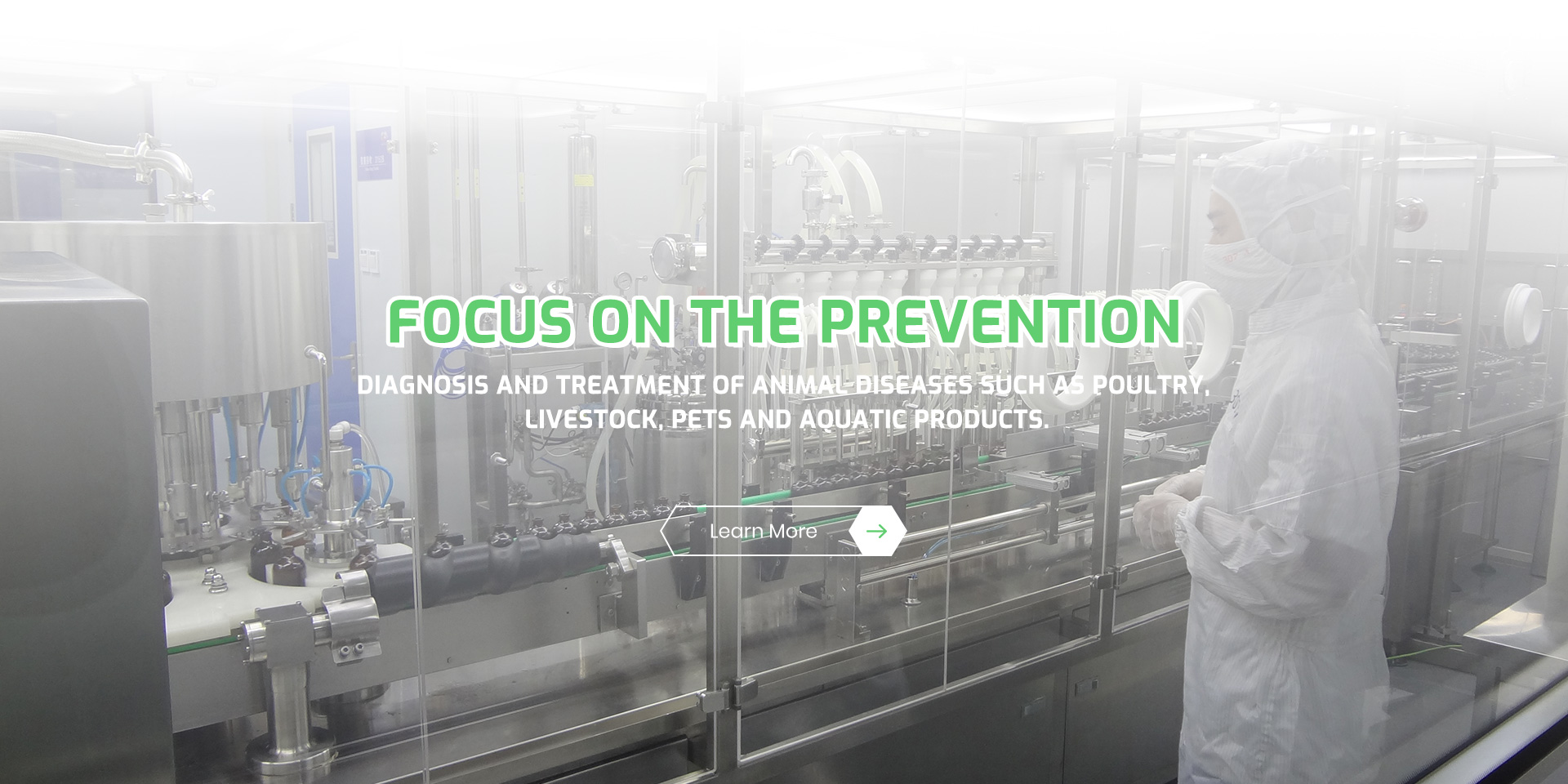
The manufacturing of veterinary drugs hinges on the precise control of raw material properties and adherence to Good Manufacturing Practices (GMP). Active Pharmaceutical Ingredients (APIs) are typically synthesized through complex chemical processes, requiring meticulous quality control to ensure purity and potency. Excipients, such as binders, diluents, and disintegrants, are selected based on their compatibility with the API and their influence on drug release characteristics. For injectable formulations, the selection of appropriate solvents (water for injection, saline) and pH adjusters is crucial to maintain drug stability and minimize irritation at the injection site. Solid dosage forms (tablets, capsules) involve processes like granulation, compression, and coating, where parameters like particle size distribution, compression force, and coating thickness directly impact dissolution rate and bioavailability. The manufacturing of biologicals (vaccines, antibodies) is particularly complex, involving cell culture, purification, and sterilization techniques. Ensuring sterility and maintaining the biological activity of the product necessitate specialized equipment and rigorous process validation. Material compatibility is paramount; container-closure systems must prevent drug degradation due to interactions with packaging components. Common materials include glass vials, rubber stoppers, and polymeric films – all of which undergo stringent leachables and extractables testing.
Performance & Engineering
The performance of veterinary drugs is dictated by pharmacokinetic (PK) and pharmacodynamic (PD) principles. PK describes the drug's absorption, distribution, metabolism, and excretion (ADME) within the animal body, while PD defines the drug's effect on the target organism or disease process. Dosage regimens are engineered to achieve therapeutic drug concentrations at the site of action while minimizing systemic toxicity. Environmental factors, such as temperature and humidity, can significantly influence drug stability and efficacy. For parasiticides, resistance development is a major concern, demanding innovative formulation strategies (e.g., combination therapies) to overcome resistance mechanisms. The engineering of controlled-release formulations (e.g., microencapsulation, osmotic pumps) allows for prolonged drug release, reducing dosing frequency and improving patient compliance. Force analysis is crucial in the design of auto-injectors and other drug delivery devices, ensuring accurate dosage delivery and ease of use. Compliance with regulations like the FDA’s Center for Veterinary Medicine (CVM) guidelines is non-negotiable, requiring extensive documentation and validation of all manufacturing and testing processes. Furthermore, ensuring appropriate withdrawal times based on the drug’s residue profile in edible tissues is critical for food safety.
Technical Specifications
| Drug Class | Active Ingredient | Typical Concentration/Dosage | Route of Administration |
|---|---|---|---|
| Antibiotic | Amoxicillin | 200-400 mg/kg body weight | Oral, Injectable |
| Parasiticides | Ivermectin | 0.2 mg/kg body weight | Oral, Topical, Injectable |
| Anti-inflammatory | Meloxicam | 0.1 mg/kg body weight | Oral, Injectable |
| Analgesic | Buprenorphine | 0.02-0.05 mg/kg body weight | Oral, Injectable |
| Vaccine | Canine Distemper Virus | Variable, per manufacturer's instructions | Subcutaneous, Intramuscular |
| Antifungal | Ketoconazole | 5-10 mg/kg body weight | Oral, Topical |
Failure Mode & Maintenance
Failure modes in veterinary drug products can arise from various sources. For sterile injectable formulations, particulate contamination or loss of sterility represent critical failure points. Degradation of the API due to improper storage conditions (temperature, light exposure) can reduce drug potency. For solid dosage forms, tablet cracking or capsule disintegration can lead to inconsistent drug delivery. Biologicals are particularly susceptible to degradation due to temperature fluctuations or shear stress. Common failure analysis techniques include HPLC for API quantification, microbial limit testing for sterility verification, and particle size analysis for assessing formulation uniformity. Maintenance of product integrity requires strict adherence to storage guidelines provided by the manufacturer. Regular monitoring of temperature and humidity within storage facilities is essential. For biologicals, maintaining the cold chain throughout the distribution process is paramount. Furthermore, proper disposal of expired or unused medications is crucial to prevent environmental contamination and misuse. Routine quality control testing, including assay and impurity profiling, is necessary to ensure ongoing product quality and adherence to specifications. Periodic stability studies are essential to determine shelf life and identify potential degradation pathways.
Industry FAQ
Q: What are the key considerations when selecting an excipient for a veterinary injectable formulation?
A: Excipient selection hinges on compatibility with the API, solubility, pH adjustment capabilities, and non-toxicity. The excipient should not react with the API or the container closure system, and it must maintain the drug's stability and solubility at the intended pH. Biocompatibility is also paramount to minimize injection site reactions.
Q: How does drug resistance develop in parasites, and what strategies can be employed to mitigate it?
A: Drug resistance arises from genetic mutations in the parasite population that reduce drug binding affinity or enhance drug efflux. Strategies to mitigate resistance include rotating drug classes, using combination therapies, and implementing targeted delivery systems. Careful monitoring of resistance patterns within a population is also critical.
Q: What is the significance of withdrawal times for veterinary drugs used in food-producing animals?
A: Withdrawal times are established to ensure that residue levels in edible tissues (meat, milk, eggs) remain below established Maximum Residue Limits (MRLs) deemed safe for human consumption. Strict adherence to withdrawal times is essential to protect public health and maintain consumer confidence.
Q: What are the critical quality attributes (CQAs) that need to be monitored during the manufacturing of veterinary vaccines?
A: CQAs for vaccines include potency, sterility, purity, and stability. Potency is assessed through in vivo or in vitro assays, while sterility is verified through microbial limit testing. Purity assessments involve quantifying impurities and ensuring the absence of adventitious agents. Stability studies determine shelf life and identify potential degradation pathways.
Q: How do environmental factors influence the stability of veterinary pharmaceuticals?
A: Temperature, humidity, light exposure, and oxygen can all impact drug stability. Elevated temperatures accelerate degradation rates, while humidity can promote hydrolysis. Light can induce photodecomposition, and oxygen can cause oxidation. Proper packaging and storage conditions are crucial to minimize these effects.
Conclusion
The effective and safe application of veterinary pharmaceuticals requires a comprehensive understanding of material science, manufacturing processes, pharmacokinetic/pharmacodynamic principles, and regulatory guidelines. Maintaining product integrity throughout the supply chain, from API synthesis to administration, is paramount. Continuous monitoring of drug resistance patterns and implementing proactive mitigation strategies are crucial for preserving the efficacy of existing therapies.
Future trends in veterinary drug development are focused on personalized medicine, targeted drug delivery systems, and the development of novel therapies to address emerging infectious diseases and resistance challenges. Adherence to the highest quality standards, coupled with ongoing research and innovation, will ensure the continued advancement of animal healthcare and public health protection.
Latest news
Copyright © 2026
Dingzhou Kangquan Pharmaceutical Co., Ltd. All Rights Reserved. Sitemap | Privacy
Policy


