
Apr . 01, 2024 17:55 Back to list
Veterinary Medicine for Chickens Performance Analysis
Introduction
Veterinary medicine for chickens, encompassing preventative care, diagnostics, and therapeutics, represents a critical component of modern poultry production and avian health management. Its technical position within the agricultural supply chain is multifaceted, ranging from biosecurity protocols implemented at the farm level to sophisticated pharmaceutical formulations and diagnostic assays. Core performance metrics center around flock health, measured by morbidity and mortality rates, feed conversion ratios, and egg production efficiency, all directly impacted by effective veterinary intervention. The industry faces persistent challenges including emerging infectious diseases (avian influenza, Newcastle disease), antimicrobial resistance, and the increasing demand for sustainable and welfare-focused poultry farming practices. This guide provides an in-depth exploration of the materials, manufacturing, performance, and maintenance considerations essential to understanding and optimizing veterinary medicinal interventions in chickens. The focus will be on the formulation, delivery, and efficacy of commonly used medications and preventative treatments, alongside a detailed examination of potential failure modes and best practice maintenance of poultry health programs.
Material Science & Manufacturing
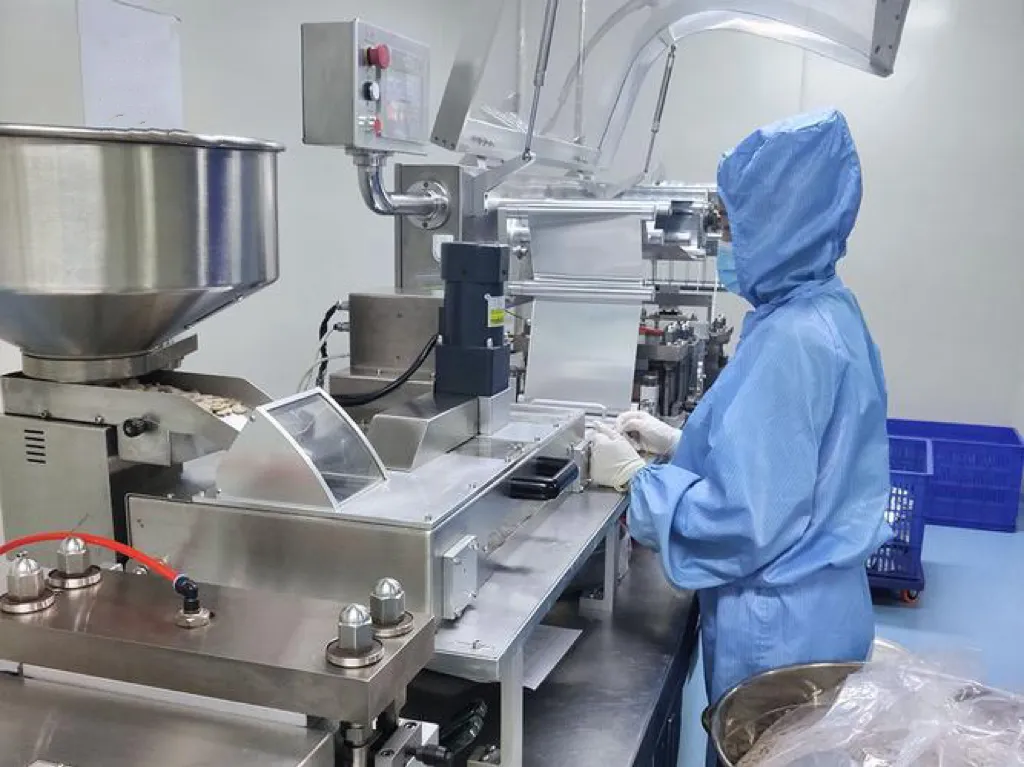
The core materials employed in veterinary medicine for chickens span a diverse range, including active pharmaceutical ingredients (APIs), excipients, and packaging materials. APIs vary considerably based on therapeutic target – antibiotics (tetracyclines, macrolides), coccidiostats (amprolium, monensin), anthelmintics (ivermectin, fenbendazole), and vaccines (live attenuated, inactivated, subunit). Excipients, vital for formulation, include diluents (lactose, microcrystalline cellulose), binders (polyvinylpyrrolidone), disintegrants (croscarmellose sodium), lubricants (magnesium stearate), and preservatives (benzoic acid, parabens). Manufacturing processes depend on the dosage form. Powdered medications utilize milling, blending, and granulation techniques, often employing fluid bed or high-shear mixers. Liquid formulations involve dissolution, filtration, and sterilization. Injectable solutions require precise compounding, sterilization via autoclaving or filtration, and aseptic filling. Vaccine production entails cell culture, viral propagation, inactivation/attenuation, and formulation with adjuvants (aluminum hydroxide, oil emulsions). Key parameter control focuses on API purity (HPLC analysis), particle size distribution (laser diffraction), moisture content (Karl Fischer titration), and sterility assurance (compendial testing per USP/EP). Chemical compatibility assessments are critical to prevent drug degradation or interaction with packaging materials (HDPE, LDPE, glass). Packaging materials must exhibit barrier properties to oxygen, moisture, and light, maintaining drug stability throughout shelf life. The manufacturing of feed additives, particularly those delivering medications, involves precise mixing and homogenization to ensure uniform distribution within the feed matrix.
Performance & Engineering
Performance analysis of veterinary medications focuses on pharmacokinetic (PK) and pharmacodynamic (PD) properties. PK studies evaluate absorption, distribution, metabolism, and excretion (ADME) of the API in chickens, crucial for determining appropriate dosage regimens. Factors influencing absorption include gut motility, feed composition, and the physicochemical properties of the drug. Distribution is impacted by blood flow, protein binding, and tissue permeability. Metabolism, primarily in the liver, generates metabolites with varying activities. Excretion occurs via feces, urine, and eggs. PD studies assess the relationship between drug concentration and therapeutic effect. Force analysis is relevant to injection needle design, optimizing insertion force and minimizing tissue trauma. Environmental resistance considerations include temperature and humidity stability during storage and transport. Compliance requirements are stringent, adhering to Good Manufacturing Practices (GMP) and regulations set by agencies like the FDA-CVM (USA) and EMA (Europe). Functional implementation details encompass drug delivery systems – oral administration (drinking water, feed), subcutaneous/intramuscular injection, and spray application. Bioavailability is a key engineering parameter, maximizing the proportion of the administered dose reaching systemic circulation. Residue monitoring programs are essential to ensure compliance with withdrawal periods, preventing contamination of poultry products with drug residues. The engineering of vaccine delivery systems, such as needle-free injectors, is also a growing area of focus.
Technical Specifications
| API Purity (HPLC, %) | Moisture Content (Karl Fischer, %) | Particle Size (D90, µm) | Sterility Assurance Level (SAL) |
|---|---|---|---|
| ≥98.0 | ≤2.0 | ≤100 | 10-6 |
| ≥95.0 | ≤3.0 | ≤150 | 10-5 |
| ≥97.0 | ≤1.5 | ≤80 | 10-6 |
| ≥96.0 | ≤2.5 | ≤120 | 10-5 |
| ≥99.0 | ≤0.5 | ≤50 | 10-7 |
| ≥94.0 | ≤4.0 | ≤200 | 10-5 |
Failure Mode & Maintenance
Failure modes in veterinary medicine for chickens are diverse. Degradation of APIs due to improper storage (temperature, humidity) can reduce efficacy. Physical instability, such as sedimentation or caking in liquid formulations, hinders accurate dosing. Microbial contamination compromises sterility, leading to infection. Injection site reactions (inflammation, abscesses) result from improper technique or product quality issues. Antimicrobial resistance develops with overuse or misuse of antibiotics. Vaccine failures can occur due to inadequate storage, improper administration, or viral mutations. Delamination of packaging materials can leach contaminants into the drug product. Oxidation of sensitive APIs leads to loss of potency. Maintenance strategies include strict adherence to storage conditions (temperature, humidity), regular inspection for physical instability, implementation of robust quality control procedures, proper training of personnel in injection techniques, responsible antibiotic stewardship programs, and adherence to vaccine handling protocols. Preventative maintenance of equipment (autoclaves, mixers, filling machines) is crucial to ensure reliable operation. Regular monitoring of residue levels in poultry products is essential for maintaining compliance and consumer safety. Effective biosecurity protocols within poultry farms minimize the risk of infection and reduce the need for medication, preventing the selection for antimicrobial resistance.
Industry FAQ
Q: What are the critical considerations for ensuring the stability of heat-sensitive vaccines during transport and storage?
A: Maintaining the cold chain is paramount. This requires validated insulated packaging with appropriate refrigerant materials (ice packs, dry ice) and continuous temperature monitoring throughout the transport process. Storage facilities must be equipped with calibrated refrigerators and freezers with temperature alarms. Regularly monitoring and documenting temperatures is crucial, alongside adherence to the manufacturer's recommended storage temperature range. Batch records should include temperature excursion data and corrective actions taken.
Q: How do you mitigate the risk of antibiotic resistance developing in poultry flocks?
A: A comprehensive antibiotic stewardship program is essential. This includes restricting antibiotic use to therapeutic indications only, avoiding prophylactic use whenever possible, utilizing narrow-spectrum antibiotics when appropriate, monitoring antibiotic usage patterns, and implementing biosecurity measures to prevent disease outbreaks. Regular susceptibility testing helps guide antibiotic selection and identify emerging resistance patterns. Vaccination strategies can reduce the need for antibiotics.
Q: What quality control tests are essential for ensuring the potency of liquid antibiotic formulations?
A: Essential tests include API assay (HPLC), sterility testing, pH measurement, viscosity determination, and particulate matter analysis. Stability studies under accelerated conditions (temperature, humidity) are crucial to determine shelf life. Bioassays may be used to assess biological activity. Regular calibration of analytical instruments and adherence to validated analytical methods are vital.
Q: What are the key challenges in formulating medications for administration via drinking water?
A: Poor palatability, limited solubility, and potential for precipitation are major challenges. The medication must be highly soluble and stable in the water source. Palatability enhancers may be necessary to ensure adequate consumption. Water quality (pH, mineral content) can influence drug stability. Accurate dosing relies on consistent water consumption, which can vary.
Q: How is the effectiveness of a coccidiostat treatment monitored in a poultry flock?
A: Monitoring involves assessing fecal oocyst counts, lesion scores (necropsy examination of the intestines), and growth performance (weight gain, feed conversion ratio). A reduction in oocyst shedding, decreased lesion severity, and improved growth performance indicate effective treatment. Regular monitoring helps identify potential resistance development and adjust treatment strategies accordingly.
Conclusion
Veterinary medicine for chickens is a complex field demanding a robust understanding of material science, manufacturing processes, performance characteristics, and potential failure modes. The efficacy and safety of poultry health interventions are intrinsically linked to stringent quality control, adherence to regulatory standards, and a commitment to responsible medication use. Proper formulation, storage, and administration are critical for maximizing therapeutic outcomes while minimizing the risk of adverse effects and antimicrobial resistance.
Future advancements will likely focus on developing novel drug delivery systems, improving vaccine efficacy, and implementing precision medicine approaches tailored to individual flock needs. Enhanced diagnostic tools, coupled with data analytics, will enable more proactive disease management and preventative healthcare strategies. Continued research into alternative therapies, such as probiotics and prebiotics, offers promising avenues for reducing reliance on conventional antibiotics and promoting sustainable poultry production.
Latest news
Copyright © 2026
Dingzhou Kangquan Pharmaceutical Co., Ltd. All Rights Reserved. Sitemap | Privacy
Policy


