
Apr . 01, 2024 17:55 Back to list
vitaboost tablets for dogs Manufacturing and Performance Analysis
Introduction
Vitaboost tablets for dogs represent a significant advancement in canine nutritional supplementation. Positioned within the veterinary pharmaceutical and pet health supplement industry, these tablets are formulated to address common deficiencies in canine diets and support overall health and wellbeing. Unlike simple vitamin supplements, Vitaboost utilizes a multi-faceted approach incorporating essential vitamins, minerals, amino acids, and antioxidants designed for optimal bioavailability and efficacy. Core performance characteristics include enhanced immune function, improved skin and coat health, increased energy levels, and support for cognitive function. The product is typically administered orally, with dosage determined by the dog’s weight and specific health needs. A critical point of differentiation lies in the precise formulation designed to mitigate common issues of palatability and absorption encountered with other canine supplements. The prevalence of processed dog foods often lacks sufficient micronutrients, driving the demand for targeted supplementation like Vitaboost to maintain optimal canine physiological function.
Material Science & Manufacturing
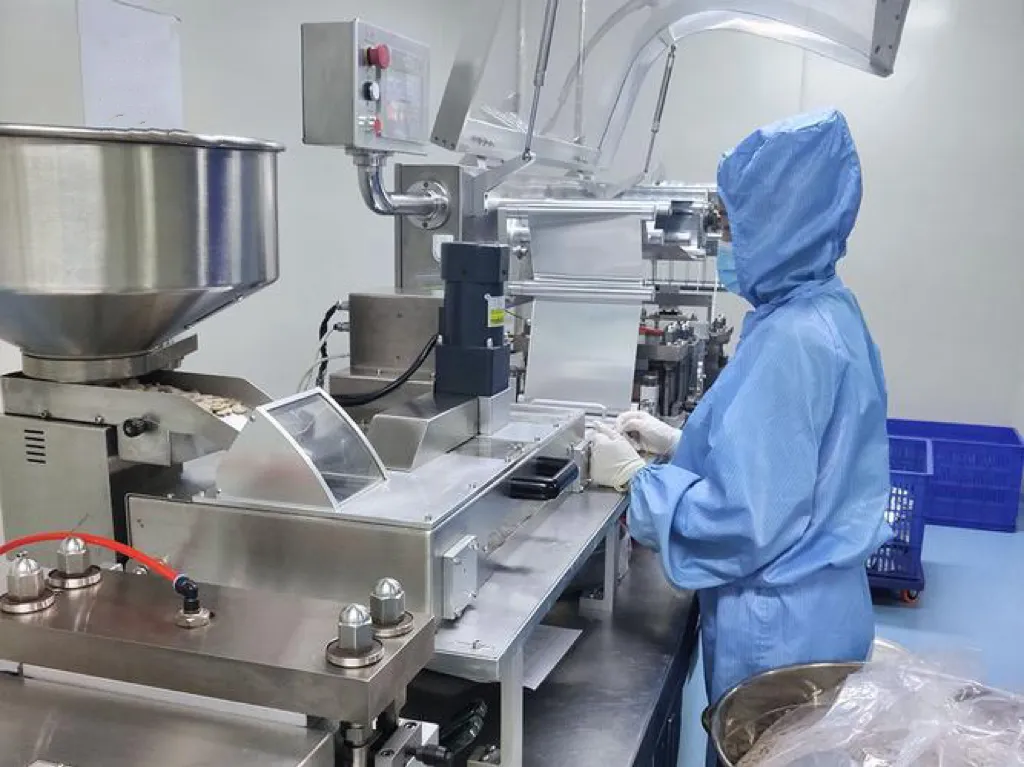
The manufacturing of Vitaboost tablets involves a complex interplay of material science and pharmaceutical engineering principles. The primary active pharmaceutical ingredients (APIs) consist of Vitamin A (retinyl acetate), Vitamin D3 (cholecalciferol), Vitamin E (alpha-tocopherol), Vitamin C (ascorbic acid), B-complex vitamins (thiamine, riboflavin, niacin, pantothenic acid, pyridoxine, biotin, folic acid, cyanocobalamin), essential minerals (calcium phosphate, magnesium oxide, zinc sulfate, copper sulfate, manganese sulfate, potassium iodide), amino acids (L-lysine, L-methionine), and antioxidants (selenium yeast, tocopherols). These components are sourced based on stringent purity and quality control standards, often adhering to USP (United States Pharmacopeia) or EP (European Pharmacopoeia) guidelines. The excipients, critical for tablet formation and stability, typically include microcrystalline cellulose (MCC) as a diluent and binder, croscarmellose sodium as a disintegrant, magnesium stearate as a lubricant, and potentially film-coating polymers such as hypromellose (HPMC) for palatability and protection from environmental degradation. The manufacturing process begins with precise weighing and blending of the APIs and excipients, followed by granulation – either wet granulation (using a liquid binder) or dry granulation (roller compaction) – to improve powder flowability and compressibility. The granulated material is then compressed into tablets using a rotary tablet press, with key parameters like compression force, dwell time, and tablet weight rigorously controlled to ensure uniformity and hardness. The tablets may then undergo film coating, applying a thin polymer layer to improve palatability, mask taste, and protect the APIs from oxidation and moisture. Parameter control during granulation, compression, and coating are vital to ensure consistent drug delivery and product stability. The choice of excipients impacts dissolution rates and bioavailability.
Performance & Engineering
The performance of Vitaboost tablets is directly linked to the pharmacokinetic and pharmacodynamic properties of its constituent components. Bioavailability, the extent to which the APIs are absorbed into the systemic circulation, is a crucial engineering consideration. Factors influencing bioavailability include tablet disintegration rate, dissolution rate, particle size, and the presence of food in the gastrointestinal tract. Formulation engineers optimize these parameters through excipient selection and process control. The tablet’s hardness is engineered to withstand handling and shipping without crumbling, while also ensuring sufficient friability (tendency to crumble) for proper disintegration in the stomach. Environmental resistance is assessed through stability testing under various temperature and humidity conditions to determine shelf life. Compliance with veterinary pharmaceutical regulations (e.g., FDA guidelines in the US, EMA guidelines in Europe) is paramount, requiring rigorous quality control testing throughout the manufacturing process. Force analysis during tablet compression ensures uniform density and hardness, minimizing variations in API content. The degradation pathway of each API is studied to determine appropriate packaging materials and storage conditions to prevent oxidation, hydrolysis, or photodecomposition. Furthermore, palatability studies are conducted to determine acceptance rates among various dog breeds, influencing coating formulations and flavor additions. The engineering challenge lies in balancing API stability, bioavailability, and palatability to maximize therapeutic efficacy.
Technical Specifications
| API Component | Typical Concentration (per tablet - 500mg) | Bioavailability (Estimated) | Stability (Shelf Life - 24 months) |
|---|---|---|---|
| Vitamin A (Retinyl Acetate) | 500 IU | 60-80% | >90% Retention |
| Vitamin D3 (Cholecalciferol) | 100 IU | 70-90% | >95% Retention |
| Vitamin E (Alpha-Tocopherol) | 30 IU | 40-60% | >85% Retention |
| Vitamin C (Ascorbic Acid) | 50 mg | 70-80% | >75% Retention |
| B-Complex Vitamins (Total) | 2 mg | Variable (50-85%) | >80% Retention |
| Zinc Sulfate | 1 mg | 60-70% | >90% Retention |
Failure Mode & Maintenance
Failure modes for Vitaboost tablets can be broadly categorized into physical failures, chemical degradation, and biological incompatibility. Physical failures include tablet chipping or crumbling during handling, stemming from insufficient tablet hardness or excessive friability. This can be addressed by optimizing compression force and excipient ratios during manufacturing. Chemical degradation encompasses oxidation of Vitamin C or Vitamin E, hydrolysis of APIs due to moisture exposure, and photodecomposition from light exposure. These are mitigated through the use of antioxidant excipients, moisture-protective packaging (blister packs, airtight containers), and opaque packaging materials. Biological incompatibility refers to potential allergic reactions or gastrointestinal upset in sensitive dogs. While rare, this necessitates careful monitoring and potential dosage adjustment. Maintenance involves proper storage – keeping tablets in a cool, dry place away from direct sunlight. Checking the expiration date and discarding any tablets showing signs of discoloration or degradation is crucial. Visual inspection for cracks, chips, or changes in color should be performed regularly. For large-scale veterinary practices, maintaining strict inventory control and adhering to FIFO (First-In, First-Out) principles minimizes the risk of using expired or degraded products. In the event of suspected adverse reactions, immediate veterinary consultation is recommended. The use of robust quality control testing throughout the manufacturing process is the primary preventative measure against most failure modes.
Industry FAQ
Q: What is the advantage of using Vitaboost over a generic multivitamin for dogs?
A: Vitaboost differentiates itself through its precisely formulated composition, focusing on bioavailability and synergistic interactions between nutrients. Generic multivitamins often contain lower dosages and less bioavailable forms of vitamins and minerals. Vitaboost utilizes specific chelates and delivery systems to enhance absorption, and its formulation considers potential interactions to maximize efficacy. Furthermore, quality control and API sourcing are often more stringent for pharmaceutical-grade products like Vitaboost.
Q: How does moisture affect the stability of Vitaboost tablets?
A: Moisture is a significant factor in the degradation of several APIs within Vitaboost. Hydrolysis, the chemical breakdown of compounds by water, can reduce the potency of Vitamin C and other water-soluble vitamins. Moisture also promotes oxidation, particularly of Vitamin E. Therefore, maintaining a dry storage environment and utilizing moisture-protective packaging (e.g., blister packs with desiccant) are critical for preserving product stability.
Q: What is the role of microcrystalline cellulose (MCC) in the tablet formulation?
A: Microcrystalline cellulose serves as a crucial excipient, primarily functioning as a diluent and binder. It provides bulk to the tablet, improving compressibility and facilitating the formation of a stable tablet matrix. MCC also contributes to the tablet’s disintegration rate, allowing for the controlled release of APIs in the gastrointestinal tract. The grade and particle size of MCC are carefully selected to optimize tablet properties.
Q: Can Vitaboost tablets be crushed and mixed with food if my dog has difficulty swallowing?
A: While it is technically possible to crush Vitaboost tablets, it is generally not recommended. Crushing can compromise the film coating, potentially exposing the APIs to degradation and altering the release profile. Furthermore, some APIs may be sensitive to pre-gastric breakdown. If your dog has difficulty swallowing, consulting with a veterinarian about alternative formulations (e.g., liquid supplements) is advisable.
Q: What quality control measures are in place to ensure the consistency of each Vitaboost tablet?
A: Rigorous quality control measures are implemented throughout the entire manufacturing process. These include raw material testing for purity and potency, in-process control checks during granulation and compression (tablet weight, hardness, disintegration time), and finished product testing for API content, dissolution rate, and stability. Batch-to-batch consistency is ensured through adherence to strict Standard Operating Procedures (SOPs) and comprehensive documentation.
Conclusion
Vitaboost tablets for dogs represent a sophisticated approach to canine nutritional supplementation, grounded in principles of pharmaceutical science and meticulous manufacturing control. The careful selection of APIs, excipients, and the optimization of manufacturing parameters are paramount to achieving optimal bioavailability, stability, and palatability. Addressing potential failure modes through proper storage, quality control, and formulation safeguards the efficacy and safety of the product.
The continued success of Vitaboost relies on ongoing research into canine nutritional needs, advancements in formulation technology, and adherence to stringent regulatory standards. Future developments may include targeted formulations for specific breeds or health conditions, as well as exploring novel delivery systems to further enhance API absorption. Maintaining a commitment to scientific rigor and quality assurance will be critical to sustaining Vitaboost’s position as a leading canine health supplement.
Latest news
Copyright © 2026
Dingzhou Kangquan Pharmaceutical Co., Ltd. All Rights Reserved. Sitemap | Privacy
Policy


