
2695018275@qq.com
+86
13780513619
- Afrikaans
- Albanian
- Amharic
- Arabic
- Armenian
- Azerbaijani
- Basque
- Belarusian
- Bengali
- Bosnian
- Bulgarian
- Catalan
- Cebuano
- Corsican
- Croatian
- Czech
- Danish
- Dutch
- English
- Esperanto
- Estonian
- Finnish
- French
- Frisian
- Galician
- Georgian
- German
- Greek
- Gujarati
- Haitian Creole
- hausa
- hawaiian
- Hebrew
- Hindi
- Miao
- Hungarian
- Icelandic
- igbo
- Indonesian
- irish
- Italian
- Japanese
- Javanese
- Kannada
- kazakh
- Khmer
- Rwandese
- Korean
- Kurdish
- Kyrgyz
- Lao
- Latin
- Latvian
- Lithuanian
- Luxembourgish
- Macedonian
- Malgashi
- Malay
- Malayalam
- Maltese
- Maori
- Marathi
- Mongolian
- Myanmar
- Nepali
- Norwegian
- Norwegian
- Occitan
- Pashto
- Persian
- Polish
- Portuguese
- Punjabi
- Romanian
- Russian
- Samoan
- Scottish Gaelic
- Serbian
- Sesotho
- Shona
- Sindhi
- Sinhala
- Slovak
- Slovenian
- Somali
- Spanish
- Sundanese
- Swahili
- Swedish
- Tagalog
- Tajik
- Tamil
- Tatar
- Telugu
- Thai
- Turkish
- Turkmen
- Ukrainian
- Urdu
- Uighur
- Uzbek
- Vietnamese
- Welsh
- Bantu
- Yiddish
- Yoruba
- Zulu
Apr . 01, 2024 17:55 Back to list
vitamin and mineral supplements for cats Manufacturing and Performance
Introduction
Vitamin and mineral supplements for cats represent a critical component of preventative healthcare and nutritional management within the feline veterinary space. These formulations, available in various forms including powders, liquids, and chewable tablets, are designed to augment dietary intake and address specific physiological needs. Positioned between complete and balanced commercial cat foods and therapeutic veterinary diets, supplements serve to fill nutritional gaps resulting from processing, age-related deficiencies, or underlying health conditions. Core performance indicators for these supplements revolve around bioavailability of nutrients, palatability to ensure consistent administration, and demonstrated efficacy through clinical trials and formulation expertise. The feline digestive system possesses unique requirements impacting nutrient absorption, necessitating specialized formulations distinct from canine or human supplements. This guide provides a detailed exploration of the science, manufacturing, performance, and application of vitamin and mineral supplements for cats.
Material Science & Manufacturing
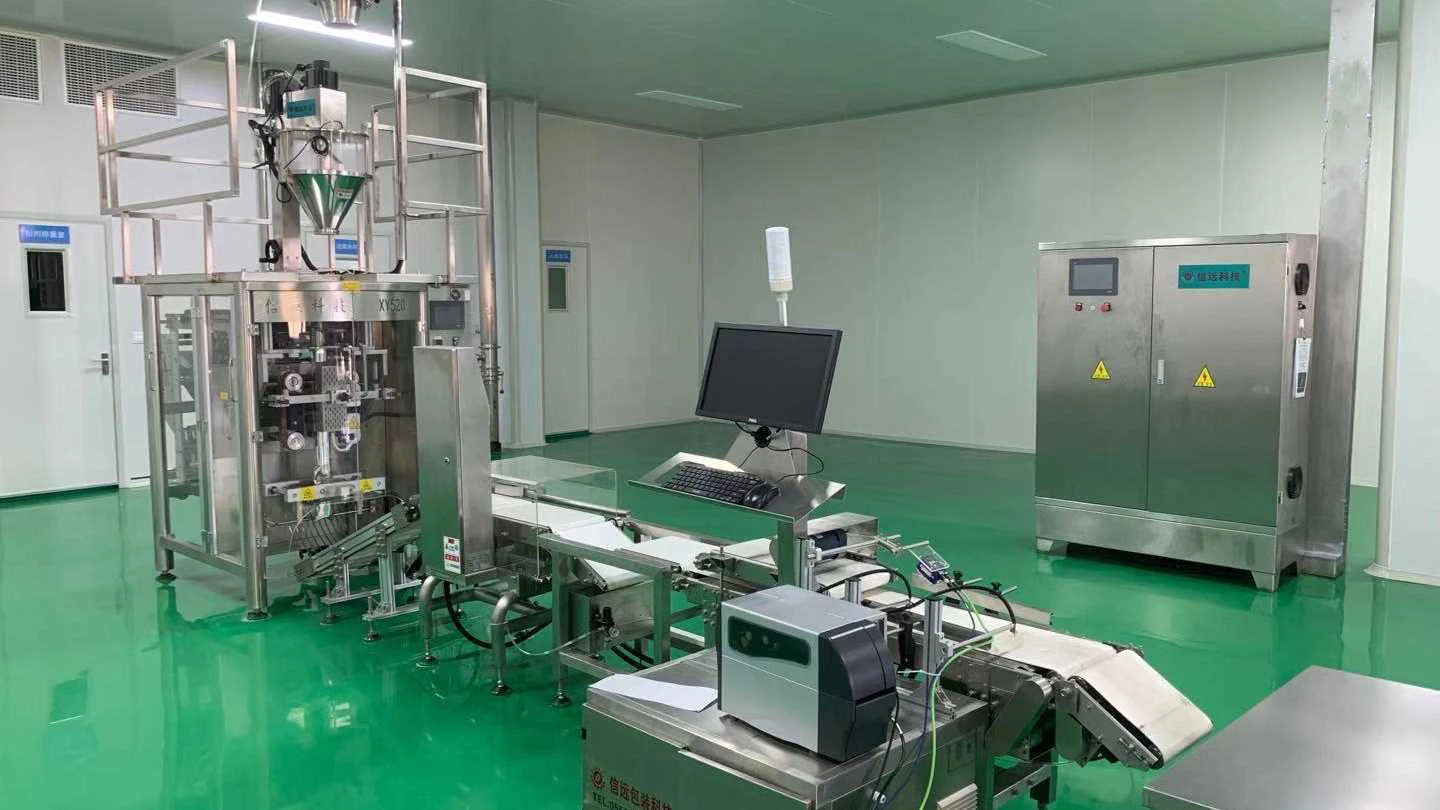
The foundational components of feline vitamin and mineral supplements stem from both organic and inorganic sources. Vitamins are typically synthesized chemically or extracted from natural sources, requiring stringent purity controls. Common organic sources include fermentation processes for B vitamins and extraction from plant materials for Vitamin E. Inorganic mineral sources, such as calcium carbonate, magnesium oxide, and zinc sulfate, are derived from mineral deposits and undergo purification and particle size reduction to enhance bioavailability. Manufacturing processes vary depending on the final product form. Powdered supplements involve precise weighing and blending of micronized ingredients, ensuring homogeneity. Liquid formulations require dissolution of ingredients in a suitable carrier (typically water or glycerin) alongside stabilizers and preservatives to maintain solubility and prevent oxidation. Tablet/chewable formats utilize wet granulation or direct compression techniques, incorporating binders and disintegrants to control hardness, friability, and dissolution rate. Key parameter control involves monitoring moisture content (critical for stability), particle size distribution (influencing absorption), and ingredient ratios (ensuring accurate nutrient levels). Raw material sourcing requires validation against USP/NF (United States Pharmacopeia/National Formulary) standards, verifying identity, purity, and potency. Encapsulation technologies, utilizing gelatin or cellulose capsules, are increasingly employed to enhance palatability and protect sensitive ingredients like probiotics or omega-3 fatty acids from degradation.
Performance & Engineering
The performance of vitamin and mineral supplements in cats is intrinsically linked to bioavailability – the extent to which nutrients are absorbed and utilized by the body. Factors influencing bioavailability include the chemical form of the nutrient (e.g., chelated minerals exhibit enhanced absorption), the presence of other dietary components (e.g., phytic acid can inhibit mineral absorption), and the cat’s individual physiological state (age, health status, gut microbiome composition). Force analysis is relevant to tablet/chewable formats, assessing crushing strength and friability to ensure integrity during handling and administration. Environmental resistance focuses on maintaining potency during storage and transit. Exposure to heat, light, and humidity can degrade vitamins (particularly Vitamin C and B vitamins) and oxidize fats (like Vitamin E). Packaging materials (opaque containers, blister packs) are engineered to mitigate these effects. Compliance requirements are governed by AAFCO (Association of American Feed Control Officials) guidelines and FDA (Food and Drug Administration) regulations for dietary supplements. These regulations mandate accurate labeling, ingredient listing, and adherence to Good Manufacturing Practices (GMP). Functional implementation considers the delivery method. Palatability enhancers (e.g., animal digest, flavors) are crucial for ensuring voluntary intake, particularly in finicky cats. Formulations targeting specific conditions, like urinary tract health or joint support, often incorporate synergistic ingredients (e.g., glucosamine/chondroitin with Vitamin C) to maximize efficacy.
Technical Specifications
| Vitamin A (IU/kg) | Vitamin D3 (IU/kg) | Vitamin E (IU/kg) | Taurine (mg/kg) |
|---|---|---|---|
| 10,000 – 20,000 | 500 – 1,000 | 100 – 300 | 500 – 1,500 |
| B1 (Thiamine) (mg/kg) | B2 (Riboflavin) (mg/kg) | B6 (Pyridoxine) (mg/kg) | B12 (Cyanocobalamin) (µg/kg) |
| 2 – 5 | 1 – 3 | 1 – 3 | 20 – 50 |
| Calcium (%) | Phosphorus (%) | Magnesium (%) | Potassium (%) |
| 1.0 – 2.0 | 0.8 – 1.5 | 0.1 – 0.3 | 0.5 – 1.0 |
| Zinc (mg/kg) | Iron (mg/kg) | Copper (mg/kg) | Manganese (mg/kg) |
| 50 – 100 | 80 – 150 | 5 – 10 | 3 – 7 |
Failure Mode & Maintenance
Failure modes in vitamin and mineral supplements typically manifest as degradation of active ingredients, resulting in reduced potency and efficacy. Oxidation is a primary concern, particularly for fat-soluble vitamins (A, D, E) and omega-3 fatty acids. Symptoms include rancidity (evident in liquid formulations) and discoloration. Moisture ingress can lead to clumping in powdered supplements and accelerate degradation. Physical damage (e.g., cracked tablets) exposes the formulation to environmental factors. Palatability loss can occur due to ingredient degradation or changes in formulation. Maintenance strategies involve proper storage conditions – cool, dry, and dark environments. Packaging integrity is paramount; using airtight containers and blister packs minimizes exposure to air and moisture. Regular quality control testing is crucial to verify potency and identify degradation products. Batch-to-batch variability should be monitored to ensure consistency. For liquid formulations, adding antioxidants (e.g., Vitamin E, rosemary extract) can prolong shelf life. Discarding expired or visibly compromised supplements is essential. Furthermore, recognizing signs of nutrient deficiency in the cat (e.g., skin lesions, dull coat, lethargy) can indicate a supplement failure or inadequate dosage and warrants veterinary consultation.
Industry FAQ
Q: What is the difference between a multivitamin and a single-nutrient supplement for cats?
A: Multivitamins provide a broad spectrum of essential nutrients, intended to address general nutritional gaps. Single-nutrient supplements, such as taurine or omega-3 fatty acids, target specific physiological needs or deficiencies. The choice depends on the cat's individual health status and dietary requirements. A veterinarian should always be consulted to determine the appropriate supplementation strategy.
Q: How do I ensure the supplement I choose is high quality and safe?
A: Look for supplements manufactured by reputable companies adhering to Good Manufacturing Practices (GMP). Verify that the product has been tested by a third-party laboratory (e.g., USP, NSF International) for purity and potency. Check the ingredient list for artificial colors, flavors, and preservatives. Consult with your veterinarian for recommendations tailored to your cat’s specific needs.
Q: Can cats overdose on vitamins and minerals?
A: Yes, excessive intake of certain vitamins and minerals can be toxic. Fat-soluble vitamins (A, D, E, K) are stored in the body and can accumulate to harmful levels. Iron overload is also a concern. Always follow dosage instructions carefully and consult with a veterinarian before administering any supplement.
Q: My cat refuses to take the supplement. What can I do?
A: Palatability is a common challenge. Try different formulation types (powder, liquid, chewable). Mix the supplement with a small amount of wet food or a palatable treat. Some supplements are formulated with flavors that cats find appealing. If the cat continues to refuse, consult with a veterinarian to explore alternative delivery methods (e.g., transdermal application).
Q: Are there any interactions between supplements and medications my cat is taking?
A: Yes, certain supplements can interact with medications. For example, Vitamin K can interfere with anticoagulant medications. Always inform your veterinarian of all supplements your cat is receiving, especially if the cat is also on prescription medications.
Conclusion
Vitamin and mineral supplementation for cats represents a nuanced field requiring a comprehensive understanding of feline physiology, nutrient bioavailability, and manufacturing principles. The efficacy of these supplements hinges on sourcing high-quality ingredients, employing appropriate manufacturing processes to maintain potency, and tailoring formulations to address specific nutritional needs. Failure to account for these factors can lead to reduced efficacy, adverse effects, or even toxicity.
Future advancements in this area will likely focus on personalized nutrition strategies, utilizing genetic testing and microbiome analysis to optimize supplement formulations for individual cats. Improved delivery systems, such as microencapsulation and targeted release technologies, will further enhance bioavailability and palatability. Continued research into the synergistic effects of various nutrients will refine supplementation protocols and maximize health benefits.
Latest news
Copyright © 2026
Dingzhou Kangquan Pharmaceutical Co., Ltd. All Rights Reserved. Sitemap | Privacy
Policy


