
Apr . 01, 2024 17:55 Back to list
vitamin for pitbull puppy Nutritional Analysis
Introduction
Vitamin supplementation for Pitbull puppies represents a critical component of preventative healthcare and optimal development within the canine nutritional landscape. Pitbull puppies, characterized by rapid growth rates and a predisposition to certain musculoskeletal conditions, exhibit heightened nutritional demands compared to other breeds. This guide provides an in-depth technical analysis of vitamin requirements for Pitbull puppies, encompassing bioavailability, formulation considerations, deficiency syndromes, and the impact of genetic factors. Unlike generic puppy vitamin formulations, optimal supplementation necessitates a tailored approach acknowledging the breed’s specific metabolic profile and growth trajectory. This document details the physiological rationale for targeted vitamin provision, covering both fat-soluble (A, D, E, K) and water-soluble (B-complex, C) vitamins, focusing on preventative measures against developmental orthopedic diseases (DOD) and immune system dysfunction, common concerns in this breed. The following sections will detail the material science behind vitamin delivery systems, performance analysis of different formulations, potential failure modes related to improper supplementation, and adherence to relevant industry standards.
Material Science & Manufacturing
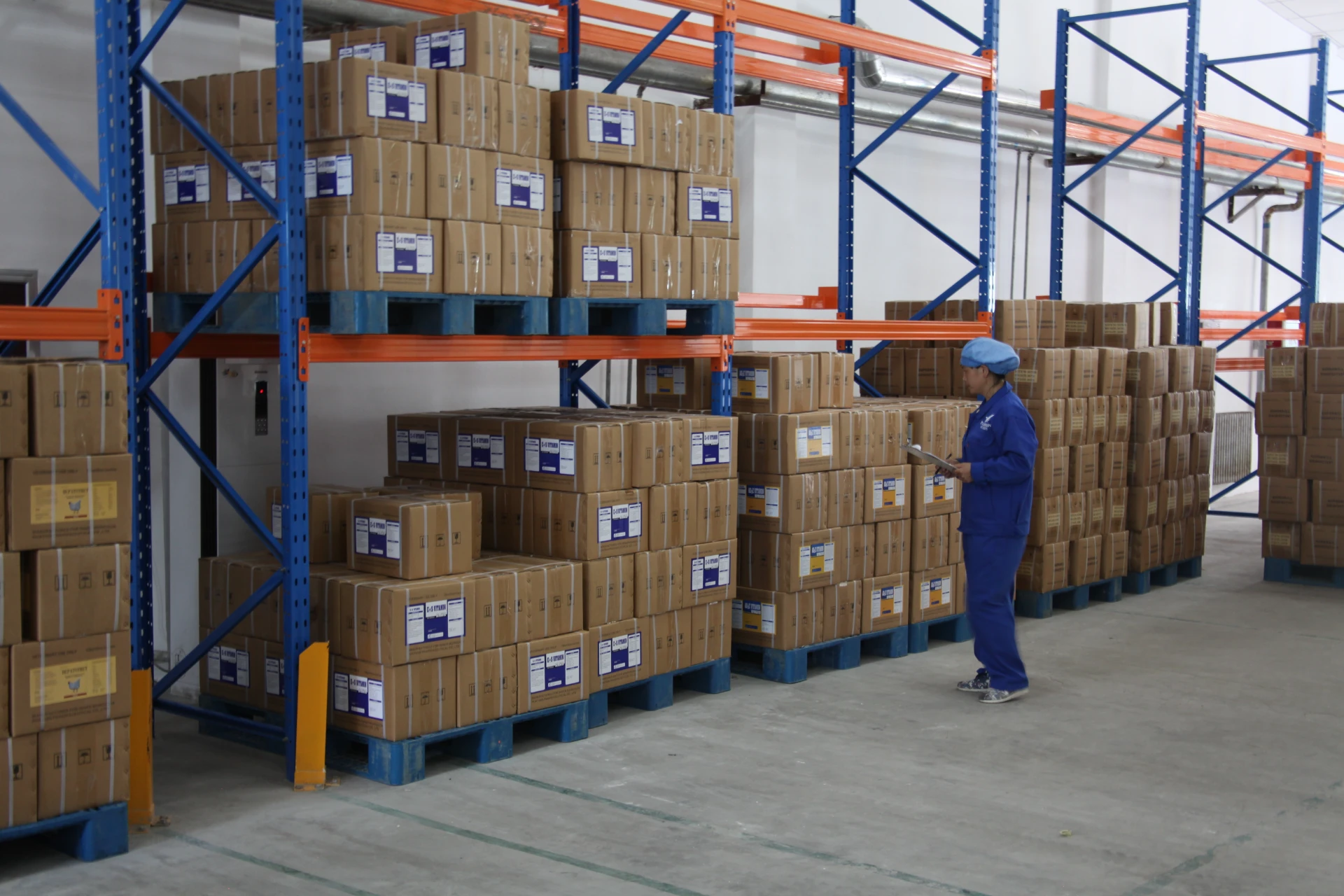
The bioavailability of vitamins, a primary determinant of efficacy, is profoundly influenced by the delivery system and the chemical form of the vitamin itself. Fat-soluble vitamins (A, D, E, K) require incorporation into lipid matrices for efficient absorption within the small intestine, relying on micelle formation and subsequent chylomicron transport. Manufacturing processes for lipid-based supplements commonly involve microencapsulation utilizing materials like gelatin, starch, or modified cellulose, improving stability and controlled release. Vitamin A (retinol) is frequently manufactured via chemical synthesis from beta-carotene precursors, with purity and isomeric composition being critical quality control parameters. Vitamin D3 (cholecalciferol) is commonly sourced from lanolin or synthesized via UV irradiation of 7-dehydrocholesterol. Water-soluble vitamins, while generally exhibiting higher bioavailability, are susceptible to degradation during manufacturing and storage. B-complex vitamins (thiamine, riboflavin, niacin, pyridoxine, cobalamin, folate) are often formulated as stable salts (e.g., thiamine mononitrate, riboflavin-5-phosphate). Ascorbic acid (Vitamin C) is particularly prone to oxidation and is frequently stabilized with antioxidants like ethylenediaminetetraacetic acid (EDTA). Manufacturing processes require stringent control of temperature, pH, and oxygen exposure to minimize degradation. Excipient selection is crucial; binders, fillers, and coatings must be chemically inert and biocompatible, minimizing interference with vitamin absorption. Quality control relies heavily on high-performance liquid chromatography (HPLC) and mass spectrometry (MS) to verify vitamin content and purity.
Performance & Engineering
The performance of vitamin supplementation is directly correlated to achieving optimal serum vitamin concentrations within the physiologically relevant range for Pitbull puppies. Insufficient levels can lead to developmental orthopedic diseases (DOD), such as hip dysplasia and osteochondrosis dissecans (OCD), due to impaired chondrocyte metabolism and cartilage development. Excess vitamin A, however, can exacerbate skeletal abnormalities. Vitamin D plays a critical role in calcium and phosphorus absorption, influencing bone mineralization. Engineering the optimal dosage requires consideration of the puppy’s age, weight, growth rate, diet composition, and genetic predisposition. Force analysis of bone structures reveals that deficiencies in vitamin D and calcium lead to reduced bone mineral density and increased susceptibility to fractures under mechanical stress. Environmental factors, such as sunlight exposure (influencing Vitamin D synthesis), and concurrent medical conditions (e.g., intestinal malabsorption) also impact vitamin requirements. Compliance requirements are governed by AAFCO (Association of American Feed Control Officials) guidelines, which specify minimum and maximum vitamin levels in canine diets. Functional implementation necessitates a delivery system that ensures consistent vitamin intake; palatable chews or liquid formulations enhance compliance. Monitoring serum vitamin levels through veterinary diagnostics is essential to assess the efficacy of supplementation and adjust dosages accordingly. Bioavailability studies, utilizing pharmacokinetic modeling, are crucial to determine the absorption, distribution, metabolism, and excretion rates of vitamins within the Pitbull puppy’s system.
Technical Specifications
| Vitamin | Recommended Daily Intake (Puppy 8-12 weeks) | Units | Upper Tolerable Limit (Puppy 8-12 weeks) |
|---|---|---|---|
| Vitamin A | 400 | IU | 1600 |
| Vitamin D | 50 | IU | 200 |
| Vitamin E | 15 | IU | 60 |
| Vitamin K | 10 | mcg | 40 |
| Thiamine (B1) | 0.5 | mg | 2.0 |
| Riboflavin (B2) | 0.6 | mg | 2.5 |
Failure Mode & Maintenance
Failure modes in vitamin supplementation can manifest as deficiency syndromes, toxicity, or reduced efficacy due to degradation. Deficiency symptoms include stunted growth, skeletal deformities (bowing of limbs, enlarged joints), muscle weakness, and immune dysfunction. Vitamin A toxicity can lead to hypervitaminosis A, characterized by bone pain, lethargy, and anorexia. Vitamin D toxicity causes hypercalcemia, potentially leading to soft tissue calcification and kidney damage. Degradation of vitamins, particularly ascorbic acid and B-vitamins, is accelerated by exposure to heat, light, and oxygen. Maintenance strategies include proper storage of supplements in airtight, opaque containers in a cool, dry environment. Regular veterinary checkups, including serum vitamin level assessments, are crucial for early detection of deficiencies or toxicities. Monitoring for clinical signs of vitamin imbalances (e.g., lameness, skin lesions, reduced appetite) is essential. Quality control of supplement formulations, ensuring accurate vitamin content and stability, is paramount. Supplementation should be tailored to the individual puppy’s needs and adjusted based on growth rate, activity level, and dietary composition. Avoidance of simultaneous administration of certain medications (e.g., corticosteroids) that can interfere with vitamin metabolism is also important. Proactive monitoring for signs of malabsorption, particularly in puppies with gastrointestinal issues, is critical.
Industry FAQ
Q: What is the optimal Vitamin D dosage for a 10-week-old Pitbull puppy weighing 15 lbs, given a diet primarily consisting of dry kibble?
A: For a 10-week-old, 15lb Pitbull puppy consuming a dry kibble diet, a Vitamin D supplementation of 50-75 IU daily is generally recommended. Dry kibble, while often fortified, may not provide sufficient Vitamin D to meet the breed’s heightened needs. However, precise dosage must account for the kibble’s existing Vitamin D content (verified on the product label). Regular monitoring of serum 25-hydroxyvitamin D levels via veterinary diagnostics is crucial to fine-tune the dosage and prevent toxicity.
Q: How does the bioavailability of synthetic versus natural Vitamin E differ, and which is preferable for Pitbull puppies?
A: Natural Vitamin E (d-alpha-tocopherol) exhibits significantly higher bioavailability compared to synthetic Vitamin E (dl-alpha-tocopherol). The 'd' form is preferentially absorbed and retained in the body. For Pitbull puppies, prioritizing natural Vitamin E supplementation is recommended due to its superior biological activity and longer retention time, contributing to enhanced antioxidant protection and immune function.
Q: What are the key indicators of Vitamin C deficiency in a Pitbull puppy, and how can it be effectively addressed?
A: Indicators of Vitamin C deficiency include lethargy, reluctance to move, pain upon palpation of limbs, and impaired wound healing. While dogs generally synthesize Vitamin C endogenously, supplementation may be beneficial during periods of stress, illness, or rapid growth. Effective addressing involves supplementation with L-ascorbic acid at a dosage of 100-200mg daily, administered orally. Monitoring for improved energy levels and wound healing response confirms efficacy.
Q: Can excessive Vitamin A intake contribute to hip dysplasia in Pitbull puppies, and what preventative measures should be taken?
A: Yes, excessive Vitamin A intake can indeed exacerbate the risk of hip dysplasia in genetically predisposed Pitbull puppies. High Vitamin A levels interfere with calcium deposition and cartilage development, potentially leading to abnormal joint formation. Preventative measures include strict adherence to recommended Vitamin A dosages, avoiding over-supplementation, and selecting puppy foods with balanced Vitamin A levels. Regular veterinary screening for hip dysplasia is crucial.
Q: How do different encapsulation methods (e.g., microencapsulation, liposomes) affect the stability and absorption of water-soluble vitamins during storage?
A: Encapsulation methods significantly impact the stability and absorption of water-soluble vitamins. Microencapsulation using modified cellulose or starch provides a protective barrier against oxidation and degradation during storage. Liposomes, utilizing phospholipid bilayers, enhance bioavailability by promoting direct absorption into intestinal cells. Liposomal encapsulation generally offers superior protection and absorption compared to simple microencapsulation, especially for ascorbic acid and B-vitamins, but can be more costly to manufacture.
Conclusion
Optimal vitamin supplementation is not merely a preventative measure, but an integral component of maximizing the health and developmental potential of Pitbull puppies. A nuanced understanding of their specific nutritional requirements, coupled with meticulous attention to bioavailability, formulation, and monitoring, is essential. The breed's predisposition to developmental orthopedic diseases and immune system vulnerabilities necessitates a proactive, tailored approach to vitamin provision, far exceeding the scope of generic puppy vitamin formulations.
Future research should focus on elucidating the genetic factors influencing vitamin metabolism in Pitbulls, refining dosage recommendations based on individual genetic profiles, and developing innovative delivery systems that further enhance bioavailability and stability. Continuous veterinary oversight and regular serum vitamin level assessments remain paramount for ensuring optimal vitamin status and minimizing the risk of both deficiencies and toxicities.
Latest news
Copyright © 2026
Dingzhou Kangquan Pharmaceutical Co., Ltd. All Rights Reserved. Sitemap | Privacy
Policy


