
Apr . 01, 2024 17:55 Back to list
vitamins for 1 month old puppy Manufacturing Analysis
Introduction
Vitamin supplementation for one-month-old puppies represents a critical intervention in supporting optimal growth and development. At this stage, puppies are transitioning from maternal nutrition to solid food, and their rapidly developing systems have increased nutrient demands. This technical guide details the necessary vitamin components, their biochemical roles, manufacturing considerations, potential failure modes related to bioavailability, and relevant industry standards pertaining to canine nutritional supplements. The core performance metric is not simply presence of vitamins, but demonstrable positive impact on growth rate, immune function, and long-term health outcomes. A primary pain point in the industry is inconsistent product formulation, insufficient bioavailability due to poor encapsulation or matrix interactions, and a lack of robust quality control during manufacturing leading to variable potency. This guide aims to provide a comprehensive understanding for procurement managers, veterinary professionals, and manufacturing specialists.
Material Science & Manufacturing
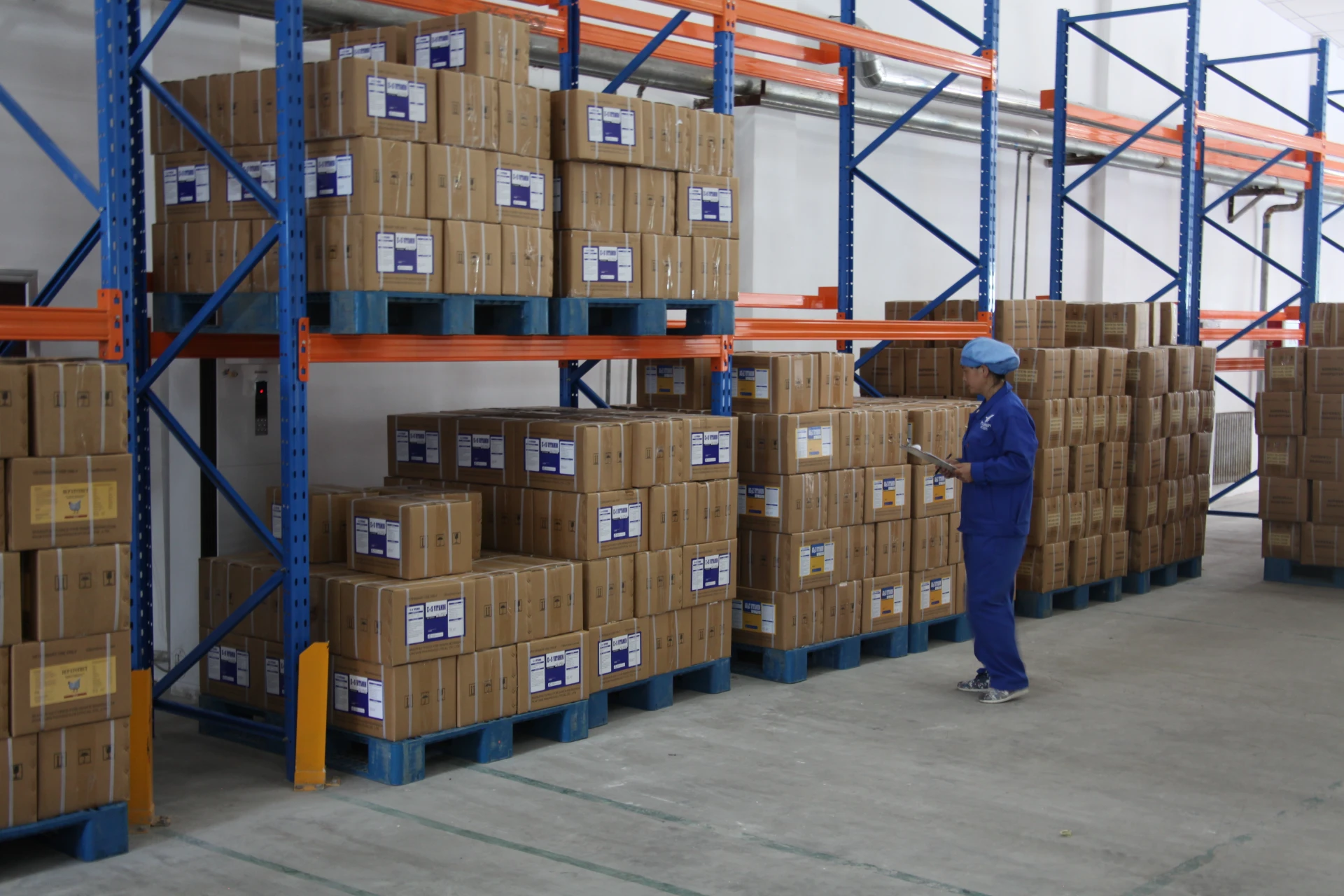
The production of vitamin supplements for puppies necessitates careful consideration of raw material sourcing and manufacturing processes. Vitamins are often synthesized chemically or extracted from natural sources. Fat-soluble vitamins (A, D, E, K) require encapsulation to enhance bioavailability and protect against degradation. Common encapsulation materials include gelatin, vegetable cellulose, and lipid-based carriers. Water-soluble vitamins (B-complex, C) are typically incorporated into aqueous solutions or dry premixes. Raw material purity is paramount, requiring rigorous testing for heavy metals, microbial contamination, and mycotoxins. Manufacturing processes include blending, granulation, tableting, and coating. Key parameters to control include mixing homogeneity, particle size distribution, compression force (for tablets), and coating uniformity. The degradation of Vitamin C (Ascorbic Acid) is a significant concern. Manufacturing must occur under inert atmospheres (nitrogen flushing) and with appropriate antioxidants (e.g., Vitamin E, rosemary extract) added to the formulation. Vitamin A stability is affected by exposure to light and oxygen, necessitating opaque packaging and controlled storage conditions. B-vitamins, particularly thiamine (B1), are sensitive to heat and pH changes during processing. Carrier materials such as whey protein or hydrolyzed soy protein can impact vitamin stability and absorption.
Performance & Engineering
The performance of vitamin supplements is dictated by bioavailability – the extent to which the vitamins are absorbed and utilized by the puppy's body. This is influenced by the chemical form of the vitamin, the presence of other nutrients (synergistic or antagonistic interactions), and the intestinal health of the puppy. Force analysis is less directly applicable here, but the mechanical integrity of the supplement form (tablet hardness, capsule shell strength) is crucial to prevent breakage during handling and ingestion. Environmental resistance is important; supplements must maintain potency and stability during storage and transportation, even under fluctuating temperatures and humidity. Compliance requirements are dictated by veterinary regulations and industry standards (discussed in the footer). Functional implementation focuses on delivering the correct dosage of each vitamin to meet the puppy’s daily requirements. Vitamin D is critical for calcium absorption and bone development; insufficient Vitamin D leads to rickets. Vitamin E is an antioxidant, protecting cell membranes from damage. B-vitamins are vital for energy metabolism and neurological function. The ratio of calcium to phosphorus must be carefully balanced to optimize bone mineralization. Supplementation should not exceed tolerable upper intake levels to avoid toxicity.
Technical Specifications
| Vitamin | Typical Puppy Requirement (per day, 1-month-old, 5kg body weight) | Supplement Concentration (per dose) | Bioavailability Enhancement Strategy |
|---|---|---|---|
| Vitamin A (Retinol) | 200 IU | 250 IU | Encapsulation in lipid matrix |
| Vitamin D (Cholecalciferol) | 40 IU | 50 IU | Co-formulation with Vitamin K |
| Vitamin E (Alpha-Tocopherol) | 50 mg | 60 mg | Microencapsulation with antioxidant |
| Vitamin C (Ascorbic Acid) | 100 mg | 125 mg | Buffered with bioflavonoids |
| Vitamin B1 (Thiamine) | 1.5 mg | 2 mg | Coating for pH protection |
| Vitamin B12 (Cobalamin) | 2 mcg | 3 mcg | Complexation with intrinsic factor analog |
Failure Mode & Maintenance
Several failure modes can compromise the efficacy of vitamin supplements. Degradation due to oxidation is a common issue, particularly for Vitamins A, C, and E. Moisture ingress during storage can lead to clumping, loss of potency, and microbial growth. Improper encapsulation can result in poor bioavailability and reduced absorption. Incompatibilities between vitamins and excipients can lead to precipitation or degradation. Particle size variations can affect dissolution rates and absorption. Counterfeit products containing insufficient vitamin levels or harmful adulterants represent a significant risk. Maintenance recommendations include storing supplements in a cool, dry place, protected from light and air. Monitoring potency through periodic quality control testing is essential. Regularly inspecting packaging for damage and ensuring proper sealing prevents moisture ingress. Veterinarians should advise owners on proper dosage and administration techniques. Report any adverse reactions to the manufacturer and relevant regulatory authorities.
Industry FAQ
Q: What is the impact of chelation on mineral bioavailability in a vitamin supplement for puppies?
A: Chelation involves binding minerals to organic molecules (e.g., amino acids) to enhance their solubility and absorption. For minerals like zinc and iron, chelated forms demonstrate significantly improved bioavailability compared to inorganic salts. This is because chelation protects the mineral from forming insoluble complexes in the gut, facilitating its transport across the intestinal wall.
Q: How do you ensure consistent potency across different batches of a multi-vitamin supplement?
A: Consistent potency requires a robust Quality Control (QC) system. This includes rigorous testing of raw materials for purity and potency using methods like HPLC (High-Performance Liquid Chromatography) and UV-Vis spectrophotometry. In-process QC checks are performed during manufacturing to monitor blending homogeneity and tablet/capsule weight. Finished product testing confirms the final vitamin levels meet specified limits, with statistical process control (SPC) used to identify and address any deviations.
Q: What are the implications of using synthetic versus natural vitamin sources?
A: Synthetic vitamins are chemically identical to their natural counterparts but may exhibit different bioavailability profiles. Natural vitamins often occur in a complex with other beneficial compounds that can enhance absorption. However, synthetic vitamins are typically more cost-effective and readily available. The choice depends on cost-benefit analysis and the specific vitamin in question. Vitamin E, for instance, is often more biologically active in its natural (d-alpha-tocopherol) form.
Q: How does the inclusion of prebiotics or probiotics affect vitamin absorption in puppies?
A: Prebiotics (e.g., fructooligosaccharides) and probiotics (beneficial bacteria) promote a healthy gut microbiome. A balanced gut microbiome enhances the absorption of various nutrients, including vitamins. Probiotics can synthesize certain vitamins (e.g., B vitamins, Vitamin K) and improve the intestinal barrier function, reducing inflammation and increasing nutrient uptake. Prebiotics provide a food source for beneficial bacteria, further enhancing their activity.
Q: What regulatory requirements govern the labeling and marketing of vitamin supplements for puppies?
A: Regulatory requirements vary by country. In the United States, vitamin supplements for animals are regulated by the FDA Center for Veterinary Medicine (CVM). Labeling must accurately list all ingredients, guaranteed analysis, and net weight. Marketing claims must be substantiated with scientific evidence and cannot make false or misleading statements. Compliance with Good Manufacturing Practices (GMP) is mandatory. Similar regulations exist in other regions, such as the European Medicines Agency (EMA) in Europe.
Conclusion
Effective vitamin supplementation for one-month-old puppies necessitates a holistic approach encompassing rigorous raw material selection, meticulous manufacturing control, and an understanding of bioavailability factors. Maintaining product stability, ensuring accurate dosing, and adhering to relevant regulatory standards are paramount to delivering a safe and efficacious supplement. The ultimate goal is to support optimal growth, immune function, and long-term health in these rapidly developing animals.
Future developments in this field will likely focus on personalized nutrition based on individual puppy needs, advanced encapsulation technologies to further enhance bioavailability, and the integration of prebiotics and probiotics to optimize gut health and nutrient absorption. Continuous quality monitoring and adherence to evolving regulatory standards will remain crucial to maintain consumer confidence and ensure the well-being of canine companions.
Latest news
Copyright © 2026
Dingzhou Kangquan Pharmaceutical Co., Ltd. All Rights Reserved. Sitemap | Privacy
Policy


