
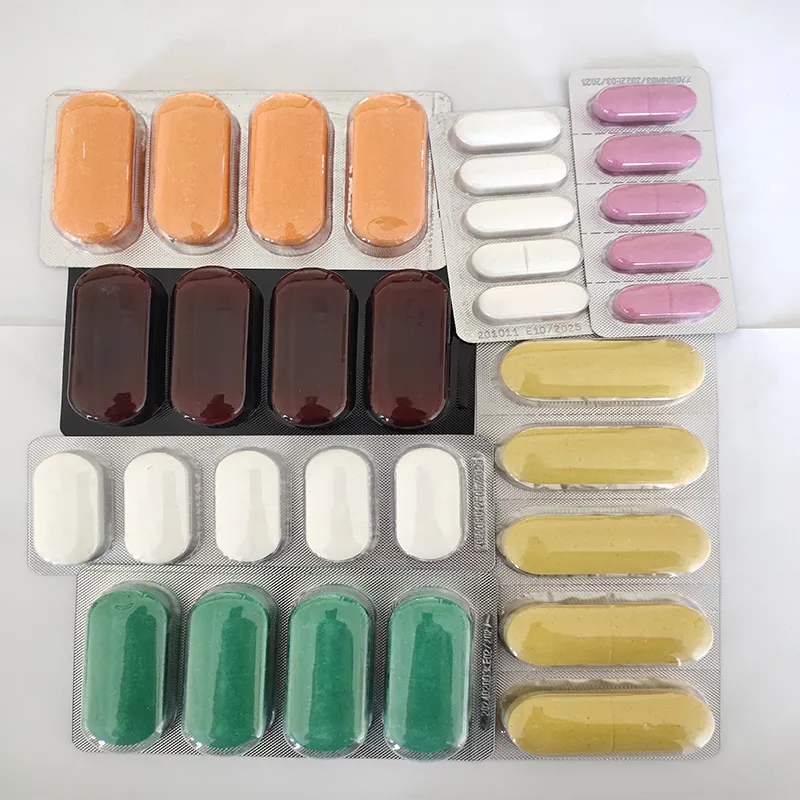
Vitamin supplementation for 3-month-old puppies is a critical aspect of early development, bridging the nutritional gap between maternal provision and the demands of rapid growth. This guide details the scientific rationale behind puppy vitamin use, focusing on essential micronutrients and their impact on skeletal development, immune function, and neurological health. The positioning within the animal health industry chain lies between raw ingredient sourcing (vitamin pre-mix manufacturers) and end-user application (veterinary clinics, pet stores, direct consumer sales). Core performance metrics revolve around bioavailability of vitamins, palatability for consumption, and demonstrable improvements in growth rate, coat condition, and resistance to common puppy ailments. Suboptimal vitamin intake during this phase can lead to significant long-term health consequences, including skeletal deformities (rickets), impaired immune response, and cognitive deficits.
The production of vitamins for puppies begins with the sourcing of raw materials. These include both synthetically produced vitamins (e.g., ascorbic acid via the Reichstein process) and naturally derived vitamins (e.g., Vitamin D3 from lanolin). Vitamin stability is paramount; therefore, encapsulation techniques utilizing microencapsulation with gelatin or lipid coatings are common to protect against oxidation and degradation during storage and transit. The manufacturing process typically involves precise blending of vitamin pre-mixes with carrier substances like rice bran, whey protein, or brewer’s yeast. Particle size control is crucial for ensuring uniform distribution within the final product and optimal absorption. Key parameters monitored during manufacturing include vitamin potency (quantified via HPLC analysis), moisture content (Karl Fischer titration), and heavy metal contamination (ICP-MS). Quality control adheres to Good Manufacturing Practices (GMP) to ensure product consistency and safety. The chemical compatibility of vitamins with each other and the chosen carrier materials is extensively tested to prevent antagonistic interactions or degradation. For example, Vitamin C (ascorbic acid) can degrade in the presence of certain metal ions, requiring the addition of chelating agents like EDTA.
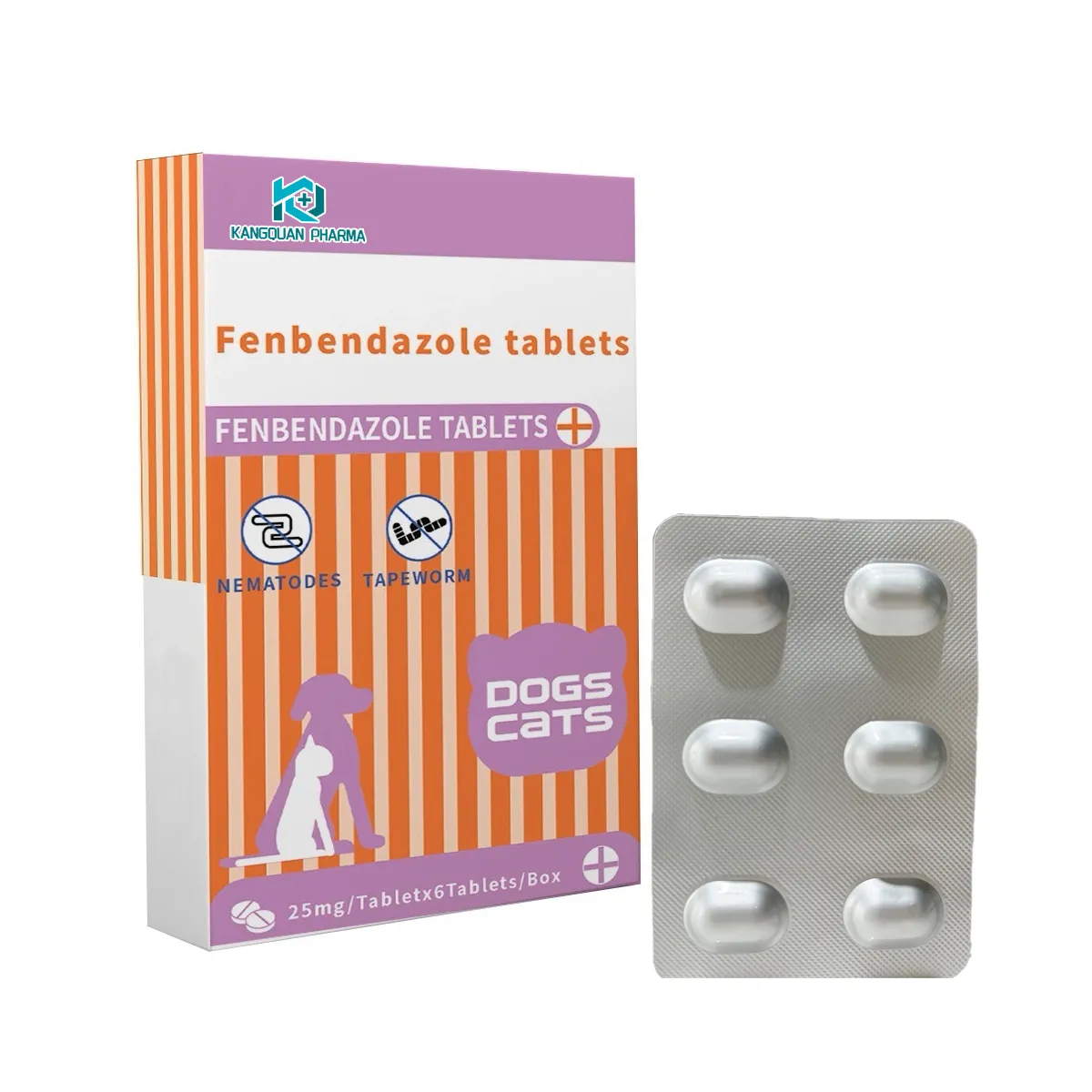
The effectiveness of puppy vitamins hinges on bioavailability – the proportion of the administered dose that reaches systemic circulation. This is significantly influenced by the vitamin's chemical form. For instance, Vitamin D3 (cholecalciferol) is more readily absorbed than Vitamin D2 (ergocalciferol). Encapsulation technology aims to enhance bioavailability by protecting vitamins from degradation in the gastrointestinal tract and facilitating their absorption through the intestinal mucosa. Force analysis considers the shear strength of tablets or chewable forms, ensuring they are appropriately sized and textured for easy consumption by puppies. Environmental resistance testing assesses the product’s stability under varying temperature and humidity conditions, simulating storage and transportation scenarios. Compliance requirements include adherence to AAFCO (Association of American Feed Control Officials) guidelines for vitamin and mineral content in canine diets. Functional implementation often involves formulating vitamins with complementary nutrients, such as calcium and phosphorus for bone development, or prebiotics to enhance gut health and nutrient absorption. The formulation's osmolality is also important; deviations from physiological levels can cause gastrointestinal upset.
| Vitamin | Typical Concentration (per dose) | Bioavailability (%) | Recommended Daily Allowance (RDA) for 3-month-old Puppy (approximate) |
|---|---|---|---|
| Vitamin A (Retinol) | 500 IU | 70-90% | 600-800 IU |
| Vitamin D3 (Cholecalciferol) | 50 IU | 80-95% | 40-60 IU |
| Vitamin E (Alpha-Tocopherol) | 20 IU | 60-80% | 15-25 IU |
| Vitamin C (Ascorbic Acid) | 50 mg | 60-70% | 30-50 mg |
| B Vitamins (Complex) | Variable, based on formulation | 50-80% | Dependent on specific B vitamin |
| Calcium | 100mg | 30-40% | 200-300mg |
Failure modes in puppy vitamin products often stem from degradation of active ingredients during storage. Oxidation, induced by exposure to air and light, can reduce vitamin potency. Hydrolysis, particularly affecting water-soluble vitamins like Vitamin C, can occur in humid environments. Physical failures include tablet crumbling or softening due to moisture absorption. Biological failures relate to poor absorption due to improper formulation or the presence of antinutritional factors in the puppy’s diet. Maintenance protocols include storing vitamins in a cool, dry, and dark place, preferably in airtight containers. Monitoring expiration dates and discarding outdated products is crucial. Regular assessment of a puppy’s response to supplementation (e.g., weight gain, coat condition) can indicate potential issues with bioavailability or potency. Signs of vitamin excess (hypervitaminosis), though less common, should be monitored for; for instance, Vitamin A toxicity can manifest as lethargy and bone abnormalities. Ensure proper dosage based on puppy weight and breed size.
A: Fat-soluble vitamins (A, D, E, K) are absorbed with dietary fats and stored in the body’s tissues. This means they can build up to toxic levels if over-supplemented. Water-soluble vitamins (B complex, C) are not stored to the same extent and are excreted in urine, making toxicity less common, but consistent supplementation is needed as they are not retained for long periods.
A: High-quality commercial puppy foods are typically fortified with essential vitamins and minerals. However, factors like breed predisposition to certain deficiencies, underlying health conditions, or rapid growth spurts may necessitate supplementation. Consult with a veterinarian to assess your puppy’s individual needs.
A: Yes, certain vitamins can interact with medications. For example, Vitamin K can interfere with anticoagulant medications. Always inform your veterinarian about any supplements your puppy is receiving, especially if they are on prescription drugs.
A: Chelated minerals are bound to amino acids, which theoretically enhances their absorption compared to non-chelated forms. While the scientific evidence is not entirely conclusive, chelation may improve bioavailability, particularly in cases of digestive impairment.
A: Signs of vitamin deficiency can include poor growth rate, lethargy, weakness, bone abnormalities (e.g., bowed legs), skin lesions, and a dull coat. If you observe any of these signs, seek veterinary attention immediately, as deficiencies can have serious long-term consequences.
The strategic implementation of vitamin supplementation in 3-month-old puppies is a nuanced process requiring consideration of individual needs, formulation quality, and potential interactions. Understanding the underlying principles of vitamin absorption, metabolism, and the consequences of deficiencies is paramount for optimizing puppy health and development. A robust quality control system during manufacturing, coupled with appropriate storage and handling practices, is essential to maintain vitamin potency and efficacy.


