
Vitamins for dog growth represent a critical segment within the companion animal nutrition industry, functioning as supplementary nutrients designed to support optimal physiological development, particularly during puppyhood and periods of increased physiological demand like gestation or lactation. These formulations are not complete diets but rather adjuncts to balanced canine food, addressing potential nutritional gaps and enhancing specific aspects of health. The market encompasses a broad range of formulations targeting various developmental stages and specific needs – bone and joint health, cognitive function, immune system support, and coat condition – typically delivered in chewable tablets, soft chews, powders, or liquid forms. The efficacy of these products hinges upon bioavailability, accurate dosage, and the underlying nutritional status of the animal. A key challenge within the industry is ensuring quality control, standardization of vitamin content, and demonstrable clinical benefits, navigating a landscape frequently influenced by marketing claims rather than rigorous scientific validation. This guide provides an in-depth examination of the material science, manufacturing processes, performance characteristics, failure modes, and relevant industry standards governing vitamins for dog growth.
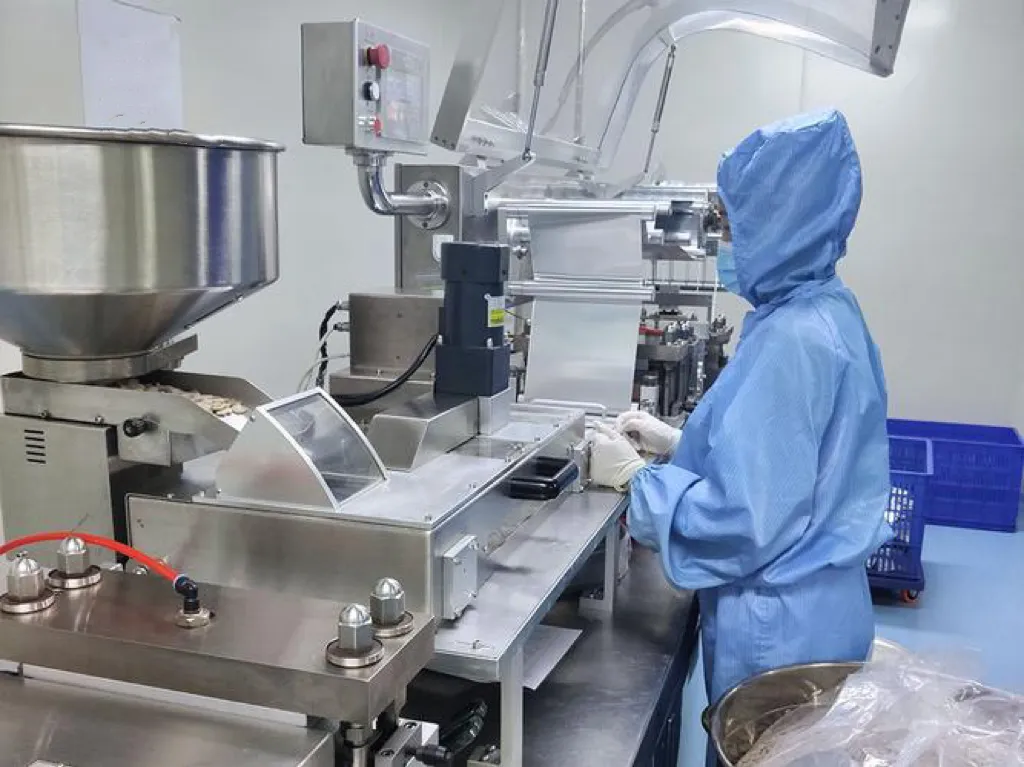
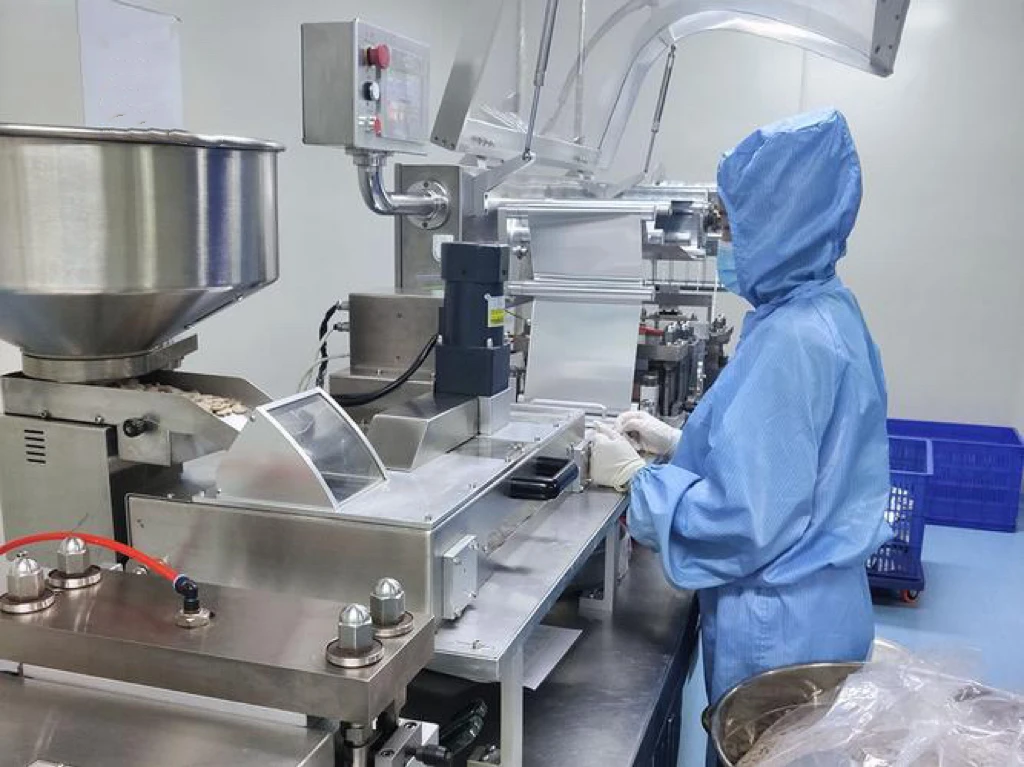
The core components of vitamins for dog growth originate from diverse sources, ranging from synthetic chemical synthesis to extraction from natural sources. Vitamin A, for example, can be synthesized from beta-carotene extracted from carrots or produced entirely via chemical pathways. Vitamin D3 is often derived from lanolin (sheep’s wool grease) through UV irradiation, while Vitamin E (tocopherol) is frequently sourced from vegetable oils. B-vitamins are primarily produced through fermentation processes using microorganisms. The raw materials undergo rigorous purity testing – utilizing techniques such as High-Performance Liquid Chromatography (HPLC) and Gas Chromatography-Mass Spectrometry (GC-MS) – to ensure compliance with pharmacopeial standards and to detect potential contaminants like heavy metals or microbial pathogens. Manufacturing typically involves blending these active ingredients with excipients – carriers, binders, disintegrants, lubricants, and flavorings. Excipients like microcrystalline cellulose, lactose, or starch facilitate tablet compression or powder dispersion. Flavorings (e.g., beef, chicken, or peanut butter extracts) enhance palatability. The blending process utilizes precision mixers to achieve homogeneous distribution. Tablet formation involves compression using rotary tablet presses, with careful control of compression force to achieve appropriate hardness and disintegration time. Soft chews are produced via extrusion and molding processes, requiring precise temperature and humidity control. Powder formulations demand fine milling and sieving to ensure uniform particle size distribution, influencing flowability and dissolution rate. Quality control during manufacturing emphasizes real-time monitoring of blending uniformity, tablet weight and hardness, disintegration time, and vitamin content through analytical testing at various stages.
The performance of vitamins for dog growth is fundamentally tied to bioavailability – the proportion of the administered vitamin that reaches systemic circulation and becomes available for utilization by the animal. Bioavailability is influenced by several factors: the chemical form of the vitamin (e.g., retinyl palmitate vs. retinol for Vitamin A), the presence of other dietary components that may enhance or inhibit absorption, and the gut health of the animal. For fat-soluble vitamins (A, D, E, K), efficient absorption requires adequate fat intake and proper bile secretion. The engineering considerations extend to formulation design. Enteric coatings, for instance, can protect acid-sensitive vitamins from degradation in the stomach, ensuring delivery to the small intestine where absorption is more efficient. The physical form also plays a role. Chewable tablets must possess sufficient hardness to withstand handling and packaging, yet readily disintegrate in the oral cavity to facilitate ingestion. Dosage accuracy is paramount; deviations from recommended levels can lead to either deficiency or toxicity. Environmental resistance, particularly against moisture and oxidation, is critical for maintaining vitamin potency during storage. Packaging materials (e.g., HDPE bottles with desiccant inserts) are selected to minimize exposure to these factors. Compliance with regulations, such as those established by the Food and Drug Administration (FDA) Center for Veterinary Medicine (CVM), dictates labeling requirements, permissible ingredient levels, and manufacturing practices. Furthermore, force analysis during tablet compression is vital to predict long-term tablet integrity and prevent crumbling or capping.
| Vitamin | Typical Potency (per dose) | Bioavailability (Relative, 0-1) | Stability (Shelf Life, Months) |
|---|---|---|---|
| Vitamin A (Retinol) | 1000 IU | 0.7-0.9 | 18 |
| Vitamin D3 (Cholecalciferol) | 400 IU | 0.8-0.95 | 24 |
| Vitamin E (Alpha-Tocopherol) | 50 IU | 0.4-0.7 | 12 |
| Vitamin C (Ascorbic Acid) | 100 mg | 0.6-0.8 | 6 |
| B1 (Thiamine) | 5 mg | 0.8-0.9 | 24 |
| B12 (Cyanocobalamin) | 25 mcg | 0.5-0.7 | 18 |
Failure modes in vitamins for dog growth predominantly center around degradation of active ingredients, leading to reduced potency. Oxidation, particularly for vitamins C and E, is a significant concern, accelerated by exposure to air, light, and heat. Hydrolysis, especially in aqueous formulations, can degrade water-soluble vitamins. Physical failures include tablet crumbling due to insufficient binder, capping or lamination during compression, and soft chew becoming excessively brittle or sticky. Microbial contamination represents another critical failure point, particularly in products with high moisture content. Dosage inaccuracies, stemming from improper blending or tablet weight variation, can lead to either under-supplementation or toxicity. Failure analysis involves employing analytical techniques like HPLC to quantify vitamin content over time under accelerated storage conditions (elevated temperature and humidity). Maintenance strategies encompass proper packaging (e.g., airtight containers, amber glass bottles), incorporating antioxidants (e.g., Vitamin C, BHT) into formulations, and implementing stringent quality control measures throughout the manufacturing process. Regular stability testing, following ICH guidelines, is crucial for determining shelf life and establishing appropriate storage conditions. Monitoring of environmental conditions during storage and transportation is also essential to prevent premature degradation.
A: Chelation, the binding of a mineral ion to an organic molecule (like an amino acid), generally enhances bioavailability. Chelated minerals are often more resistant to precipitation in the gastrointestinal tract, leading to improved absorption. However, the effectiveness of chelation depends on the specific chelating agent and the mineral in question. Not all chelates are created equal; some offer significant improvements while others have minimal impact.
A: Consistent potency is maintained through a combination of factors: sourcing high-quality raw materials with guaranteed potency, employing robust manufacturing processes that minimize degradation, utilizing appropriate packaging materials to protect against environmental factors (light, moisture, oxygen), and conducting rigorous stability testing at regular intervals throughout the product's shelf life. We adhere to ICH guidelines for stability studies.
A: Common excipients include microcrystalline cellulose (binder), lactose (diluent), magnesium stearate (lubricant), and flavorings. While generally inert, some excipients can influence absorption. High concentrations of certain fillers may physically hinder vitamin dissolution. Lubricants, if used excessively, can create a coating that reduces absorption. We carefully select excipients based on their compatibility with the active ingredients and their minimal impact on bioavailability.
A: We employ High-Performance Liquid Chromatography (HPLC) and Gas Chromatography-Mass Spectrometry (GC-MS) as our primary analytical methods. HPLC is used for quantifying water-soluble vitamins, while GC-MS is suitable for fat-soluble vitamins. These techniques allow us to accurately determine the concentration of each vitamin and identify any potential impurities or contaminants.
A: Smaller particle sizes generally lead to a faster dissolution rate, as they provide a larger surface area for interaction with gastrointestinal fluids. However, extremely fine particles can also aggregate, reducing bioavailability. We control particle size through milling and sieving processes to optimize dissolution and ensure consistent bioavailability.
Vitamins for dog growth represent a complex intersection of nutritional science, material science, and pharmaceutical engineering. Achieving optimal efficacy necessitates careful consideration of raw material sourcing, manufacturing processes, formulation design, and quality control measures. Bioavailability remains a central challenge, requiring optimization through chelation, enteric coating, and appropriate excipient selection. Maintaining potency throughout the product's shelf life depends on robust packaging, antioxidant incorporation, and rigorous stability testing. The industry's continued advancement hinges on a commitment to scientific validation and adherence to stringent regulatory standards.
Future development should focus on personalized vitamin formulations tailored to individual dog breeds, age, activity levels, and underlying health conditions. Nano-encapsulation technologies offer potential for enhancing vitamin stability and bioavailability. Furthermore, exploring sustainable sourcing of raw materials and minimizing environmental impact will become increasingly important considerations. A shift towards a more data-driven approach, leveraging pharmacokinetic studies and clinical trials, will be crucial for demonstrating the true benefits of these supplements and establishing evidence-based recommendations.


