
2695018275@qq.com
+86
13780513619
- Afrikaans
- Albanian
- Amharic
- Arabic
- Armenian
- Azerbaijani
- Basque
- Belarusian
- Bengali
- Bosnian
- Bulgarian
- Catalan
- Cebuano
- Corsican
- Croatian
- Czech
- Danish
- Dutch
- English
- Esperanto
- Estonian
- Finnish
- French
- Frisian
- Galician
- Georgian
- German
- Greek
- Gujarati
- Haitian Creole
- hausa
- hawaiian
- Hebrew
- Hindi
- Miao
- Hungarian
- Icelandic
- igbo
- Indonesian
- irish
- Italian
- Japanese
- Javanese
- Kannada
- kazakh
- Khmer
- Rwandese
- Korean
- Kurdish
- Kyrgyz
- Lao
- Latin
- Latvian
- Lithuanian
- Luxembourgish
- Macedonian
- Malgashi
- Malay
- Malayalam
- Maltese
- Maori
- Marathi
- Mongolian
- Myanmar
- Nepali
- Norwegian
- Norwegian
- Occitan
- Pashto
- Persian
- Polish
- Portuguese
- Punjabi
- Romanian
- Russian
- Samoan
- Scottish Gaelic
- Serbian
- Sesotho
- Shona
- Sindhi
- Sinhala
- Slovak
- Slovenian
- Somali
- Spanish
- Sundanese
- Swahili
- Swedish
- Tagalog
- Tajik
- Tamil
- Tatar
- Telugu
- Thai
- Turkish
- Turkmen
- Ukrainian
- Urdu
- Uighur
- Uzbek
- Vietnamese
- Welsh
- Bantu
- Yiddish
- Yoruba
- Zulu
Apr . 01, 2024 17:55 Back to list
vitamins for dogs skin and coat Performance Analysis

Introduction
Canine dermatological health is intrinsically linked to nutritional status. Vitamins for dogs’ skin and coat represent a specialized segment of the veterinary supplement market, formulated to address deficiencies contributing to cutaneous and follicular dysfunction. These supplements are not simply cosmetic; they constitute a vital component of managing and preventing a range of dermatological conditions, from mild dryness and flakiness to more severe allergic dermatitis and coat loss. Within the broader pet food industry, these targeted vitamin formulations occupy a crucial position, bridging the gap between standard dietary provision and individualized therapeutic interventions. The core performance of these products lies in their ability to influence epidermal barrier function, reduce inflammation, and promote healthy keratinization – processes critical for maintaining skin integrity and a lustrous coat. This guide provides an in-depth technical overview of the material science, manufacturing processes, performance characteristics, and potential failure modes associated with vitamins for dogs’ skin and coat, along with relevant industry standards and frequently asked questions.
Material Science & Manufacturing
The foundational materials for vitamins for dogs’ skin and coat fall into several key categories: fat-soluble vitamins (A, D, E, K), water-soluble vitamins (B-complex, C), essential fatty acids (Omega-3 and Omega-6), and mineral chelates (Zinc, Copper). Vitamin A, typically retinyl palmitate or beta-carotene, contributes to epithelial cell turnover and differentiation. Vitamin D, often cholecalciferol, plays a role in calcium homeostasis, indirectly influencing skin health. Vitamin E, commonly alpha-tocopherol, acts as a potent antioxidant, protecting cell membranes from oxidative damage. Essential fatty acids, sourced from fish oil, flaxseed oil, or borage oil, are crucial for maintaining the lipid barrier function of the skin. Manufacturing processes vary depending on the supplement’s form (soft chews, capsules, powders, liquids). Soft chews involve complex extrusion and coating procedures, requiring precise control of moisture content and temperature to ensure palatability and stability. Capsule production utilizes gelatin or vegetarian cellulose shells, filled with powdered vitamin premixes. Powder formulations necessitate micronization to enhance bioavailability and ensure uniform distribution within the final product. Liquid formulations require careful solubilization of fat-soluble vitamins using appropriate carriers and preservatives. Key parameter control during manufacturing includes ensuring accurate vitamin potency, minimizing oxidation of unsaturated fatty acids through nitrogen flushing and antioxidant addition (e.g., tocopherols, ascorbic acid), and maintaining appropriate pH levels for optimal stability. Degradation pathways, particularly for Vitamin C and certain B vitamins, are mitigated through controlled release technologies and protective coatings.
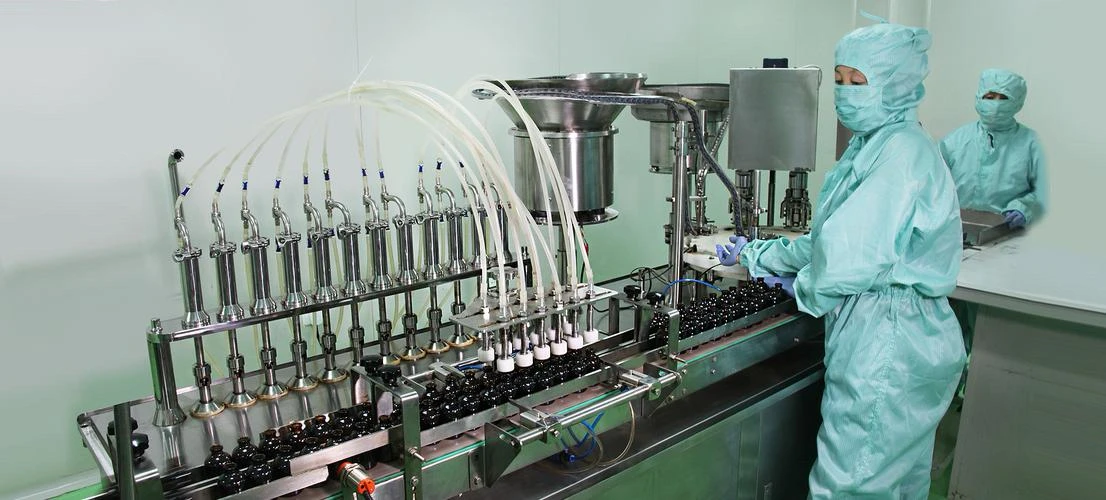
Performance & Engineering
The performance of vitamins for dogs’ skin and coat is fundamentally tied to bioavailability – the extent to which the active ingredients are absorbed and utilized by the animal. Bioavailability is influenced by several factors, including the chemical form of the vitamin (e.g., esterified vs. non-esterified), the presence of dietary fats (for fat-soluble vitamins), and the gut microbiome composition. Engineering considerations center around optimizing these parameters. Encapsulation technologies, such as liposomes and nanoemulsions, enhance bioavailability by protecting vitamins from degradation in the gastrointestinal tract and facilitating their absorption. Force analysis, while not directly applicable to the supplement itself, is relevant to the manufacturing process, specifically in determining the required compression force for tablet or chewable formulations to ensure structural integrity. Environmental resistance, particularly to moisture and oxidation, is a critical performance metric. Packaging materials with low oxygen permeability and moisture vapor transmission rates (MVTR) are essential to maintain product stability throughout its shelf life. Compliance requirements are governed by veterinary drug regulations, varying by country. In the United States, these supplements are typically regulated as food, subject to FDA guidelines regarding Good Manufacturing Practices (GMP) and labeling accuracy. The functional implementation revolves around addressing specific dermatological conditions. For example, Omega-3 fatty acids reduce inflammation by modulating eicosanoid production, while Vitamin A promotes epidermal cell turnover, aiding in the healing of skin lesions.
Technical Specifications
| Vitamin | Typical Potency (per dose - medium breed dog) | Bioavailability Enhancement Strategy | Stability Considerations |
|---|---|---|---|
| Vitamin A (Retinyl Palmitate) | 5,000 IU | Microencapsulation with tocopherols | Light and oxygen sensitive; requires opaque packaging |
| Vitamin D (Cholecalciferol) | 400 IU | Incorporation into lipid matrix | Heat and UV light sensitive |
| Vitamin E (Alpha-Tocopherol) | 100 IU | Synergistic combination with Vitamin C | Susceptible to oxidation; nitrogen flushing during manufacturing |
| Biotin | 2 mg | Chelation with amino acids | Relatively stable; moisture control important |
| Omega-3 Fatty Acids (EPA & DHA) | 300 mg | Encapsulation in fish oil microcapsules | Prone to rancidity; antioxidant addition and low-temperature storage |
| Zinc (Chelated) | 10 mg | Chelation with methionine | Hygroscopic; moisture-proof packaging required |
Failure Mode & Maintenance
Failure modes in vitamins for dogs’ skin and coat primarily revolve around product degradation, bioavailability loss, and palatability issues. Oxidation of unsaturated fatty acids, leading to rancidity and reduced efficacy, is a common failure mode, particularly in products with inadequate antioxidant protection. Hydrolysis of vitamins (e.g., Vitamin C) due to moisture exposure can also compromise potency. Loss of coating integrity in soft chews or capsules can lead to premature release of ingredients and reduced shelf life. Palatability issues, resulting from undesirable taste or texture, can lead to non-compliance and treatment failure. Maintenance strategies involve proper storage conditions (cool, dry, dark place), using airtight packaging, and implementing a robust quality control program during manufacturing. Regularly monitoring vitamin potency through analytical testing (e.g., HPLC, spectrophotometry) is crucial. Assessing oxidation levels through peroxide value determination can identify rancidity. For chewable formulations, ensuring consistent texture and aroma through process control is essential. Educating pet owners on proper storage and administration techniques is also vital for maximizing product effectiveness and minimizing failure rates. A proactive approach to stability testing, simulating real-world storage conditions, allows manufacturers to predict shelf life and optimize formulations for long-term efficacy.
Industry FAQ
Q: What is the optimal ratio of Omega-3 to Omega-6 fatty acids for canine skin health?
A: A ratio of approximately 1:1 to 1:5 (Omega-3 to Omega-6) is generally considered optimal. Excess Omega-6 fatty acids can promote inflammation, while Omega-3 fatty acids have anti-inflammatory properties. Formulations should prioritize EPA and DHA (from fish oil) as the primary Omega-3 sources.
Q: How does chelation impact the bioavailability of minerals like Zinc and Copper?
A: Chelation involves binding the mineral to an organic molecule (e.g., amino acid) to enhance its solubility and absorption in the gastrointestinal tract. Chelated minerals are less likely to form insoluble complexes with phytates or other compounds that can hinder absorption, resulting in significantly improved bioavailability.
Q: What are the implications of using synthetic versus natural Vitamin E (alpha-tocopherol)?
A: Natural Vitamin E (d-alpha-tocopherol) is generally considered more biologically active than synthetic Vitamin E (dl-alpha-tocopherol). The synthetic form contains a racemic mixture of stereoisomers, with only the d-isomer exhibiting significant Vitamin E activity. However, synthetic Vitamin E is often more cost-effective.
Q: How should these vitamins be administered alongside a prescribed veterinary diet?
A: It’s crucial to consult with a veterinarian before administering any supplements alongside a prescribed diet. Over-supplementation can lead to imbalances or adverse effects. The veterinarian can assess the dog’s individual needs and adjust the dosage accordingly, ensuring compatibility with the dietary regimen.
Q: What analytical methods are used to verify the potency and purity of these vitamin formulations?
A: High-Performance Liquid Chromatography (HPLC) is the primary method for quantifying vitamin content. Spectrophotometry is used for certain vitamins and antioxidants. Gas Chromatography-Mass Spectrometry (GC-MS) is employed to detect and quantify fatty acids. Purity testing involves assessing for heavy metals, microbial contamination, and other potential adulterants.
Conclusion
Vitamins for dogs’ skin and coat represent a scientifically grounded approach to addressing dermatological health through targeted nutritional intervention. The efficacy of these supplements is predicated on a deep understanding of the material science governing vitamin stability and bioavailability, coupled with rigorous manufacturing processes ensuring consistent potency and quality. Maintaining optimal skin and coat health is not merely aesthetic; it's a reflection of overall systemic well-being, impacted by factors ranging from essential fatty acid profiles to micronutrient availability.
Future advancements in this field will likely focus on personalized nutrition strategies, tailoring vitamin formulations based on individual canine genetic predispositions and microbiome compositions. Furthermore, the development of novel delivery systems, such as sustained-release technologies, will enhance bioavailability and improve treatment adherence. Continuous monitoring of industry regulations and adherence to stringent quality control standards will remain paramount to ensuring the safety and effectiveness of these vital veterinary supplements.
Latest news
Copyright © 2026
Dingzhou Kangquan Pharmaceutical Co., Ltd. All Rights Reserved. Sitemap | Privacy
Policy


