
2695018275@qq.com
+86
13780513619
- Afrikaans
- Albanian
- Amharic
- Arabic
- Armenian
- Azerbaijani
- Basque
- Belarusian
- Bengali
- Bosnian
- Bulgarian
- Catalan
- Cebuano
- Corsican
- Croatian
- Czech
- Danish
- Dutch
- English
- Esperanto
- Estonian
- Finnish
- French
- Frisian
- Galician
- Georgian
- German
- Greek
- Gujarati
- Haitian Creole
- hausa
- hawaiian
- Hebrew
- Hindi
- Miao
- Hungarian
- Icelandic
- igbo
- Indonesian
- irish
- Italian
- Japanese
- Javanese
- Kannada
- kazakh
- Khmer
- Rwandese
- Korean
- Kurdish
- Kyrgyz
- Lao
- Latin
- Latvian
- Lithuanian
- Luxembourgish
- Macedonian
- Malgashi
- Malay
- Malayalam
- Maltese
- Maori
- Marathi
- Mongolian
- Myanmar
- Nepali
- Norwegian
- Norwegian
- Occitan
- Pashto
- Persian
- Polish
- Portuguese
- Punjabi
- Romanian
- Russian
- Samoan
- Scottish Gaelic
- Serbian
- Sesotho
- Shona
- Sindhi
- Sinhala
- Slovak
- Slovenian
- Somali
- Spanish
- Sundanese
- Swahili
- Swedish
- Tagalog
- Tajik
- Tamil
- Tatar
- Telugu
- Thai
- Turkish
- Turkmen
- Ukrainian
- Urdu
- Uighur
- Uzbek
- Vietnamese
- Welsh
- Bantu
- Yiddish
- Yoruba
- Zulu
Apr . 01, 2024 17:55 Back to list
vitamins for dogs with anemia Formulation and Performance Analysis
Introduction
Anemia in canines represents a significant veterinary concern, characterized by a deficiency in red blood cells or hemoglobin, resulting in reduced oxygen-carrying capacity of the blood. While numerous underlying causes exist – including parasitic infestations, chronic kidney disease, autoimmune disorders, and acute blood loss – nutritional deficiencies frequently contribute to, or exacerbate, the condition. Vitamins play a critical role in erythropoiesis, the process of red blood cell production, and targeted supplementation can be instrumental in managing canine anemia. This technical guide details the scientific basis for vitamin-based interventions for canine anemia, encompassing material sourcing, manufacturing processes, performance metrics, potential failure modes, and relevant industry standards. The efficacy of vitamin supplementation is directly linked to bioavailability, formulation stability, and accurate diagnosis of the anemia's underlying etiology. This document serves as a detailed resource for veterinary professionals, pharmaceutical manufacturers, and animal health researchers.
Material Science & Manufacturing
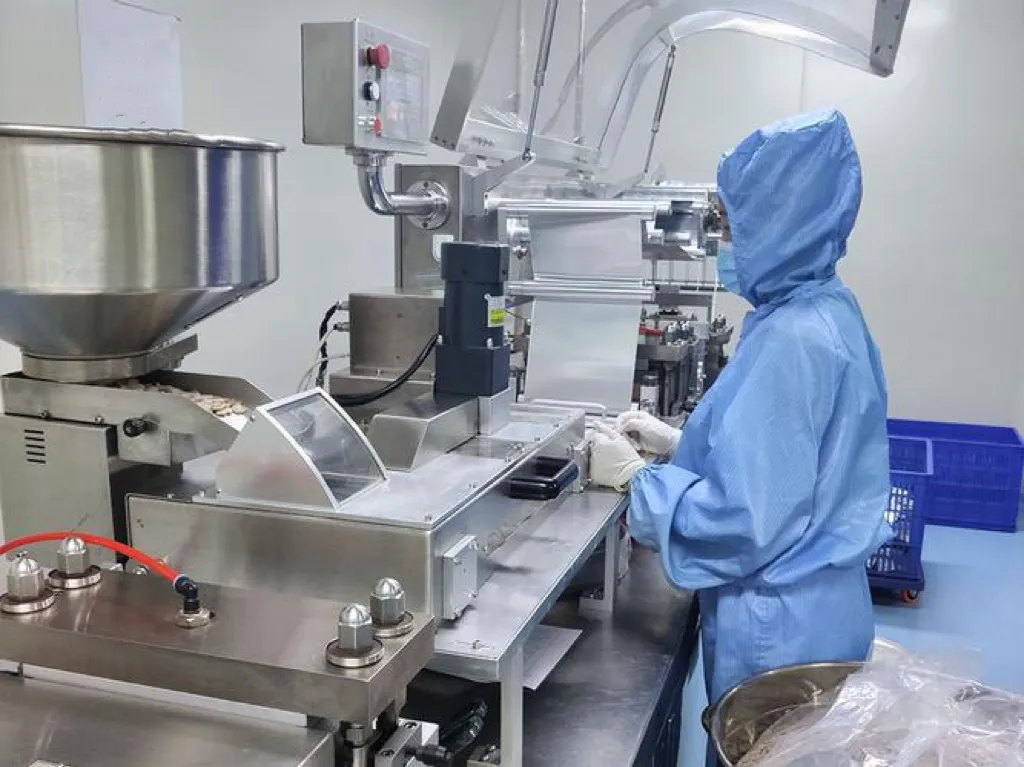
The core vitamins utilized in formulations for canine anemia are typically Vitamin B12 (Cobalamin), Folic Acid (Vitamin B9), Vitamin E (Tocopherol), and Vitamin C (Ascorbic Acid). B12 and Folic Acid are crucial cofactors in DNA synthesis, essential for rapid cell division during erythropoiesis. Vitamin E functions as an antioxidant, protecting red blood cell membranes from oxidative damage – a common consequence of anemia. Vitamin C enhances iron absorption, a key component of hemoglobin. Raw material sourcing demands stringent quality control. Vitamin B12 is often produced via bacterial fermentation (e.g., Propionibacterium shermanii), requiring precise control of fermentation parameters (temperature, pH, nutrient levels) to maximize yield and purity. Folic acid is typically synthesized chemically. Vitamin E is extracted from vegetable oils, necessitating careful selection of oil sources to minimize contaminants. Ascorbic acid is commonly synthesized from glucose. Manufacturing processes involve micronization to enhance bioavailability, encapsulation to improve stability against oxidation and degradation, and blending with appropriate excipients (e.g., microcrystalline cellulose, lactose) for tableting or liquid formulation. Key parameter control includes particle size distribution, moisture content, assay potency (quantification of vitamin concentration), and absence of heavy metal contaminants. Formulations are often coated to improve palatability and protect the active ingredients from gastric acid degradation.
Performance & Engineering
The performance of vitamin supplementation is evaluated based on hematological parameters. Key indicators include Packed Cell Volume (PCV), hemoglobin concentration, red blood cell count, and reticulocyte count (a measure of new red blood cell production). Force analysis, while not directly applicable to the vitamins themselves, is critical for assessing the tablet's hardness and friability – ensuring adequate structural integrity during handling and administration. Environmental resistance, specifically humidity and temperature stability, are paramount. Vitamin degradation rates accelerate at elevated temperatures and humidity, impacting potency. Packaging materials must provide a robust barrier against moisture and oxygen. Compliance requirements mandate adherence to Good Manufacturing Practices (GMP) and pharmacopeial standards (USP, EP). Functional implementation relies on optimal dosage, based on the severity of anemia, the dog’s weight, and the underlying cause. Bioavailability is a critical engineering consideration; chelated forms of minerals (often co-administered with vitamins) can enhance absorption. The enteric coating of tablets ensures the vitamins are released in the small intestine, maximizing absorption and minimizing gastric irritation. Pharmacokinetic studies are crucial to understand the absorption, distribution, metabolism, and excretion of the vitamins in canine physiology.
Technical Specifications
| Vitamin | Molecular Weight (g/mol) | Recommended Daily Dose (Medium Breed Dog) | Bioavailability (%) | Storage Condition |
|---|---|---|---|---|
| Vitamin B12 (Cyanocobalamin) | 367.35 | 10-20 mcg | 50-60 | Cool, dry place protected from light |
| Folic Acid | 441.04 | 200-400 mcg | 80-90 | Cool, dry place protected from light |
| Vitamin E (Alpha-Tocopherol) | 430.71 | 20-40 IU | 60-70 | Cool, dry place, nitrogen-flushed packaging |
| Vitamin C (Ascorbic Acid) | 176.12 | 100-200 mg | 70-80 | Airtight container, protected from light and moisture |
| Iron (Ferrous Sulfate) – often co-administered | 278.03 | 50-100 mg | 10-20 | Cool, dry place, protect from oxidation |
| Copper (Copper Sulfate) – often co-administered | 249.68 | 1-2 mg | 50-60 | Cool, dry place, protected from light |
Failure Mode & Maintenance
Failure modes in vitamin supplementation can arise from several sources. Degradation due to oxidation is a primary concern, particularly for Vitamin E and C. Exposure to light, heat, and oxygen accelerates this process, reducing potency. Tablet friability or crumbling can occur due to inadequate binder content or improper compression during manufacturing, leading to inconsistent dosing. Poor bioavailability, stemming from inadequate micronization or formulation, limits absorption. Contamination with heavy metals or microbial pathogens represents a critical safety risk, demanding rigorous quality control procedures. In the canine patient, failure can manifest as a lack of response to treatment (persistent anemia), indicating insufficient dosage, inaccurate diagnosis, or underlying conditions interfering with vitamin absorption (e.g., malabsorption syndromes). Maintenance strategies include proper storage conditions (cool, dry, dark), regular potency testing, implementation of robust quality control protocols during manufacturing, and close monitoring of hematological parameters in treated animals. Veterinarians should investigate alternative causes of anemia if a lack of response is observed despite adequate supplementation. Periodically reassessing the dog’s overall nutritional status can help identify deficiencies impacting erythropoiesis.
Industry FAQ
Q: What is the significance of chelated iron in the context of canine anemia supplementation?
A: Chelated iron forms a complex with amino acids, enhancing its stability and absorption in the gastrointestinal tract. Non-chelated iron (e.g., ferrous sulfate) is often poorly absorbed and can cause gastrointestinal upset. Chelation protects the iron from forming insoluble complexes with dietary phytates or phosphates, which inhibit absorption. This results in a higher bioavailability of iron, leading to more efficient hemoglobin synthesis.
Q: How does the formulation impact the stability of Vitamin C in a tablet form?
A: Vitamin C is highly susceptible to oxidation, especially in the presence of moisture and metal ions. Formulation strategies to enhance stability include microencapsulation (coating Vitamin C particles with a protective layer), the addition of antioxidants (e.g., Vitamin E, ascorbic palmitate), and the use of inert excipients that minimize moisture absorption. Packaging in airtight, opaque containers is also crucial.
Q: What hematological parameters should be monitored to assess the efficacy of vitamin B12 and folic acid supplementation?
A: Key parameters include the reticulocyte count (an increase indicates stimulated erythropoiesis), hemoglobin concentration (should increase with effective treatment), Packed Cell Volume (PCV, also should increase), and red blood cell count. Macrocytic anemia, characterized by large, immature red blood cells, is often indicative of Vitamin B12 or folic acid deficiency and should resolve with appropriate supplementation.
Q: Can excessive Vitamin E supplementation be detrimental to dogs with anemia?
A: While Vitamin E is an antioxidant and protects red blood cells, excessive doses can interfere with Vitamin K metabolism, potentially leading to bleeding disorders. Therefore, supplementation should be carefully controlled and monitored, adhering to recommended dosage guidelines. It is crucial to consider the dog’s overall Vitamin K status.
Q: What role does gastric acidity play in the absorption of Vitamin B12?
A: Vitamin B12 absorption requires intrinsic factor, a glycoprotein produced by parietal cells in the stomach. Gastric acidity is crucial for releasing Vitamin B12 from food proteins and allowing it to bind to intrinsic factor. Dogs with hypochlorhydria (low stomach acid) may have impaired Vitamin B12 absorption and may benefit from injectable B12 supplementation, bypassing the need for gastric acidity.
Conclusion
Effective management of canine anemia through vitamin supplementation demands a comprehensive understanding of the underlying pathophysiology, the intricate mechanisms of vitamin action, and the critical role of formulation and manufacturing processes. The selection of appropriate vitamins, accurate dosage determination, and meticulous monitoring of hematological parameters are essential for achieving positive clinical outcomes. Bioavailability considerations, encompassing micronization, chelation, and enteric coating, represent key engineering challenges.
Looking ahead, research into novel delivery systems – such as liposomes or nanoparticles – could further enhance vitamin bioavailability and target delivery to red blood cell precursors. Furthermore, personalized nutrition approaches, considering the individual dog’s genetic predisposition, dietary habits, and underlying health conditions, will likely become increasingly prevalent in optimizing vitamin supplementation strategies for canine anemia.
Latest news
Copyright © 2026
Dingzhou Kangquan Pharmaceutical Co., Ltd. All Rights Reserved. Sitemap | Privacy
Policy


