
2695018275@qq.com
+86
13780513619
- Afrikaans
- Albanian
- Amharic
- Arabic
- Armenian
- Azerbaijani
- Basque
- Belarusian
- Bengali
- Bosnian
- Bulgarian
- Catalan
- Cebuano
- Corsican
- Croatian
- Czech
- Danish
- Dutch
- English
- Esperanto
- Estonian
- Finnish
- French
- Frisian
- Galician
- Georgian
- German
- Greek
- Gujarati
- Haitian Creole
- hausa
- hawaiian
- Hebrew
- Hindi
- Miao
- Hungarian
- Icelandic
- igbo
- Indonesian
- irish
- Italian
- Japanese
- Javanese
- Kannada
- kazakh
- Khmer
- Rwandese
- Korean
- Kurdish
- Kyrgyz
- Lao
- Latin
- Latvian
- Lithuanian
- Luxembourgish
- Macedonian
- Malgashi
- Malay
- Malayalam
- Maltese
- Maori
- Marathi
- Mongolian
- Myanmar
- Nepali
- Norwegian
- Norwegian
- Occitan
- Pashto
- Persian
- Polish
- Portuguese
- Punjabi
- Romanian
- Russian
- Samoan
- Scottish Gaelic
- Serbian
- Sesotho
- Shona
- Sindhi
- Sinhala
- Slovak
- Slovenian
- Somali
- Spanish
- Sundanese
- Swahili
- Swedish
- Tagalog
- Tajik
- Tamil
- Tatar
- Telugu
- Thai
- Turkish
- Turkmen
- Ukrainian
- Urdu
- Uighur
- Uzbek
- Vietnamese
- Welsh
- Bantu
- Yiddish
- Yoruba
- Zulu
Apr . 01, 2024 17:55 Back to list
vitamins for golden retriever puppy Manufacturing Processes
Introduction
Vitamins formulated for Golden Retriever puppies represent a critical component of preventative healthcare and optimal development. These supplements are not merely ancillary; they address the specific physiological demands imposed by rapid growth, skeletal development, and immune system maturation characteristic of the breed. Unlike adult canine vitamins, puppy formulations prioritize nutrients essential for bone density, neurological function, and digestive health, mitigating risks associated with common Golden Retriever puppy ailments such as hip dysplasia, elbow dysplasia, and immune-mediated diseases. This guide details the scientific basis for vitamin supplementation in Golden Retriever puppies, the manufacturing processes involved, performance parameters, potential failure modes, and relevant industry standards. The core pain point in the market is ensuring bioavailability and appropriate dosages to avoid both deficiencies and toxicities, necessitating careful selection of ingredients and manufacturing controls. The industry chain includes raw material sourcing, formulation, manufacturing, quality control, distribution, and ultimately, veterinary recommendation/owner administration.
Material Science & Manufacturing
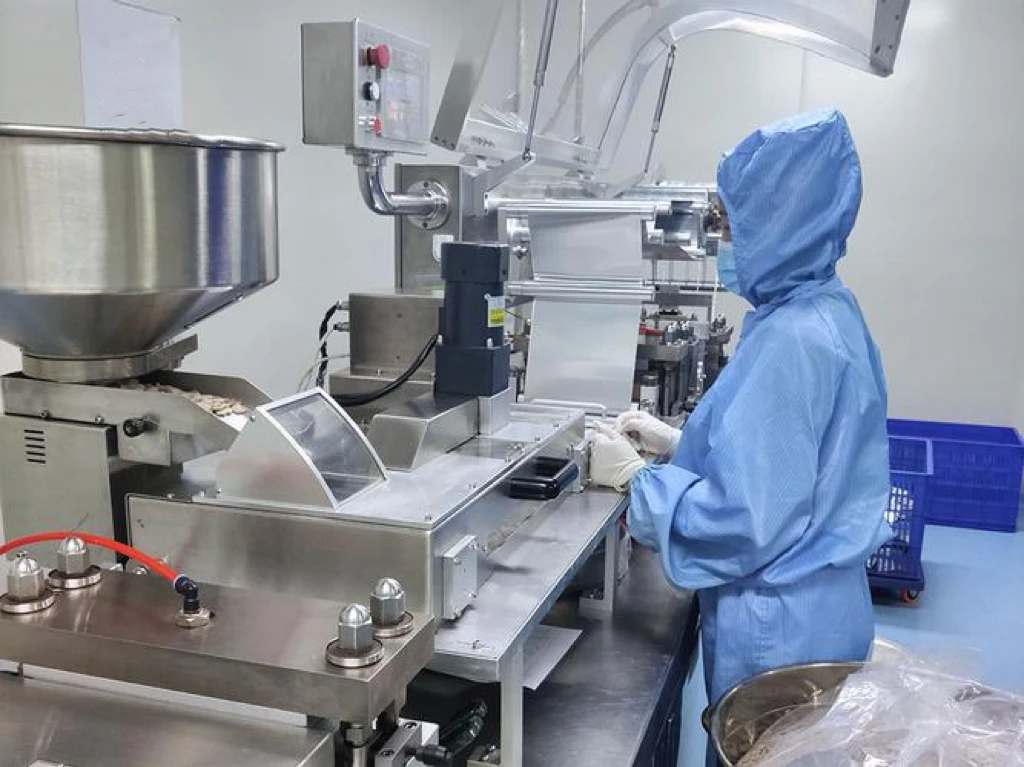
The production of vitamins for Golden Retriever puppies relies heavily on the synthesis and formulation of both fat-soluble (A, D, E, K) and water-soluble (B complex, C) vitamins. Raw material sourcing is paramount, with Vitamin A typically derived from beta-carotene sources (carrots, sweet potatoes) or retinyl palmitate, Vitamin D3 synthesized from lanolin or through UV irradiation of ergosterol, and Vitamin E sourced from vegetable oils (soybean, sunflower). B vitamins are often produced via microbial fermentation. Manufacturing processes vary based on the vitamin form. Powdered vitamins undergo blending with excipients (fillers like microcrystalline cellulose, binders like povidone) and palatability enhancers (animal digest, yeast). Liquid formulations require solvent systems (glycerin, propylene glycol) and preservatives (potassium sorbate, sodium benzoate). Critical parameters include particle size distribution (influencing bioavailability), moisture content (affecting stability), and homogeneity of the blend. Encapsulation techniques, such as spray drying or fluid bed coating, are employed to protect vitamins from degradation due to oxidation or light exposure. Quality control measures involve High-Performance Liquid Chromatography (HPLC) to verify vitamin potency and purity, microbial testing to ensure sterility, and heavy metal analysis to prevent contamination. Chelation processes are also applied to minerals like calcium and phosphorus to enhance absorption.
Performance & Engineering
The performance of vitamin supplementation is evaluated based on biochemical markers and clinical outcomes. Force analysis in this context isn’t directly applicable to the vitamin itself but rather the chewable tablet or capsule’s structural integrity during packaging, shipping, and handling – ensuring it doesn't crumble or lose potency. Environmental resistance is a crucial factor; vitamins are susceptible to degradation from light, heat, and oxygen. Packaging materials (amber glass, opaque plastic, blister packs) are engineered to minimize exposure. Compliance requirements stem from regulatory bodies like the FDA’s Center for Veterinary Medicine (CVM) and AAFCO (Association of American Feed Control Officials) guidelines. Functional implementation relies on bioavailability – the percentage of the administered vitamin that is absorbed into the bloodstream. Factors affecting bioavailability include the vitamin's chemical form (e.g., esterified vs. free), the presence of other nutrients (synergistic or antagonistic interactions), and the puppy’s gut health. Specifically for Golden Retrievers, maintaining optimal calcium:phosphorus ratios is critical to prevent hypertrophic osteodystrophy (HOD) and skeletal abnormalities. Glucosamine and chondroitin, often included in puppy formulations, support cartilage development and joint health. Antioxidants (Vitamin E, Vitamin C) combat oxidative stress, crucial for immune function.
Technical Specifications
| Vitamin | Minimum Daily Requirement (Large Breed Puppy, 10-12 weeks) | Maximum Tolerable Intake | Bioavailability (%) |
|---|---|---|---|
| Vitamin A (IU) | 400 IU | 3,000 IU | 70-90 |
| Vitamin D3 (IU) | 75 IU | 800 IU | 60-80 |
| Vitamin E (IU) | 25 IU | 200 IU | 50-70 |
| Vitamin K (mcg) | 10 mcg | 50 mcg | 80-95 |
| Vitamin C (mg) | 50 mg | 250 mg | 40-60 |
| B1 (Thiamine) (mg) | 0.5 mg | 5 mg | 75-90 |
Failure Mode & Maintenance
Failure modes in vitamin supplements can manifest as both product-related issues and physiological effects. Product degradation, primarily oxidation of fat-soluble vitamins, is a common failure. This is accelerated by exposure to air, light, and heat. Tablet crumbling or capsule shell failure can lead to dose inaccuracy. Physiological failures include vitamin toxicity, resulting from exceeding the maximum tolerable intake, leading to hypervitaminosis A (bone abnormalities) or Vitamin D toxicity (calcification of soft tissues). Vitamin deficiencies, conversely, can occur due to inadequate dosage, poor bioavailability, or underlying malabsorption issues. Maintenance involves proper storage (cool, dry, dark place), monitoring expiry dates, and observing the puppy for signs of deficiency (e.g., lethargy, weight loss, skin problems) or toxicity (e.g., vomiting, diarrhea, loss of appetite). Regular veterinary check-ups and blood work can assess vitamin levels and adjust supplementation accordingly. Manufacturing defects, such as uneven vitamin distribution within a batch, can be detected through rigorous quality control testing. Owners should report any adverse reactions to their veterinarian promptly. Packaging integrity is paramount for preventing degradation and ensuring accurate dosage.
Industry FAQ
Q: What is the optimal Vitamin D3 level for a growing Golden Retriever puppy, and how do I ensure they aren't deficient, especially during winter months with reduced sunlight exposure?
A: The optimal Vitamin D3 level for a growing Golden Retriever puppy is approximately 75-800 IU daily, dependent on body weight and individual needs assessed by a veterinarian. Deficiency is more prevalent during winter due to reduced UVB exposure, impacting cutaneous Vitamin D3 synthesis. Supplementation is often necessary, but it must be carefully calibrated to avoid toxicity. Monitoring serum Vitamin D3 levels through veterinary bloodwork is crucial. Look for formulations containing Vitamin D3 (cholecalciferol) as it’s more bioavailable than D2 (ergocalciferol).
Q: My puppy is a picky eater. How can I ensure they are getting adequate vitamin intake if they refuse to eat the supplemented food or chewable tablet?
A: Palatability is a significant challenge. Liquid vitamin formulations can be mixed with a small amount of wet food or broth to mask the taste. Alternatively, smaller, more frequent doses may be better tolerated. If a chewable tablet is refused, consider crushing it and mixing it with a palatable food item. However, ensure the vitamin remains stable after crushing. Consult with your veterinarian about alternative delivery methods, such as injectable vitamins in severe cases of malabsorption.
Q: I've noticed conflicting recommendations regarding calcium supplementation in Golden Retriever puppies. What is the current consensus on calcium levels and the risk of developmental orthopedic diseases?
A: The consensus is to avoid excessive calcium supplementation in Golden Retriever puppies. Over-supplementation, particularly with calcium alone without appropriate phosphorus and vitamin D levels, can disrupt the delicate balance required for proper bone development, increasing the risk of HOD and OCD. A balanced puppy food formulated specifically for large breeds typically provides adequate calcium levels. Additional calcium should only be administered under the guidance of a veterinarian based on bloodwork and assessment of individual puppy needs.
Q: What role do antioxidants like Vitamin E and Vitamin C play in supporting the immune system of a Golden Retriever puppy, and are they always necessary?
A: Antioxidants like Vitamin E and Vitamin C protect cells from damage caused by free radicals, which are produced during normal metabolism and increased during periods of stress or illness. They bolster the immune system by enhancing white blood cell function and reducing inflammation. While a high-quality puppy food should provide some antioxidants, supplementation can be beneficial, particularly during periods of rapid growth, stress (e.g., vaccination, travel), or illness. However, excessive Vitamin C can cause gastrointestinal upset.
Q: How do I determine the quality of a vitamin supplement for my Golden Retriever puppy? What should I look for on the label?
A: Look for supplements from reputable manufacturers with a commitment to quality control. The label should clearly state the guaranteed analysis of each vitamin, including potency (IU or mg). Look for certifications from organizations like the National Animal Supplement Council (NASC), which indicates adherence to quality standards. Avoid products with vague ingredient lists or proprietary blends, as these can obscure actual vitamin levels. Check the expiration date and ensure the product has been stored properly. Consider formulations designed specifically for large breed puppies.
Conclusion
Vitamin supplementation in Golden Retriever puppies is a nuanced field requiring careful consideration of breed-specific needs, individual puppy physiology, and product quality. The optimal approach isn't simply to administer the highest possible doses but to provide a balanced and bioavailable formulation tailored to support healthy growth, skeletal development, and immune function. Addressing the core pain point of bioavailability through encapsulation techniques and careful ingredient selection is vital.
Future research should focus on refining dosage recommendations based on genetic predispositions and individual metabolic rates. Further investigation into synergistic interactions between vitamins and other nutrients (e.g., omega-3 fatty acids, glucosamine) will undoubtedly improve the efficacy of supplementation. Ultimately, proactive veterinary guidance and responsible owner administration are essential to maximizing the benefits and minimizing the risks associated with vitamin supplementation in this beloved breed.
Latest news
Copyright © 2026
Dingzhou Kangquan Pharmaceutical Co., Ltd. All Rights Reserved. Sitemap | Privacy
Policy


