

Prenatal canine vitamin supplements, often termed “vitamins for mama dog,” represent a critical component of reproductive health management in canids. These formulations are not simply generalized multivitamins; rather, they are meticulously designed to address the heightened physiological demands of gestation and lactation. The industry chain positions these supplements as a preventative healthcare measure, falling under the broader category of veterinary nutritional products, sourced from raw material suppliers (vitamin & mineral producers, protein hydrolysates) through manufacturing facilities specializing in animal health supplements, and distributed via veterinary clinics, pet supply stores, and increasingly, online retailers. Core performance characteristics revolve around optimizing fetal development, supporting maternal well-being, enhancing milk quality, and minimizing the incidence of metabolic disorders such as eclampsia and retained placentas. This guide will delve into the material science, manufacturing processes, performance considerations, failure modes, and industry standards governing these specialized supplements.
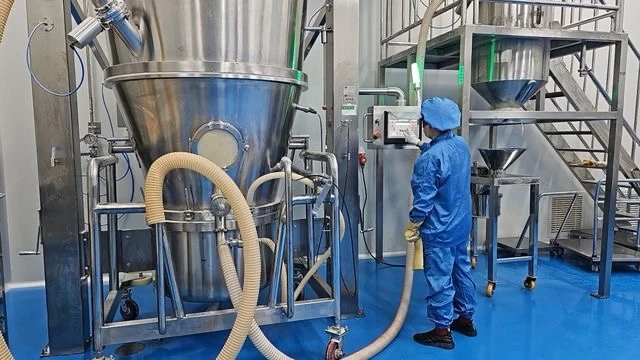
The foundational materials for vitamins for mama dog comprise a range of organic and inorganic compounds. Key active ingredients include Vitamin A (retinol palmitate), Vitamin D3 (cholecalciferol), Vitamin E (alpha-tocopherol), B-complex vitamins (thiamine, riboflavin, niacin, pantothenic acid, pyridoxine, biotin, folic acid, cobalamin), Calcium (typically calcium carbonate or calcium phosphate), Phosphorus (dicalcium phosphate), and trace minerals such as Iron (ferrous sulfate), Zinc (zinc oxide), Copper (copper sulfate), and Iodine (potassium iodide). Protein is also often included, frequently as a hydrolyzed protein source to enhance digestibility. Excipients, such as microcrystalline cellulose, lactose, and magnesium stearate, are utilized as binders, diluents, and lubricants to ensure tablet or capsule integrity and flowability during manufacturing. The manufacturing process typically involves premixing the raw materials to ensure homogeneity. For tablet formulations, wet granulation is commonly employed, followed by drying, milling, and tableting. Capsule formulations involve filling pre-formed hard gelatin or vegetarian capsules with the premixed powder. Parameter control is paramount: accurate weighing of ingredients, controlled mixing times and temperatures (to prevent degradation of heat-sensitive vitamins), consistent granule size distribution (for tablets), and appropriate capsule fill weights are all critical quality control points. Batch-to-batch consistency relies heavily on validated analytical methods (HPLC, UV-Vis spectrophotometry, atomic absorption spectroscopy) to verify the concentration of each active ingredient.
The performance of vitamins for mama dog is fundamentally linked to bioavailability – the extent to which the nutrients are absorbed and utilized by the dam. Bioavailability is influenced by the chemical form of the nutrient, the presence of enhancers or inhibitors in the formulation, and the physiological state of the dam. Calcium and phosphorus balance is crucial to prevent eclampsia (milk fever), a life-threatening condition caused by hypocalcemia. The molar ratio of Calcium to Phosphorus must be carefully maintained, typically between 1:1 and 2:1. Vitamin D3 facilitates calcium absorption, but excessive Vitamin D3 can lead to hypercalcemia, another potentially dangerous condition. Force analysis during tablet compression is important; insufficient force results in friable tablets, while excessive force can lead to capping or lamination. Environmental resistance is less of a direct concern for the supplement itself, but packaging integrity is vital to protect the vitamins from moisture, light, and oxidation. Compliance requirements are governed by veterinary regulatory bodies, dictating permissible ingredient levels and labeling requirements. Functional implementation relies on the formulation meeting the specific nutrient requirements of the dog's reproductive cycle: increased protein and energy demands during gestation, and heightened calcium and phosphorus needs during lactation. Supplementation must be tailored to the breed, size, and physiological status of the dam.
| Parameter | Unit | Typical Value (Per Dose) | Testing Method |
|---|---|---|---|
| Vitamin A | IU | 5,000 | HPLC |
| Vitamin D3 | IU | 500 | HPLC |
| Vitamin E | IU | 50 | HPLC |
| Calcium | mg | 200 | Atomic Absorption Spectroscopy |
| Phosphorus | mg | 150 | Atomic Absorption Spectroscopy |
| Protein | g | 2 | Kjeldahl Method |
Failure modes for vitamins for mama dog encompass both product-related defects and issues stemming from improper storage or administration. Product-related failures include ingredient degradation (particularly of Vitamin C and B vitamins due to oxidation), inconsistent fill weights (leading to under- or over-dosing), and tablet friability or capsule dissolution issues. Degradation is accelerated by exposure to heat, light, and moisture. Improper storage—leaving the product in a humid environment or direct sunlight—contributes significantly to these failures. From a biological perspective, failure can manifest as inadequate nutrient absorption due to poor bioavailability, or interactions with other dietary components. Maintenance and preventative measures involve proper storage protocols (cool, dry, dark place), adherence to the manufacturer’s recommended dosage, and regular monitoring of the dam’s health parameters (calcium levels, pup viability). Visual inspection of the tablets or capsules for discoloration, crumbling, or capsule damage is recommended before administration. If signs of deterioration are observed, the product should be discarded. For veterinary clinics, proper inventory management (FIFO – First In, First Out) is essential to minimize the risk of using expired or degraded supplements.
A: Hydrolyzed protein is included to enhance digestibility and absorption. The process of hydrolysis breaks down long protein chains into smaller peptides and amino acids, making them more readily available for maternal uptake and fetal development. This is particularly important during gestation when the dam’s protein requirements significantly increase.
A: Bioavailability is enhanced through encapsulation techniques (microencapsulation) and the inclusion of fat sources in the formulation to aid absorption. The particle size of the vitamins is also critical; smaller particle sizes generally lead to improved absorption. Formulating with appropriate excipients also contributes to optimal bioavailability.
A: Vitamin D3 toxicity, leading to hypercalcemia, is a potential risk. Formulations are carefully designed to include Vitamin D3 at levels that meet the dam’s requirements without exceeding the tolerable upper intake level. Monitoring calcium levels in the dam, particularly during late gestation and lactation, is also recommended.
A: Maintaining an appropriate Calcium to Phosphorus ratio (typically 1:1 to 2:1) is critical for calcium homeostasis. An imbalance can lead to hypocalcemia (eclampsia) or hypercalcemia. The ratio is precisely controlled during formulation to minimize these risks.
A: Rigorous quality control testing is conducted throughout the manufacturing process. This includes HPLC for vitamin quantification, Atomic Absorption Spectroscopy for mineral analysis, Kjeldahl Method for protein determination, and physical tests such as tablet hardness, disintegration time, and capsule fill weight. Certificates of Analysis (COAs) are generated for each batch to verify compliance with specifications.
Vitamins for mama dog are sophisticated nutritional supplements designed to address the unique physiological demands of canine reproduction. Successful formulation and manufacturing hinge upon a comprehensive understanding of material science, stringent parameter control during production, and meticulous quality assurance procedures. Maintaining optimal bioavailability of nutrients is paramount to ensuring efficacy, and careful consideration must be given to preventing potential failure modes such as ingredient degradation and imbalances in key mineral ratios.


