
2695018275@qq.com
+86
13780513619
- Afrikaans
- Albanian
- Amharic
- Arabic
- Armenian
- Azerbaijani
- Basque
- Belarusian
- Bengali
- Bosnian
- Bulgarian
- Catalan
- Cebuano
- Corsican
- Croatian
- Czech
- Danish
- Dutch
- English
- Esperanto
- Estonian
- Finnish
- French
- Frisian
- Galician
- Georgian
- German
- Greek
- Gujarati
- Haitian Creole
- hausa
- hawaiian
- Hebrew
- Hindi
- Miao
- Hungarian
- Icelandic
- igbo
- Indonesian
- irish
- Italian
- Japanese
- Javanese
- Kannada
- kazakh
- Khmer
- Rwandese
- Korean
- Kurdish
- Kyrgyz
- Lao
- Latin
- Latvian
- Lithuanian
- Luxembourgish
- Macedonian
- Malgashi
- Malay
- Malayalam
- Maltese
- Maori
- Marathi
- Mongolian
- Myanmar
- Nepali
- Norwegian
- Norwegian
- Occitan
- Pashto
- Persian
- Polish
- Portuguese
- Punjabi
- Romanian
- Russian
- Samoan
- Scottish Gaelic
- Serbian
- Sesotho
- Shona
- Sindhi
- Sinhala
- Slovak
- Slovenian
- Somali
- Spanish
- Sundanese
- Swahili
- Swedish
- Tagalog
- Tajik
- Tamil
- Tatar
- Telugu
- Thai
- Turkish
- Turkmen
- Ukrainian
- Urdu
- Uighur
- Uzbek
- Vietnamese
- Welsh
- Bantu
- Yiddish
- Yoruba
- Zulu
Apr . 01, 2024 17:55 Back to list
vitamins for newborn puppies Performance Analysis
Introduction
Neonatal vitamin supplementation in puppies is a critical aspect of preventative veterinary medicine. This technical guide details the necessity, composition, manufacturing, performance characteristics, failure modes, and industry standards pertaining to vitamins formulated specifically for newborn puppies. Puppy vitamin supplementation addresses the inherently limited transfer of vitamins from the dam during gestation and lactation, and the immature metabolic capabilities of the neonate. This results in a heightened vulnerability to deficiencies affecting growth, immune function, and overall health. The industry chain encompasses raw material sourcing (vitamin synthesis or extraction), formulation (mixing vitamins with carriers and excipients), quality control, packaging, distribution, and finally, administration to the puppy. Core performance revolves around bioavailability – the proportion of administered vitamin that is absorbed and utilized by the puppy – and stability – the retention of vitamin potency throughout the product's shelf life.
Material Science & Manufacturing
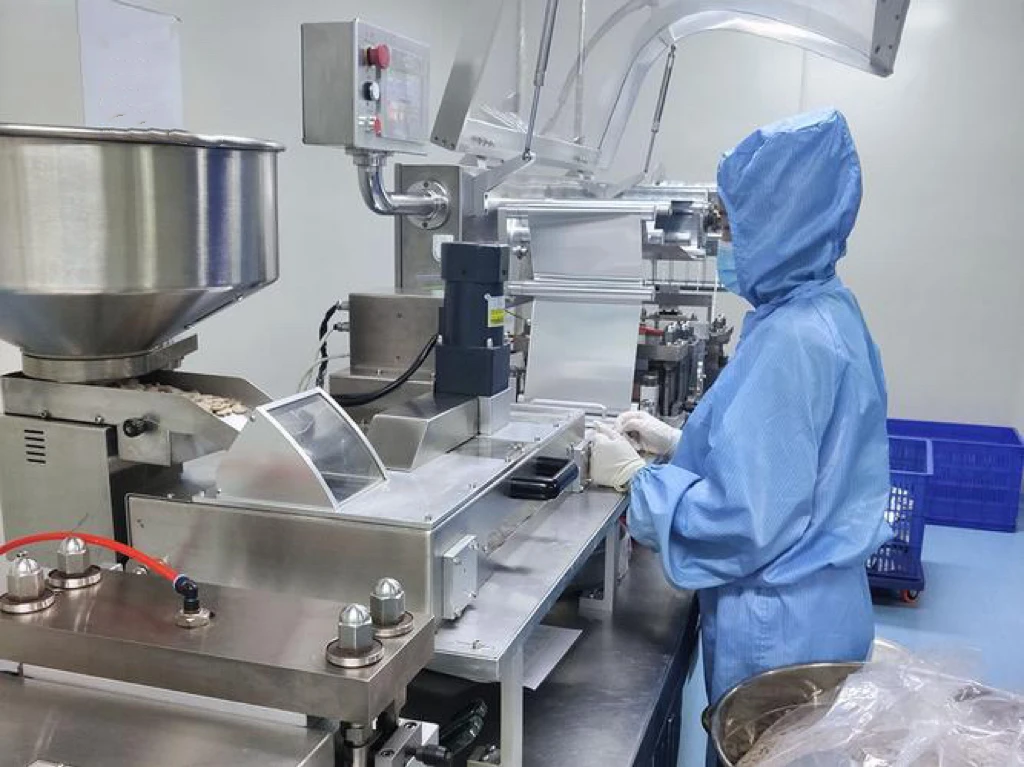
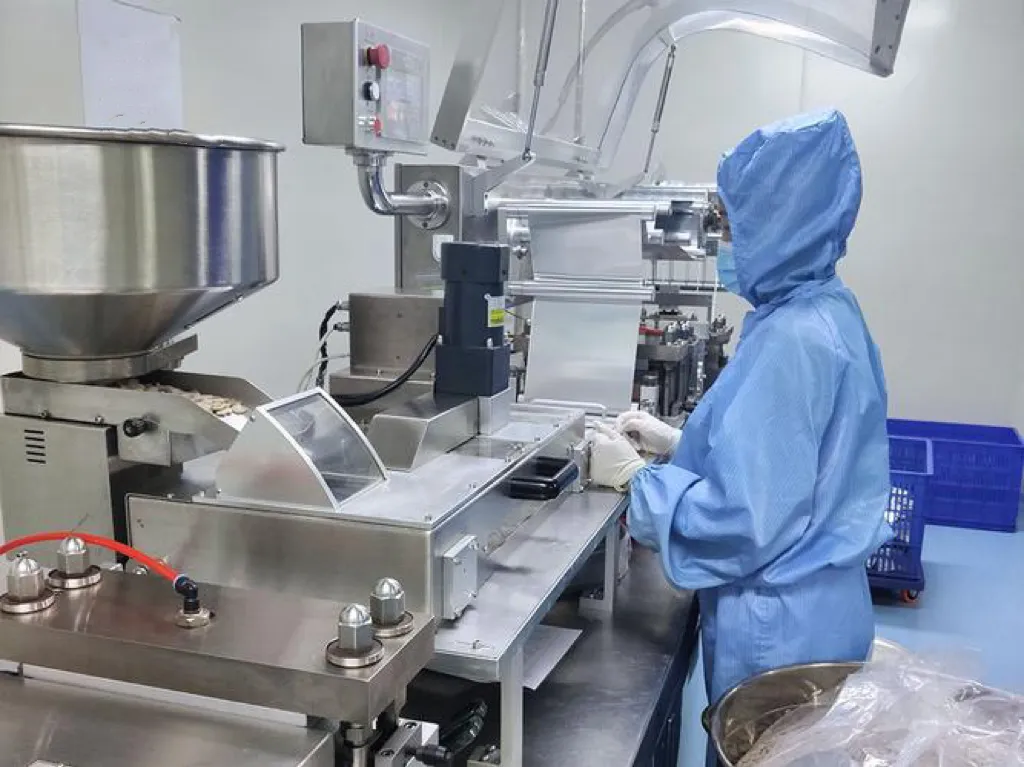
The primary raw materials are fat-soluble vitamins (A, D, E, K) and water-soluble vitamins (B-complex, C). Vitamin A (retinol) is frequently synthesized chemically, while Vitamin D (cholecalciferol) is sourced from lanolin or synthesized via UV irradiation of cholesterol. Vitamin E (tocopherol) is typically extracted from vegetable oils. Vitamin K (phylloquinone or menaquinone) can be synthetically produced or obtained from bacterial fermentation. B vitamins are commonly produced through microbial fermentation processes. Vitamin C (ascorbic acid) is generally synthetically produced. Carriers are crucial for solubility and palatability. Common carriers include vegetable oils (sunflower, soybean, fish oil – providing essential fatty acids), glycerin (humectant), and various proteins. Manufacturing commonly employs microencapsulation to enhance stability and bioavailability, particularly for fat-soluble vitamins. This involves coating vitamin particles with a protective matrix. Process parameters are critical: temperature control during mixing (to prevent vitamin degradation), homogenization speed (for uniform particle size), and coating thickness (for optimal release rate). Quality control relies on High-Performance Liquid Chromatography (HPLC) to quantify vitamin content and assess purity. Raw material sourcing must adhere to stringent pharmacopeial standards (USP, EP) to minimize contaminant risks.
Performance & Engineering
The efficacy of vitamin supplementation is directly linked to absorption kinetics. Fat-soluble vitamins require incorporation into micelles for absorption in the small intestine, dependent on pancreatic lipase activity and bile salt secretion. Water-soluble vitamins are generally absorbed via simple diffusion or active transport mechanisms. Dosage calculations must account for puppy weight and physiological stage (early neonatal vs. weaning). Bioavailability is affected by factors like gut health, concurrent medications, and the form of the vitamin (e.g., esterified vs. free form). Engineering considerations involve ensuring palatability for voluntary consumption. Flavor masking is achieved using palatable coatings or the addition of small amounts of animal-derived proteins. The delivery format (liquid, gel, capsule) impacts ease of administration and dosage accuracy. Environmental resistance pertains to protecting vitamins from oxidation and degradation due to exposure to light, air, and moisture. Packaging materials (amber glass, opaque polymers) and the inclusion of antioxidants (Vitamin E, ascorbic acid) are employed to enhance stability. Compliance requirements are dictated by veterinary pharmaceutical regulations in the target market, including Good Manufacturing Practices (GMP) and labeling standards.
Technical Specifications
| Vitamin | Typical Puppy Dosage (per kg body weight) | Unit of Measurement | Bioavailability Range (%) |
|---|---|---|---|
| Vitamin A (Retinol) | 100-200 | IU | 60-80 |
| Vitamin D3 (Cholecalciferol) | 20-40 | IU | 50-70 |
| Vitamin E (Tocopherol) | 5-10 | mg | 40-60 |
| Vitamin K | 0.1-0.2 | mg | 70-90 |
| Vitamin B1 (Thiamine) | 0.5-1.0 | mg | 75-85 |
| Vitamin B2 (Riboflavin) | 0.5-1.0 | mg | 65-75 |
Failure Mode & Maintenance
Common failure modes include vitamin degradation due to oxidation (manifesting as reduced potency), microbial contamination (leading to toxicity or reduced efficacy), and physical instability (separation of ingredients, changes in viscosity). Oxidation is prevented by using antioxidants and airtight packaging. Microbial contamination is mitigated through sterile manufacturing processes and the inclusion of preservatives. Physical instability can be addressed by optimizing formulation viscosity and ensuring proper mixing during manufacturing. A critical failure mode is under-dosing, resulting from inaccurate formulation or improper administration. This can lead to vitamin deficiencies and associated health problems. Regular HPLC testing is essential for quality control and detecting potency loss. Storage conditions significantly impact stability; products should be stored in a cool, dry place away from direct sunlight. Maintenance involves inspecting packaging for damage (leaks, cracks) and verifying the expiration date before administration. Discard any product exhibiting signs of discoloration, unusual odor, or separation of phases. Furthermore, the puppy's response should be monitored – lack of improvement in health or the development of deficiency symptoms may indicate a product failure.
Industry FAQ
Q: What is the optimal Vitamin E form for puppy supplementation and why?
A: D-alpha-tocopherol is the preferred form of Vitamin E. It is the naturally occurring form and demonstrates superior bioavailability compared to synthetic DL-alpha-tocopherol. Puppies absorb and utilize the D-form more efficiently, ensuring adequate antioxidant protection and immune system support.
Q: How does the inclusion of chelated minerals impact vitamin absorption?
A: Chelated minerals (e.g., zinc chelate, copper chelate) can enhance the absorption of certain vitamins, particularly those involved in enzyme activation. Minerals act as cofactors for enzymes that are critical for vitamin metabolism and utilization. This synergistic effect improves overall nutritional status.
Q: What analytical methods are used to verify the absence of mycotoxins in raw vitamin ingredients?
A: High-Performance Liquid Chromatography with Fluorescence Detection (HPLC-FLD) and Enzyme-Linked Immunosorbent Assay (ELISA) are commonly employed to detect mycotoxins such as aflatoxins, ochratoxin A, and fumonisins. These methods ensure the raw materials meet stringent safety standards and minimize the risk of toxicity.
Q: What is the role of Vitamin K in neonate vitamin supplementation, and what are the risks of deficiency?
A: Vitamin K is crucial for the synthesis of coagulation factors in the liver, essential for normal blood clotting. Neonatal puppies have limited Vitamin K stores and a sterile gut, making them susceptible to bleeding disorders. Deficiency can lead to hemorrhagic disease, potentially fatal if left untreated. Supplementation ensures adequate clotting function.
Q: How should liquid vitamin formulations be dosed for multiple puppies within a litter, considering variations in birth weight?
A: Individual weight-based dosing is ideal, though impractical for large litters. A conservative approach is to dose based on the average litter weight, erring on the side of slightly lower dosing for smaller puppies and monitoring for any adverse reactions. Precise micropipettes or graduated syringes are essential for accurate administration.
Conclusion
Effective vitamin supplementation in newborn puppies necessitates a comprehensive understanding of their unique physiological needs, the intricacies of vitamin bioavailability, and the potential failure modes that can compromise product efficacy. The selection of high-quality raw materials, coupled with rigorous manufacturing controls and analytical testing, is paramount to ensuring product safety and potency. Furthermore, careful consideration must be given to formulation characteristics – including palatability, stability, and delivery format – to maximize voluntary consumption and therapeutic benefit.
Future developments may focus on novel delivery systems, such as nanoencapsulation, to further enhance vitamin bioavailability and targeted delivery. Research into the optimal vitamin ratios and synergistic effects will refine supplementation protocols. Continued adherence to evolving veterinary pharmaceutical regulations and industry best practices is essential for maintaining the highest standards of quality and ensuring the health and well-being of neonatal puppies.
Latest news
Copyright © 2026
Dingzhou Kangquan Pharmaceutical Co., Ltd. All Rights Reserved. Sitemap | Privacy
Policy


