
Geriatric canine vitamin supplementation represents a critical component of preventative healthcare for small breed dogs experiencing age-related physiological decline. This guide provides a comprehensive technical overview of vitamin formulations specifically designed for senior small dogs (defined as those generally over 7 years of age, or exhibiting signs of aging regardless of chronological age). The industry segment focuses on palatability, bioavailability, and targeted nutrient delivery to address common geriatric deficiencies. Core performance indicators include maintenance of cognitive function, support of joint health, bolstering immune response, and preservation of skin and coat integrity. The increasing prevalence of age-related diseases in companion animals drives demand for optimized vitamin supplementation, creating a competitive landscape focused on scientific validation and quality control. Furthermore, regulations surrounding pet food and supplement manufacturing necessitate rigorous adherence to established standards to ensure product safety and efficacy. The bioavailability of nutrients, impacted by factors such as gut absorption and metabolic rate, is a key technical challenge. Understanding these considerations is vital for effective supplementation.
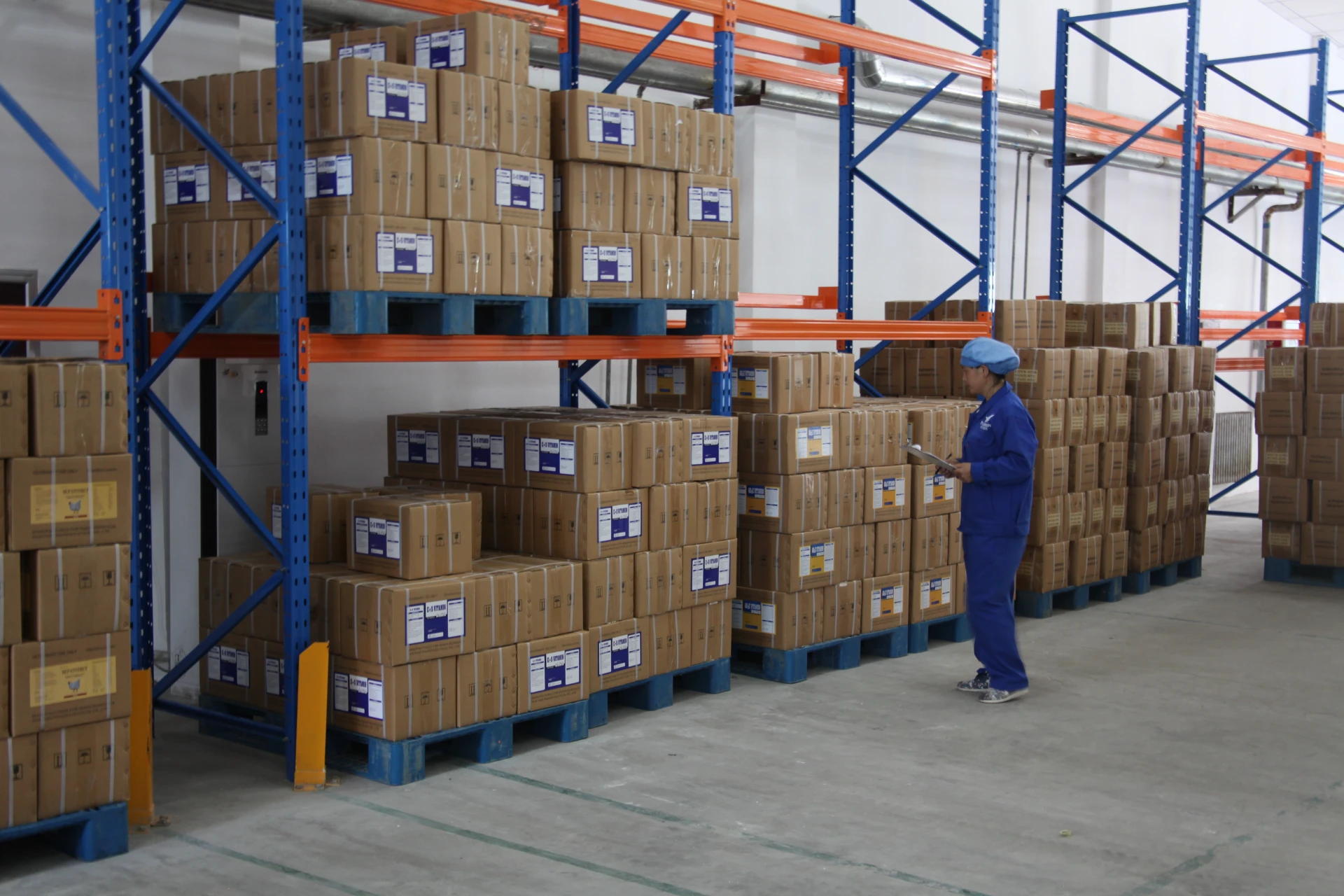
The primary raw materials in geriatric small dog vitamin formulations include Vitamin A (retinol), Vitamin D3 (cholecalciferol), Vitamin E (tocopherol), B-complex vitamins (thiamine, riboflavin, niacin, pantothenic acid, pyridoxine, biotin, folate, cobalamin), Vitamin C (ascorbic acid), and trace minerals (zinc, selenium, manganese). The source of these vitamins is crucial; synthetic vitamins are common due to cost-effectiveness, while naturally derived vitamins often boast superior bioavailability, though at a higher production cost. Encapsulation technologies, utilizing materials such as gelatin, hypromellose (HPMC), or even lipid-based carriers, are frequently employed to protect vitamins from degradation during manufacturing and improve stability during storage. Manufacturing processes typically involve blending powdered vitamins and minerals with carriers (e.g., rice bran, cellulose) and palatability enhancers (e.g., animal digests, yeast extracts). Tablet formation utilizes direct compression, wet granulation, or dry granulation techniques. Soft chews involve extrusion processes and the incorporation of binding agents like glycerin and sorbitol. Key parameter control during manufacturing focuses on uniform distribution of vitamins, moisture content (to prevent degradation), and tablet/chew hardness (to ensure structural integrity). Analytical testing, using HPLC (High-Performance Liquid Chromatography) and spectrophotometry, verifies vitamin content and purity. Microbial testing ensures product safety and prevents contamination.
The performance of geriatric vitamin formulations is governed by pharmacokinetic principles: absorption, distribution, metabolism, and excretion (ADME). Bioavailability – the fraction of the administered dose that reaches systemic circulation – is paramount. Smaller dogs have higher metabolic rates relative to their body mass, necessitating adjusted dosage regimens. Vitamin D3, crucial for calcium absorption, requires adequate levels of Vitamin K to prevent hypercalcemia. Antioxidant vitamins (E and C) combat oxidative stress, a major contributor to age-related cellular damage. B-vitamins support neuronal function, aiding in cognitive health. Formulations targeting joint health frequently incorporate glucosamine and chondroitin, alongside Vitamin C, which is essential for collagen synthesis. Environmental resistance considerations include protection against oxidation (through packaging with oxygen absorbers) and moisture (through desiccant inclusion). Compliance requirements are dictated by regulatory bodies like the FDA's Center for Veterinary Medicine (CVM). Engineering considerations extend to chew texture and size; small dogs require easily chewable, appropriately sized supplements to avoid choking hazards and promote adequate mastication for optimal absorption. Force analysis during chew testing determines the amount of force required to break down the supplement, correlating with palatability and digestibility.
| Vitamin | Minimum Daily Requirement (Small Dog, <10kg) | Typical Formulation Range | Bioavailability Considerations |
|---|---|---|---|
| Vitamin A (Retinol) | 150 IU | 200-300 IU | Fat-soluble; absorption enhanced with dietary fat. |
| Vitamin D3 (Cholecalciferol) | 30 IU | 40-60 IU | Fat-soluble; regulated by kidney function. Toxicity possible at high doses. |
| Vitamin E (Tocopherol) | 10 IU | 15-25 IU | Fat-soluble; antioxidant properties. |
| Vitamin C (Ascorbic Acid) | 50 mg | 75-150 mg | Water-soluble; limited storage in the body. |
| B-Complex Vitamins | Variable (see below) | Follow AAFCO guidelines | Water-soluble; excess excreted in urine. |
| B1 (Thiamine) | 0.1 mg | 0.15-0.2 mg | Crucial for carbohydrate metabolism. |
Common failure modes in geriatric vitamin formulations include vitamin degradation due to oxidation or moisture exposure, resulting in reduced potency. Physical degradation, such as tablet crumbling or chew becoming brittle, can indicate improper manufacturing or storage conditions. Palatability decline, leading to reduced compliance, can occur due to oxidation of fats or rancidity of palatability enhancers. Bioavailability issues can arise from interactions with dietary components or reduced gut absorption associated with age-related digestive dysfunction. Failure analysis techniques involve HPLC testing to assess vitamin content, moisture analysis to determine water activity, and texture analysis to evaluate physical integrity. Maintenance solutions include packaging in airtight, moisture-resistant containers with oxygen absorbers. Storage in a cool, dry place away from direct sunlight is crucial. Regularly monitoring product quality through analytical testing is essential. Encouraging consistent administration, potentially through palatability enhancers or disguising the supplement in food, improves compliance. Veterinary consultation is recommended to adjust dosage based on individual animal needs and monitor for adverse reactions.
A: Chelated minerals (e.g., zinc bisglycinate) offer improved bioavailability compared to inorganic mineral salts. The chelation process binds the mineral to an amino acid, protecting it from interactions with other dietary components that can hinder absorption. This is particularly crucial in older dogs, who may have reduced digestive capacity and impaired mineral absorption.
A: Look for products with a National Animal Supplement Council (NASC) Quality Seal, which indicates adherence to Good Manufacturing Practices (GMP). Examine the ingredient list and ensure that vitamins are present in bioavailable forms (e.g., methylcobalamin instead of cyanocobalamin for Vitamin B12). Verify that the product has undergone third-party testing for purity and potency.
A: No. Vitamins are intended to supplement a nutritionally complete and balanced diet, not replace it. A high-quality diet provides the foundation for optimal health, and vitamins address specific nutritional deficiencies or support age-related needs.
A: Overdosing on fat-soluble vitamins (A, D, E, K) can lead to hypervitaminosis, which can cause a range of adverse effects, including liver damage, neurological problems, and gastrointestinal upset. It is essential to follow dosage instructions carefully and consult with a veterinarian.
A: Store supplements in a cool, dry place away from direct sunlight and heat. Keep the container tightly sealed to prevent exposure to oxygen and moisture. Do not store supplements in the bathroom or kitchen, where humidity levels are often high.
Effective vitamin supplementation for older small dogs demands a nuanced understanding of geriatric physiology, nutrient bioavailability, and formulation science. Achieving optimal health outcomes necessitates a multi-faceted approach, encompassing high-quality ingredients, robust manufacturing processes, and adherence to stringent quality control measures. The selection of appropriate vitamin forms, such as chelated minerals and stabilized antioxidants, maximizes absorption and mitigates degradation.
Future trends in this sector will likely focus on personalized nutrition, utilizing genetic testing to tailor vitamin formulations to individual canine needs. The development of novel delivery systems, such as nano-encapsulation, will further enhance bioavailability and targeted nutrient delivery. Continued research into the specific nutritional requirements of aging small breed dogs is essential to refine supplementation strategies and improve the quality of life for our companion animals.


