

Vitamins for one-month-old puppies represent a critical nutritional intervention to support rapid growth, immune system development, and overall health. This technical guide details the physiological necessity of supplemental vitamins during this crucial developmental stage, addressing the limitations of maternal transfer and the increased metabolic demands of the rapidly growing puppy. The commercial formulation and delivery of these vitamins, primarily through liquid or powdered supplements, are examined in the context of bioavailability, stability, and palatability. A key performance indicator (KPI) for these products is the demonstrable improvement in puppy weight gain, reduced incidence of congenital deficiencies, and enhanced immune response as measured by antibody titers. This guide will dissect the science underpinning these formulations, exploring the impact of specific vitamin deficiencies and the optimal nutritional strategies to mitigate them, positioning the products within the broader veterinary and canine nutrition industry supply chain.
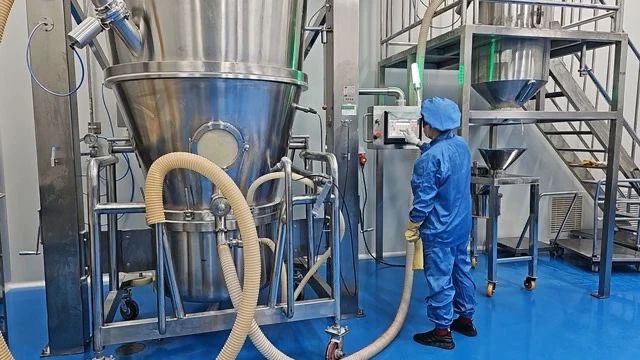
The core components of puppy vitamin formulations include fat-soluble vitamins (A, D, E, K), water-soluble vitamins (B complex, C), and mineral complexes, often chelated for improved absorption. Raw materials are sourced from chemical synthesis or natural extraction (e.g., Vitamin E from vegetable oils). Vitamin A, commonly retinyl palmitate, requires precise control of esterification to ensure stability. Vitamin D3 (cholecalciferol) is typically derived from lanolin or fungal sources. Manufacturing processes vary depending on the delivery format. Liquid formulations involve dissolving vitamins in a carrier oil (e.g., soybean oil, fish oil) with added preservatives (e.g., tocopherols, ascorbic acid) to prevent oxidation. Powdered formulations utilize spray drying or lyophilization (freeze-drying) to encapsulate vitamins within a matrix (e.g., maltodextrin, whey protein) improving shelf life and palatability. Critical parameters include temperature control during mixing and drying to prevent vitamin degradation, rigorous quality control to verify vitamin potency through High-Performance Liquid Chromatography (HPLC) and spectrophotometry, and encapsulation efficiency for powdered forms. The choice of excipients impacts stability; for example, Vitamin C is particularly susceptible to oxidation and requires a nitrogen-flushed environment during processing. Batch-to-batch consistency is vital, requiring adherence to Good Manufacturing Practices (GMP) standards.
The efficacy of puppy vitamins hinges on bioavailability – the proportion of administered vitamin that reaches systemic circulation. This is governed by several factors: solubility, absorption mechanisms in the small intestine, and susceptibility to degradation in the gastrointestinal tract. Fat-soluble vitamins require incorporation into micelles for absorption, necessitating the presence of dietary fats. Water-soluble vitamins are absorbed via specific transporters, which can become saturated at high doses. Environmental resistance is a critical performance metric. Vitamins are vulnerable to oxidation (Vitamin A, E, C) and UV degradation. Packaging materials (opaque bottles, airtight containers) play a crucial role in protecting vitamin potency. Compliance requirements mandated by veterinary regulatory bodies (e.g., FDA-CVM in the US) dictate minimum and maximum vitamin levels, permissible excipients, and labeling requirements. Functional implementation involves ensuring accurate dosing, typically through graduated droppers or pre-portioned packets. Formulation engineers consider the synergistic effects of vitamin combinations (e.g., Vitamin D and Calcium) and potential antagonistic interactions (e.g., Iron and Zinc). Force analysis, in terms of tablet compression or encapsulation force, is important in powdered formulations to ensure consistent dosage delivery.
| Vitamin | Recommended Daily Intake (RDI) – 1 month old puppy (5kg body weight) | Minimum Potency (% of RDI in final product) | Stability (Shelf Life - % Vitamin Remaining after 12 months) |
|---|---|---|---|
| Vitamin A (Retinyl Palmitate) | 200 IU | 100% | 85% |
| Vitamin D3 (Cholecalciferol) | 40 IU | 100% | 90% |
| Vitamin E (Alpha-Tocopherol) | 20 mg | 100% | 70% |
| Vitamin K | 10 mcg | 100% | 80% |
| Vitamin B1 (Thiamine) | 0.1 mg | 100% | 95% |
| Vitamin B12 (Cyanocobalamin) | 1 mcg | 100% | 90% |
Failure modes in puppy vitamin products can manifest as loss of potency, degradation of active ingredients, or delivery system malfunction. Oxidation is a primary failure mechanism for fat-soluble vitamins, leading to reduced efficacy. Exposure to light and air accelerates this process. Physical instability, such as sedimentation in liquid formulations or caking in powdered formulations, can result in non-uniform dosing. Container defects (leaks, cracks) can compromise product integrity. From a biological perspective, individual puppy variations in gut microbiome composition can affect vitamin absorption, leading to inconsistent responses. Maintenance strategies include storing products in cool, dark, and dry conditions, using airtight packaging, and adhering to the manufacturer’s expiration date. Regular HPLC testing is critical to monitor vitamin potency over time. For powdered formulations, ensuring proper desiccant packaging prevents moisture absorption, mitigating caking. Educating pet owners on proper storage and handling procedures is essential. If a puppy exhibits signs of vitamin deficiency despite supplementation (e.g., stunted growth, neurological issues), veterinary consultation is recommended to assess absorption issues or underlying medical conditions.
A: Chelated minerals, where a mineral ion is bound to an organic molecule (e.g., amino acid), exhibit enhanced bioavailability compared to inorganic mineral salts. This chelation protects the mineral from forming insoluble complexes in the gut, improving absorption and reducing interactions with other dietary components. This is particularly important for trace minerals like zinc and iron, which are often poorly absorbed.
A: Dosage should be based on the puppy’s body weight and the specific vitamin formulation. Always follow the manufacturer’s instructions carefully. Over-supplementation can be detrimental, leading to vitamin toxicity. Consulting with a veterinarian is highly recommended to assess your puppy's individual needs and rule out any underlying health conditions.
A: Vitamin deficiencies can manifest in a variety of clinical signs, including stunted growth, skeletal abnormalities (rickets due to Vitamin D deficiency), neurological dysfunction (Vitamin B1 deficiency), immune suppression (Vitamin C, E deficiency), and vision problems (Vitamin A deficiency). Severe deficiencies can be life-threatening.
A: Yes, excessive intake of certain vitamins, particularly fat-soluble vitamins (A, D, E, K), can lead to toxicity. Vitamin A toxicity can cause bone abnormalities and liver damage. Vitamin D toxicity can lead to hypercalcemia. It's crucial to adhere to recommended dosage guidelines and avoid administering multiple vitamin supplements simultaneously without veterinary advice.
A: Liquid vitamins should be stored in a cool, dark place, away from direct sunlight and heat. Ensure the bottle is tightly sealed to prevent oxidation. Refrigeration can help prolong shelf life, but check the manufacturer’s instructions. Discard the product if it changes color or develops an unusual odor.
The optimal supplementation of vitamins in one-month-old puppies necessitates a thorough understanding of their physiological demands, the intricacies of vitamin bioavailability, and the potential for degradation. Effective formulations prioritize stability, palatability, and accurate dosing, leveraging advancements in material science and manufacturing processes. Rigorous quality control measures, including HPLC analysis, are essential to ensure consistent potency and compliance with regulatory standards.


