
2695018275@qq.com
+86
13780513619
- Afrikaans
- Albanian
- Amharic
- Arabic
- Armenian
- Azerbaijani
- Basque
- Belarusian
- Bengali
- Bosnian
- Bulgarian
- Catalan
- Cebuano
- Corsican
- Croatian
- Czech
- Danish
- Dutch
- English
- Esperanto
- Estonian
- Finnish
- French
- Frisian
- Galician
- Georgian
- German
- Greek
- Gujarati
- Haitian Creole
- hausa
- hawaiian
- Hebrew
- Hindi
- Miao
- Hungarian
- Icelandic
- igbo
- Indonesian
- irish
- Italian
- Japanese
- Javanese
- Kannada
- kazakh
- Khmer
- Rwandese
- Korean
- Kurdish
- Kyrgyz
- Lao
- Latin
- Latvian
- Lithuanian
- Luxembourgish
- Macedonian
- Malgashi
- Malay
- Malayalam
- Maltese
- Maori
- Marathi
- Mongolian
- Myanmar
- Nepali
- Norwegian
- Norwegian
- Occitan
- Pashto
- Persian
- Polish
- Portuguese
- Punjabi
- Romanian
- Russian
- Samoan
- Scottish Gaelic
- Serbian
- Sesotho
- Shona
- Sindhi
- Sinhala
- Slovak
- Slovenian
- Somali
- Spanish
- Sundanese
- Swahili
- Swedish
- Tagalog
- Tajik
- Tamil
- Tatar
- Telugu
- Thai
- Turkish
- Turkmen
- Ukrainian
- Urdu
- Uighur
- Uzbek
- Vietnamese
- Welsh
- Bantu
- Yiddish
- Yoruba
- Zulu
Apr . 01, 2024 17:55 Back to list
vitamins for puppy dogs Manufacturing Analysis

Introduction
Canine vitamin supplementation for puppies represents a critical intervention in supporting optimal growth, development, and long-term health. Unlike adult canines, puppies exhibit heightened nutritional demands due to rapid tissue accretion, skeletal maturation, and immune system development. This guide provides a comprehensive technical overview of vitamin formulations for puppies, encompassing raw material sourcing, manufacturing processes, bioavailability considerations, and failure analysis. The canine vitamin market is fragmented, presenting challenges in quality control and consistent product efficacy. Therefore, understanding the underlying science and rigorous manufacturing standards is paramount for veterinary professionals, breeders, and pet owners. This discussion will focus on fat-soluble vitamins (A, D, E, K) and water-soluble vitamins (B-complex, C), their specific roles in puppy physiology, and the implications of deficiencies or excesses. The target audience is technically proficient professionals involved in the production, distribution, and application of these nutritional supplements.
Material Science & Manufacturing
Vitamin production for canine applications relies heavily on both synthetic and natural sourcing. Retinol (Vitamin A) is often synthetically produced via chemical synthesis from beta-ionone, while Vitamin D3 (cholecalciferol) can be derived from lanolin obtained from sheep’s wool or through UV irradiation of ergosterol. Vitamin E (tocopherol) is frequently extracted from vegetable oils like soybean or sunflower oil. Vitamin K sources include phylloquinone (K1) from green leafy vegetables and menaquinone (K2) produced by bacterial fermentation. B-complex vitamins, being water-soluble, are typically produced through microbial fermentation processes. The raw materials undergo rigorous quality control, including HPLC analysis for purity and potency, and testing for heavy metal contaminants (lead, arsenic, cadmium, mercury) conforming to USP standards.
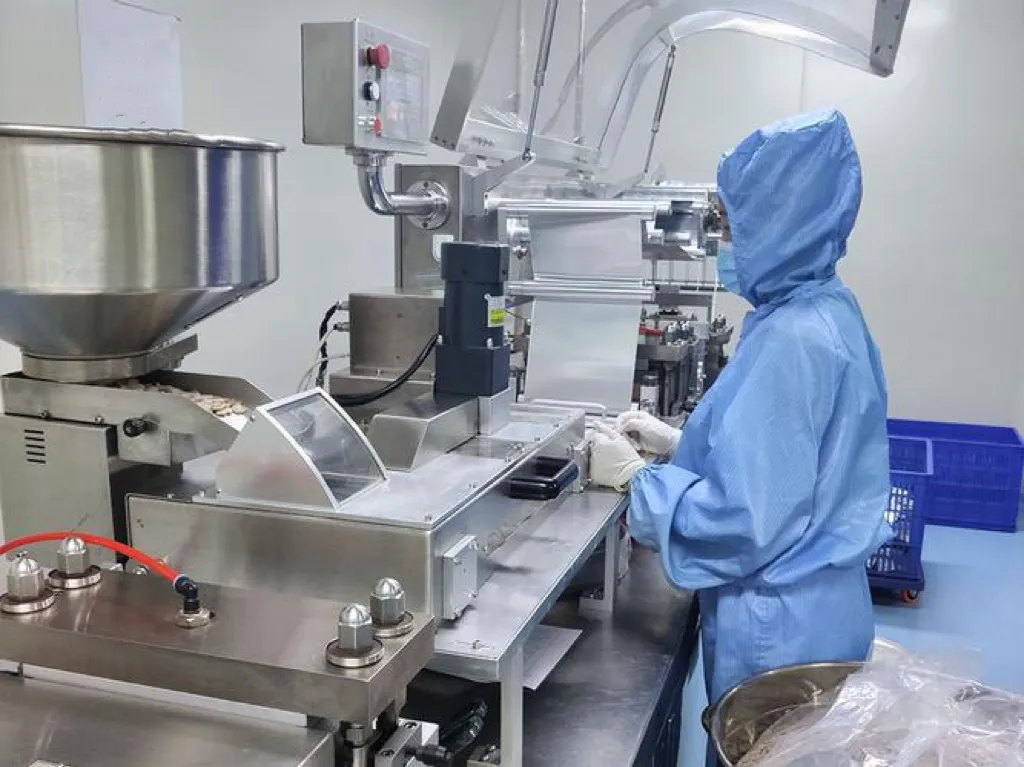
Manufacturing processes typically involve encapsulation, coating, or incorporation into a palatable matrix (e.g., chews, powders). Encapsulation utilizes gelatin or cellulose-based capsules to protect the vitamin from degradation due to light, oxygen, and moisture. Coating provides a sustained-release profile, improving bioavailability and reducing the frequency of administration. Mixing and granulation are crucial steps to ensure homogenous distribution of vitamins within the final product. Key process parameters monitored include mixing speed, granulation particle size, and coating thickness. The final product undergoes tablet compression or filling into capsules, followed by packaging under inert gas to prevent oxidation. Batch traceability is maintained throughout the entire process, adhering to Good Manufacturing Practices (GMP).
Performance & Engineering
The efficacy of vitamin supplementation hinges on bioavailability – the proportion of the administered dose that reaches systemic circulation. Bioavailability is influenced by several factors, including the vitamin’s chemical form (e.g., esterified vs. non-esterified), the presence of other dietary components (e.g., fat for fat-soluble vitamin absorption), and the puppy’s gut health. Microencapsulation technology is employed to enhance solubility and protect vitamins from degradation in the acidic environment of the stomach. Force analysis during tablet compression is critical; excessive force can lead to tablet capping or lamination, while insufficient force results in friable tablets.
Environmental resistance during storage is another critical performance factor. Vitamin A and C are particularly susceptible to oxidation. Packaging materials with low oxygen permeability and the inclusion of antioxidants (e.g., Vitamin E, ascorbic acid) in the formulation mitigate oxidative degradation. Compliance with AAFCO (Association of American Feed Control Officials) guidelines regarding vitamin minimums and maximums is mandatory for legal sale and distribution. Furthermore, formulation engineering must consider palatability; puppies may reject supplements with unpleasant taste or texture. Therefore, flavor masking agents and palatable coatings are commonly used.
Technical Specifications
| Vitamin | Minimum Daily Requirement (Small Breed Puppy – 5kg) | Maximum Tolerable Intake (Small Breed Puppy – 5kg) | Common Formulation Concentration |
|---|---|---|---|
| Vitamin A (IU) | 400 IU | 1600 IU | 500-1000 IU/tablet |
| Vitamin D (IU) | 40 IU | 160 IU | 50-100 IU/tablet |
| Vitamin E (IU) | 20 IU | 80 IU | 25-50 IU/tablet |
| Vitamin K (µg) | 8 µg | 32 µg | 10-20 µg/tablet |
| Vitamin B1 (Thiamine – mg) | 0.5 mg | 2.0 mg | 0.75-1.5 mg/tablet |
| Vitamin C (Ascorbic Acid – mg) | 50 mg | 200 mg | 60-100 mg/tablet |
Failure Mode & Maintenance
Failure modes in vitamin supplementation can manifest as product degradation, reduced bioavailability, or adverse health effects in the puppy. Oxidation of fat-soluble vitamins (A, D, E) is a common failure mode, resulting in decreased potency. This is visually identifiable through discoloration or off-odors. Hydrolytic degradation of vitamins, particularly in moisture-rich environments, can also occur. Tablet friability and capping indicate inadequate compression or binder content. Furthermore, contamination with heavy metals or microbial pathogens poses a significant risk.
Maintenance protocols involve proper storage conditions (cool, dry, dark place), adherence to expiration dates, and regular quality control testing. Packaging integrity should be inspected before use. If signs of degradation (discoloration, odor) are observed, the product should be discarded. Veterinary monitoring is crucial to detect signs of vitamin deficiency (e.g., rickets due to Vitamin D deficiency, neurological signs due to Thiamine deficiency) or toxicity (e.g., hypervitaminosis A leading to bone abnormalities). Preventative maintenance includes implementing a robust quality management system during manufacturing and utilizing validated analytical methods for potency and purity assessment.
Industry FAQ
Q: What are the critical differences between synthetic and natural Vitamin E sources in terms of bioavailability for puppies?
A: Natural Vitamin E (d-alpha-tocopherol) is generally considered more bioavailable than synthetic Vitamin E (dl-alpha-tocopherol). The ‘d’ form is preferentially absorbed and retained in tissues. While synthetic forms can fulfill the minimum requirements, natural forms offer superior biological activity and may be particularly beneficial for puppies with compromised gut absorption.
Q: How do chelated minerals impact Vitamin absorption within a puppy’s digestive system?
A: Chelated minerals, where a mineral ion is bound to an amino acid, improve mineral solubility and absorption. This, in turn, can enhance the uptake of certain vitamins that rely on mineral cofactors for activation or transport. For example, magnesium chelate can improve Vitamin D metabolism.
Q: What analytical methods are used to definitively quantify Vitamin C levels in finished puppy vitamin products?
A: High-Performance Liquid Chromatography (HPLC) with ultraviolet (UV) detection is the gold standard for quantifying Vitamin C (ascorbic acid). Titration methods can also be used, but HPLC offers greater accuracy and specificity, particularly in complex formulations.
Q: What is the significance of using a microencapsulated form of Vitamin A, and how does it mitigate degradation?
A: Microencapsulation involves coating Vitamin A particles with a protective barrier (e.g., gelatin, lipids). This shields the vitamin from oxygen, light, and moisture, preventing oxidative degradation and improving stability during storage and digestion. It also can control the release rate of the vitamin.
Q: What are the regulatory implications of exceeding the AAFCO maximum tolerable intake levels for fat-soluble vitamins in puppy formulations?
A: Exceeding AAFCO maximum tolerable intake levels can lead to toxicity and adverse health effects in puppies. It constitutes a regulatory violation and can result in product recalls, fines, and legal action. Formulations must be carefully calibrated to ensure compliance.
Conclusion
Vitamin supplementation in puppies is a nuanced practice requiring a deep understanding of nutritional requirements, bioavailability, and potential failure modes. The selection of appropriate vitamin sources, meticulous manufacturing processes adhering to GMP standards, and rigorous quality control testing are paramount to ensure product efficacy and safety. Consideration of formulation engineering principles, including encapsulation and palatability enhancement, further optimizes supplementation strategies.
Future advancements in canine nutrition will likely focus on personalized vitamin regimens tailored to individual puppy genotypes and health statuses. Improved analytical techniques for assessing vitamin status and enhanced delivery systems (e.g., liposomes) will further refine supplementation protocols. Continuous monitoring of emerging research and adherence to evolving regulatory guidelines are essential for maintaining optimal puppy health and well-being.
Latest news
Copyright © 2026
Dingzhou Kangquan Pharmaceutical Co., Ltd. All Rights Reserved. Sitemap | Privacy
Policy


