

Vitamins para sa puppy (for puppies) represent a critical component of canine neonatal and developmental nutrition. These formulations, typically available as powders, liquids, or chewable tablets, are designed to supplement the nutritional deficiencies inherent in commercially available puppy foods, or to address specific developmental needs. Positioned within the animal health and nutrition supply chain, these products bridge the gap between feed manufacturers and pet owners/veterinarians. Core performance characteristics center around bioavailability of essential vitamins and minerals, palatability to encourage consumption, and formulation stability to maintain potency during storage. A primary industry pain point involves ensuring accurate dosage based on puppy breed, weight, and developmental stage, coupled with demonstrable proof of efficacy beyond basic vitamin inclusion rates. Furthermore, concerns regarding ingredient sourcing, potential contaminants, and adherence to strict regulatory standards are paramount.
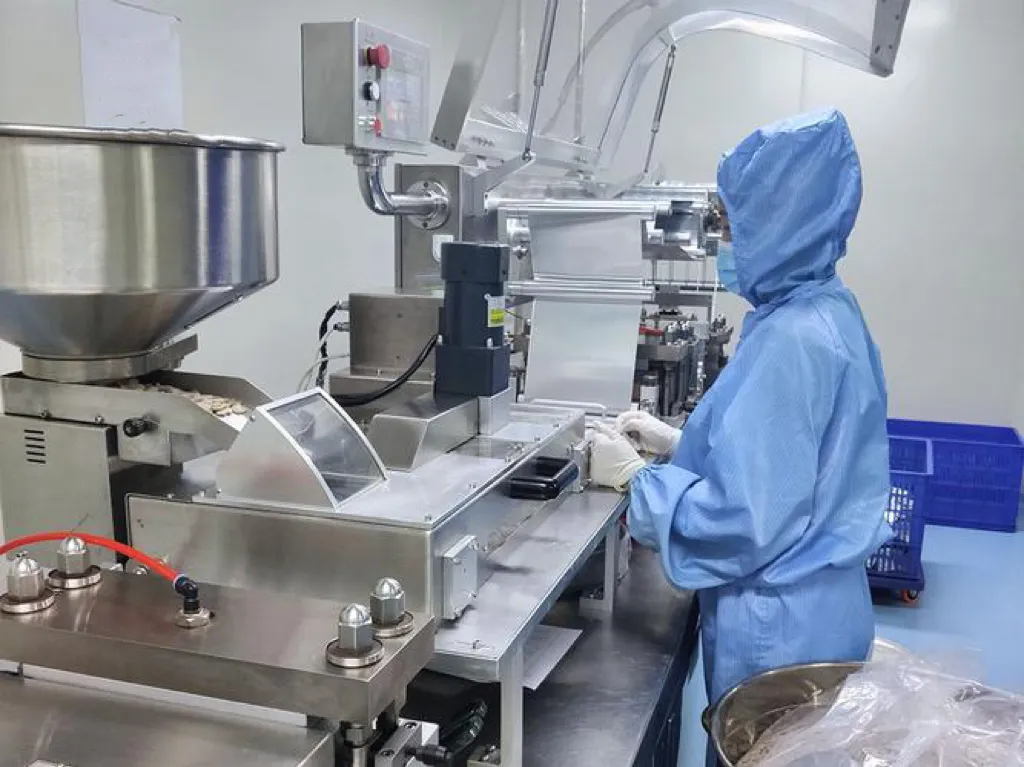
The manufacturing of vitamins para sa puppy relies heavily on the precise sourcing and processing of both fat-soluble (A, D, E, K) and water-soluble (B complex, C) vitamins. Raw material quality is critical; vitamins are frequently synthesized chemically or extracted from natural sources. Vitamin A, for instance, is often derived from beta-carotene, while vitamin D3 is commonly sourced from lanolin. Mineral components, such as calcium, phosphorus, and zinc, are sourced from inorganic salts like calcium carbonate and zinc sulfate. Manufacturing processes typically involve microencapsulation to protect sensitive vitamins from oxidation and degradation. This is achieved through spray drying or fluid bed coating, utilizing polymers like cellulose or starch derivatives. Powdered formulations require precise blending and granulation to ensure homogeneity and flowability. Liquid formulations necessitate careful solvent selection (often distilled water or glycerol) and the incorporation of preservatives to maintain stability. Tablet production involves compression of granulated mixtures, utilizing excipients like microcrystalline cellulose and magnesium stearate to aid in compaction and lubrication. Key parameter control includes monitoring temperature during granulation to prevent vitamin degradation, ensuring proper particle size distribution for bioavailability, and maintaining a tightly controlled pH to maximize vitamin solubility. Chemical compatibility between vitamins and other formulation components is essential to prevent antagonistic reactions – for example, vitamin C can degrade thiamine in the presence of certain metal ions.
The performance of vitamins para sa puppy is fundamentally linked to nutrient bioavailability – the extent to which the vitamins and minerals are absorbed and utilized by the puppy’s system. This is heavily influenced by the chemical form of the vitamin (e.g., retinol vs. beta-carotene for vitamin A), the presence of absorption enhancers (e.g., fats for fat-soluble vitamins), and the puppy’s digestive physiology. Force analysis focuses on tablet hardness and friability, ensuring the product maintains its structural integrity during handling and shipping. Environmental resistance concerns center around moisture sensitivity and oxidative degradation, necessitating packaging with appropriate barrier properties (e.g., aluminum foil pouches or high-density polyethylene bottles with desiccant inserts). Compliance requirements are stringent, dictated by regulatory bodies like the FDA-CVM (Center for Veterinary Medicine) in the United States and similar agencies internationally. Functional implementation hinges on correct dosage, which is typically expressed as milligrams of vitamin per kilogram of body weight. Engineering considerations include palatability enhancement through the addition of flavorings (e.g., liver powder, yeast extract) and the optimization of particle size to mask any unpleasant taste or texture. Long-term efficacy requires addressing potential interactions with other dietary components, such as calcium binding agents that can reduce mineral absorption. The inclusion of chelated minerals improves absorption rates.
| Vitamin/Mineral | Typical Puppy Formulation (mg/kg product) | Minimum Daily Requirement (mg/kg puppy weight) | Bioavailability (%) |
|---|---|---|---|
| Vitamin A (Retinol) | 1500 IU | 0.04-0.06 | 70-85 |
| Vitamin D3 (Cholecalciferol) | 200 IU | 0.01-0.02 | 60-75 |
| Vitamin E (Alpha-Tocopherol) | 50 IU | 0.02-0.04 | 50-65 |
| Vitamin C (Ascorbic Acid) | 100 mg | 0.05-0.1 | 40-50 |
| B1 (Thiamine) | 5 mg | 0.01-0.03 | 75-90 |
| Calcium | 150 mg | 0.8-1.2 | 30-45 |
Failure modes in vitamins para sa puppy primarily stem from degradation of active ingredients, moisture ingress, and packaging failure. Vitamin degradation can occur through oxidation (particularly for vitamins A, C, and E), exposure to UV light, and elevated temperatures. This manifests as a reduction in potency over time. Moisture ingress leads to clumping in powdered formulations, loss of tablet hardness, and microbial growth, compromising product safety and efficacy. Packaging failure, such as seal breaches or puncture wounds, accelerates degradation and contamination. Fatigue cracking in tablet formulations can occur during handling and shipping if the compression force during manufacturing is insufficient. Delamination of coated tablets can result in uneven vitamin release. Oxidation is often visible as a change in color, while microbial contamination is detectable through laboratory testing. Maintenance solutions involve proper storage in a cool, dry, and dark environment. Utilizing airtight packaging with desiccant inserts minimizes moisture ingress. Regularly monitoring production batches for potency and microbial contamination is crucial. Implementing a robust quality control system, including stability testing under accelerated conditions, helps predict shelf life and identify potential failure modes. Proper handling and transportation procedures, minimizing exposure to physical shock and extreme temperatures, are also essential.
A: A premium formulation typically incorporates higher bioavailability ingredients – for example, chelated minerals for improved absorption, and microencapsulated vitamins to protect against degradation. It will also feature a more comprehensive vitamin and mineral profile, including trace elements often omitted from standard formulations. Furthermore, premium products are subject to more rigorous third-party testing for purity and potency.
A: Larger breeds generally require higher absolute dosages due to their increased body mass and faster growth rates. However, dosage should always be calculated per kilogram of body weight to avoid over-supplementation, which can be harmful. Specific breeds may also have inherent predispositions to certain nutritional deficiencies.
A: The carrier influences several factors. For fat-soluble vitamins, a lipid-based carrier enhances absorption. Excipients like microcrystalline cellulose improve tablet compressibility and dissolution. The presence of antioxidants in the excipient blend can protect vitamins from oxidation. Incompatible excipients can hinder absorption or even degrade the vitamins.
A: Essential measures include raw material identity testing, in-process monitoring of blending homogeneity, tablet hardness and friability testing, moisture content analysis, and finished product potency assays. Regular microbial testing is also critical. Adherence to Good Manufacturing Practices (GMP) is non-negotiable.
A: Palatability directly impacts compliance. If a puppy refuses to consume the vitamins, they will not receive the intended nutritional benefit. Flavorings, coatings, and texture modifications are used to improve palatability, ensuring the puppy willingly accepts the supplement.
The efficacy and safety of vitamins para sa puppy are intricately linked to a complex interplay of material science, manufacturing precision, and biochemical understanding. Ensuring optimal bioavailability, maintaining formulation stability, and adhering to stringent regulatory standards are paramount. The careful selection of raw materials, the implementation of robust quality control measures, and a thorough understanding of puppy nutritional requirements are essential for delivering a product that genuinely supports healthy growth and development.
Future advancements in this field will likely focus on personalized nutrition, tailoring vitamin formulations to the specific genetic makeup and metabolic needs of individual puppies. Novel delivery systems, such as nanoencapsulation, may further enhance bioavailability and protect sensitive vitamins from degradation. Continued research into the long-term effects of vitamin supplementation is also crucial to refine dosage recommendations and optimize puppy health outcomes.


