

Essential vitamin supplementation for puppies constitutes a critical aspect of developmental health, distinct from adult canine nutritional needs. This guide details the specific vitamin requirements of growing puppies, considering their accelerated growth rates, developing immune systems, and unique metabolic demands. Puppies, particularly those undergoing rapid growth or experiencing dietary imbalances, are susceptible to vitamin deficiencies that can manifest as developmental abnormalities, compromised immune function, and reduced overall vitality. This document will explore the biochemical roles of key vitamins, optimal dosage considerations, and the impact of bioavailability on efficacy. We will also discuss the industry challenges of ensuring vitamin stability within formulated puppy food and supplemental products, and strategies to mitigate potential degradation during storage and processing. The focus is on scientifically validated formulations and preventative nutritional strategies, bridging the gap between theoretical knowledge and practical application in canine health management.
Vitamin production for puppy supplementation relies on a combination of synthetic and natural sources, each presenting unique manufacturing challenges. Vitamin A (retinol) is frequently synthesized via the condensation of beta-ionone and citral, followed by chemical modifications to achieve the desired stereoisomer. The purity of retinol is paramount; impurities can introduce toxicity. Vitamin D3 (cholecalciferol) is often derived from the photochemical conversion of 7-dehydrocholesterol extracted from lanolin, requiring precise UV irradiation control to maximize yield and minimize undesirable byproducts. B vitamins, a complex group, are commonly produced via microbial fermentation processes using specific bacterial strains optimized for vitamin biosynthesis. For example, riboflavin (B2) is produced by Ashbya gossypii. Manufacturing quality control focuses on ensuring consistent microbial culture purity and optimized fermentation parameters (pH, temperature, oxygen levels). Vitamin E (tocopherol) production involves the condensation of isophytol with trimethylhydroquinone, typically performed under inert atmospheric conditions to prevent oxidation. Microencapsulation techniques are increasingly employed to enhance vitamin stability, particularly for fat-soluble vitamins, using materials such as modified starch or gelatin. These encapsulating agents protect vitamins from oxidation, light degradation, and interaction with other feed ingredients. The choice of encapsulating material influences the release rate of the vitamin in the gastrointestinal tract, a key parameter for bioavailability. Maintaining strict Good Manufacturing Practices (GMP) throughout the production process, including raw material sourcing, process validation, and finished product testing, is crucial to ensuring product safety and efficacy. Further, proper storage conditions – low temperature, dark environment, and moisture control – are critical to maintaining vitamin potency over shelf life.
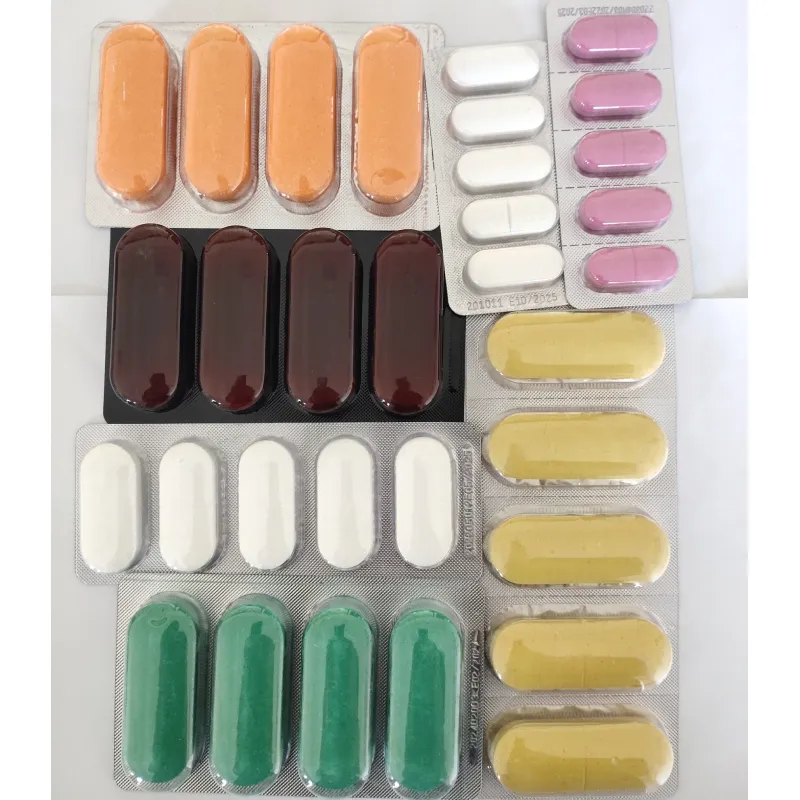
The efficacy of vitamin supplementation in puppies is not solely determined by the quantity of vitamins present; bioavailability—the proportion of the administered vitamin that reaches systemic circulation—is a critical engineering parameter. Factors influencing bioavailability include the vitamin’s chemical form (e.g., esterified vs. free), particle size, solubility, and interactions with other dietary components. Fat-soluble vitamins (A, D, E, K) require proper lipid digestion and absorption, relying on bile acids and pancreatic lipase. Puppies with digestive disorders or inadequate fat intake may exhibit compromised absorption. Water-soluble vitamins (B complex, C) are generally more readily absorbed but can be susceptible to losses through excretion. The integrity of the gastrointestinal tract microbiome significantly impacts vitamin synthesis and absorption, particularly B vitamins and vitamin K. Formulation engineering plays a pivotal role in maximizing bioavailability. Microencapsulation, as previously discussed, protects vitamins during transit through the harsh gastric environment. The inclusion of chelating agents, such as amino acid complexes, can improve mineral absorption and indirectly enhance the utilization of certain vitamins. Understanding the pharmacokinetic profiles of individual vitamins—absorption rate, distribution, metabolism, and excretion—is crucial for optimizing supplementation protocols. Pharmacokinetic studies in puppies are limited, necessitating extrapolation from adult canine data, with careful consideration of developmental differences in metabolic capacity. Furthermore, assessing the physiological response to vitamin supplementation—measuring blood vitamin levels, assessing immune function markers, and monitoring growth parameters—provides valuable feedback for adjusting dosage and formulation strategies. The potential for vitamin antagonism (e.g., excess vitamin E interfering with vitamin K absorption) must also be considered during formulation development.
| Vitamin | Recommended Daily Intake (Small Breed Puppy - 10lbs) | Recommended Daily Intake (Large Breed Puppy - 50lbs) | Upper Tolerable Limit (Small Breed Puppy) |
|---|---|---|---|
| Vitamin A (IU) | 450-600 IU | 2250-3000 IU | 1800 IU |
| Vitamin D (IU) | 50-75 IU | 250-375 IU | 400 IU |
| Vitamin E (IU) | 10-15 IU | 50-75 IU | 200 IU |
| Vitamin K (mcg) | 5-10 mcg | 25-50 mcg | 100 mcg |
| Thiamin (B1 - mg) | 0.5-1.0 mg | 2.5-5.0 mg | 5.0 mg |
| Riboflavin (B2 - mg) | 0.6-1.2 mg | 3.0-6.0 mg | 6.0 mg |
Vitamin degradation represents a primary failure mode in puppy supplements. Oxidation, particularly of fat-soluble vitamins (A, E), is accelerated by exposure to oxygen, heat, and light. Hydrolysis, the breakdown of vitamins due to reaction with water, is more prominent in water-soluble vitamins (B vitamins, C). Prolonged storage at elevated temperatures or humidity significantly accelerates these degradation processes. Manufacturing defects, such as inadequate packaging materials (e.g., permeable to oxygen or light) or incomplete encapsulation, contribute to reduced vitamin potency. Incomplete mixing during formulation can lead to non-uniform vitamin distribution within the product. Bioavailability issues can also be considered a functional failure mode – the vitamin is present but not effectively absorbed. Maintenance strategies focus on preventative measures. Employing air-tight, light-resistant packaging (e.g., amber glass bottles, foil pouches) is crucial. Adding antioxidants (e.g., vitamin C, tocopherols) to the formulation can help protect other vitamins from oxidation. Maintaining strict temperature and humidity control during storage and transportation is essential. Regular quality control testing – HPLC analysis for vitamin content – is necessary to monitor product potency over shelf life. For powdered supplements, recommending that owners close the container immediately after use minimizes oxygen exposure. Client education on proper storage conditions is paramount; advising owners to store supplements in a cool, dry place away from direct sunlight. Observing puppies for signs of vitamin deficiency (e.g., stunted growth, skin lesions, neurological signs) can indicate product failure or inadequate supplementation.
A: The optimal Ca:P ratio in a puppy vitamin supplement is generally between 1.2:1 and 2:1. This ratio is critical for proper skeletal development. Phosphorus regulates calcium absorption and utilization. An imbalance can lead to developmental orthopedic diseases (DODs) such as hypertrophic osteodystrophy (HOD) or osteochondrosis dissecans (OCD), particularly in large-breed puppies. Excess calcium relative to phosphorus can interfere with phosphorus absorption, while excess phosphorus can lead to secondary hyperparathyroidism, further disrupting calcium homeostasis.
A: Ensuring fat-soluble vitamin bioavailability in dry kibble involves several strategies. First, encapsulation using lipid-based coatings protects vitamins from oxidation during processing and storage. Second, incorporating a readily digestible fat source into the kibble formulation is crucial, as fat-soluble vitamins require dietary fat for absorption. Third, adding emulsifiers can improve the dispersion of fats and vitamins in the gastrointestinal tract. Finally, ensuring adequate bile acid production and pancreatic lipase activity is vital; supplemental bile salts or pancreatic enzyme supplements may be considered in puppies with digestive impairments.
A: Over-supplementation of Vitamin D poses significant risks to rapidly growing puppies. Excess Vitamin D leads to hypercalcemia (elevated blood calcium levels), which can cause soft tissue calcification, particularly in the kidneys, heart, and blood vessels. Symptoms include lethargy, loss of appetite, vomiting, and increased thirst and urination. Severe hypercalcemia can be life-threatening. Careful adherence to recommended dosage guidelines and monitoring puppy responses are essential.
A: The formulation profoundly impacts shelf life. The inclusion of antioxidants (Vitamin C, Vitamin E, BHT) protects vitamins from oxidative degradation. Microencapsulation shields vitamins from environmental factors like moisture and light. The type of excipients used—binders, fillers, and coatings—can also influence stability. For example, using a moisture-absorbing excipient can reduce hydrolysis. Packaging materials are equally important; airtight, light-resistant containers are essential.
A: Yes, certain medications can interfere with vitamin absorption. Long-term antibiotic use can disrupt the gut microbiome, reducing the synthesis of certain B vitamins and vitamin K. Steroids can interfere with calcium and vitamin D metabolism. Proton pump inhibitors (PPIs), used to reduce stomach acid, can impair the absorption of vitamin B12. Antacids containing aluminum or magnesium can bind to certain vitamins, reducing their bioavailability. Veterinarians should carefully consider potential drug-vitamin interactions when developing treatment plans.
Optimal vitamin supplementation in puppies necessitates a nuanced understanding of their unique developmental needs, the complex interplay between vitamins and other nutrients, and the critical importance of bioavailability. A preventative approach, focusing on high-quality, balanced puppy food fortified with appropriate vitamin levels, remains the cornerstone of nutritional management. Targeted supplementation, guided by individual puppy assessments and potential dietary deficiencies, can address specific needs. Ongoing research into canine vitamin metabolism and the impact of gut microbiome composition will continue to refine our understanding of optimal supplementation strategies.
Future developments will likely focus on personalized vitamin formulations tailored to individual puppy genetics, breed predispositions, and environmental factors. Advanced encapsulation technologies will further enhance vitamin stability and targeted delivery to the gastrointestinal tract. Improved analytical methods will enable more accurate assessment of vitamin status and bioavailability. Collaboration between veterinary nutritionists, formulation scientists, and manufacturing experts will be essential to translating scientific advancements into practical, effective vitamin supplements that support optimal puppy health and well-being.


