
Apr . 01, 2024 17:55 Back to list
weight gain medicine for poultry Performance Engineering
Introduction
Weight gain medicine for poultry, encompassing a range of feed additives and pharmaceutical interventions, represents a critical component in modern poultry production. These formulations are designed to optimize growth rates, improve feed conversion ratios (FCR), and enhance overall carcass quality in broiler chickens, turkeys, and other poultry species. The industry chain positions these medicines between raw material suppliers (amino acids, vitamins, minerals, antibiotics – where permitted), pharmaceutical manufacturers, feed mill operators, and ultimately, poultry producers. Core performance indicators include Average Daily Gain (ADG), FCR, livability, and final body weight, all directly impacting profitability and efficiency. The increasing demand for poultry meat globally necessitates continuous innovation in weight gain medicine to address challenges like antibiotic resistance, consumer preferences for sustainable production, and fluctuating feed costs. Understanding the nuances of these products, their mechanisms of action, and potential drawbacks is vital for informed decision-making by poultry professionals.
Material Science & Manufacturing
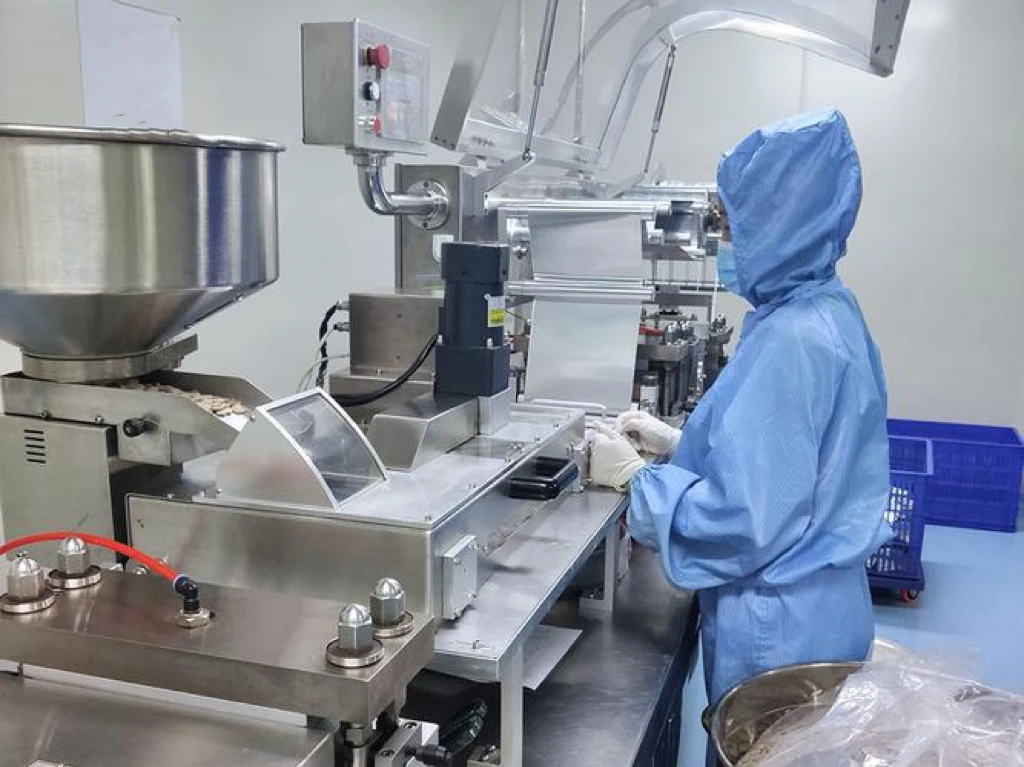
The manufacturing of weight gain medicine for poultry involves a complex interplay of material science and engineering principles. Active Pharmaceutical Ingredients (APIs) often include antibiotics (tetracyclines, macrolides – subject to increasing regulation), growth promoters (ionophores, acidifiers), amino acids (lysine, methionine, threonine), vitamins (A, D, E, B-complex), and trace minerals (zinc, manganese, copper). These APIs are characterized by specific crystalline structures, particle size distributions, and solubility profiles that directly influence bioavailability. Excipients, such as carriers (corn starch, soybean meal, wheat middlings), binders (calcium carbonate, cellulose), and diluents, are crucial for formulation stability, flowability, and palatability. Manufacturing processes typically involve micronization of APIs to enhance absorption, blending with excipients using ribbon blenders or planetary mixers to ensure homogeneity, granulation (wet or dry) to improve flow characteristics, and final packaging in sealed bags or containers to prevent degradation. Quality control is paramount, requiring rigorous testing for API potency, excipient purity, heavy metal contamination, and microbial load, adhering to Good Manufacturing Practices (GMP) guidelines. The chemical compatibility of APIs with excipients is assessed using techniques like Differential Scanning Calorimetry (DSC) and High-Performance Liquid Chromatography (HPLC) to avoid degradation or loss of efficacy. Moisture content control throughout the process is also essential to prevent clumping and ensure product stability.
Performance & Engineering
The performance of weight gain medicine is fundamentally governed by pharmacokinetic and pharmacodynamic principles. Absorption, distribution, metabolism, and excretion (ADME) dictate how effectively the API reaches the target tissues (muscle, liver, fat). Force analysis applied to pellet durability is critical; pellets must withstand handling and transport without excessive breakage, as dust loss reduces API intake. Environmental resistance, specifically temperature and humidity, impacts product stability. High humidity can lead to caking and reduced shelf life, while elevated temperatures can accelerate API degradation. Compliance requirements are stringent, governed by veterinary drug regulations in each country (e.g., FDA in the US, EMA in Europe). The efficacy of the medicine is evaluated through controlled feeding trials, measuring ADG, FCR, carcass characteristics, and assessing the presence of drug residues in tissues. Engineering considerations include the design of automated feeding systems to ensure uniform distribution of medicated feed, proper ventilation to minimize dust inhalation by birds, and appropriate water sanitation to prevent microbial contamination. Furthermore, the impact of gut microbiome composition on API metabolism and overall performance is increasingly recognized, prompting research into prebiotic and probiotic combinations to enhance drug efficacy and promote gut health.
Technical Specifications
| Parameter | Units | Typical Range (Broiler Starter – 0-3 weeks) | Typical Range (Broiler Finisher – 3-6 weeks) |
|---|---|---|---|
| Crude Protein | % | 22-24 | 20-22 |
| Metabolizable Energy | kcal/kg | 3200-3400 | 3300-3500 |
| Lysine | % | 1.5-1.7 | 1.2-1.4 |
| Methionine | % | 0.45-0.55 | 0.35-0.45 |
| Threonine | % | 0.8-1.0 | 0.7-0.9 |
| Phosphorus (Available) | % | 0.45-0.55 | 0.4-0.5 |
| Calcium | % | 1.0-1.2 | 0.8-1.0 |
Failure Mode & Maintenance
Failure modes in weight gain medicine for poultry can arise from various sources. API degradation due to improper storage (high temperature, humidity) leads to reduced efficacy. Pellet breakage during handling and transport results in selective loss of fine particles containing higher API concentrations, causing inconsistent dosing. Microbial contamination during manufacturing or storage can render the medicine ineffective or even harmful. Antibiotic resistance, a growing concern, arises from sub-therapeutic doses and prolonged use, selecting for resistant bacterial strains. Oxidation of vitamins and fats can diminish nutritional value and produce harmful metabolites. Maintenance strategies include strict adherence to storage recommendations (cool, dry place, sealed containers), regular quality control testing to verify API potency and microbial purity, implementation of robust biosecurity measures to prevent contamination, and rotation of antibiotic classes to mitigate resistance development. Regular cleaning and disinfection of feeding equipment are also crucial to prevent biofilm formation and microbial growth. Monitoring bird performance indicators (ADG, FCR) can provide early warning signs of product failure or resistance development, prompting adjustments to the feeding program.
Industry FAQ
Q: What is the impact of phytase supplementation on the efficacy of phosphate in weight gain medicine?
A: Phytase is an enzyme that hydrolyzes phytate, a form of phosphorus found in plant-based feed ingredients. Phytate binds to minerals like calcium and phosphorus, making them unavailable for absorption by the bird. Supplementing with phytase increases the bioavailability of phosphorus, allowing for a reduction in the amount of inorganic phosphate added to the weight gain medicine. This reduces feed costs and minimizes phosphorus excretion into the environment, addressing sustainability concerns. However, phytase activity can be affected by pelleting temperature and pH, requiring careful optimization of formulation and processing conditions.
Q: How does the particle size of the feed influence the absorption of APIs in weight gain medicine?
A: Smaller particle sizes generally lead to increased surface area, promoting faster dissolution and absorption of APIs in the digestive tract. However, excessively fine particles can create dust, leading to respiratory issues and reduced API intake. Optimal particle size distribution depends on the specific API and the formulation characteristics. Micronization is a common technique used to reduce particle size, but it can also affect API stability and flowability, requiring careful consideration of excipient selection.
Q: What are the key considerations when formulating weight gain medicine for organic poultry production?
A: Organic poultry production prohibits the use of synthetic antibiotics and growth promoters. Formulations rely on alternative strategies like probiotics, prebiotics, organic acids, and herbal extracts to enhance gut health and improve growth performance. The sourcing of ingredients must be certified organic, and strict regulations govern the permissible additives and processing methods. Maintaining gut health is paramount in the absence of antibiotics, requiring a focus on optimizing feed composition and biosecurity.
Q: How is the shelf life of weight gain medicine determined and what factors affect it?
A: Shelf life is determined through accelerated stability testing, exposing the product to elevated temperatures and humidity levels to simulate long-term storage. The degradation rate of APIs and excipients is monitored over time, and the shelf life is defined as the time at which the API potency falls below a specified threshold (typically 90% of the initial value). Factors affecting shelf life include temperature, humidity, light exposure, oxygen permeability of packaging materials, and the presence of reactive compounds.
Q: What role do amino acid balancing strategies play in maximizing weight gain in poultry?
A: Poultry require a precise balance of essential amino acids for optimal growth and protein synthesis. Lysine, methionine, threonine, and tryptophan are often the most limiting amino acids in typical poultry diets. Formulating weight gain medicine to provide these amino acids in the correct proportions, based on the bird's age, breed, and production stage, maximizes growth efficiency and minimizes nitrogen excretion. The use of synthetic amino acids allows for precise balancing, reducing the reliance on protein-rich feed ingredients and improving feed utilization.
Conclusion
Weight gain medicine for poultry is a complex field requiring a thorough understanding of material science, nutritional physiology, and regulatory constraints. Optimizing performance necessitates careful attention to API selection, formulation design, manufacturing processes, and quality control measures. The increasing pressure to reduce antibiotic use and enhance sustainability demands innovative approaches, such as exploring alternative growth promoters, improving gut health, and optimizing nutrient utilization.
Future advancements will likely focus on personalized nutrition strategies, leveraging data analytics to tailor feed formulations to individual bird needs. Research into the gut microbiome and its impact on drug metabolism will also play a crucial role in enhancing efficacy and mitigating resistance development. A holistic approach, integrating advanced technologies and sustainable practices, will be essential for meeting the growing global demand for poultry meat while minimizing environmental impact.
Latest news
Copyright © 2026
Dingzhou Kangquan Pharmaceutical Co., Ltd. All Rights Reserved. Sitemap | Privacy
Policy


