
2695018275@qq.com
+86
13780513619
- Afrikaans
- Albanian
- Amharic
- Arabic
- Armenian
- Azerbaijani
- Basque
- Belarusian
- Bengali
- Bosnian
- Bulgarian
- Catalan
- Cebuano
- Corsican
- Croatian
- Czech
- Danish
- Dutch
- English
- Esperanto
- Estonian
- Finnish
- French
- Frisian
- Galician
- Georgian
- German
- Greek
- Gujarati
- Haitian Creole
- hausa
- hawaiian
- Hebrew
- Hindi
- Miao
- Hungarian
- Icelandic
- igbo
- Indonesian
- irish
- Italian
- Japanese
- Javanese
- Kannada
- kazakh
- Khmer
- Rwandese
- Korean
- Kurdish
- Kyrgyz
- Lao
- Latin
- Latvian
- Lithuanian
- Luxembourgish
- Macedonian
- Malgashi
- Malay
- Malayalam
- Maltese
- Maori
- Marathi
- Mongolian
- Myanmar
- Nepali
- Norwegian
- Norwegian
- Occitan
- Pashto
- Persian
- Polish
- Portuguese
- Punjabi
- Romanian
- Russian
- Samoan
- Scottish Gaelic
- Serbian
- Sesotho
- Shona
- Sindhi
- Sinhala
- Slovak
- Slovenian
- Somali
- Spanish
- Sundanese
- Swahili
- Swedish
- Tagalog
- Tajik
- Tamil
- Tatar
- Telugu
- Thai
- Turkish
- Turkmen
- Ukrainian
- Urdu
- Uighur
- Uzbek
- Vietnamese
- Welsh
- Bantu
- Yiddish
- Yoruba
- Zulu
Apr . 01, 2024 17:55 Back to list
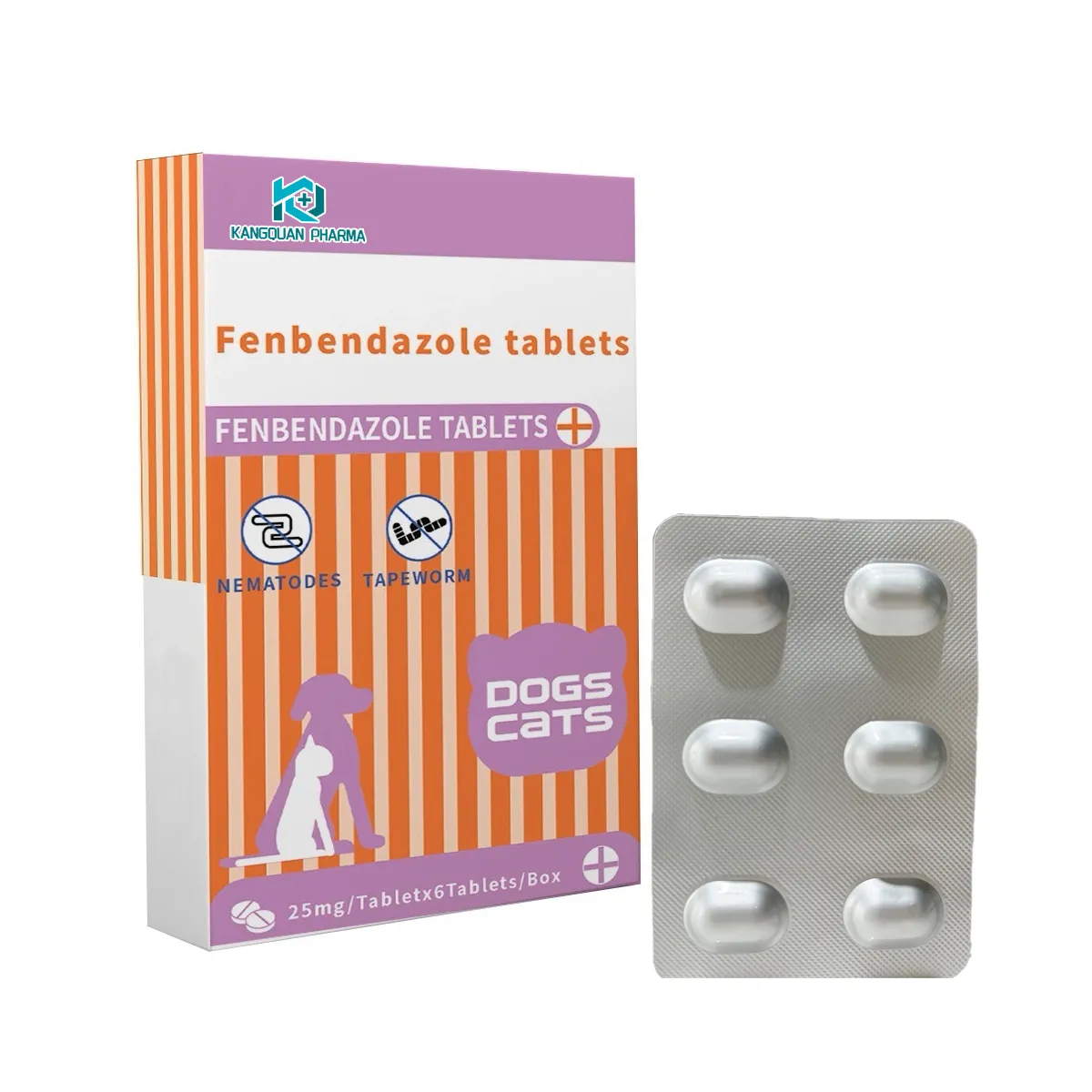
albendazole tablet for stomach worms Manufacturing Analysis
Introduction
Albendazole tablets are anthelmintic medications primarily used for the treatment of parasitic worm infestations in the gastrointestinal tract. Positioned within the pharmaceutical industry as a broad-spectrum benzimidazole derivative, albendazole exhibits efficacy against a wide range of nematodes (roundworms) and cestodes (tapeworms). Its mechanism of action involves selectively inhibiting tubulin polymerization in parasitic worms, disrupting microtubule-dependent processes essential for glucose uptake and energy metabolism, ultimately leading to their immobilization and death. Core performance metrics center on bioavailability, parasiticidal efficacy, and minimal host toxicity. This guide provides a detailed technical overview of albendazole tablets, covering material science, manufacturing, performance characteristics, failure modes, and relevant industry standards, addressing critical concerns for pharmaceutical manufacturers, quality control personnel, and regulatory bodies.
Material Science & Manufacturing
The primary active pharmaceutical ingredient (API), albendazole (C12H15N3O2S), is a benzimidazole sulfoxide with a molecular weight of 265.33 g/mol. It exists as a white or almost white powder, practically insoluble in water but soluble in acidic solutions. Excipients typically include microcrystalline cellulose (binder/diluent), sodium starch glycolate (disintegrant), povidone (binder), magnesium stearate (lubricant), and colloidal silicon dioxide (flow aid). The purity of albendazole API, assessed via High-Performance Liquid Chromatography (HPLC), is crucial, demanding >99% purity to meet pharmacopoeial standards. Manufacturing typically involves wet granulation followed by tablet compression. Wet granulation enhances flowability and compressibility of the API-excipient blend. Critical process parameters (CPPs) during granulation include granulation liquid addition rate, impeller speed, and drying temperature, directly influencing granule size distribution and moisture content. Tablet compression demands precise control of compression force, dwell time, and tablet tooling (die and punch) dimensions to achieve desired tablet hardness, friability, and disintegration time. Post-compression coating, utilizing polymers like hydroxypropyl methylcellulose (HPMC), may be applied to improve stability, modify drug release, and enhance patient compliance. Polymorphic forms of albendazole can exist, impacting solubility and bioavailability; careful control of crystallization conditions during API synthesis is paramount.

Performance & Engineering
Albendazole’s efficacy relies on its ability to reach therapeutic concentrations within the parasitic worm's gut. Bioavailability is notably low (~40%), highly variable, and significantly enhanced by concurrent administration with fatty foods, which increase lymphatic absorption. Pharmacokinetic modeling demonstrates a non-linear absorption profile, suggesting saturation of absorption pathways at higher doses. Engineering considerations focus on optimizing formulation to improve dissolution and absorption. Particle size reduction of albendazole API via micronization increases surface area, accelerating dissolution. Solid dispersion technologies, utilizing carriers like polyethylene glycol (PEG), can further enhance solubility and bioavailability. The mechanical strength of the tablet is critical for maintaining integrity during handling, shipping, and administration. Tablet hardness, measured in kilograms (kg), must fall within a defined range to prevent breakage and ensure accurate dosage. Friability, expressed as percentage weight loss, assesses tablet robustness against chipping or abrasion. Degradation studies, conducted under accelerated conditions (temperature and humidity), determine the shelf life of the product and establish appropriate storage conditions. Resistance to environmental factors, such as humidity and temperature fluctuations, is vital for maintaining drug potency and preventing degradation products from forming.
Technical Specifications
| Parameter | Specification | Test Method | Pharmacopoeial Reference |
|---|---|---|---|
| Assay (Albendazole content) | 98.0% - 102.0% | HPLC | USP/EP/BP |
| Identification | Positive result | IR Spectroscopy | USP/EP/BP |
| Related Substances | ≤ 0.5% individual impurity, ≤ 1.0% total impurities | HPLC | USP/EP/BP |
| Water Content | ≤ 1.0% | Karl Fischer Titration | USP/EP/BP |
| Dissolution (15 minutes) | ≥ 75% | USP Apparatus 2 | USP/EP/BP |
| Tablet Hardness | 40-80 N | Tablet Hardness Tester | USP/EP/BP |
Failure Mode & Maintenance
Common failure modes for albendazole tablets include tablet chipping or breakage during handling due to insufficient hardness. Degradation of albendazole API can occur due to exposure to moisture, light, or elevated temperatures, leading to a decrease in potency and the formation of degradation products (e.g., albendazole sulfone). Inconsistent tablet weight can result from variations in die filling during compression, leading to dosage inaccuracies. Disintegration failure can impede drug release, reducing bioavailability. Stickiness during compression, caused by excessive moisture content or improper lubrication, can lead to tablet defects and machine downtime. Maintenance includes regular calibration of tablet compression machinery, control of environmental conditions (temperature and humidity) in manufacturing and storage areas, and implementation of robust quality control procedures, including periodic assay testing and impurity profiling. Packaging should utilize moisture-resistant materials (e.g., blister packs with aluminum foil) and protect the tablets from light exposure. Proper storage conditions (cool, dry place) should be clearly indicated on the product label.
Industry FAQ
Q: What is the impact of particle size on albendazole bioavailability?
A: Smaller particle sizes significantly increase the surface area available for dissolution, enhancing the rate and extent of albendazole absorption. Micronization is frequently employed to overcome the inherent low solubility of albendazole, leading to improved bioavailability, especially in fasted states.
Q: How does the choice of excipients affect tablet stability?
A: Excipients play a critical role in tablet stability. Hygroscopic excipients can absorb moisture, promoting drug degradation. Selecting excipients with low moisture uptake and employing appropriate coating materials (e.g., HPMC) can minimize degradation and extend shelf life.
Q: What quality control tests are essential for albendazole tablets?
A: Essential quality control tests include assay (to determine albendazole content), identification (to confirm API identity), related substances (to quantify impurities), water content, dissolution testing, tablet hardness, friability, and weight variation. These tests ensure the product meets pharmacopoeial standards.
Q: What are the common degradation pathways for albendazole?
A: Albendazole is susceptible to oxidation and hydrolysis. Degradation products, such as albendazole sulfone, can form upon exposure to oxygen, light, and moisture. Packaging and storage conditions must be optimized to minimize these degradation pathways.
Q: How can the bioavailability of albendazole be improved through formulation strategies?
A: Formulation strategies to improve bioavailability include particle size reduction (micronization), solid dispersion techniques using carriers like PEG, and co-administration with fatty foods or lipid-based formulations to enhance lymphatic absorption. Nanoformulations are also being explored.
Conclusion
Albendazole tablets represent a crucial therapeutic intervention for parasitic worm infections. Successful manufacturing necessitates meticulous control over material properties, process parameters, and formulation design to ensure consistent drug quality, bioavailability, and stability. Understanding the physicochemical properties of albendazole, potential degradation pathways, and the impact of excipients is paramount for optimizing formulation performance.
Future development efforts should focus on novel drug delivery systems, such as nanoformulations, to further enhance bioavailability and reduce dosage requirements. Continued investment in robust analytical techniques for impurity profiling and degradation product identification is also essential to ensure long-term product quality and patient safety. Adherence to stringent regulatory standards (USP, EP, BP) remains a fundamental requirement for the manufacture and distribution of albendazole tablets.
Latest news
Copyright © 2026
Dingzhou Kangquan Pharmaceutical Co., Ltd. All Rights Reserved. Sitemap | Privacy
Policy


