
2695018275@qq.com
+86
13780513619
- Afrikaans
- Albanian
- Amharic
- Arabic
- Armenian
- Azerbaijani
- Basque
- Belarusian
- Bengali
- Bosnian
- Bulgarian
- Catalan
- Cebuano
- Corsican
- Croatian
- Czech
- Danish
- Dutch
- English
- Esperanto
- Estonian
- Finnish
- French
- Frisian
- Galician
- Georgian
- German
- Greek
- Gujarati
- Haitian Creole
- hausa
- hawaiian
- Hebrew
- Hindi
- Miao
- Hungarian
- Icelandic
- igbo
- Indonesian
- irish
- Italian
- Japanese
- Javanese
- Kannada
- kazakh
- Khmer
- Rwandese
- Korean
- Kurdish
- Kyrgyz
- Lao
- Latin
- Latvian
- Lithuanian
- Luxembourgish
- Macedonian
- Malgashi
- Malay
- Malayalam
- Maltese
- Maori
- Marathi
- Mongolian
- Myanmar
- Nepali
- Norwegian
- Norwegian
- Occitan
- Pashto
- Persian
- Polish
- Portuguese
- Punjabi
- Romanian
- Russian
- Samoan
- Scottish Gaelic
- Serbian
- Sesotho
- Shona
- Sindhi
- Sinhala
- Slovak
- Slovenian
- Somali
- Spanish
- Sundanese
- Swahili
- Swedish
- Tagalog
- Tajik
- Tamil
- Tatar
- Telugu
- Thai
- Turkish
- Turkmen
- Ukrainian
- Urdu
- Uighur
- Uzbek
- Vietnamese
- Welsh
- Bantu
- Yiddish
- Yoruba
- Zulu
Apr . 01, 2024 17:55 Back to list
bandy tablet for worms Formulation and Performance Analysis
Introduction
Bandy tablets for worms represent a critical component in veterinary medicine, specifically designed for the deworming of livestock, primarily cattle, sheep, and goats. These tablets deliver a precise dosage of anthelmintic medication, typically fenbendazole, to combat parasitic nematode infections. Their technical position within the animal health supply chain is as a finished pharmaceutical product, requiring stringent quality control and adherence to Good Manufacturing Practices (GMP). Core performance metrics center on anthelmintic efficacy, bioavailability, and palatability to ensure successful administration and parasite eradication. The significant pain point in this sector revolves around increasing anthelmintic resistance, necessitating continuous development of formulations with improved efficacy and delivery mechanisms. Understanding the chemical properties of fenbendazole, the tablet excipients, and the physiological factors impacting drug absorption are crucial for maximizing therapeutic outcomes.
Material Science & Manufacturing
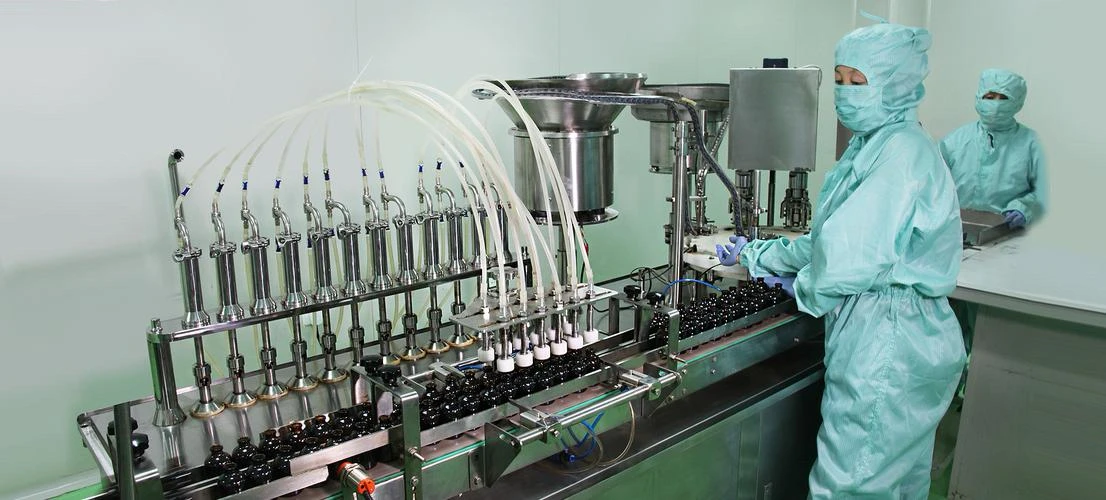
The primary active pharmaceutical ingredient (API) in bandy tablets for worms is generally fenbendazole (C15H13N3O3S), a benzimidazole carbamate. Fenbendazole exhibits poor water solubility, a key consideration in formulation. Excipients commonly include lactose monohydrate (filler), microcrystalline cellulose (binder/disintegrant), magnesium stearate (lubricant), and croscarmellose sodium (superdisintegrant). The manufacturing process typically involves wet granulation. Fenbendazole and excipients are blended with a granulating fluid (often water or a hydroalcoholic solution) to form granules. Granule size distribution is a critical process parameter, impacting tablet compressibility and dissolution rate. These granules are then dried, screened, and blended with a lubricant like magnesium stearate. Tablet compression is performed using a rotary tablet press, with significant control over compression force, dwell time, and tablet weight. Maintaining consistent tablet hardness, friability, and disintegration time requires meticulous process control throughout. Material purity, verified by High-Performance Liquid Chromatography (HPLC), is essential to meet pharmacopoeial standards. Packaging utilizes blister packs, often comprised of aluminum foil and PVC, to provide protection against moisture and light degradation, impacting long-term stability.
Performance & Engineering
Performance evaluation of bandy tablets focuses on anthelmintic efficacy, determined through fecal egg count reduction tests (FECRT) in target livestock species. Bioavailability, or the extent to which fenbendazole reaches systemic circulation, is a critical engineering parameter. Factors influencing bioavailability include tablet disintegration rate, dissolution rate, and gastrointestinal absorption. Force analysis during compression dictates tablet hardness and resistance to chipping during handling. Environmental resistance testing assesses stability under varying temperature and humidity conditions, aligned with International Council for Harmonisation (ICH) guidelines. Compliance requirements are stringent, demanding adherence to veterinary drug regulations in each target market. Functional implementation necessitates accurate dosage delivery, with tablets typically formulated to contain specific milligrams of fenbendazole based on animal weight and parasite load. Palatability is enhanced by coating or flavoring to improve acceptance by livestock. Furthermore, the design of the tablet must consider ease of administration, either manually or via specialized dosing equipment. Drug resistance monitoring programs are vital, necessitating ongoing assessment of anthelmintic susceptibility in parasite populations.
Technical Specifications
| Active Pharmaceutical Ingredient (API) | API Assay (HPLC) | Tablet Hardness (N) | Disintegration Time (minutes) |
|---|---|---|---|
| Fenbendazole | ≥ 98.0% | 40-100 N | ≤ 60 minutes |
| Lactose Monohydrate | Complies with USP/EP | Friability (% Loss): ≤ 0.5% | Water Content: ≤ 0.5% |
| Microcrystalline Cellulose | Complies with USP/EP | Bulk Density (g/cm3): 0.3-0.5 | Particle Size (µm): 50-200 |
| Magnesium Stearate | Complies with USP/EP | Heavy Metals (ppm): ≤ 10 | Acid Value: ≤ 1.0 |
| Croscarmellose Sodium | Complies with USP/EP | Swelling Capacity (g/g): ≥ 5 | Particle Size (µm): ≤ 250 |
| Packaging Material | Aluminum Foil/PVC Blister | Water Vapor Transmission Rate (WVTR): ≤ 2 g/m2/24h | Light Transmission: ≤ 2% |
Failure Mode & Maintenance
Common failure modes for bandy tablets include cracking due to excessive compression force or low humidity, chipping during handling resulting from inadequate hardness, and disintegration failures due to insufficient superdisintegrant concentration. Chemical degradation of fenbendazole can occur with prolonged exposure to moisture or high temperatures, reducing anthelmintic efficacy. Physical instability, such as tablet softening, can result from plasticizer migration in the coating. Microbial contamination, though rare with proper GMP, can compromise product sterility. Failure analysis often utilizes microscopic examination to assess tablet structure, HPLC to quantify API content, and dissolution testing to evaluate drug release. Preventative maintenance involves stringent control of manufacturing parameters (humidity, temperature, compression force), proper packaging to protect against environmental factors, and regular quality control testing throughout the shelf life. Storage recommendations emphasize cool, dry conditions, protected from direct sunlight. Expired or damaged tablets should not be administered and must be disposed of according to local regulations. Proper inventory management is crucial to ensure product freshness and minimize the risk of using expired medication.
Industry FAQ
Q: What is the impact of anthelmintic resistance on the efficacy of bandy tablets?
A: Anthelmintic resistance is a growing concern. Parasites develop mechanisms to evade the effects of fenbendazole, reducing the drug’s efficacy. This necessitates higher dosages, more frequent treatments, or the use of alternative anthelmintics. Regular fecal egg count monitoring and strategic deworming programs are essential to slow the development of resistance.
Q: How does the bioavailability of fenbendazole affect the therapeutic outcome?
A: Bioavailability directly impacts the amount of drug reaching the parasite. Poor bioavailability means a lower concentration of fenbendazole at the target site, potentially leading to treatment failure. Factors like tablet disintegration, dissolution, and gastrointestinal absorption influence bioavailability.
Q: What are the key considerations for ensuring long-term stability of bandy tablets?
A: Long-term stability relies on protecting the tablets from moisture, light, and temperature fluctuations. Appropriate packaging (aluminum foil/PVC blisters) and storage conditions (cool, dry place) are crucial. Regular stability testing, in accordance with ICH guidelines, is essential to determine shelf life.
Q: What quality control measures are essential during the manufacturing process?
A: Essential quality control measures include raw material testing (API assay, excipient purity), in-process control (granule size distribution, tablet weight, hardness), and finished product testing (disintegration time, dissolution rate, uniformity of dosage units). Adherence to GMP is paramount.
Q: What is the role of excipients in the formulation of bandy tablets?
A: Excipients perform critical functions. Lactose and cellulose provide bulk and aid in compression. Magnesium stearate acts as a lubricant, preventing sticking during tableting. Croscarmellose sodium promotes tablet disintegration, enabling drug release. Excipient quality and concentration directly impact tablet performance.
Conclusion
Bandy tablets for worms represent a vital pharmaceutical intervention in livestock health management. Their efficacy relies on a complex interplay of material science, manufacturing precision, and pharmacokinetic principles. Maintaining consistent product quality through stringent process control, rigorous quality assurance, and proactive monitoring of anthelmintic resistance are critical for ensuring optimal therapeutic outcomes.
The future of bandy tablet formulation may involve exploring novel excipients to enhance bioavailability, developing controlled-release formulations for extended efficacy, and incorporating diagnostic tools to personalize treatment strategies based on parasite susceptibility profiles. Continuous research and development, coupled with robust regulatory oversight, are essential for sustaining the effectiveness of these critical veterinary products.
Latest news
Copyright © 2026
Dingzhou Kangquan Pharmaceutical Co., Ltd. All Rights Reserved. Sitemap | Privacy
Policy


