
2695018275@qq.com
+86
13780513619
- Afrikaans
- Albanian
- Amharic
- Arabic
- Armenian
- Azerbaijani
- Basque
- Belarusian
- Bengali
- Bosnian
- Bulgarian
- Catalan
- Cebuano
- Corsican
- Croatian
- Czech
- Danish
- Dutch
- English
- Esperanto
- Estonian
- Finnish
- French
- Frisian
- Galician
- Georgian
- German
- Greek
- Gujarati
- Haitian Creole
- hausa
- hawaiian
- Hebrew
- Hindi
- Miao
- Hungarian
- Icelandic
- igbo
- Indonesian
- irish
- Italian
- Japanese
- Javanese
- Kannada
- kazakh
- Khmer
- Rwandese
- Korean
- Kurdish
- Kyrgyz
- Lao
- Latin
- Latvian
- Lithuanian
- Luxembourgish
- Macedonian
- Malgashi
- Malay
- Malayalam
- Maltese
- Maori
- Marathi
- Mongolian
- Myanmar
- Nepali
- Norwegian
- Norwegian
- Occitan
- Pashto
- Persian
- Polish
- Portuguese
- Punjabi
- Romanian
- Russian
- Samoan
- Scottish Gaelic
- Serbian
- Sesotho
- Shona
- Sindhi
- Sinhala
- Slovak
- Slovenian
- Somali
- Spanish
- Sundanese
- Swahili
- Swedish
- Tagalog
- Tajik
- Tamil
- Tatar
- Telugu
- Thai
- Turkish
- Turkmen
- Ukrainian
- Urdu
- Uighur
- Uzbek
- Vietnamese
- Welsh
- Bantu
- Yiddish
- Yoruba
- Zulu
Apr . 01, 2024 17:55 Back to list
chewable albendazole Formulation Performance
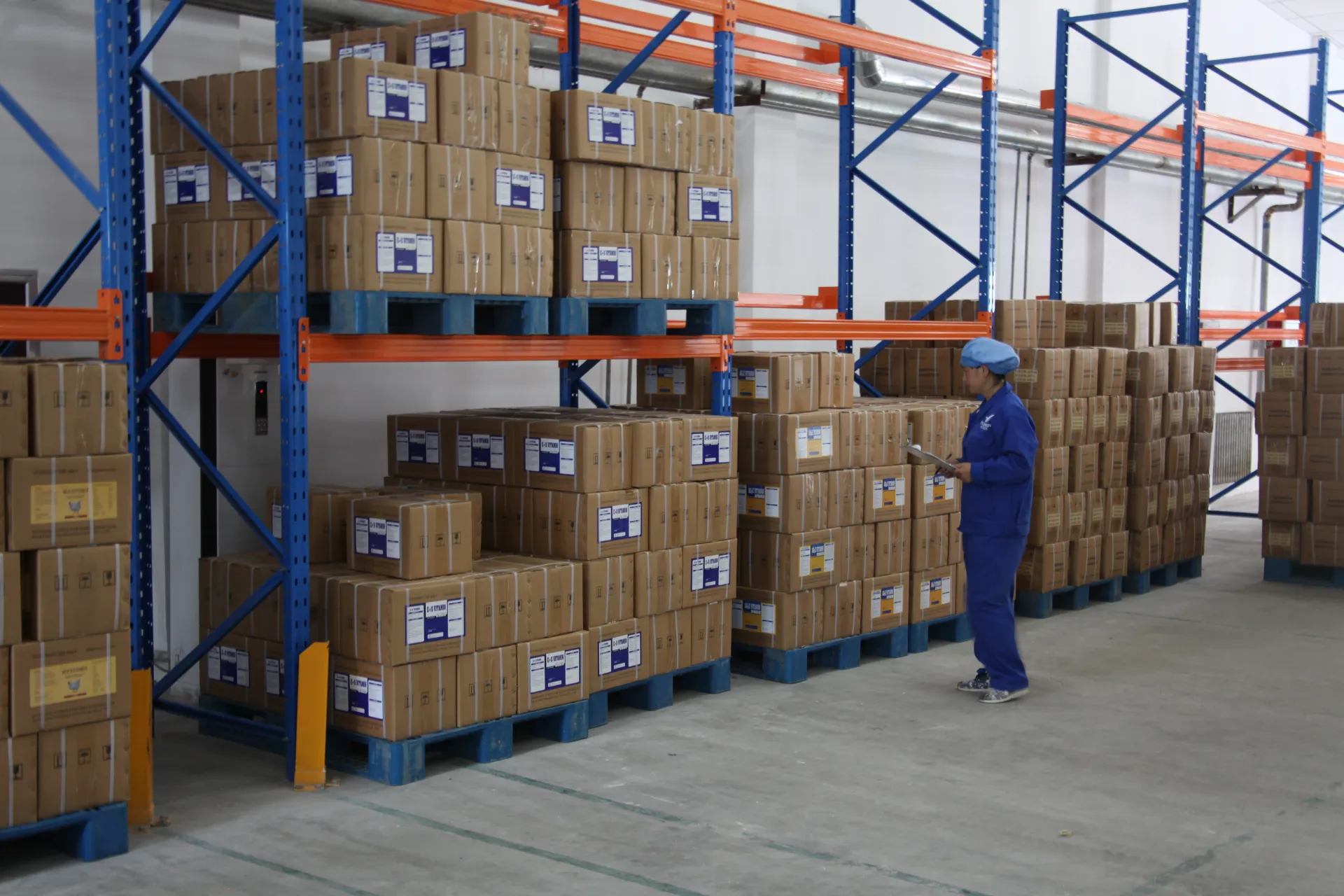
Introduction
Chewable albendazole is an anthelmintic medication used for the treatment of a wide spectrum of parasitic worm infestations. It falls within the benzimidazole class of compounds and is widely utilized in both human and veterinary medicine, particularly in regions where helminth infections are prevalent. The chewable formulation is specifically designed to improve palatability and ease of administration, especially in pediatric and veterinary applications where compliance with traditional tablet formulations can be challenging. Its efficacy stems from selectively inhibiting the polymerization of tubulin in parasitic worms, disrupting their cellular transport processes and ultimately leading to their immobilization and death. This technical guide provides a comprehensive overview of chewable albendazole, encompassing its material science, manufacturing processes, performance characteristics, potential failure modes, and relevant industry standards. The inherent challenges in pharmaceutical formulation—specifically maintaining bioavailability, palatability, and stability—are addressed in detail.
Material Science & Manufacturing
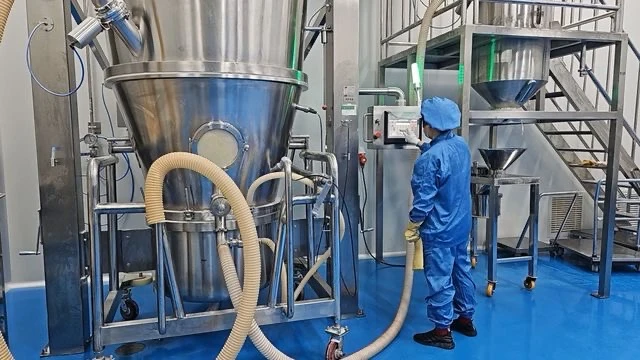
The formulation of chewable albendazole involves a complex interplay of material science and pharmaceutical manufacturing processes. Albendazole itself is a practically insoluble compound in water, presenting a significant bioavailability challenge. The primary active pharmaceutical ingredient (API), albendazole (C12H15N3O2S), possesses a molecular weight of 265.33 g/mol. The core excipient matrix typically consists of microcrystalline cellulose, which provides compressibility and structural integrity. Mannitol, a sugar alcohol, is frequently employed as a bulking agent and contributes to the chewable texture and sweetness. Sodium starch glycolate functions as a disintegrant, promoting rapid tablet breakdown upon ingestion, enhancing drug dissolution. Magnesium stearate serves as a lubricant, preventing sticking during tablet compression. Flavoring agents (e.g., fruit flavors) and sweeteners (e.g., sucrose, aspartame) are crucial for palatability, particularly for pediatric formulations. The manufacturing process generally follows these steps: 1) API and excipients are thoroughly blended in a high-shear mixer to ensure homogeneity. 2) The blend is granulated, typically using wet granulation, to improve flowability and compressibility. Granulation involves adding a liquid binder (e.g., polyvinylpyrrolidone – PVP) to the powder blend, forming agglomerates. 3) The granules are dried to reduce moisture content to specified levels (typically <2%). 4) The dried granules are milled to achieve a uniform particle size distribution. 5) Lubricants (magnesium stearate) are added and blended. 6) The final blend is compressed into tablets using a rotary tablet press. Key parameters during compression include compression force, tablet weight, and hardness. These parameters are rigorously controlled to ensure consistent tablet properties. The chewable aspect necessitates lower compression forces compared to traditional tablets to achieve a friable, easily chewable texture. Quality control measures throughout the process include particle size analysis, moisture content determination, hardness testing, disintegration testing, and assay for albendazole content.
Performance & Engineering
The performance of chewable albendazole hinges on its dissolution rate and subsequent bioavailability. Albendazole’s low aqueous solubility necessitates formulation strategies to enhance dissolution. The disintegrant (sodium starch glycolate) plays a critical role in facilitating tablet breakup in the gastrointestinal tract, exposing a larger surface area of the API to the dissolution medium. The particle size of the albendazole API significantly impacts dissolution; smaller particle sizes generally lead to faster dissolution rates. Formulation engineers must consider the interplay between excipient properties and API characteristics to optimize dissolution. Bioavailability studies are essential to determine the extent to which albendazole is absorbed into the systemic circulation. These studies typically involve measuring plasma concentrations of albendazole and its metabolite, albendazole sulfoxide. Pharmacokinetic parameters, such as Cmax (maximum plasma concentration), Tmax (time to maximum plasma concentration), and AUC (area under the curve), are calculated to assess bioavailability. Furthermore, the chewable formulation must demonstrate acceptable mechanical strength to withstand handling and transportation. Friability testing, which measures tablet crumbling, is a crucial quality control parameter. The formulation must also exhibit chemical stability over the shelf life of the product. Stability studies are conducted under accelerated conditions (e.g., elevated temperature and humidity) to assess degradation rates and identify potential degradation products. The excipients must be compatible with albendazole, and any interactions that could compromise stability must be avoided. Compliance with pharmacopoeial standards (USP, EP, JP) regarding assay, impurity limits, and dissolution is paramount.
Technical Specifications
| Parameter | Specification | Test Method | Acceptance Criteria |
|---|---|---|---|
| Albendazole Content (Assay) | 95.0% - 105.0% | HPLC | Complies |
| Related Substances (Impurities) | Individual Impurity: ≤ 0.1% | HPLC | Complies |
| Disintegration Time | ≤ 60 minutes | USP <701> | Complies |
| Friability | ≤ 1.0% | USP <1078> | Complies |
| Hardness | 2-6 kgf | Tablet Hardness Tester | Complies |
| Water Content | ≤ 2.0% | Karl Fischer Titration | Complies |
Failure Mode & Maintenance
Chewable albendazole, like all pharmaceutical products, is susceptible to various failure modes. Physical degradation can manifest as tablet crumbling, chipping, or cracking, often due to inadequate hardness or excessive moisture absorption. Chemical degradation can result in the formation of degradation products, reducing the potency of the API. Common degradation pathways include oxidation and hydrolysis. Exposure to light, heat, and humidity can accelerate degradation. Microbial contamination is another potential failure mode, particularly if the manufacturing process is not adequately controlled. Packaging plays a critical role in protecting the product from environmental factors. Blister packaging with aluminum foil provides excellent barrier properties against moisture and light. Maintenance, in this context, refers to proper storage conditions and adherence to the manufacturer's recommended shelf life. The product should be stored in a cool, dry place, protected from light. Visual inspection of the tablets before administration is recommended; any signs of physical damage or discoloration should prompt discarding the product. Long-term stability data should be regularly reviewed to ensure that the product remains within specification throughout its shelf life. Furthermore, adherence to Good Manufacturing Practices (GMP) during production is crucial to minimize the risk of failure. Root cause analysis should be performed for any out-of-specification results to identify and address underlying issues. Failure analysis techniques, such as microscopy and spectroscopy, can be employed to characterize degradation products and determine the mechanism of failure.
Industry FAQ
Q: What strategies are employed to overcome the low aqueous solubility of albendazole in chewable formulations?
A: Several strategies are used. Micronization of the API increases the surface area, enhancing dissolution rate. Solid dispersions, where albendazole is dispersed in a hydrophilic carrier (like mannitol or PVP), improve wettability and solubility. The inclusion of surfactants can also enhance dissolution by reducing surface tension. Furthermore, optimizing the disintegrant concentration and type is critical for rapid tablet breakup.
Q: How is the palatability of chewable albendazole ensured, particularly for pediatric use?
A: Palatability is achieved through the careful selection of flavoring agents (fruit flavors are common) and sweeteners (sucrose, aspartame, xylitol). Masking agents may be used to reduce any inherent bitter taste of albendazole. Sensory evaluation panels are often used to assess and optimize the taste profile.
Q: What are the critical process parameters (CPPs) during tablet compression that impact the quality of chewable albendazole?
A: CPPs include compression force, tablet weight, blending uniformity, and lubricant concentration. Compression force directly impacts tablet hardness and friability. Tablet weight affects API content uniformity. Blending uniformity ensures consistent API distribution. Lubricant concentration influences flowability and tablet ejection.
Q: What analytical methods are used for quality control of chewable albendazole?
A: HPLC is the primary method for assay and related substances analysis. Karl Fischer titration determines water content. USP <701> and <1078> are used for disintegration and friability testing, respectively. Tablet hardness is measured using a hardness tester. Microscopic examination is used for particle size and morphology assessment.
Q: How do packaging materials affect the stability of chewable albendazole?
A: Packaging materials provide protection from moisture, light, and oxygen. Blister packaging with aluminum foil offers the best barrier properties. The packaging material should be impermeable to water vapor and oxygen to prevent degradation. The selection of the appropriate packaging material is based on stability studies and compatibility testing.
Conclusion
Chewable albendazole represents a significant advancement in anthelmintic therapy, particularly for populations where compliance with traditional dosage forms is limited. The formulation necessitates a nuanced understanding of material science, pharmaceutical engineering, and quality control principles. Achieving optimal bioavailability, palatability, and stability requires careful selection of excipients, precise control of manufacturing processes, and robust analytical testing. The inherent challenges associated with albendazole’s low solubility are addressed through strategies such as micronization, solid dispersion techniques, and optimized disintegrant selection.
Continued research and development efforts should focus on further enhancing bioavailability, improving long-term stability, and exploring novel formulation approaches. Investigating the use of advanced excipients, such as self-emulsifying drug delivery systems (SEDDS), could potentially improve drug absorption. Implementation of Process Analytical Technology (PAT) can enable real-time monitoring and control of critical process parameters, leading to more consistent product quality. Adherence to stringent regulatory guidelines and continuous improvement of manufacturing processes are essential to ensure the safety and efficacy of chewable albendazole formulations.
Latest news
Copyright © 2026
Dingzhou Kangquan Pharmaceutical Co., Ltd. All Rights Reserved. Sitemap | Privacy
Policy


