
2695018275@qq.com
+86
13780513619
- Afrikaans
- Albanian
- Amharic
- Arabic
- Armenian
- Azerbaijani
- Basque
- Belarusian
- Bengali
- Bosnian
- Bulgarian
- Catalan
- Cebuano
- Corsican
- Croatian
- Czech
- Danish
- Dutch
- English
- Esperanto
- Estonian
- Finnish
- French
- Frisian
- Galician
- Georgian
- German
- Greek
- Gujarati
- Haitian Creole
- hausa
- hawaiian
- Hebrew
- Hindi
- Miao
- Hungarian
- Icelandic
- igbo
- Indonesian
- irish
- Italian
- Japanese
- Javanese
- Kannada
- kazakh
- Khmer
- Rwandese
- Korean
- Kurdish
- Kyrgyz
- Lao
- Latin
- Latvian
- Lithuanian
- Luxembourgish
- Macedonian
- Malgashi
- Malay
- Malayalam
- Maltese
- Maori
- Marathi
- Mongolian
- Myanmar
- Nepali
- Norwegian
- Norwegian
- Occitan
- Pashto
- Persian
- Polish
- Portuguese
- Punjabi
- Romanian
- Russian
- Samoan
- Scottish Gaelic
- Serbian
- Sesotho
- Shona
- Sindhi
- Sinhala
- Slovak
- Slovenian
- Somali
- Spanish
- Sundanese
- Swahili
- Swedish
- Tagalog
- Tajik
- Tamil
- Tatar
- Telugu
- Thai
- Turkish
- Turkmen
- Ukrainian
- Urdu
- Uighur
- Uzbek
- Vietnamese
- Welsh
- Bantu
- Yiddish
- Yoruba
- Zulu
Apr . 01, 2024 17:55 Back to list
chewy dog vitamins Manufacturing Analysis
Introduction
Chewy dog vitamins represent a significant segment within the companion animal health and wellness market. These products are formulated to supplement canine diets, addressing potential nutritional deficiencies and supporting overall health. Positioned as a preventative health measure, rather than a curative treatment, they differ from prescription pharmaceuticals. Their manufacturing relies on a complex interplay of nutritional science, food processing techniques, and quality control measures. Core performance characteristics center around palatability (ensuring consumption by the target animal), bioavailability (the degree to which nutrients are absorbed), and stability (maintaining potency during storage). A key industry challenge lies in differentiating products based on genuine efficacy, navigating evolving regulatory landscapes, and addressing consumer demand for natural and high-quality ingredients. The chewy format is specifically designed to enhance palatability and compliance, particularly for dogs that are resistant to traditional tablet or capsule formulations.
Material Science & Manufacturing
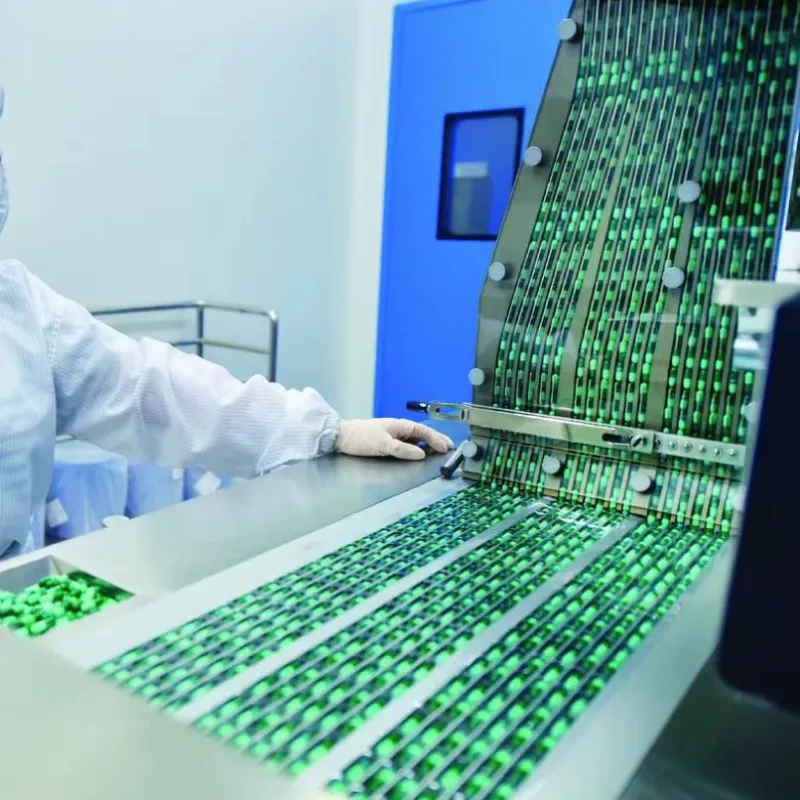
The production of chewy dog vitamins begins with sourcing raw materials, encompassing vitamins (A, D, E, C, B-complex), minerals (calcium, phosphorus, iron), amino acids, and flavor enhancers. Vitamin precursors and synthetic vitamins are common, alongside natural sources where feasible. Gelatin, derived from collagen, is a critical component, providing structural integrity and the characteristic chewiness. Glycerin acts as a plasticizer, enhancing flexibility and preventing brittleness. Binding agents like sorbitol or maltitol contribute to texture and moisture retention. Manufacturing typically follows a multi-step process: 1) Raw Material Blending: Precise weighing and mixing of ingredients to achieve the desired nutrient profile. 2) Slurry Formation: Combining dry ingredients with liquid components (glycerin, water) to form a homogenous slurry. Critical parameters include viscosity and temperature control. 3) Extrusion/Molding: The slurry is extruded into desired shapes (bones, stars, etc.) or molded using specialized equipment. Die temperature and extrusion pressure are tightly controlled. 4) Drying: Reducing moisture content to ensure product stability and prevent microbial growth. Techniques include tray drying, fluid bed drying, or vacuum drying. Moisture content is a critical quality attribute. 5) Coating (Optional): Application of a coating (e.g., carrageenan, beeswax) to enhance palatability, mask odor, or provide a protective barrier. 6) Quality Control: Rigorous testing for nutrient content, moisture levels, microbial contamination, and physical characteristics (hardness, size, shape). Chemical compatibility between ingredients is paramount to avoid degradation or the formation of harmful compounds. The choice of excipients significantly impacts the final product’s texture, bioavailability, and shelf life.
Performance & Engineering
The performance of chewy dog vitamins is fundamentally linked to nutrient delivery and absorption. Bioavailability is influenced by several factors, including the chemical form of the nutrient, the presence of absorption enhancers, and the dog’s individual digestive physiology. Force analysis assesses the chewability of the vitamin, measured by compression testing to determine the force required to break the product. This is crucial for ensuring dogs of varying ages and dental health can consume the vitamin effectively. Environmental resistance is important, particularly concerning moisture absorption, which can lead to product degradation and loss of potency. Packaging materials with low oxygen transmission rates (OTR) and low water vapor transmission rates (WVTR) are essential. Regulatory compliance is paramount. In the US, this falls under the purview of the Food and Drug Administration (FDA), specifically the Center for Veterinary Medicine (CVM). Products must adhere to Current Good Manufacturing Practices (cGMP) regulations. Stability studies, conducted under accelerated aging conditions (elevated temperature and humidity), are required to demonstrate product shelf life. The formulation must also consider potential interactions with other medications the dog may be receiving. Long-term exposure to UV light can degrade vitamins, thus opaque packaging is vital for preservation.
Technical Specifications
| Parameter | Unit | Typical Value | Test Method |
|---|---|---|---|
| Vitamin A Content | IU/kg | 10,000 - 20,000 | HPLC |
| Vitamin D3 Content | IU/kg | 1,000 - 2,000 | HPLC |
| Vitamin E Content | mg/kg | 50 - 100 | HPLC |
| Moisture Content | % w/w | 10 - 15 | Karl Fischer Titration |
| Water Activity (Aw) | - | < 0.6 | Water Activity Meter |
| Hardness | Newtons | 5 - 20 | Compression Tester |
Failure Mode & Maintenance
Chewy dog vitamins are susceptible to several failure modes. Moisture Absorption: Exposure to humidity can lead to softening, stickiness, and microbial growth. Oxidation: Vitamins A, E, and other fat-soluble vitamins are prone to oxidative degradation, reducing potency. This is exacerbated by exposure to oxygen and light. Fatigue Cracking: Repeated bending or stress during packaging and handling can cause cracks, compromising structural integrity. Delamination: Separation of coating layers (if applicable) due to poor adhesion or environmental factors. Loss of Palatability: Degradation of flavor enhancers or the development of off-odors can reduce acceptance by dogs. Microbial Contamination: Improper manufacturing or storage can lead to bacterial or fungal growth. Preventative maintenance includes storing vitamins in a cool, dry place, in tightly sealed containers, and protecting them from direct sunlight. Regular inspection for signs of moisture damage, cracking, or discoloration is crucial. Rotating stock to ensure freshness is recommended. For manufacturers, strict adherence to cGMP guidelines and robust quality control procedures are essential for mitigating failure risks. Shelf-life testing should be conducted periodically to validate product stability.
Industry FAQ
Q: What is the significance of bioavailability in chewy vitamin formulations, and how is it measured?
A: Bioavailability refers to the extent to which the nutrients in the vitamin are absorbed and utilized by the dog's body. It's a critical performance indicator because a vitamin with high nutrient content is ineffective if those nutrients aren't absorbed. Bioavailability is not directly measured in a single test; it’s inferred through various studies, including in vitro dissolution tests, in vivo absorption studies (measuring nutrient levels in blood or urine after administration), and assessment of physiological effects (e.g., improved coat condition or energy levels). Formulation strategies, like encapsulating vitamins in lipid carriers, are used to enhance bioavailability.
Q: How do different types of gelatin affect the texture and chewiness of the vitamin?
A: The Bloom strength of gelatin, measured in grams, is the primary determinant of its texture. Higher Bloom gelatin creates a firmer, more elastic chew, while lower Bloom gelatin results in a softer, more pliable texture. Gelatin type (Type A from pork skin, Type B from bovine bone) also influences properties. Type A generally has a faster set time and clearer gel. The gelatin to glycerin ratio is also a critical parameter; higher glycerin levels increase plasticity and reduce brittleness. Carefully controlling these variables is essential for achieving the desired chewiness.
Q: What are the key considerations regarding packaging materials to prevent degradation of vitamins?
A: Packaging materials should provide a robust barrier against moisture, oxygen, and light. Multi-layer films composed of polyethylene (PE), aluminum foil, and polyethylene terephthalate (PET) are commonly used. The aluminum foil layer provides an excellent oxygen barrier, while PE provides moisture protection. Opaque packaging is critical to protect light-sensitive vitamins. The OTR and WVTR values of the packaging material should be minimized. Additionally, the packaging should be hermetically sealed to prevent ingress of contaminants.
Q: What are the primary challenges in maintaining consistent nutrient levels throughout the shelf life of a chewy vitamin?
A: Maintaining consistent nutrient levels requires careful formulation, manufacturing, and packaging. Vitamins are susceptible to degradation through oxidation, hydrolysis, and photolysis. Encapsulation of sensitive vitamins can provide protection. Antioxidants can be added to the formulation to inhibit oxidation. Controlling moisture content is essential to minimize hydrolysis. Proper packaging, as discussed previously, is crucial. Rigorous stability studies under accelerated aging conditions are used to predict shelf life and validate nutrient retention.
Q: How do cGMP regulations impact the manufacturing process of chewy dog vitamins?
A: cGMP regulations, enforced by the FDA-CVM, dictate stringent standards for all aspects of manufacturing, from raw material sourcing to finished product testing. This includes documented procedures for sanitation, equipment maintenance, personnel training, and quality control. Batch records must be meticulously maintained to ensure traceability. Validation of manufacturing processes is required to demonstrate consistent production of high-quality products. Regular audits by regulatory agencies are conducted to verify compliance. Adherence to cGMP regulations is essential for ensuring product safety, efficacy, and legal compliance.
Conclusion
The production of chewy dog vitamins is a complex undertaking requiring a deep understanding of nutritional science, material science, and manufacturing engineering. Successful formulations prioritize bioavailability, palatability, and stability. Strict adherence to cGMP regulations and robust quality control procedures are essential for ensuring product safety and efficacy. The selection of appropriate excipients and packaging materials plays a critical role in preserving nutrient potency and extending shelf life.
Future trends in this industry are likely to focus on personalized nutrition, utilizing data-driven approaches to formulate vitamins tailored to individual dog needs. The demand for natural and sustainable ingredients will continue to grow. Advancements in encapsulation technology and delivery systems will further enhance bioavailability and improve product performance. Continuous monitoring of regulatory changes and adaptation to evolving consumer preferences will be crucial for maintaining a competitive advantage.
Latest news
Copyright © 2026
Dingzhou Kangquan Pharmaceutical Co., Ltd. All Rights Reserved. Sitemap | Privacy
Policy


