
2695018275@qq.com
+86
13780513619
- Afrikaans
- Albanian
- Amharic
- Arabic
- Armenian
- Azerbaijani
- Basque
- Belarusian
- Bengali
- Bosnian
- Bulgarian
- Catalan
- Cebuano
- Corsican
- Croatian
- Czech
- Danish
- Dutch
- English
- Esperanto
- Estonian
- Finnish
- French
- Frisian
- Galician
- Georgian
- German
- Greek
- Gujarati
- Haitian Creole
- hausa
- hawaiian
- Hebrew
- Hindi
- Miao
- Hungarian
- Icelandic
- igbo
- Indonesian
- irish
- Italian
- Japanese
- Javanese
- Kannada
- kazakh
- Khmer
- Rwandese
- Korean
- Kurdish
- Kyrgyz
- Lao
- Latin
- Latvian
- Lithuanian
- Luxembourgish
- Macedonian
- Malgashi
- Malay
- Malayalam
- Maltese
- Maori
- Marathi
- Mongolian
- Myanmar
- Nepali
- Norwegian
- Norwegian
- Occitan
- Pashto
- Persian
- Polish
- Portuguese
- Punjabi
- Romanian
- Russian
- Samoan
- Scottish Gaelic
- Serbian
- Sesotho
- Shona
- Sindhi
- Sinhala
- Slovak
- Slovenian
- Somali
- Spanish
- Sundanese
- Swahili
- Swedish
- Tagalog
- Tajik
- Tamil
- Tatar
- Telugu
- Thai
- Turkish
- Turkmen
- Ukrainian
- Urdu
- Uighur
- Uzbek
- Vietnamese
- Welsh
- Bantu
- Yiddish
- Yoruba
- Zulu
Apr . 01, 2024 17:55 Back to list
disinfectant groups veterinary Performance Analysis
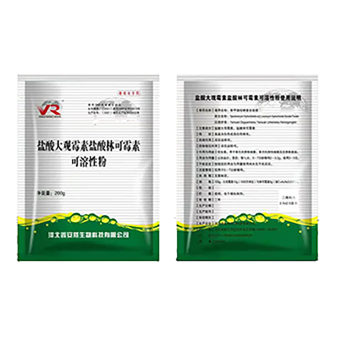
Introduction
Disinfectant groups for veterinary applications represent a critical component in maintaining biosecurity and preventing the spread of infectious diseases within animal populations. These formulations encompass a broad spectrum of chemical compounds, each exhibiting unique antimicrobial properties and intended for specific applications, ranging from surface disinfection in clinical settings to teat dips for dairy cattle. Their technical positioning within the animal health industry chain is pivotal, bridging pharmaceutical manufacturing with practical on-farm hygiene protocols. Core performance characteristics are defined by efficacy against target pathogens (bacteria, viruses, fungi), material compatibility with common veterinary surfaces, safety profiles for animals and personnel, and stability under varying storage conditions. The industry currently faces challenges related to antimicrobial resistance, the need for environmentally sustainable options, and increasingly stringent regulatory oversight demanding comprehensive validation of disinfection efficacy.
Material Science & Manufacturing
The formulation of disinfectant groups veterinary typically involves several key raw materials categorized by their active antimicrobial agents. Common agents include quaternary ammonium compounds (QACs), aldehydes (formaldehyde, glutaraldehyde), alcohols (ethanol, isopropanol), chlorine-based compounds (sodium hypochlorite), peracetic acid (PAA), and phenols. QACs, for example, are amphiphilic molecules with a positively charged hydrophilic head and hydrophobic tails. This structure disrupts bacterial cell membranes. Aldehydes crosslink proteins, leading to cell inactivation, but present toxicity concerns. Manufacturing processes vary based on the agent. QAC-based formulations are often produced through a mixing and blending process, carefully controlling pH and concentration. Chlorine-based solutions require precise dilution of concentrated bleach and stabilization to prevent degradation. Peracetic acid is typically synthesized via the reaction of acetic acid with hydrogen peroxide and requires careful control of reaction parameters to maximize yield and purity. Critical parameters during manufacturing include raw material purity, mixing homogeneity, pH control, filtration to remove particulate matter, and quality control testing to ensure adherence to specifications. Material compatibility is also crucial; manufacturing vessels and storage containers must be resistant to corrosion and chemical attack by the disinfectant components. Polyethylene (PE) and polypropylene (PP) are frequently used due to their chemical resistance.
Performance & Engineering
Performance evaluation of disinfectant groups veterinary centers on determining their efficacy against relevant pathogens. This is primarily assessed through standardized suspension tests (e.g., EN 16615 for veterinary hygiene) and surface disinfection tests (e.g., EN 16616). Suspension tests quantify the reduction in microbial load over time, typically expressed as log reduction (LR). Surface tests evaluate disinfection efficacy on contaminated surfaces mimicking real-world conditions. Engineering considerations involve optimizing the delivery method for maximum contact time and coverage. Spray applications require nozzle design to produce a consistent droplet size distribution and prevent excessive aerosolization. Immersion disinfection necessitates appropriate tank size and agitation to ensure complete coverage. Dilution rates and contact times are critical parameters – deviations from recommended protocols can significantly reduce efficacy. Environmental resistance is another key factor. Disinfectants can be deactivated by organic matter (blood, manure, soil) requiring pre-cleaning protocols. Temperature and pH also influence efficacy; many disinfectants perform optimally within a narrow range. Corrosion potential must be considered when selecting disinfectants for use on metal surfaces in veterinary facilities. Compatibility with materials commonly found in animal housing (e.g., rubber, plastics) is also essential to prevent degradation and maintain structural integrity. Compliance requirements vary by region, with regulations governing registration, labeling, and permissible use levels.
Technical Specifications
| Active Ingredient | Concentration (%) | pH Range | Contact Time (minutes) |
|---|---|---|---|
| Quaternary Ammonium Compounds (QAC) | 2.5 - 5.0 | 6.0 - 8.0 | 10 - 30 |
| Glutaraldehyde | 2.0 - 4.0 | 3.0 - 6.0 | 30 - 60 |
| Ethanol | 70 - 95 | N/A (typically 6.0-8.0 in formulation) | 30 - 60 |
| Sodium Hypochlorite | 0.5 - 1.0 | 11.0 - 13.0 | 5 - 15 |
| Peracetic Acid | 0.5 - 2.0 | 2.0 - 4.0 | 5 - 10 |
| Phenolic Compounds | 1.0 - 5.0 | 4.0 - 7.0 | 15 - 30 |
Failure Mode & Maintenance
Failure modes of disinfectant groups veterinary can be categorized into chemical degradation, microbial neutralization, and application errors. Chemical degradation occurs due to factors like UV light exposure, temperature fluctuations, and contamination with organic matter. QACs, for instance, can be adsorbed onto surfaces, reducing their availability. Aldehydes polymerize over time, decreasing their reactivity. Microbial neutralization arises from the development of antimicrobial resistance or the presence of biofilms. Biofilms are communities of microorganisms encased in a protective matrix, making them highly resistant to disinfectants. Application errors include inadequate dilution, insufficient contact time, improper surface cleaning, and failure to follow manufacturer's instructions. Maintenance protocols involve proper storage (cool, dark, dry place), regular monitoring of concentration and pH, and periodic cleaning of application equipment. Rotation of disinfectants with different modes of action can help mitigate the development of antimicrobial resistance. Routine assessment of disinfection efficacy through surface sampling and microbial testing is essential. For automated disinfection systems, regular maintenance of pumps, nozzles, and sensors is crucial to ensure consistent performance. Addressing corrosion issues through the use of compatible materials and protective coatings extends the lifespan of equipment and prevents disinfectant contamination.
Industry FAQ
Q: What is the difference between a virucidal, bactericidal, and fungicidal disinfectant?
A: A virucidal disinfectant is specifically effective against viruses, disrupting their viral envelope or nucleic acid. A bactericidal disinfectant kills bacteria by disrupting cell walls, membranes, or metabolic processes. A fungicidal disinfectant eliminates fungi by inhibiting fungal growth or killing fungal cells. Some disinfectants exhibit broad-spectrum activity, possessing virucidal, bactericidal, and fungicidal properties.
Q: How does organic matter interfere with disinfectant efficacy?
A: Organic matter, such as blood, manure, or soil, can bind to disinfectant molecules, reducing their concentration and hindering their ability to reach and kill microorganisms. It effectively dilutes the disinfectant and provides a protective barrier for pathogens.
Q: What are the implications of antimicrobial resistance in veterinary disinfection?
A: Antimicrobial resistance occurs when microorganisms evolve mechanisms to survive exposure to disinfectants. Repeated use of the same disinfectant can select for resistant strains, reducing the effectiveness of the disinfectant over time. Rotation of disinfectants with different modes of action is crucial to minimize resistance development.
Q: What is the appropriate method for validating disinfection procedures?
A: Validation involves verifying that disinfection procedures consistently achieve the desired level of microbial reduction. This can be accomplished through surface sampling using contact plates or swabs, followed by microbiological analysis to quantify microbial counts before and after disinfection. Control surfaces should also be monitored.
Q: What safety precautions should be taken when handling concentrated disinfectants?
A: Concentrated disinfectants are often corrosive and can cause skin and eye irritation. Always wear appropriate personal protective equipment (PPE), including gloves, eye protection, and a respirator if aerosolization is possible. Handle disinfectants in a well-ventilated area and follow the manufacturer's safety guidelines.
Conclusion
Disinfectant groups veterinary are indispensable tools in maintaining animal health and preventing disease transmission. Their efficacy relies on a complex interplay of chemical properties, manufacturing precision, application techniques, and adherence to established protocols. Understanding the mechanisms of action, potential failure modes, and the influence of environmental factors is paramount for optimal performance.
The ongoing challenge of antimicrobial resistance necessitates continuous innovation in disinfectant formulations and the adoption of integrated biosecurity strategies. Future developments are likely to focus on environmentally sustainable alternatives, enhanced biofilm penetration, and improved methods for monitoring disinfection efficacy, ensuring a robust defense against emerging and evolving pathogens in veterinary medicine.
Latest news
Copyright © 2026
Dingzhou Kangquan Pharmaceutical Co., Ltd. All Rights Reserved. Sitemap | Privacy
Policy


