
2695018275@qq.com
+86
13780513619
- Afrikaans
- Albanian
- Amharic
- Arabic
- Armenian
- Azerbaijani
- Basque
- Belarusian
- Bengali
- Bosnian
- Bulgarian
- Catalan
- Cebuano
- Corsican
- Croatian
- Czech
- Danish
- Dutch
- English
- Esperanto
- Estonian
- Finnish
- French
- Frisian
- Galician
- Georgian
- German
- Greek
- Gujarati
- Haitian Creole
- hausa
- hawaiian
- Hebrew
- Hindi
- Miao
- Hungarian
- Icelandic
- igbo
- Indonesian
- irish
- Italian
- Japanese
- Javanese
- Kannada
- kazakh
- Khmer
- Rwandese
- Korean
- Kurdish
- Kyrgyz
- Lao
- Latin
- Latvian
- Lithuanian
- Luxembourgish
- Macedonian
- Malgashi
- Malay
- Malayalam
- Maltese
- Maori
- Marathi
- Mongolian
- Myanmar
- Nepali
- Norwegian
- Norwegian
- Occitan
- Pashto
- Persian
- Polish
- Portuguese
- Punjabi
- Romanian
- Russian
- Samoan
- Scottish Gaelic
- Serbian
- Sesotho
- Shona
- Sindhi
- Sinhala
- Slovak
- Slovenian
- Somali
- Spanish
- Sundanese
- Swahili
- Swedish
- Tagalog
- Tajik
- Tamil
- Tatar
- Telugu
- Thai
- Turkish
- Turkmen
- Ukrainian
- Urdu
- Uighur
- Uzbek
- Vietnamese
- Welsh
- Bantu
- Yiddish
- Yoruba
- Zulu
Apr . 01, 2024 17:55 Back to list
dog multivitamin Bioavailability and Stability
Introduction
Dog multivitamins represent a critical component of preventative canine healthcare, positioned within the broader animal nutrition industry. These formulations are not standalone dietary replacements, but rather supplemental provisions intended to address potential nutritional deficiencies in commercially available dog foods or homemade diets. The core performance criteria for a dog multivitamin revolve around bioavailability – the extent to which the nutrients are absorbed and utilized by the animal – and stability, ensuring potency throughout the product’s shelf life. A key industry pain point centers on establishing verifiable nutrient content and addressing varying physiological needs across different life stages, breeds, and health conditions. Multivitamins must be carefully formulated to avoid over-supplementation, which can lead to toxicity, and to ensure compatibility with other medications or dietary interventions the animal may be receiving.
Material Science & Manufacturing
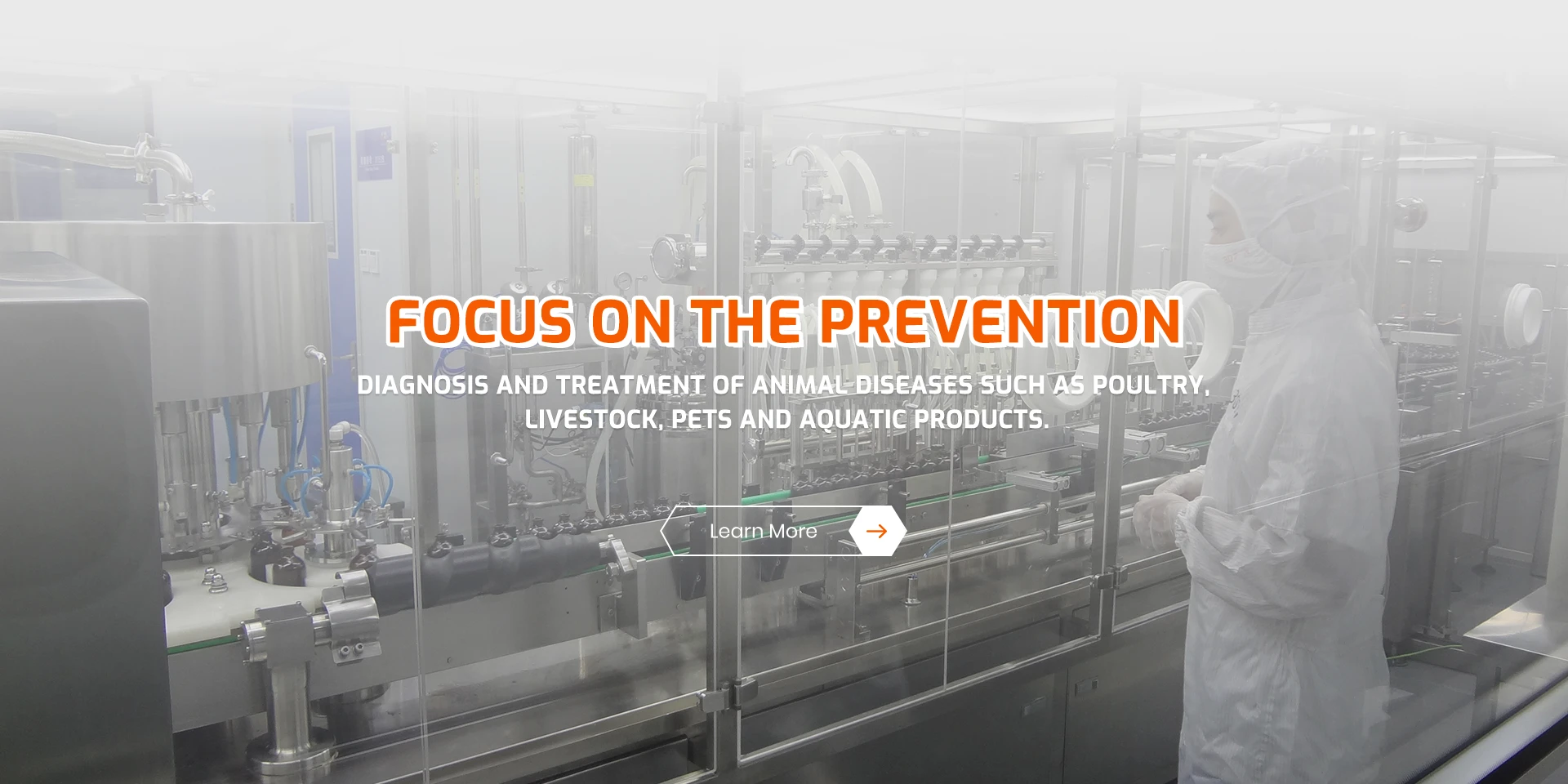
The production of dog multivitamins hinges on the sourcing and processing of both hydrophilic (water-soluble) and lipophilic (fat-soluble) vitamins, alongside essential minerals and often, trace elements. Raw materials originate from synthetic chemical synthesis (e.g., ascorbic acid, tocopherol) and natural extraction (e.g., vitamin A from fish liver oil, vitamin D from lanolin). The physical properties of these compounds significantly impact formulation. Vitamin C, for example, is highly hygroscopic, requiring specialized encapsulation or coating techniques to prevent degradation due to moisture absorption. Fat-soluble vitamins (A, D, E, K) necessitate incorporation into oil-based matrices or microemulsions for optimal absorption. Manufacturing processes commonly involve blending, granulation, and compression into tablets, encapsulation into softgels, or liquid formulation. Key parameter control focuses on precise weighing of ingredients (critical for dosage accuracy), mixing uniformity to ensure homogenous distribution of nutrients, and control of moisture content during granulation to maintain tablet hardness and disintegration rates. Furthermore, the selection of excipients – inactive ingredients like binders, fillers, and coatings – is crucial, demanding compatibility with active ingredients and non-toxicity to canines. The control of particle size distribution during micronization impacts dissolution rate and bioavailability.
Performance & Engineering
The performance of a dog multivitamin is fundamentally tied to its bioavailability and its ability to address specific nutritional deficits. Bioavailability is governed by factors including the chemical form of the vitamin (e.g., retinol vs. beta-carotene for Vitamin A), the presence of absorption enhancers, and the animal’s digestive physiology. Formulation engineers must consider the potential for nutrient interactions. For example, high levels of calcium can interfere with the absorption of iron and zinc. Environmental resistance during storage is paramount. Exposure to light, oxygen, and heat can degrade vitamins, particularly fat-soluble varieties. Packaging, therefore, plays a crucial engineering role, utilizing opaque, airtight containers with desiccant materials to minimize degradation. Compliance requirements are dictated by regulations set by organizations like the Food and Drug Administration (FDA) in the United States, which mandate accurate labeling, Good Manufacturing Practices (GMP), and adherence to permissible ingredient levels. Functional implementation necessitates understanding canine metabolic pathways and tailoring the vitamin profile to address age-related changes, activity levels, and breed predispositions to specific deficiencies. Force analysis (e.g., tablet hardness testing) ensures product integrity during handling and transportation.
Technical Specifications
| Vitamin | Units | Minimum Potency (per dose) | Maximum Potency (per dose) |
|---|---|---|---|
| Vitamin A | IU | 5,000 | 10,000 |
| Vitamin D3 | IU | 500 | 1,000 |
| Vitamin E | IU | 30 | 60 |
| Vitamin C | mg | 50 | 100 |
| B-Complex Vitamins (Total) | mg | 10 | 20 |
| Zinc | mg | 2 | 5 |
Failure Mode & Maintenance
Failure modes in dog multivitamins can manifest in several ways. Degradation of active ingredients due to oxidation or hydrolysis is a primary concern, particularly with vitamins C and B. This can lead to a reduction in potency and diminished efficacy. Tablet or capsule disintegration failure, often stemming from insufficient binding agent or excessive moisture during manufacturing, hinders nutrient release in the gastrointestinal tract. Physical damage during shipping or handling can compromise the integrity of the dosage form. Delamination of coated tablets exposes the core ingredients to environmental factors, accelerating degradation. From a canine perspective, reduced absorption due to underlying gastrointestinal issues can limit the effectiveness of the supplement, even if the product itself is intact. Maintenance protocols involve storing the product in a cool, dry place, protected from direct sunlight. Regular quality control testing, including potency assays and disintegration testing, is essential to ensure product stability and adherence to specifications. Consumer education regarding proper storage and handling is also vital. Recognizing signs of product degradation (e.g., discoloration, odor changes) and discontinuing use are crucial preventative measures.
Industry FAQ
Q: What is the difference between water-soluble and fat-soluble vitamins in terms of toxicity risk?
A: Water-soluble vitamins (like Vitamin C and B vitamins) are generally considered less toxic because excess amounts are typically excreted in urine. However, extremely high doses can still cause adverse effects. Fat-soluble vitamins (A, D, E, K) are stored in the body’s fatty tissues, meaning they can accumulate to toxic levels with prolonged over-supplementation. This is a significant concern, particularly with Vitamin A and Vitamin D, requiring careful dosage control.
Q: How does the bioavailability of a vitamin differ depending on its chemical form?
A: Bioavailability varies significantly. For example, retinol (preformed Vitamin A) is more readily absorbed than beta-carotene (a Vitamin A precursor). Similarly, cyanocobalamin (a synthetic form of Vitamin B12) is often more bioavailable than naturally occurring cobalamin. Formulation strategies, such as encapsulation or complexation, can further enhance bioavailability.
Q: What role do excipients play in multivitamin formulations, and what considerations are important when selecting them?
A: Excipients are inactive ingredients that serve various functions, including binding, filling, coating, and enhancing stability. Important considerations include compatibility with active ingredients, non-toxicity to dogs, and impact on dissolution rate and bioavailability. Some excipients may also have allergenic potential.
Q: How do you ensure the accuracy of nutrient content claims on a multivitamin label?
A: Accuracy is ensured through rigorous quality control testing. This includes high-performance liquid chromatography (HPLC) and other analytical techniques to quantify the concentration of each vitamin and mineral. Manufacturers must adhere to Good Manufacturing Practices (GMP) and undergo regular audits to verify compliance.
Q: What are the implications of using synthetic versus natural vitamins in dog multivitamin formulations?
A: Both synthetic and natural vitamins can be effective. Synthetic vitamins are often more cost-effective and can be produced in highly purified forms. Natural vitamins may contain additional beneficial compounds, but their potency can vary. The critical factor is ensuring consistent quality and bioavailability, regardless of the source.
Conclusion
Dog multivitamins represent a nuanced field within animal nutrition, demanding a deep understanding of both nutrient biochemistry and pharmaceutical formulation. Effective multivitamin supplementation requires careful consideration of species-specific needs, bioavailability optimization, and rigorous quality control measures to ensure product potency and safety. The industry continues to face challenges related to establishing verifiable nutrient content and navigating the complexities of individual canine health conditions.
Looking ahead, advancements in targeted nutrient delivery systems, such as microencapsulation and liposomal technologies, will likely enhance bioavailability and efficacy. Furthermore, personalized nutrition approaches, tailored to a dog’s genetic profile and lifestyle, may become increasingly prevalent. Continued research into canine metabolic pathways and the interplay between nutrients will be essential for developing more effective and safe multivitamin formulations.
Latest news
Copyright © 2026
Dingzhou Kangquan Pharmaceutical Co., Ltd. All Rights Reserved. Sitemap | Privacy
Policy


