
2695018275@qq.com
+86
13780513619
- Afrikaans
- Albanian
- Amharic
- Arabic
- Armenian
- Azerbaijani
- Basque
- Belarusian
- Bengali
- Bosnian
- Bulgarian
- Catalan
- Cebuano
- Corsican
- Croatian
- Czech
- Danish
- Dutch
- English
- Esperanto
- Estonian
- Finnish
- French
- Frisian
- Galician
- Georgian
- German
- Greek
- Gujarati
- Haitian Creole
- hausa
- hawaiian
- Hebrew
- Hindi
- Miao
- Hungarian
- Icelandic
- igbo
- Indonesian
- irish
- Italian
- Japanese
- Javanese
- Kannada
- kazakh
- Khmer
- Rwandese
- Korean
- Kurdish
- Kyrgyz
- Lao
- Latin
- Latvian
- Lithuanian
- Luxembourgish
- Macedonian
- Malgashi
- Malay
- Malayalam
- Maltese
- Maori
- Marathi
- Mongolian
- Myanmar
- Nepali
- Norwegian
- Norwegian
- Occitan
- Pashto
- Persian
- Polish
- Portuguese
- Punjabi
- Romanian
- Russian
- Samoan
- Scottish Gaelic
- Serbian
- Sesotho
- Shona
- Sindhi
- Sinhala
- Slovak
- Slovenian
- Somali
- Spanish
- Sundanese
- Swahili
- Swedish
- Tagalog
- Tajik
- Tamil
- Tatar
- Telugu
- Thai
- Turkish
- Turkmen
- Ukrainian
- Urdu
- Uighur
- Uzbek
- Vietnamese
- Welsh
- Bantu
- Yiddish
- Yoruba
- Zulu
Apr . 01, 2024 17:55 Back to list
dog vitamins for older dogs Material Science Manufacturing
Introduction
Geriatric canine vitamin supplements represent a critical facet of preventative and therapeutic veterinary care. These formulations are not merely nutritional boosters but are specifically engineered to address the physiological decline inherent in aging dogs. Positioned within the broader animal health supplement industry – a segment experiencing consistent growth driven by increasing pet ownership and a humanization of pet care – senior dog vitamins target age-related conditions such as cognitive dysfunction, osteoarthritis, declining immune function, and reduced digestive efficiency. Core performance indicators revolve around bioavailability of nutrients, efficacy in mitigating specific geriatric syndromes, and palatability to ensure compliance. This guide provides an in-depth examination of the material science, manufacturing processes, performance characteristics, potential failure modes, and relevant industry standards pertaining to dog vitamins formulated for older canines.
Material Science & Manufacturing
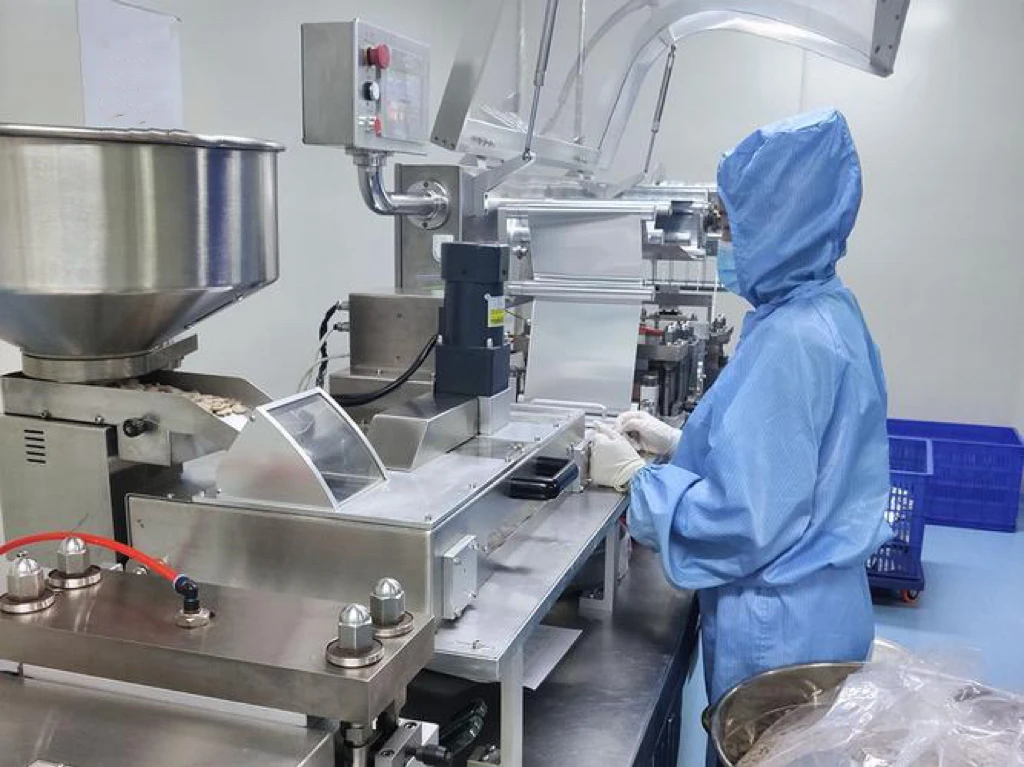
The production of dog vitamins for older dogs involves a complex interplay of material science and precise manufacturing processes. Raw materials typically include Vitamin A (Retinol), Vitamin D3 (Cholecalciferol), Vitamin E (Tocopherol), B-complex vitamins (Thiamine, Riboflavin, Niacin, Pyridoxine, Cobalamin), Vitamin C (Ascorbic Acid), minerals (Calcium, Phosphorus, Magnesium, Potassium), and essential fatty acids (Omega-3 and Omega-6). Source materials vary significantly in purity and bioavailability. Vitamin sources can be synthetic, produced via chemical synthesis, or naturally derived, extracted from plant or animal tissues. Omega-3 fatty acids are frequently sourced from fish oil (anchovy, sardine) or algal oil. Manufacturing processes involve several key steps: 1) Ingredient Sourcing & Qualification: Rigorous testing for purity, potency, and absence of contaminants (heavy metals, mycotoxins) is essential. 2) Premixing & Granulation: Active ingredients are blended with excipients (binders, fillers, lubricants) to ensure uniform distribution and flowability. Granulation, utilizing wet or dry methods, creates consistent particle size. 3) Tablet/Capsule Formation: Tablets are formed via compression; capsules are filled using automated machinery. Critical parameters include compression force (tablet hardness), fill weight (capsule accuracy), and encapsulation material integrity. 4) Coating (Optional): Film coating enhances palatability, protects against oxidation, and controls release rate. Coating materials often include polymers like hypromellose (HPMC). 5) Packaging: Moisture-barrier packaging (blister packs, sealed bottles) is crucial to maintain stability. Parameter control focuses on maintaining temperature and humidity during processing to prevent degradation of sensitive vitamins and fatty acids. Excipient selection must consider potential allergies or sensitivities in canine populations.
Performance & Engineering
Performance evaluation of geriatric canine vitamin supplements necessitates understanding the physiological changes occurring in aging dogs. Reduced gastrointestinal absorption is a primary concern, impacting bioavailability. Engineering formulations to maximize absorption is paramount. Enteric coating, for instance, protects vitamins from degradation in the stomach’s acidic environment and releases them in the small intestine. The efficacy of joint support ingredients (Glucosamine, Chondroitin) is evaluated through biomechanical testing of cartilage and synovial fluid analysis. Cognitive support ingredients (phosphatidylserine, L-carnitine) are assessed using behavioral tests, such as maze navigation and object recognition. Antioxidant capacity (Vitamin E, Vitamin C) is measured via ORAC (Oxygen Radical Absorbance Capacity) assays. Environmental resistance is important, specifically resistance to oxidation of unsaturated fatty acids. Packaging materials are selected for their low oxygen permeability. Compliance with regulatory requirements (see section 7) dictates ingredient sourcing, manufacturing practices, and labeling accuracy. Force analysis isn't directly applicable to the vitamin itself, but is relevant to packaging integrity – ensuring blister packs and bottle closures can withstand shipping and handling stresses. Bioavailability studies using pharmacokinetic models (measuring vitamin concentrations in plasma over time) are crucial for demonstrating product effectiveness.
Technical Specifications
| Vitamin A (IU/kg) | Vitamin D3 (IU/kg) | Vitamin E (IU/kg) | Omega-3 Fatty Acids (% EPA/DHA) |
|---|---|---|---|
| 8,000 – 12,000 | 800 – 1,200 | 200 – 400 | 2.0 – 4.0% (min. 60% DHA) |
| Glucosamine (mg/kg) | Chondroitin Sulfate (mg/kg) | Phosphatidylserine (mg/kg) | L-Carnitine (mg/kg) |
| 500 – 1,000 | 250 – 500 | 50 – 150 | 100 – 300 |
| Moisture Content (%) | Ash Content (%) | Crude Protein (%) | Crude Fat (%) |
| < 5.0 | < 8.0 | > 25.0 | > 10.0 |
| Oxidation Value (PV, meq O2/kg fat) | Heavy Metal Content (ppm) | Microbial Contamination (CFU/g) | Packaging Oxygen Transmission Rate (cc/m²/day) |
| < 5.0 | < 10 (Lead, Mercury, Arsenic) | < 100 | < 10 |
Failure Mode & Maintenance
Failure modes in geriatric dog vitamin supplements can stem from various sources. Oxidation of Unsaturated Fatty Acids: Exposure to oxygen and light leads to rancidity, reducing potency and potentially generating harmful compounds. Vitamin Degradation: Sensitivity to heat, light, and moisture causes loss of potency. Vitamin C is particularly prone to degradation. Capsule/Tablet Disintegration Issues: Poor formulation or inadequate manufacturing can result in incomplete disintegration, hindering nutrient release. Moisture Absorption: Hygroscopic ingredients absorb moisture, leading to clumping, reduced shelf life, and potential microbial growth. Packaging Failure: Compromised packaging allows oxygen and moisture ingress. Maintenance and preventative measures include: Storage: Store in a cool, dry place away from direct sunlight. Packaging Integrity: Regularly inspect packaging for damage. Manufacturing Controls: Implement strict quality control measures during manufacturing, including inert gas flushing to minimize oxygen exposure. Antioxidant Inclusion: Add antioxidants (Vitamin E, Rosemary Extract) to formulations to retard oxidation. Moisture Control: Utilize desiccants in packaging and maintain low humidity during manufacturing. Expiry Date Adherence: Strictly adhere to the expiration date printed on the packaging. Signs of failure include off-odors, discoloration, and difficulty in disintegration.
Industry FAQ
Q: What is the optimal ratio of Omega-3 to Omega-6 fatty acids in a senior dog vitamin formulation, and why?
A: The optimal ratio is generally considered to be between 1:1 and 1:5 (Omega-3:Omega-6). Senior dogs often exhibit increased inflammatory responses, and Omega-3 fatty acids (EPA and DHA) possess potent anti-inflammatory properties. An imbalance favoring Omega-6 can exacerbate inflammation. A higher Omega-3 proportion helps mitigate age-related joint pain and supports cognitive function by promoting neuronal health.
Q: How do you ensure the bioavailability of fat-soluble vitamins (A, D, E, K) in a chewable tablet format?
A: Bioavailability is enhanced through several strategies. Firstly, utilizing emulsifiers during tablet manufacturing improves dispersion of these vitamins in the gastrointestinal tract. Secondly, incorporating a fat source (e.g., fish oil or vegetable oil) within the formulation facilitates absorption. Thirdly, micronization of the vitamin particles increases their surface area, promoting dissolution. Finally, enteric coating can protect vitamins from premature degradation in the stomach.
Q: What analytical methods are employed to verify the potency of ingredients like Glucosamine and Chondroitin Sulfate?
A: High-Performance Liquid Chromatography (HPLC) with pulsed amperometric detection is the gold standard for Glucosamine and Chondroitin Sulfate quantification. This method provides accurate and precise measurements of their concentrations. Furthermore, Fourier-Transform Infrared Spectroscopy (FTIR) can be used for identity confirmation and to assess the purity of the ingredients. Periodic third-party testing is essential to validate potency claims.
Q: What are the key considerations regarding the source and processing of Vitamin E (Tocopherol) to maximize its antioxidant activity?
A: The source of Vitamin E is critical. Naturally derived d-alpha-tocopherol is generally considered more bioavailable than synthetic dl-alpha-tocopherol. Processing methods should minimize exposure to heat and oxygen, as these factors can degrade the molecule. Packaging in amber-colored bottles or utilizing nitrogen flushing during manufacturing helps preserve antioxidant activity. Monitoring peroxide value is crucial for assessing oxidation levels.
Q: How do you address potential palatability issues with senior dog vitamin formulations, especially in dogs with reduced olfactory sensitivity?
A: Palatability is a significant challenge. Employing highly palatable coatings (e.g., liver powder, yeast extract) is a common strategy. The inclusion of flavor enhancers (e.g., poultry or beef flavoring) can further improve acceptance. Soft chew formulations are often preferred over hard tablets as they are easier to consume, especially for dogs with dental issues. Particle size optimization can also improve texture and acceptance.
Conclusion
Dog vitamins formulated for older canines represent a specialized segment of the animal health supplement industry demanding a thorough understanding of geriatric physiology, material science, and manufacturing principles. Ensuring optimal bioavailability, mitigating degradation pathways, and maintaining consistent quality are paramount. The efficacy of these supplements hinges on the precise formulation of key nutrients, tailored to address the specific challenges of aging.
Future developments are likely to focus on personalized nutrition, leveraging genomic data to create customized vitamin formulations based on individual canine needs. Further research into the synergistic effects of various nutrients and the development of novel delivery systems will also play a key role in enhancing the effectiveness of geriatric vitamin supplementation. Maintaining adherence to stringent quality control standards and regulatory guidelines is crucial for ensuring product safety and building consumer trust.
Latest news
Copyright © 2026
Dingzhou Kangquan Pharmaceutical Co., Ltd. All Rights Reserved. Sitemap | Privacy
Policy


