2695018275@qq.com
+86
13780513619
- Afrikaans
- Albanian
- Amharic
- Arabic
- Armenian
- Azerbaijani
- Basque
- Belarusian
- Bengali
- Bosnian
- Bulgarian
- Catalan
- Cebuano
- Corsican
- Croatian
- Czech
- Danish
- Dutch
- English
- Esperanto
- Estonian
- Finnish
- French
- Frisian
- Galician
- Georgian
- German
- Greek
- Gujarati
- Haitian Creole
- hausa
- hawaiian
- Hebrew
- Hindi
- Miao
- Hungarian
- Icelandic
- igbo
- Indonesian
- irish
- Italian
- Japanese
- Javanese
- Kannada
- kazakh
- Khmer
- Rwandese
- Korean
- Kurdish
- Kyrgyz
- Lao
- Latin
- Latvian
- Lithuanian
- Luxembourgish
- Macedonian
- Malgashi
- Malay
- Malayalam
- Maltese
- Maori
- Marathi
- Mongolian
- Myanmar
- Nepali
- Norwegian
- Norwegian
- Occitan
- Pashto
- Persian
- Polish
- Portuguese
- Punjabi
- Romanian
- Russian
- Samoan
- Scottish Gaelic
- Serbian
- Sesotho
- Shona
- Sindhi
- Sinhala
- Slovak
- Slovenian
- Somali
- Spanish
- Sundanese
- Swahili
- Swedish
- Tagalog
- Tajik
- Tamil
- Tatar
- Telugu
- Thai
- Turkish
- Turkmen
- Ukrainian
- Urdu
- Uighur
- Uzbek
- Vietnamese
- Welsh
- Bantu
- Yiddish
- Yoruba
- Zulu
Apr . 01, 2024 17:55 Back to list
dog vitamins for senior dogs Performance and Engineering
Introduction
Senior canine vitamin supplements represent a critical facet of preventative and restorative veterinary care, positioned within the broader animal health and nutrition industry. As dogs age, physiological changes necessitate modified nutritional intake to maintain optimal health, address age-related decline, and mitigate the onset of chronic diseases. These supplements are not considered replacements for a balanced diet but rather adjuncts designed to target specific deficiencies or support compromised bodily functions common in geriatric dogs. Core performance characteristics revolve around bioavailability of key nutrients, palatability to ensure compliance, and demonstrable efficacy in supporting joint health, cognitive function, immune response, and cardiovascular wellness. The industry faces challenges including ensuring accurate ingredient sourcing, maintaining product stability, and demonstrating verifiable clinical outcomes through rigorous testing. Furthermore, regulatory complexities regarding supplement classification and labeling necessitate stringent quality control protocols.
Material Science & Manufacturing
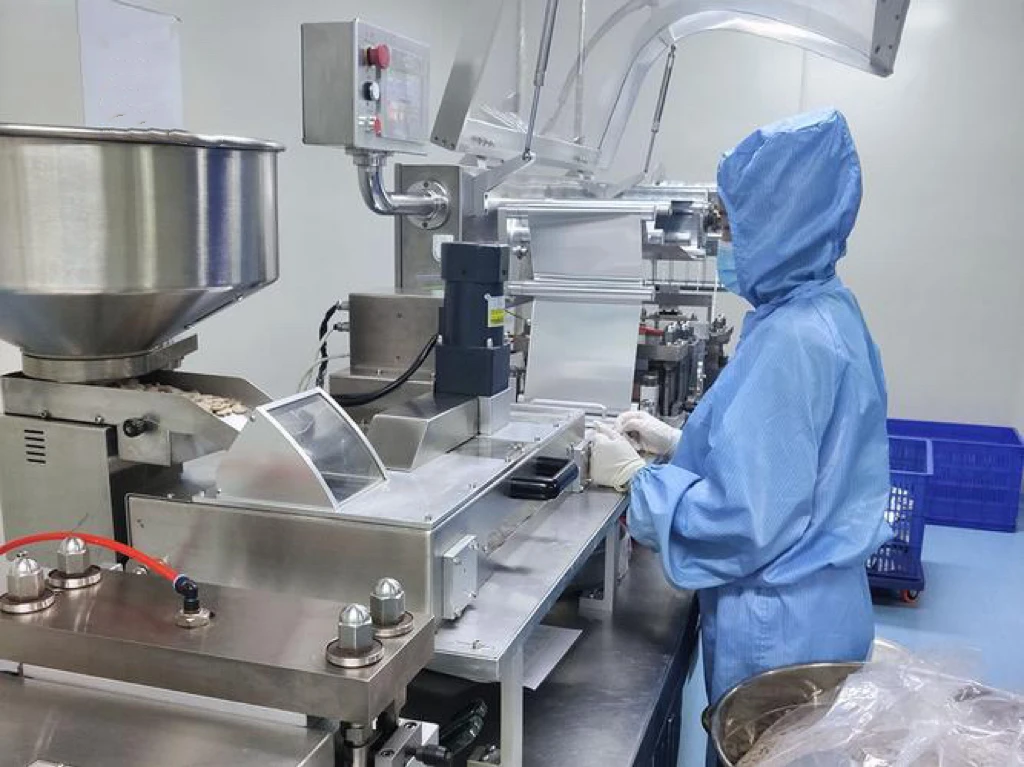
The production of senior dog vitamin supplements involves a complex interplay of material science and manufacturing processes. Raw materials typically include Vitamin A (retinol palmitate), Vitamin D3 (cholecalciferol), Vitamin E (tocopherols), Vitamin C (ascorbic acid), B-complex vitamins (thiamin, riboflavin, niacin, pyridoxine, cyanocobalamin), essential fatty acids (Omega-3 and Omega-6 sourced from fish oil or flaxseed), minerals (calcium, phosphorus, magnesium, zinc, selenium), and antioxidants (glutathione, coenzyme Q10). The physical properties of these materials vary considerably – ranging from crystalline solids to viscous oils. Encapsulation, a common manufacturing technique, relies on the rheological properties of gelatin or cellulose-based polymers to form stable capsules. Tablet formation involves granulation, compaction, and coating processes, requiring precise control of particle size distribution and binder concentration. Chemical compatibility is paramount; Vitamin C, being an ascorbic acid, can degrade in the presence of certain metals or when exposed to oxygen. Fish oil, rich in unsaturated fatty acids, is susceptible to oxidation, necessitating the addition of antioxidants like Vitamin E and rosemary extract. Manufacturing processes are governed by Good Manufacturing Practices (GMP) to ensure purity, potency, and consistency. Parameter control focuses on temperature, humidity, mixing speeds, and encapsulation parameters, all meticulously documented for traceability.
Performance & Engineering
Performance evaluation of senior dog vitamins centers around bioavailability, absorption kinetics, and physiological impact. Bioavailability – the extent to which a nutrient is absorbed and utilized by the body – is a critical engineering parameter. This is influenced by the chemical form of the nutrient, the presence of enhancers or inhibitors, and the dog’s digestive capacity. Force analysis applies to tablet hardness and capsule integrity; supplements must withstand handling and shipping without crumbling or leaking. Environmental resistance is also key, assessing the stability of the product under varying temperature and humidity conditions. Compliance with AAFCO (Association of American Feed Control Officials) guidelines is mandatory, dictating minimum and maximum nutrient levels. Functional implementation focuses on targeted support: glucosamine and chondroitin for joint health, phosphatidylserine and alpha-lipoic acid for cognitive function, and antioxidants to combat oxidative stress. Furthermore, the interaction of these nutrients with pre-existing medications must be considered, demanding thorough pharmacokinetic and pharmacodynamic assessments. Monitoring biomarkers (e.g., serum antioxidant levels, inflammatory markers) provides quantifiable evidence of efficacy.
Technical Specifications
| Nutrient | Unit | Minimum Concentration (per dose) | Maximum Concentration (per dose) |
|---|---|---|---|
| Vitamin A | IU | 5,000 | 10,000 |
| Vitamin D3 | IU | 500 | 1,000 |
| Vitamin E | IU | 100 | 200 |
| Vitamin C | mg | 50 | 100 |
| Glucosamine HCl | mg | 250 | 500 |
| Chondroitin Sulfate | mg | 125 | 250 |
| Omega-3 Fatty Acids (EPA+DHA) | mg | 100 | 200 |
| Phosphatidylserine | mg | 10 | 20 |
| Coenzyme Q10 | mg | 5 | 10 |
| Zinc | mg | 2 | 5 |
| Selenium | mcg | 10 | 20 |
| Moisture Content | % | < 5 | < 10 |
Failure Mode & Maintenance
Failure modes in senior dog vitamin supplements can be categorized as physical, chemical, and biological. Physical failures include tablet crumbling, capsule leakage, and coating defects, often attributable to inadequate manufacturing controls or improper storage conditions. Chemical degradation, particularly oxidation of fats and vitamins, leads to potency loss and the formation of potentially harmful byproducts. This is accelerated by exposure to light, heat, and oxygen. Biological failures encompass microbial contamination, resulting from poor sanitation practices or compromised packaging. Fatigue cracking in packaging can compromise product integrity. Delamination of coatings can affect nutrient release. Oxidation of omega-3 fatty acids generates rancidity, rendering the product ineffective and potentially harmful. Maintenance strategies include storing supplements in a cool, dry, dark place, ensuring airtight packaging, and checking expiration dates. Visual inspection for signs of degradation (discoloration, odor) is crucial. Supplement manufacturers should implement robust quality control protocols, including regular testing for potency, purity, and microbial contamination. Proper handling during transportation and warehousing is also essential to prevent physical damage.
Industry FAQ
Q: What is the significance of bioavailability in senior dog vitamins?
A: Bioavailability refers to the extent to which a nutrient is absorbed and utilized by the dog’s body. Low bioavailability renders the supplement ineffective, even if the labeled dosage appears adequate. Factors influencing bioavailability include the chemical form of the nutrient (e.g., chelated minerals are generally better absorbed), the presence of enhancers (e.g., fats enhance absorption of fat-soluble vitamins), and the dog’s individual digestive health. Choosing supplements with highly bioavailable forms of nutrients is crucial, particularly in senior dogs whose digestive systems may be less efficient.
Q: How do I determine if my senior dog needs a vitamin supplement?
A: A comprehensive veterinary examination is the first step. Signs that may indicate a need for supplementation include decreased appetite, weight loss, lethargy, cognitive decline, joint stiffness, and a dull coat. Blood tests can identify specific nutrient deficiencies. However, supplementation should not be initiated without professional guidance, as excessive intake of certain nutrients can be harmful.
Q: What role do antioxidants play in senior dog health?
A: Senior dogs experience increased oxidative stress due to age-related decline in cellular defenses. Antioxidants, such as Vitamin E, Vitamin C, glutathione, and coenzyme Q10, neutralize free radicals, protecting cells from damage. This can help slow the progression of age-related diseases, support immune function, and maintain cognitive health.
Q: Are there any potential drug interactions to be aware of when administering senior dog vitamins?
A: Yes, potential interactions exist. For example, Vitamin K can interfere with anticoagulant medications. High doses of Vitamin E can increase the risk of bleeding. It is essential to inform your veterinarian of all medications and supplements your dog is receiving to avoid adverse interactions.
Q: What is the importance of AAFCO compliance for these products?
A: AAFCO (Association of American Feed Control Officials) establishes standards for animal feed, including vitamin and mineral supplements. Compliance ensures that the product contains the declared nutrients in the specified amounts and meets safety requirements. AAFCO statements on product labels indicate whether the supplement is "complete and balanced" or intended for supplemental use only.
Conclusion
Senior dog vitamin supplements represent a vital component of holistic geriatric care, addressing the unique nutritional demands of aging canines. The efficacy of these supplements hinges on a multifaceted understanding of material science, manufacturing precision, bioavailability, and targeted physiological support. Failure to adequately address these elements can result in compromised product quality, diminished therapeutic benefit, and potential adverse effects.
Looking ahead, advancements in nutrigenomics and personalized nutrition hold promise for tailoring supplement formulations to individual dog’s genetic predispositions and health profiles. Further research is needed to elucidate the optimal combinations of nutrients and dosages for maximizing healthspan and quality of life in senior dogs. Ongoing vigilance regarding ingredient sourcing, manufacturing practices, and regulatory compliance is essential to maintain consumer trust and uphold the integrity of the industry.
Latest news
Copyright © 2026
Dingzhou Kangquan Pharmaceutical Co., Ltd. All Rights Reserved. Sitemap | Privacy
Policy


