
2695018275@qq.com
+86
13780513619
- Afrikaans
- Albanian
- Amharic
- Arabic
- Armenian
- Azerbaijani
- Basque
- Belarusian
- Bengali
- Bosnian
- Bulgarian
- Catalan
- Cebuano
- Corsican
- Croatian
- Czech
- Danish
- Dutch
- English
- Esperanto
- Estonian
- Finnish
- French
- Frisian
- Galician
- Georgian
- German
- Greek
- Gujarati
- Haitian Creole
- hausa
- hawaiian
- Hebrew
- Hindi
- Miao
- Hungarian
- Icelandic
- igbo
- Indonesian
- irish
- Italian
- Japanese
- Javanese
- Kannada
- kazakh
- Khmer
- Rwandese
- Korean
- Kurdish
- Kyrgyz
- Lao
- Latin
- Latvian
- Lithuanian
- Luxembourgish
- Macedonian
- Malgashi
- Malay
- Malayalam
- Maltese
- Maori
- Marathi
- Mongolian
- Myanmar
- Nepali
- Norwegian
- Norwegian
- Occitan
- Pashto
- Persian
- Polish
- Portuguese
- Punjabi
- Romanian
- Russian
- Samoan
- Scottish Gaelic
- Serbian
- Sesotho
- Shona
- Sindhi
- Sinhala
- Slovak
- Slovenian
- Somali
- Spanish
- Sundanese
- Swahili
- Swedish
- Tagalog
- Tajik
- Tamil
- Tatar
- Telugu
- Thai
- Turkish
- Turkmen
- Ukrainian
- Urdu
- Uighur
- Uzbek
- Vietnamese
- Welsh
- Bantu
- Yiddish
- Yoruba
- Zulu
Apr . 01, 2024 17:55 Back to list
dog vitamins Manufacturing Analysis

Introduction
Dog vitamins are supplemental formulations designed to address nutritional deficiencies or support specific physiological needs in canine populations. Positioned within the animal health and nutrition industry, they represent a significant segment of preventative healthcare for companion animals. Unlike prescription medications, vitamins typically target subclinical deficiencies or enhance overall wellness. Their efficacy is predicated on bioavailability – the degree to which nutrients are absorbed and utilized by the dog’s metabolic processes. Core performance indicators include vitamin potency, stability during storage, palatability to ensure compliance, and absence of detrimental contaminants. The proliferation of diverse formulations necessitates a thorough understanding of canine nutritional requirements and potential interactions between vitamins and other dietary components. Addressing concerns around adulteration, inaccurate labeling, and variability in ingredient quality are critical challenges faced by manufacturers and consumers alike. The industry is heavily influenced by veterinary recommendations and consumer demand for preventative health solutions.
Material Science & Manufacturing
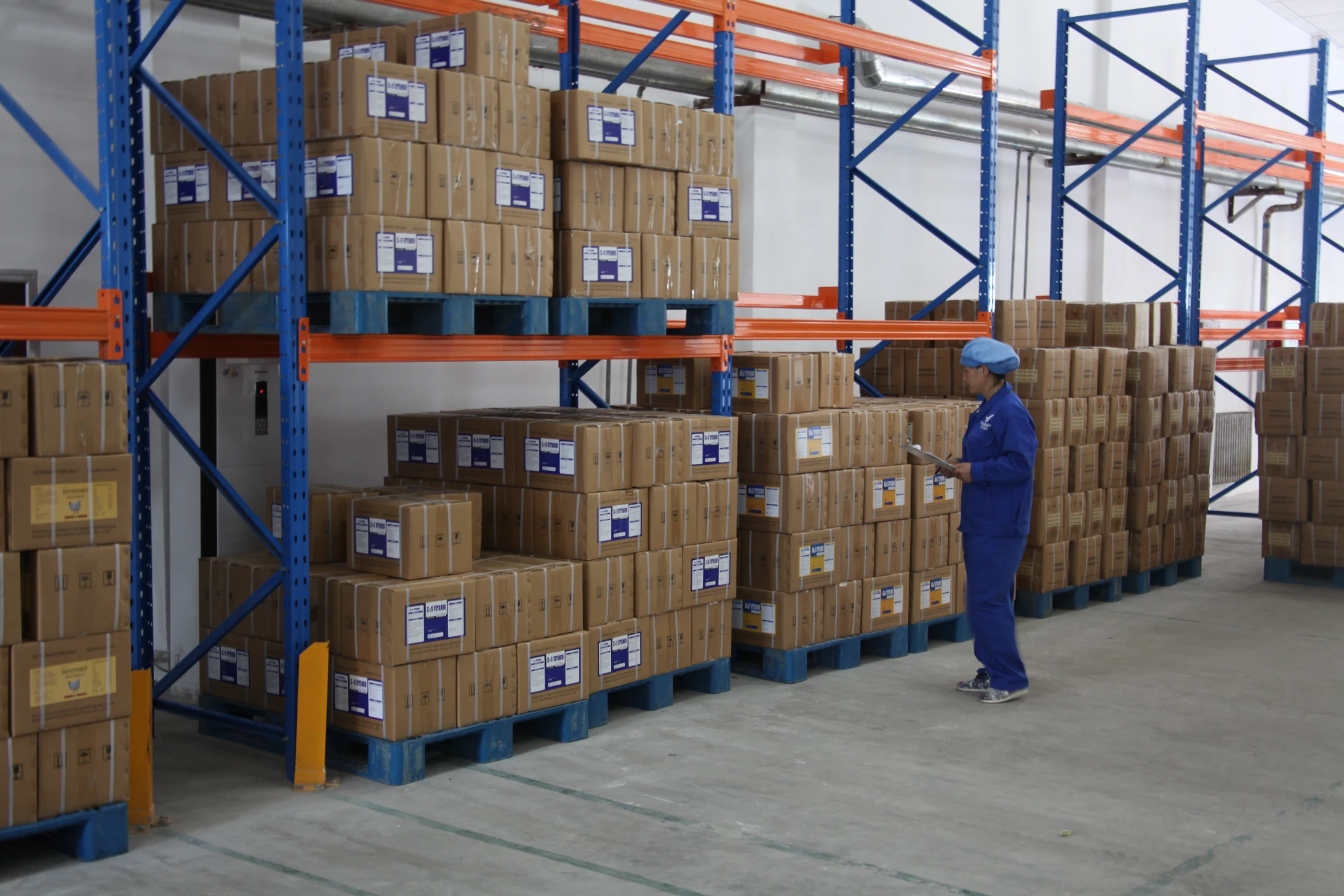
The manufacturing of dog vitamins involves a complex interplay of material science and rigorous quality control. Raw materials typically consist of synthesized vitamins (e.g., ascorbic acid, tocopherol), mineral salts (e.g., calcium carbonate, ferrous sulfate), amino acids, and carrier agents. Vitamin stability is a primary concern; many vitamins are susceptible to degradation through oxidation, UV light exposure, and heat. Therefore, encapsulation techniques utilizing lipid coatings (e.g., vegetable oils, waxes) or microencapsulation with polymeric materials (e.g., cellulose derivatives) are employed to enhance protection. The choice of excipients – inactive ingredients – is also critical, influencing tablet compressibility, dissolution rate, and palatability. Common excipients include lactose, microcrystalline cellulose, and magnesium stearate. Manufacturing processes vary depending on the final product form: tablets, soft chews, powders, or liquids. Tablet production involves blending, granulation (wet or dry), compression, and coating. Soft chew manufacturing utilizes extrusion processes involving heating, mixing, and shaping. Liquid formulations require precise solubilization and stabilization techniques. Parameter control during manufacturing is paramount. Granulation endpoint (moisture content, particle size distribution), compression force, coating thickness, and fill weight are meticulously monitored to ensure product uniformity and potency. Packaging materials (e.g., HDPE bottles, blister packs) must provide barrier properties against moisture, oxygen, and light to preserve vitamin stability throughout the shelf life.
Performance & Engineering
Performance evaluation of dog vitamins centers on bioavailability and efficacy, which are intimately linked to formulation and physiological factors. Bioavailability is not simply the amount of vitamin present but the extent to which it is absorbed into the bloodstream and utilized by tissues. Factors influencing absorption include the vitamin's chemical form (e.g., retinol vs. beta-carotene), the presence of other nutrients (e.g., fat-soluble vitamins require dietary fat for absorption), and the dog’s gastrointestinal health. Engineering considerations include determining appropriate dosages based on the dog's age, breed, activity level, and physiological state. Environmental resistance is also crucial. Vitamin degradation due to heat, light, and humidity during storage and handling must be minimized through appropriate packaging and formulation strategies. Compliance requirements are dictated by regulatory agencies such as the FDA’s Center for Veterinary Medicine (CVM). These regulations govern ingredient safety, manufacturing practices (Good Manufacturing Practices – GMP), labeling accuracy, and claims substantiation. Force analysis is relevant in tablet manufacturing, ensuring sufficient mechanical strength to withstand handling and transportation without crumbling. Dissolution testing, simulating the digestive process, is employed to assess the rate and extent of vitamin release from the dosage form. Finally, palatability testing, typically involving preference trials with canine subjects, is essential to ensure product acceptance and adherence to the prescribed regimen.
Technical Specifications
| Vitamin | Typical Canine Daily Requirement (Medium Breed, Adult) | Concentration Range in Commercial Supplements (IU/kg or mg/kg) | Bioavailability Considerations |
|---|---|---|---|
| Vitamin A | 400-800 IU | 5,000-20,000 IU/kg | Retinol is more bioavailable than beta-carotene; fat-soluble, requires dietary fat. |
| Vitamin D | 50-100 IU | 1,000-5,000 IU/kg | Vitamin D3 (cholecalciferol) is more potent than D2 (ergocalciferol); fat-soluble, requires dietary fat. |
| Vitamin E | 5-30 IU | 200-1,000 IU/kg | Alpha-tocopherol is the most biologically active form; fat-soluble, requires dietary fat. |
| Vitamin C | 50-200 mg | 500-2,000 mg/kg | Water-soluble, excess is excreted; bioavailability decreases with increasing dosage. |
| Vitamin B1 (Thiamine) | 1-2 mg | 5-20 mg/kg | Water-soluble, readily absorbed; deficiencies are rare but can occur with certain diets. |
| Vitamin B12 (Cobalamin) | 0.1-0.5 mcg | 1-5 mcg/kg | Requires intrinsic factor for absorption; deficiencies can occur in dogs with intestinal malabsorption. |
Failure Mode & Maintenance
Dog vitamin products are susceptible to various failure modes, impacting efficacy and potentially posing health risks. Common failure modes include degradation of vitamins due to exposure to oxygen, moisture, or light leading to reduced potency. This is particularly pronounced with fat-soluble vitamins. Physical failures can occur in tablet or chewable formulations, such as cracking, crumbling, or softening, resulting from improper formulation, manufacturing defects, or adverse storage conditions. Microbial contamination during manufacturing or packaging can render the product unsafe for consumption. Biofilm formation within packaging or processing equipment can also contribute to contamination. Delamination of coatings in coated tablets can lead to inconsistent vitamin release. Regarding maintenance, proper storage is paramount. Products should be stored in a cool, dry place, protected from direct sunlight and moisture. Expiration dates should be strictly adhered to, as vitamin potency declines over time. Regular quality control testing by manufacturers is essential to ensure continued potency and identify any signs of degradation or contamination. Consumers should observe proper handling procedures, such as tightly sealing containers after use and avoiding exposure to extreme temperatures. Visual inspection of the product for changes in color, texture, or odor can indicate potential deterioration.
Industry FAQ
Q: What is the difference between synthetic and natural vitamins in dog supplements?
A: Synthetic vitamins are manufactured chemically, while natural vitamins are extracted from food sources. While both can be effective, natural vitamins may have accompanying co-factors that enhance absorption and utilization. However, the difference in bioavailability is often minimal, and synthetic vitamins are generally more cost-effective and readily available.
Q: How do I determine if my dog needs vitamin supplementation?
A: A balanced, commercially available dog food typically provides adequate nutrition for most dogs. Supplementation is generally only necessary if your dog has a diagnosed deficiency, specific health conditions (e.g., malabsorption syndrome), or is on a homemade diet formulated without expert guidance. Veterinary consultation is crucial before starting any vitamin regimen.
Q: Are there any potential interactions between dog vitamins and medications?
A: Yes, certain vitamin supplements can interact with medications. For example, Vitamin K can interfere with anticoagulant medications. High doses of Vitamin E can affect blood clotting. It’s essential to inform your veterinarian about all supplements your dog is receiving, especially if they are also taking medications.
Q: What does ‘USP verified’ mean on a dog vitamin label?
A: USP (United States Pharmacopeia) verification is a voluntary certification that indicates the supplement has been tested and meets stringent quality standards for potency, purity, and manufacturing practices. It provides an assurance of product quality and accuracy of labeling.
Q: My dog refuses to eat the vitamin. How can I ensure compliance?
A: Palatability is a significant concern. Try different formulations (e.g., chews, liquids, powders) to find one your dog prefers. Mixing the vitamin with a small amount of wet food or a palatable treat can also encourage consumption. Avoid forcing the vitamin, as this can create negative associations.
Conclusion
Dog vitamins play a critical role in preventative canine healthcare, addressing potential nutritional gaps and supporting overall wellness. However, the efficacy and safety of these supplements are contingent upon meticulous material selection, robust manufacturing processes, and adherence to stringent quality control standards. Understanding the nuances of vitamin bioavailability, potential interactions, and failure modes is paramount for both manufacturers and consumers.
The industry faces ongoing challenges related to adulteration, labeling accuracy, and the proliferation of unsubstantiated claims. Continued investment in research and development, coupled with rigorous regulatory oversight, is essential to ensure the quality and reliability of dog vitamin products. Ultimately, informed decision-making, guided by veterinary recommendations, remains the cornerstone of responsible vitamin supplementation for canine companions.
Latest news
Copyright © 2026
Dingzhou Kangquan Pharmaceutical Co., Ltd. All Rights Reserved. Sitemap | Privacy
Policy


