
2695018275@qq.com
+86
13780513619
- Afrikaans
- Albanian
- Amharic
- Arabic
- Armenian
- Azerbaijani
- Basque
- Belarusian
- Bengali
- Bosnian
- Bulgarian
- Catalan
- Cebuano
- Corsican
- Croatian
- Czech
- Danish
- Dutch
- English
- Esperanto
- Estonian
- Finnish
- French
- Frisian
- Galician
- Georgian
- German
- Greek
- Gujarati
- Haitian Creole
- hausa
- hawaiian
- Hebrew
- Hindi
- Miao
- Hungarian
- Icelandic
- igbo
- Indonesian
- irish
- Italian
- Japanese
- Javanese
- Kannada
- kazakh
- Khmer
- Rwandese
- Korean
- Kurdish
- Kyrgyz
- Lao
- Latin
- Latvian
- Lithuanian
- Luxembourgish
- Macedonian
- Malgashi
- Malay
- Malayalam
- Maltese
- Maori
- Marathi
- Mongolian
- Myanmar
- Nepali
- Norwegian
- Norwegian
- Occitan
- Pashto
- Persian
- Polish
- Portuguese
- Punjabi
- Romanian
- Russian
- Samoan
- Scottish Gaelic
- Serbian
- Sesotho
- Shona
- Sindhi
- Sinhala
- Slovak
- Slovenian
- Somali
- Spanish
- Sundanese
- Swahili
- Swedish
- Tagalog
- Tajik
- Tamil
- Tatar
- Telugu
- Thai
- Turkish
- Turkmen
- Ukrainian
- Urdu
- Uighur
- Uzbek
- Vietnamese
- Welsh
- Bantu
- Yiddish
- Yoruba
- Zulu
Apr . 01, 2024 17:55 Back to list
Fat Plus Powder Veterinary Formulations Performance Analysis
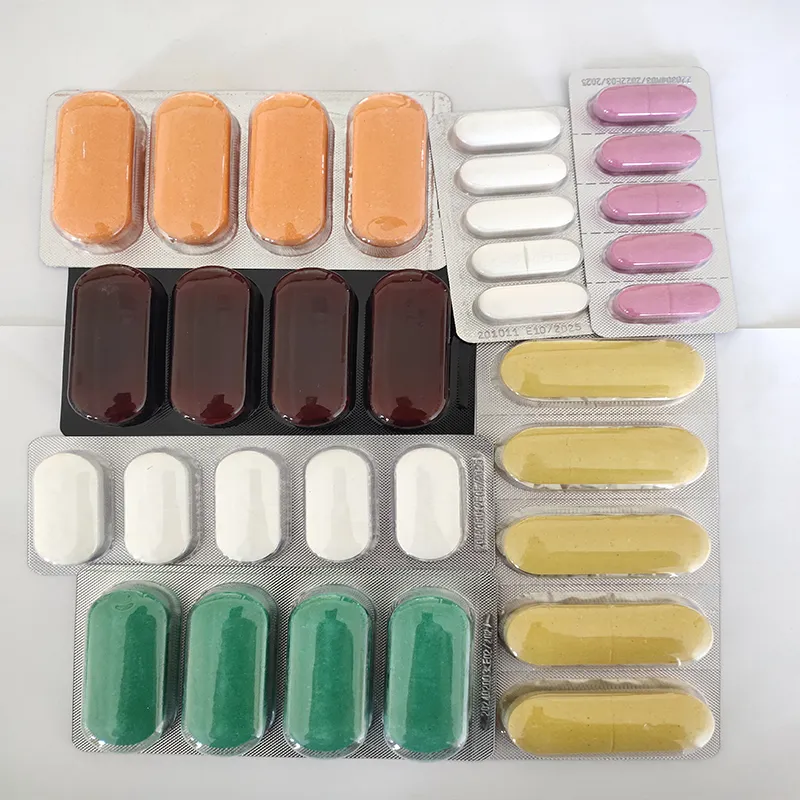
Introduction
Fat plus powder veterinary formulations represent a crucial component in animal nutrition and healthcare, specifically designed to address metabolic stress and support recovery in livestock, particularly ruminants. These formulations typically consist of a readily metabolizable fat source, often derived from vegetable oils or animal fats, combined with a powder matrix containing essential amino acids, vitamins, and minerals. Their technical position within the animal health supply chain lies between raw material suppliers and veterinary practitioners/animal producers. Core performance characteristics center around providing a concentrated energy source, promoting positive energy balance, supporting immune function, and enhancing reproductive performance during periods of physiological stress like calving, lactation, or disease. The efficacy of these products is directly linked to their palatability, digestibility, and the bioavailability of the supplemented nutrients. A key industry pain point revolves around ensuring consistent product quality, optimized fatty acid profiles, and mitigating the risk of lipidosis or other metabolic imbalances in susceptible animals.
Material Science & Manufacturing
The primary raw materials for fat plus powder veterinary formulations include saturated and unsaturated fats (palm oil, soybean oil, tallow), amino acid blends (lysine, methionine, threonine), vitamin premixes (A, D, E, B-complex), and mineral chelates (zinc, copper, selenium). The physical properties of the fat source—melting point, iodine value, saponification value—directly influence product handling, storage stability, and digestibility. Manufacturing typically involves several stages: fat liquefaction and filtration, micronization of fat particles to enhance surface area for digestion, blending with powdered ingredients in a controlled environment, and final encapsulation or coating to improve palatability and protect sensitive nutrients from oxidation. Key parameter control focuses on maintaining precise ratios of ingredients, ensuring homogenous mixing, and optimizing particle size distribution. Encapsulation often utilizes a polymeric coating (e.g., vegetable hydrogenated fats) applied via spray drying or fluid bed coating. Chemical compatibility between the fat source and the powdered additives is paramount; improper mixing can lead to nutrient degradation or reduced bioavailability. Maintaining low moisture content (<5%) throughout the process is crucial to prevent microbial growth and extend shelf life. Oxidation of unsaturated fats is a major concern, necessitating the addition of antioxidants (e.g., ethoxyquin, BHT) and nitrogen purging during manufacturing.

Performance & Engineering
Performance evaluation of fat plus powder veterinary products hinges on understanding energy metabolism and nutrient partitioning within the animal. Force analysis relevant to formulation design focuses on powder flowability and compressibility during tableting or pelleting (if applicable). Environmental resistance considerations include storage temperature, humidity, and exposure to UV light, which can accelerate lipid oxidation and vitamin degradation. Compliance requirements are governed by regulatory bodies such as the FDA (USA), EMA (Europe), and local veterinary authorities, demanding adherence to Good Manufacturing Practices (GMP) and stringent quality control protocols. Functional implementation involves understanding the rumen microbiome (for ruminant species) and optimizing the release of fatty acids in the abomasum and small intestine. The chemical form of supplemented minerals (e.g., chelates vs. sulfates) dictates their absorption efficiency. Particle size optimization is critical; excessively large particles may reduce palatability and digestibility, while overly fine particles can lead to dustiness and handling challenges. Bioavailability studies are crucial to demonstrate the efficacy of supplemented nutrients and confirm their contribution to improved animal health outcomes. The impact of different fat sources on milk fat composition and reproductive performance needs careful consideration, especially in dairy cattle.
Technical Specifications
| Parameter | Specification (Typical) | Test Method | Relevance |
|---|---|---|---|
| Crude Fat Content | 60-75% | Soxhlet Extraction (AOAC) | Energy Density |
| Amino Acid Profile (Lysine) | 2.5-3.5% | HPLC | Muscle Development, Repair |
| Vitamin A Content | 10,000-20,000 IU/kg | HPLC | Immune Function, Vision |
| Vitamin E Content | 500-1000 IU/kg | HPLC | Antioxidant, Cell Membrane Stability |
| Moisture Content | <5% | Karl Fischer Titration | Microbial Stability, Shelf Life |
| Acid Value | <2.0 mg KOH/g | Titration | Fat Rancidity, Quality Control |
Failure Mode & Maintenance
Failure modes in fat plus powder veterinary formulations often stem from degradation of sensitive components. Lipid oxidation, evidenced by rancidity and reduced nutritional value, is a primary concern. This is accelerated by exposure to oxygen, heat, and light. Physical separation of ingredients (segregation) during storage or handling can lead to inconsistent dosing. Caking or hardening of the powder can occur due to moisture absorption or temperature fluctuations, impacting flowability and palatability. Microbial contamination, although less common with proper manufacturing practices, can render the product unusable. Maintenance strategies include storing the product in a cool, dry, dark environment in tightly sealed containers. Proper inventory management (FIFO – First In, First Out) is crucial to minimize storage time. Regular quality control testing (acid value, peroxide value) should be conducted to monitor fat oxidation. Visual inspection for signs of caking, discoloration, or odor is recommended. Preventive maintenance of manufacturing equipment (mixers, spray dryers) is essential to ensure consistent product quality and minimize the risk of contamination. Adherence to GMP guidelines and HACCP principles are paramount in preventing failures.
Industry FAQ
Q: What is the optimal fat source for a post-calving dairy cow formulation and why?
A: For post-calving dairy cows, a combination of saturated and unsaturated fatty acids is generally optimal. While saturated fats (e.g., palm oil) provide a concentrated energy source, unsaturated fats (e.g., soybean oil, flaxseed oil) contain precursors to prostaglandins, which are essential for uterine involution and reproductive function. The ratio should be carefully balanced to avoid excessive linoleic acid, which can inhibit cycloconjugated fatty acid (CCFA) synthesis – CCFAs have demonstrated benefits in improving glucose metabolism and reducing the risk of ketosis.
Q: How do you ensure the bioavailability of supplemented trace minerals in a fat-based matrix?
A: Bioavailability is enhanced by utilizing mineral chelates (e.g., zinc methionine, copper lysinate) rather than inorganic salts (e.g., zinc sulfate). Chelates are protected from interactions with phytates and other antinutritional factors in the gut, improving their absorption rate. Particle size reduction and homogenous mixing are also critical to ensure adequate dispersion and contact with digestive enzymes.
Q: What are the risks associated with over-supplementation of fat in ruminants?
A: Over-supplementation of fat can disrupt rumen fermentation, leading to reduced fiber digestion and acidosis. It can also increase the risk of lipidosis (fatty liver), particularly in early lactation cows. Furthermore, excessive fat intake can depress dry matter intake and compromise overall nutrient balance.
Q: How is the quality control of antioxidants verified in your fat plus powder veterinary products?
A: We utilize HPLC to quantify the levels of antioxidants (ethoxyquin, BHT) in each batch, ensuring they meet the specified concentration range. We also conduct peroxide value and acid value analyses to assess the extent of lipid oxidation. Stability studies are performed to evaluate the effectiveness of the antioxidant system over time under simulated storage conditions.
Q: What regulatory compliance certifications do you hold for your manufacturing facility?
A: Our manufacturing facility is certified to GMP standards and undergoes regular audits by both internal quality assurance teams and external regulatory agencies. We are also ISO 9001 certified, demonstrating our commitment to quality management systems. We maintain detailed documentation to ensure traceability and compliance with all applicable regulations.
Conclusion
Fat plus powder veterinary formulations are complex nutritional interventions requiring careful consideration of material science, manufacturing processes, and animal physiology. Ensuring optimal efficacy and minimizing the risk of adverse effects necessitates a deep understanding of lipid metabolism, nutrient bioavailability, and rumen function. Precise formulation, rigorous quality control, and adherence to regulatory standards are paramount for delivering consistent and reliable products.
Future advancements in this field will likely focus on developing more targeted delivery systems, incorporating novel antioxidants, and utilizing advanced analytical techniques to optimize nutrient absorption. The integration of precision feeding strategies, informed by individual animal needs and physiological status, will further enhance the effectiveness of these formulations and contribute to improved animal health and productivity.
Latest news
Copyright © 2026
Dingzhou Kangquan Pharmaceutical Co., Ltd. All Rights Reserved. Sitemap | Privacy
Policy


