
2695018275@qq.com
+86
13780513619
- Afrikaans
- Albanian
- Amharic
- Arabic
- Armenian
- Azerbaijani
- Basque
- Belarusian
- Bengali
- Bosnian
- Bulgarian
- Catalan
- Cebuano
- Corsican
- Croatian
- Czech
- Danish
- Dutch
- English
- Esperanto
- Estonian
- Finnish
- French
- Frisian
- Galician
- Georgian
- German
- Greek
- Gujarati
- Haitian Creole
- hausa
- hawaiian
- Hebrew
- Hindi
- Miao
- Hungarian
- Icelandic
- igbo
- Indonesian
- irish
- Italian
- Japanese
- Javanese
- Kannada
- kazakh
- Khmer
- Rwandese
- Korean
- Kurdish
- Kyrgyz
- Lao
- Latin
- Latvian
- Lithuanian
- Luxembourgish
- Macedonian
- Malgashi
- Malay
- Malayalam
- Maltese
- Maori
- Marathi
- Mongolian
- Myanmar
- Nepali
- Norwegian
- Norwegian
- Occitan
- Pashto
- Persian
- Polish
- Portuguese
- Punjabi
- Romanian
- Russian
- Samoan
- Scottish Gaelic
- Serbian
- Sesotho
- Shona
- Sindhi
- Sinhala
- Slovak
- Slovenian
- Somali
- Spanish
- Sundanese
- Swahili
- Swedish
- Tagalog
- Tajik
- Tamil
- Tatar
- Telugu
- Thai
- Turkish
- Turkmen
- Ukrainian
- Urdu
- Uighur
- Uzbek
- Vietnamese
- Welsh
- Bantu
- Yiddish
- Yoruba
- Zulu
Apr . 01, 2024 17:55 Back to list
multivitamin bolus for cattle Performance Engineering
Introduction
Multivitamin bolus for cattle represents a critical component in modern livestock management, designed to address nutritional deficiencies and optimize animal health and productivity. These orally administered, slow-release capsules deliver a concentrated dose of essential vitamins and trace minerals directly to the reticulum, the largest compartment of the bovine stomach. The bolus formulation circumvents the rumen’s microbial degradation, ensuring enhanced bioavailability of nutrients compared to water-soluble vitamin supplementation. This technology is positioned within the animal health sector, specifically as a preventative and restorative measure for conditions stemming from inadequate forage quality, high production demands (lactation, growth), or periods of stress such as calving or transportation. Core performance characteristics revolve around sustained-release functionality, palatability, accurately metered dosage, and proven efficacy in mitigating vitamin and mineral deficiencies, contributing to improved feed conversion ratios, reproductive performance, and overall herd health. The increasing demand for sustainably produced beef and dairy products has further amplified the importance of prophylactic nutritional strategies, making multivitamin boluses a mainstay in contemporary cattle farming operations.
Material Science & Manufacturing
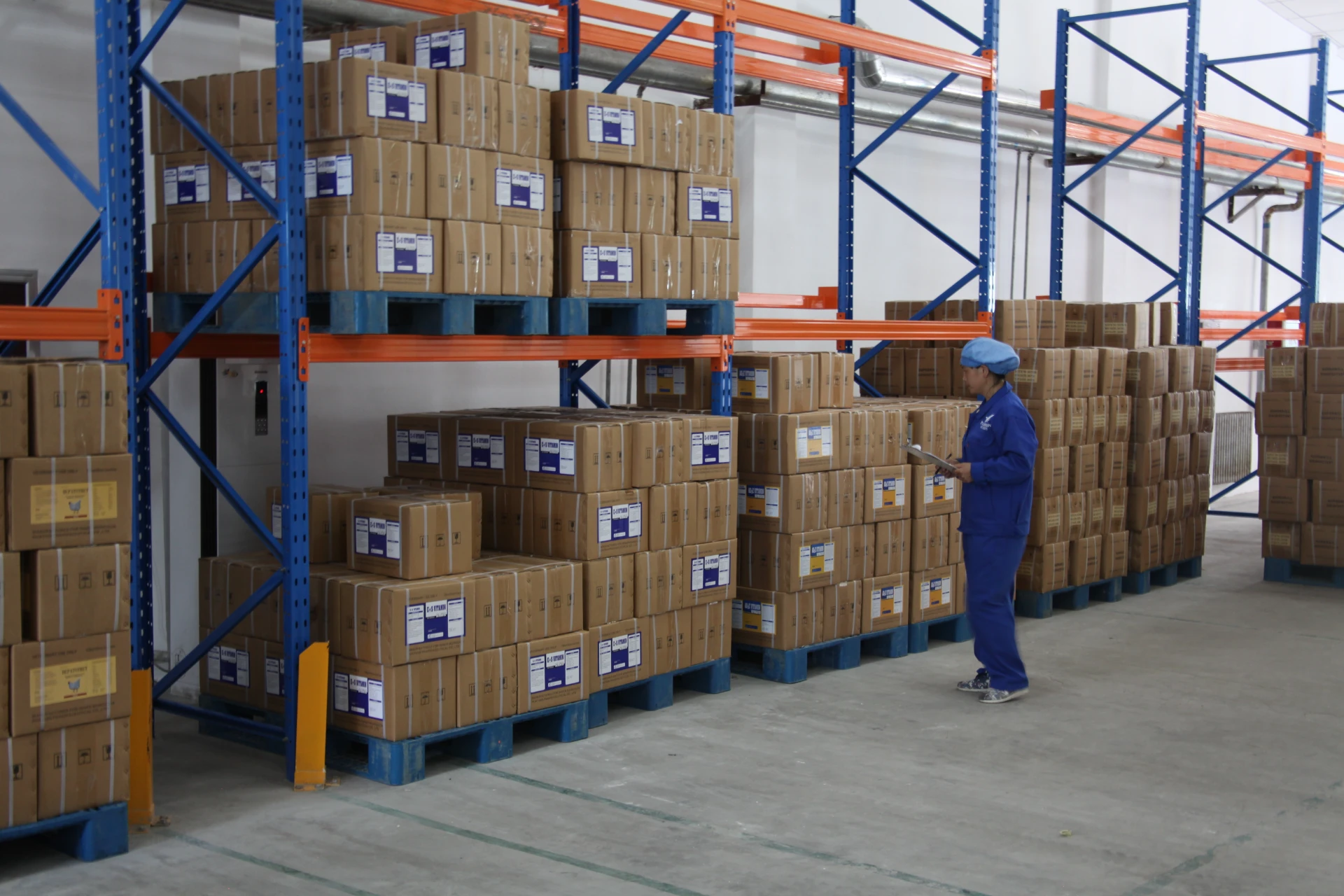
The production of multivitamin bolus for cattle involves a complex interplay of material science and precise manufacturing processes. The matrix typically consists of a blend of calcium carbonate, magnesium oxide, and sodium bicarbonate, serving as inert carriers for the active vitamin and mineral components. Calcium carbonate (CaCO3), sourced from limestone or chalk, provides bulk and structural integrity, exhibiting a Mohs hardness of 3, impacting the bolus’s disintegration rate. Magnesium oxide (MgO) contributes to slow release through its relatively low solubility in the rumen environment. Sodium bicarbonate (NaHCO3) functions as a buffer, mitigating rumen acidosis. The active ingredients – vitamins A, D, E, B-complex, and trace minerals like zinc, copper, manganese, selenium, and iodine – are often pre-mixed in a fat-soluble carrier to enhance homogeneity and prevent segregation during bolus formation. Manufacturing generally proceeds via a wet granulation process. The carrier materials are blended with the vitamin/mineral premix, followed by the addition of a binding agent such as polyvinylpyrrolidone (PVP) or starch. This mixture is then granulated to achieve desired particle size distribution (typically 0.5-1.5 mm). The granules are dried using fluid bed drying to a moisture content of <2%, critical for preventing microbial growth and ensuring bolus stability. Finally, the dried granules are compressed into cylindrical boluses using high-force tablet presses. Parameter control during compression is paramount – inadequate force results in fragile boluses prone to breakage, while excessive force can reduce nutrient bioavailability due to particle densification. Quality control measures include rigorous testing for vitamin and mineral content, bolus weight uniformity, disintegration time, and moisture content, ensuring compliance with regulatory standards.
Performance & Engineering
The performance of multivitamin bolus for cattle is critically dependent on its sustained-release characteristics and bioavailability. Force analysis on the bolus during the swallowing process must consider the esophageal musculature of cattle and the potential for fracture. Bolus dimensions (typically 6-8 cm length and 2-3 cm diameter) are engineered to minimize the risk of aspiration while ensuring ease of passage through the digestive tract. Environmental resistance, particularly moisture exposure, is crucial. The bolus coating, frequently comprising a wax or polymer-based material, prevents premature dissolution in the rumen, safeguarding vitamin degradation. Rumen pH fluctuations (ranging from 5.5 to 6.5) dictate the dissolution rate of the carrier matrix. Calcium carbonate dissolves at a faster rate under acidic conditions, while magnesium oxide exhibits greater stability. Compliance requirements are stringent, governed by veterinary drug regulations in each jurisdiction. Efficacy is determined by pharmacokinetic studies measuring serum vitamin and mineral levels following bolus administration, as well as by assessing physiological indicators such as growth rates, milk yield, and reproductive performance. Functional implementation relies on precise dosing based on cattle weight and production stage. Over-supplementation can lead to vitamin toxicity (e.g., hypervitaminosis A), whereas under-supplementation fails to address the underlying deficiency. Bioavailability is also influenced by interactions with other rumen components, such as dietary fats and proteins, necessitating careful formulation optimization. The mechanical integrity of the bolus is also paramount; a fragmented bolus releases nutrients too rapidly and unevenly, reducing effectiveness.
Technical Specifications
| Parameter | Specification | Test Method | Units |
|---|---|---|---|
| Vitamin A Content | 500,000 IU/bolus | HPLC | IU |
| Vitamin D3 Content | 100,000 IU/bolus | HPLC | IU |
| Vitamin E Content | 5,000 IU/bolus | HPLC | IU |
| Copper Content | 250 mg/bolus | Atomic Absorption Spectroscopy | mg |
| Zinc Content | 500 mg/bolus | Atomic Absorption Spectroscopy | mg |
| Selenium Content | 10 mg/bolus | Atomic Absorption Spectroscopy | mg |
Failure Mode & Maintenance
Failure modes of multivitamin bolus for cattle primarily stem from physical degradation, chemical instability, and biological interference. Fatigue cracking can occur during handling and administration, particularly in large batches subjected to mechanical stress. Delamination of the bolus matrix, often caused by inadequate binder distribution during manufacturing, leads to uneven nutrient release and reduced efficacy. Oxidation of fat-soluble vitamins (A, D, E) due to exposure to oxygen and light results in a decline in potency over time; proper packaging with oxygen barriers and UV protection is essential. Rumen microbial degradation, although minimized by the bolus formulation, can still occur, particularly with vitamins susceptible to enzymatic breakdown. Moisture ingress compromises bolus integrity, accelerating dissolution and promoting microbial growth. Inadequate compression during manufacturing leads to friable boluses susceptible to breakage during swallowing or within the rumen. Maintenance primarily revolves around proper storage. Boluses should be stored in a cool, dry place, away from direct sunlight and moisture, in sealed containers. Regular quality control checks, including visual inspection for cracking or discoloration, are recommended. Farmers should ensure proper administration techniques, avoiding forceful insertion that could damage the esophagus. Monitoring cattle for signs of vitamin or mineral deficiency (e.g., poor growth, reduced milk production, reproductive problems) can indicate bolus failure or inadequate dosage. Expired boluses should be discarded, as vitamin potency declines over time.
Industry FAQ
Q: What is the optimal timing for bolus administration in dairy cows?
A: The optimal timing for multivitamin bolus administration in dairy cows is typically pre-calving (approximately 60-90 days before expected calving) and again post-calving (within 30-60 days). Pre-calving boluses prepare the cow for the metabolic demands of lactation, preventing postpartum deficiencies. Post-calving boluses replenish nutrients depleted during calving and early lactation. Specific timing should be adjusted based on forage quality and individual animal health status.
Q: How does the bolus formulation affect its disintegration rate in the rumen?
A: The disintegration rate is primarily governed by the composition of the bolus matrix. Higher proportions of calcium carbonate accelerate dissolution, while magnesium oxide provides a slower, more sustained release. The coating material, typically a wax or polymer, further retards dissolution. Particle size of the carrier materials and the level of compression during bolus formation also influence the disintegration rate. A controlled-release profile is crucial for maximizing nutrient absorption.
Q: What are the risks associated with over-supplementation of vitamins and minerals?
A: Over-supplementation can lead to vitamin toxicity, particularly with fat-soluble vitamins like A and D. Hypervitaminosis A can cause liver damage and reproductive problems, while excessive vitamin D can lead to calcification of soft tissues. Mineral imbalances, such as copper toxicity, can also occur. Careful attention to dosage recommendations and regular monitoring of animal health are essential.
Q: How do you ensure uniform distribution of vitamins and minerals within each bolus?
A: Uniform distribution is achieved through meticulous mixing of the vitamin and mineral premix with the carrier materials during the granulation process. High-shear mixers and controlled addition rates are employed to ensure homogeneity. Granule size uniformity is also critical. Quality control testing includes random sampling and analysis of bolus sections to verify consistent nutrient content throughout the bolus.
Q: What is the shelf life of the multivitamin bolus, and how should it be stored?
A: The typical shelf life of a properly manufactured and packaged multivitamin bolus is 2-3 years from the date of manufacture. Boluses should be stored in a cool, dry place, away from direct sunlight and moisture, in tightly sealed containers. Exposure to elevated temperatures and humidity accelerates vitamin degradation and reduces bolus stability.
Conclusion
Multivitamin bolus for cattle represents a significant advancement in livestock nutrition, offering a convenient and effective means of addressing vitamin and mineral deficiencies. The successful implementation of this technology hinges on a comprehensive understanding of material science principles, precise manufacturing control, and a thorough grasp of bovine digestive physiology. By optimizing bolus formulation, ensuring consistent quality, and adhering to proper administration protocols, producers can maximize the benefits of this technology, contributing to improved animal health, enhanced productivity, and a more sustainable agricultural system.
Future development efforts are likely to focus on enhancing bioavailability through novel encapsulation techniques, tailoring formulations to specific regional forage deficiencies, and incorporating rumen-protected forms of critical nutrients. Continuous monitoring of industry standards and regulatory requirements will be paramount. Furthermore, integrating bolus supplementation with precision livestock farming technologies, such as individual animal monitoring and data analytics, promises to unlock even greater potential for optimizing nutritional management and improving overall herd performance.
Latest news
Copyright © 2026
Dingzhou Kangquan Pharmaceutical Co., Ltd. All Rights Reserved. Sitemap | Privacy
Policy


