2695018275@qq.com
+86
13780513619
- Afrikaans
- Albanian
- Amharic
- Arabic
- Armenian
- Azerbaijani
- Basque
- Belarusian
- Bengali
- Bosnian
- Bulgarian
- Catalan
- Cebuano
- Corsican
- Croatian
- Czech
- Danish
- Dutch
- English
- Esperanto
- Estonian
- Finnish
- French
- Frisian
- Galician
- Georgian
- German
- Greek
- Gujarati
- Haitian Creole
- hausa
- hawaiian
- Hebrew
- Hindi
- Miao
- Hungarian
- Icelandic
- igbo
- Indonesian
- irish
- Italian
- Japanese
- Javanese
- Kannada
- kazakh
- Khmer
- Rwandese
- Korean
- Kurdish
- Kyrgyz
- Lao
- Latin
- Latvian
- Lithuanian
- Luxembourgish
- Macedonian
- Malgashi
- Malay
- Malayalam
- Maltese
- Maori
- Marathi
- Mongolian
- Myanmar
- Nepali
- Norwegian
- Norwegian
- Occitan
- Pashto
- Persian
- Polish
- Portuguese
- Punjabi
- Romanian
- Russian
- Samoan
- Scottish Gaelic
- Serbian
- Sesotho
- Shona
- Sindhi
- Sinhala
- Slovak
- Slovenian
- Somali
- Spanish
- Sundanese
- Swahili
- Swedish
- Tagalog
- Tajik
- Tamil
- Tatar
- Telugu
- Thai
- Turkish
- Turkmen
- Ukrainian
- Urdu
- Uighur
- Uzbek
- Vietnamese
- Welsh
- Bantu
- Yiddish
- Yoruba
- Zulu
Apr . 01, 2024 17:55 Back to list
pet multivitamin Performance Analysis

Introduction
Pet multivitamins represent a significant segment within the companion animal health industry, functioning as dietary supplements intended to address potential nutritional deficiencies in domesticated animals. These formulations are not considered replacements for a complete and balanced diet, but rather adjuncts designed to support optimal physiological function, bolster immune response, and promote overall well-being. The industry chain positions pet multivitamins downstream from raw material sourcing (vitamins, minerals, amino acids, etc.), manufacturing (compounding, encapsulation, tableting), quality control, distribution (veterinary clinics, pet stores, online retailers), and ultimately, consumption by pet owners. Core performance characteristics revolve around bioavailability of nutrients, palatability for species-specific acceptance, stability during storage, and demonstrated efficacy in supporting targeted health parameters. A key industry pain point centers around demonstrating verifiable bioavailability and clinical efficacy, as regulations vary significantly across geographical regions and labeling claims require substantiation. Concerns also exist regarding potential interactions between multivitamin formulations and prescribed medications, necessitating careful consideration of ingredient profiles.
Material Science & Manufacturing
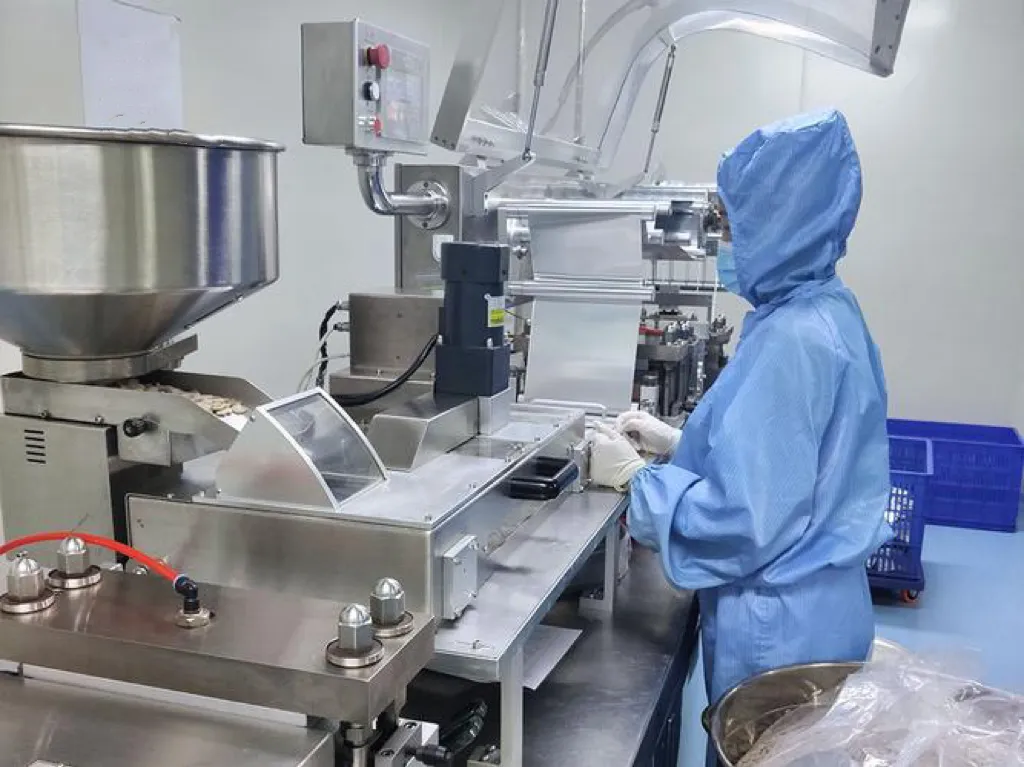
The foundation of pet multivitamin production lies in the sourcing of high-quality raw materials. Vitamins (A, D, E, C, B-complex), minerals (calcium, phosphorus, zinc, iron), amino acids (taurine, lysine), and antioxidants (Vitamin E, Selenium) are common constituents. Raw material purity is crucial, requiring stringent analytical testing to ensure absence of contaminants (heavy metals, pesticides, mycotoxins). Manufacturing processes vary depending on the desired dosage form. Dry formulations typically involve blending powdered ingredients using high-shear mixers, followed by granulation (wet or dry) to improve flowability and compressibility. Tableting utilizes compression presses, where controlled pressure forms the mixture into tablets of specified size and weight. Encapsulation involves filling hard gelatin or vegetarian capsules with the powdered blend. Liquid formulations necessitate dissolving ingredients in a suitable solvent system (typically water or glycerin) and may require preservatives to extend shelf life. Key parameter control includes: particle size distribution of raw materials (impacts bioavailability), moisture content (affects stability and compressibility), blending uniformity (ensures consistent dosage), tablet hardness (prevents friability), and encapsulation fill weight (ensures accurate dosage). Ingredient compatibility is paramount; for instance, Vitamin C can degrade in the presence of certain metal ions, requiring stabilization strategies like chelation or coating. Excipients (binders, disintegrants, lubricants) are carefully selected based on their inertness and impact on bioavailability.
Performance & Engineering
Performance of pet multivitamins is fundamentally tied to bioavailability – the extent to which nutrients are absorbed and utilized by the animal. Bioavailability is influenced by several factors, including the chemical form of the nutrient (e.g., chelated minerals are often more bioavailable), the presence of other dietary components, and the animal’s digestive physiology. Force analysis, while not directly applicable to the final product, is crucial during manufacturing. Tablet compression force must be optimized to achieve adequate hardness without compromising disintegration. Environmental resistance is a critical consideration. Exposure to heat, light, and humidity can degrade vitamins and minerals, reducing potency. Packaging materials with barrier properties (e.g., amber glass, opaque plastic) are used to mitigate these effects. Compliance requirements are dictated by regional regulations. In the United States, pet food and supplements fall under the purview of the Food and Drug Administration (FDA), although the regulatory oversight is less stringent than for human pharmaceuticals. European regulations (European Food Safety Authority – EFSA) are similarly focused on safety and quality. Functional implementation necessitates understanding species-specific nutritional needs. Formulations for dogs, cats, birds, and other animals differ in terms of vitamin and mineral ratios to reflect their unique metabolic requirements. Palatability is also engineered through the inclusion of flavor enhancers and coatings to encourage voluntary consumption.
Technical Specifications
| Vitamin A (IU/kg) | Vitamin D3 (IU/kg) | Vitamin E (IU/kg) | Vitamin C (mg/kg) |
|---|---|---|---|
| 10,000 | 1,000 | 200 | 100 |
| 15,000 | 1,500 | 300 | 150 |
| 5,000 | 500 | 100 | 50 |
| 20,000 | 2,000 | 400 | 200 |
| 12,000 | 1,200 | 250 | 125 |
| 8,000 | 800 | 150 | 75 |
Failure Mode & Maintenance
Failure modes in pet multivitamin products are diverse. Degradation of active ingredients due to exposure to oxygen, light, and moisture is common, leading to reduced potency. This is particularly problematic for vitamins C and E. Physical degradation can manifest as tablet crumbling or capsule cracking, resulting in dosage inaccuracies. Delamination of tablets can occur if blending is insufficient or compression force is uneven. Oxidation of lipids (fats) within the formulation can lead to rancidity and off-flavors. Microbial contamination is a serious concern, especially in liquid formulations, requiring robust preservation systems. Failure analysis often involves HPLC analysis to quantify vitamin and mineral content, moisture content determination, and microbial testing. Maintenance recommendations center on proper storage conditions: cool, dry, and protected from light. Packaging integrity is paramount; sealed containers with desiccant packs help minimize moisture ingress. The product’s expiry date should be strictly adhered to, as potency declines over time. For liquid formulations, refrigeration may be necessary. Regular visual inspection for signs of degradation (color change, odor, texture) is also advisable. If a product exhibits any signs of compromise, it should not be administered to the animal.
Industry FAQ
Q: What is the significance of chelated minerals in a pet multivitamin?
A: Chelated minerals are bound to amino acids, forming a complex that enhances their absorption in the gastrointestinal tract. This chelation process protects the mineral from interactions with other dietary components that can inhibit absorption, resulting in higher bioavailability. Chelated forms of zinc, iron, and copper are particularly common in high-quality pet multivitamin formulations.
Q: How do you ensure the stability of Vitamin C in a dry multivitamin formulation?
A: Vitamin C is notoriously unstable in the presence of oxygen and moisture. Several strategies are employed to enhance its stability. Encapsulation with a protective coating (e.g., microencapsulation) shields the vitamin from environmental factors. The inclusion of antioxidants, such as Vitamin E and selenium, helps to scavenge free radicals and prevent oxidation. Low-moisture manufacturing processes and airtight packaging are also critical. Formulating Vitamin C as a salt (e.g., calcium ascorbate) can also improve its stability.
Q: What role do B vitamins play in canine and feline health, and how are their requirements different?
A: B vitamins are essential for a wide range of metabolic processes, including energy production, nerve function, and cell growth. Cats have a higher requirement for certain B vitamins, particularly niacin, taurine, and pyridoxine, due to their obligate carnivorous diet and unique metabolic pathways. Dogs, while omnivores, still require adequate B vitamin intake for optimal health. Deficiencies can manifest as skin problems, neurological signs, and gastrointestinal disturbances.
Q: What quality control measures are implemented during the manufacturing process to ensure accurate dosage?
A: Rigorous quality control is essential. Raw material testing verifies purity and potency. In-process controls include monitoring blending uniformity, tablet weight variation, and capsule fill weight. Finished product testing confirms that the final formulation meets label claims for vitamin and mineral content. Statistical process control (SPC) is used to identify and address any deviations from established specifications. Regular audits of manufacturing facilities ensure adherence to Good Manufacturing Practices (GMP).
Q: Are there any potential drug interactions I should be aware of when administering a multivitamin to my pet?
A: Yes, potential interactions exist. For example, high doses of Vitamin K can interfere with anticoagulant medications. Vitamin E may enhance the effects of certain blood thinners. Mineral supplementation can interact with medications that affect kidney function. It is crucial to inform your veterinarian about all supplements your pet is receiving, especially if the pet is on medication. A veterinarian can assess potential risks and recommend appropriate adjustments to the supplement regimen.
Conclusion
Pet multivitamin formulation and manufacturing are complex disciplines requiring a thorough understanding of animal nutrition, material science, and quality control principles. Bioavailability remains a central performance metric, driving research into novel delivery systems and ingredient forms. Adherence to stringent regulatory standards and proactive failure analysis are crucial for ensuring product safety and efficacy. The selection of appropriate raw materials, coupled with optimized manufacturing processes and packaging, directly impacts the stability and potency of the final product.
Future trends in the industry are likely to focus on personalized nutrition, with formulations tailored to individual animal needs based on factors such as age, breed, activity level, and health status. Increased emphasis will be placed on demonstrating clinical efficacy through rigorous scientific studies. Sustainable sourcing of ingredients and eco-friendly packaging materials will also gain prominence as consumer awareness of environmental issues grows. Continual innovation in formulation technology will be necessary to address emerging challenges and meet the evolving needs of the companion animal market.
Latest news
Copyright © 2026
Dingzhou Kangquan Pharmaceutical Co., Ltd. All Rights Reserved. Sitemap | Privacy
Policy


