2695018275@qq.com
+86
13780513619
- Afrikaans
- Albanian
- Amharic
- Arabic
- Armenian
- Azerbaijani
- Basque
- Belarusian
- Bengali
- Bosnian
- Bulgarian
- Catalan
- Cebuano
- Corsican
- Croatian
- Czech
- Danish
- Dutch
- English
- Esperanto
- Estonian
- Finnish
- French
- Frisian
- Galician
- Georgian
- German
- Greek
- Gujarati
- Haitian Creole
- hausa
- hawaiian
- Hebrew
- Hindi
- Miao
- Hungarian
- Icelandic
- igbo
- Indonesian
- irish
- Italian
- Japanese
- Javanese
- Kannada
- kazakh
- Khmer
- Rwandese
- Korean
- Kurdish
- Kyrgyz
- Lao
- Latin
- Latvian
- Lithuanian
- Luxembourgish
- Macedonian
- Malgashi
- Malay
- Malayalam
- Maltese
- Maori
- Marathi
- Mongolian
- Myanmar
- Nepali
- Norwegian
- Norwegian
- Occitan
- Pashto
- Persian
- Polish
- Portuguese
- Punjabi
- Romanian
- Russian
- Samoan
- Scottish Gaelic
- Serbian
- Sesotho
- Shona
- Sindhi
- Sinhala
- Slovak
- Slovenian
- Somali
- Spanish
- Sundanese
- Swahili
- Swedish
- Tagalog
- Tajik
- Tamil
- Tatar
- Telugu
- Thai
- Turkish
- Turkmen
- Ukrainian
- Urdu
- Uighur
- Uzbek
- Vietnamese
- Welsh
- Bantu
- Yiddish
- Yoruba
- Zulu
Apr . 01, 2024 17:55 Back to list
rescue veterinary disinfectant Performance Analysis
Introduction
Rescue veterinary disinfectant represents a critical component in maintaining biosecurity within animal healthcare facilities. Positioned as a broad-spectrum virucidal, bactericidal, and fungicidal agent, its technical role lies within the preventative medicine chain, serving as a primary defense against nosocomial infections and environmental contamination. This guide provides an in-depth analysis of its formulation, manufacturing processes, performance characteristics, potential failure modes, and relevant industry standards. Core performance metrics center around efficacy against a wide range of pathogens relevant to veterinary medicine, including but not limited to parvovirus, distemper virus, Staphylococcus aureus, and Aspergillus species. A significant industry pain point is the balance between potent disinfection and material compatibility—many disinfectants can corrode equipment or cause adverse reactions with animal skin and tissues. Effective rescue veterinary disinfectants must address this challenge, providing high-level disinfection without compromising the integrity of veterinary infrastructure or animal welfare.
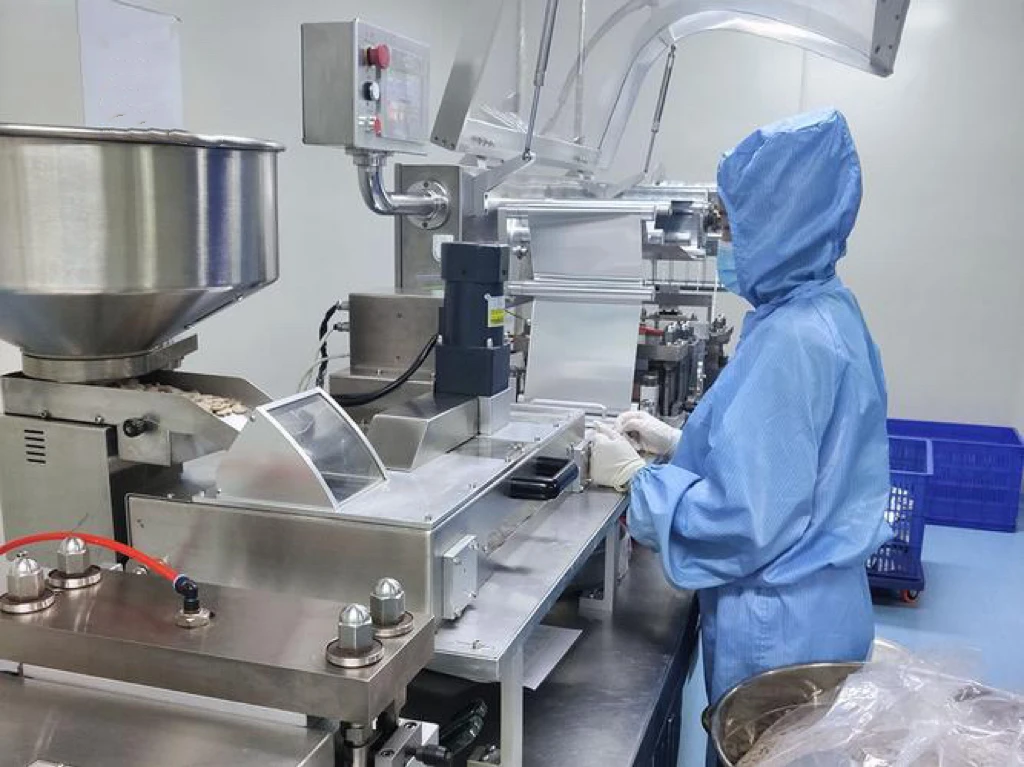
Material Science & Manufacturing
The formulation of rescue veterinary disinfectants typically centers around quaternary ammonium compounds (QACs), chlorinated phenols, or peroxygen-based chemistries. QACs, such as benzalkonium chloride and didecyldimethylammonium chloride, function by disrupting cell membrane permeability, leading to cellular lysis. Chlorinated phenols, including ortho-phenylphenol, achieve disinfection through protein denaturation. Peroxygen compounds, such as hydrogen peroxide and peracetic acid, act as potent oxidizing agents. Raw material purity is paramount; impurities can reduce efficacy or introduce unwanted toxicities. Manufacturing processes generally involve blending concentrated active ingredients with stabilizers, surfactants, chelating agents, and water. Precise control of pH is vital, as it impacts the ionization state of the active ingredient and, consequently, its antimicrobial activity. Mixing parameters, including shear rate and mixing time, must be optimized to ensure homogeneous distribution of components. Quality control involves rigorous testing for active ingredient concentration, pH, and microbial efficacy using standardized methods like the Association of Official Analytical Chemists (AOAC) Use-Dilution Test. Surfactants are selected based on their ability to reduce surface tension, enhancing wetting and penetration, and their compatibility with the active ingredient. Chelating agents, such as EDTA, are added to sequester metal ions that can interfere with disinfectant activity. The water used must be deionized or distilled to avoid introducing contaminants.
Performance & Engineering
The performance of rescue veterinary disinfectants is directly related to contact time, concentration, temperature, and the presence of organic matter. Force analysis, in this context, refers to the disruption of microbial cell walls and the subsequent leakage of intracellular components. The efficacy is quantified through minimum inhibitory concentration (MIC) and minimum bactericidal concentration (MBC) tests. Environmental resistance is a critical factor; the disinfectant must maintain activity under varying temperature and humidity conditions. Corrosion testing is essential to ensure compatibility with veterinary equipment materials, including stainless steel, aluminum, and plastics. Compliance requirements stem from regulatory bodies like the Environmental Protection Agency (EPA) in the United States and the European Chemicals Agency (ECHA) in Europe. These agencies mandate rigorous testing to demonstrate efficacy and safety. The disinfectant’s formulation must demonstrate a log reduction of specified pathogens within defined timeframes. Functional implementation involves appropriate dilution protocols and application techniques. Surface application requires sufficient contact time and complete coverage. Immersion disinfection necessitates maintaining the correct concentration and temperature. Automated disinfection systems must be engineered to deliver the disinfectant consistently and accurately. Consideration must be given to the potential for disinfectant residue and its impact on subsequent diagnostic tests or treatments. Neutralization protocols are sometimes required to deactivate the disinfectant after use.
Technical Specifications
| Active Ingredient | Concentration (%) | Contact Time (minutes) | pH Range | Efficacy Against Parvovirus (Log Reduction) | Material Compatibility (Stainless Steel) |
|---|---|---|---|---|---|
| Benzalkonium Chloride | 0.2 | 10 | 6.0-8.0 | >4.0 | Excellent |
| Didecyldimethylammonium Chloride | 0.3 | 15 | 5.5-7.5 | >4.5 | Good |
| Ortho-Phenylphenol | 1.0 | 20 | 4.5-6.5 | >3.5 | Fair |
| Hydrogen Peroxide | 3.0 | 5 | 2.0-4.0 | >5.0 | Moderate |
| Peracetic Acid | 0.5 | 3 | 1.0-3.0 | >6.0 | Poor |
| Quaternary Ammonium Compound Blend | 0.5 | 12 | 7.0-9.0 | >4.2 | Excellent |
Failure Mode & Maintenance
Failure modes in rescue veterinary disinfectants often stem from inactivation of the active ingredient, loss of concentration due to evaporation, or contamination with organic matter. Degradation of QACs can occur due to exposure to UV light or hard water. Peroxygen compounds decompose over time, reducing efficacy. Corrosion of containers can introduce metal ions that neutralize the disinfectant. Biofilm formation on surfaces can shield microorganisms from the disinfectant. Fatigue cracking of spray nozzles can lead to inconsistent application. Delamination of coatings on surfaces can create harborage sites for pathogens. Oxidation of components can alter the chemical composition and reduce activity. Maintenance involves proper storage in tightly sealed containers away from direct sunlight and extreme temperatures. Regular monitoring of concentration is crucial, employing titration or other analytical methods. Routine cleaning of application equipment prevents biofilm buildup and ensures consistent delivery. Periodic inspection for corrosion or damage is essential. Dilution should be performed according to manufacturer's instructions, using appropriate water quality. Avoid mixing with incompatible chemicals, such as anionic detergents, which can neutralize QACs. A robust quality control program should be implemented to track batch performance and identify potential issues. Proper disposal of expired or contaminated disinfectant is paramount.
Industry FAQ
Q: What is the impact of organic load on the efficacy of this disinfectant?
A: Organic load – materials like blood, pus, and feces – significantly reduces disinfectant efficacy. Organic matter consumes the active ingredient, reducing the concentration available to kill microorganisms. Pre-cleaning surfaces to remove visible organic debris is crucial before disinfection. Higher concentrations or longer contact times may be necessary in the presence of significant organic contamination.
Q: How does water hardness affect the performance of quaternary ammonium compounds?
A: Water hardness, due to the presence of calcium and magnesium ions, can reduce the efficacy of QACs. These ions can form insoluble precipitates with QACs, decreasing their availability. Using softened water or adding a chelating agent like EDTA to the disinfectant solution can mitigate this effect.
Q: What is the recommended method for verifying the disinfectant's effectiveness after application?
A: ATP bioluminescence assays can be used to quickly assess surface cleanliness after disinfection. While not a direct measure of pathogen kill, a reduction in ATP levels indicates effective removal of organic matter and potential microbial load. Periodic microbial monitoring, using culture-based or molecular methods, provides a more definitive assessment of disinfectant efficacy.
Q: Can this disinfectant be used on all types of surfaces commonly found in veterinary hospitals?
A: While generally compatible with most common surfaces, testing on a small, inconspicuous area is always recommended before full-scale application. Certain materials, such as aluminum, may be susceptible to corrosion at higher concentrations or prolonged exposure. Refer to the product’s Safety Data Sheet (SDS) for detailed compatibility information.
Q: What is the shelf life of the concentrated disinfectant, and how should it be stored?
A: The shelf life of the concentrated disinfectant is typically 1-2 years from the date of manufacture, provided it is stored correctly. It should be stored in a cool, dry, well-ventilated area, away from direct sunlight and extreme temperatures. Ensure the container is tightly sealed to prevent evaporation and contamination.
Conclusion
Rescue veterinary disinfectant is an indispensable component of infection control protocols in animal healthcare. Its efficacy hinges upon a complex interplay of material science, manufacturing precision, and rigorous performance testing. Understanding the nuances of active ingredient chemistry, the impact of environmental factors, and the potential for failure modes is critical for ensuring optimal performance and protecting both animal and human health. The consistent application of appropriate dilution protocols and monitoring procedures is essential.
Future developments in veterinary disinfection will likely focus on formulations with enhanced biocidal activity, improved material compatibility, and reduced environmental impact. The integration of smart technologies, such as automated dosing systems and real-time monitoring sensors, will further enhance the effectiveness and efficiency of disinfection protocols. Continuous adherence to evolving industry standards and best practices will be paramount in maintaining a high level of biosecurity within veterinary facilities.
Latest news
Copyright © 2026
Dingzhou Kangquan Pharmaceutical Co., Ltd. All Rights Reserved. Sitemap | Privacy
Policy


