2695018275@qq.com
+86
13780513619
- Afrikaans
- Albanian
- Amharic
- Arabic
- Armenian
- Azerbaijani
- Basque
- Belarusian
- Bengali
- Bosnian
- Bulgarian
- Catalan
- Cebuano
- Corsican
- Croatian
- Czech
- Danish
- Dutch
- English
- Esperanto
- Estonian
- Finnish
- French
- Frisian
- Galician
- Georgian
- German
- Greek
- Gujarati
- Haitian Creole
- hausa
- hawaiian
- Hebrew
- Hindi
- Miao
- Hungarian
- Icelandic
- igbo
- Indonesian
- irish
- Italian
- Japanese
- Javanese
- Kannada
- kazakh
- Khmer
- Rwandese
- Korean
- Kurdish
- Kyrgyz
- Lao
- Latin
- Latvian
- Lithuanian
- Luxembourgish
- Macedonian
- Malgashi
- Malay
- Malayalam
- Maltese
- Maori
- Marathi
- Mongolian
- Myanmar
- Nepali
- Norwegian
- Norwegian
- Occitan
- Pashto
- Persian
- Polish
- Portuguese
- Punjabi
- Romanian
- Russian
- Samoan
- Scottish Gaelic
- Serbian
- Sesotho
- Shona
- Sindhi
- Sinhala
- Slovak
- Slovenian
- Somali
- Spanish
- Sundanese
- Swahili
- Swedish
- Tagalog
- Tajik
- Tamil
- Tatar
- Telugu
- Thai
- Turkish
- Turkmen
- Ukrainian
- Urdu
- Uighur
- Uzbek
- Vietnamese
- Welsh
- Bantu
- Yiddish
- Yoruba
- Zulu
Apr . 01, 2024 17:55 Back to list
vet clinic disinfectants Performance Analysis
Introduction
Veterinary clinic disinfectants represent a critical component of infection control protocols within animal healthcare facilities. These formulations are designed to eliminate or reduce the viable number of pathogenic microorganisms – including bacteria, viruses, fungi, and spores – on inanimate surfaces. Their technical positioning within the broader healthcare supply chain is pivotal, bridging the gap between chemical manufacturing and biosecurity practices in veterinary medicine. Core performance characteristics center around broad-spectrum efficacy, rapid kill times, material compatibility with common clinic surfaces, and safety profiles for both animals and personnel. Effective disinfectants mitigate the risk of cross-contamination between patients, reduce environmental reservoirs of disease, and contribute to a hygienic environment essential for optimal animal health and diagnostic accuracy. This guide provides an in-depth examination of the material science, manufacturing processes, performance parameters, failure modes, and industry standards relevant to vet clinic disinfectants.
Material Science & Manufacturing
The formulation of vet clinic disinfectants typically involves a complex interplay of active ingredients and excipients. Common active ingredients include quaternary ammonium compounds (QACs), accelerated hydrogen peroxide (AHP), chlorine-based compounds (sodium hypochlorite), alcohol-based solutions (ethanol, isopropanol), and peracetic acid. The selection of the active ingredient dictates the disinfectant’s spectrum of activity and its physical-chemical properties. QACs, for instance, possess good surface activity and residual efficacy but can be susceptible to neutralization by organic matter. AHP offers rapid kill times and environmental compatibility, while chlorine-based disinfectants are potent oxidizers with broad-spectrum activity but can be corrosive and generate harmful byproducts.
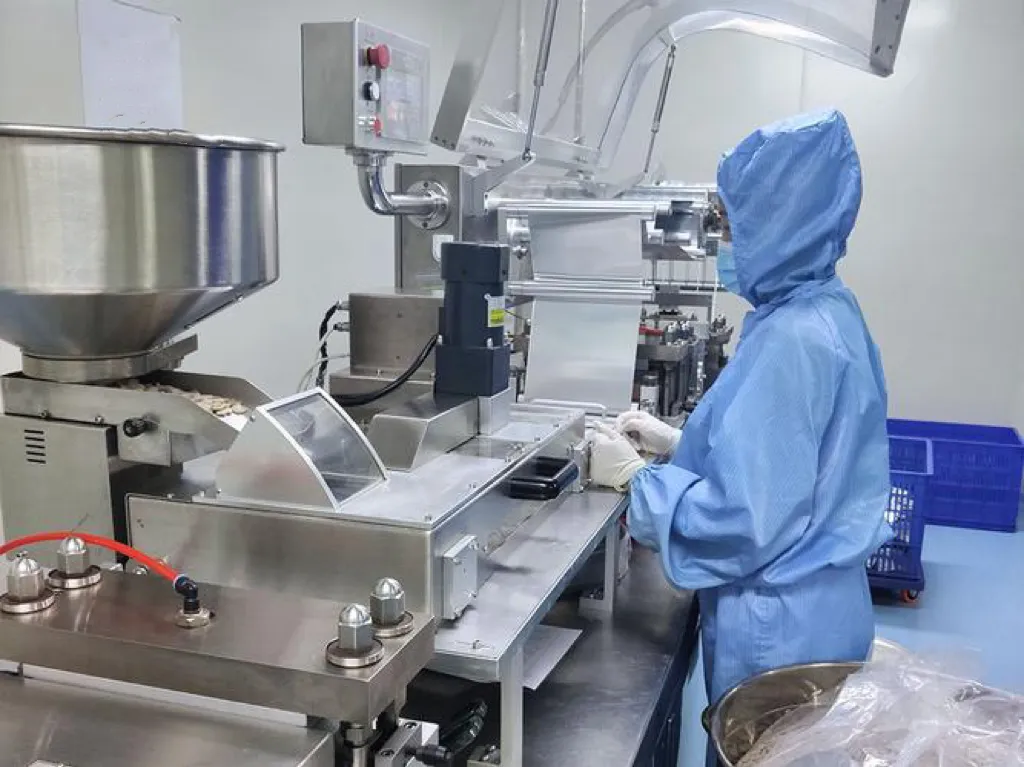
Manufacturing processes generally involve several stages: raw material sourcing and quality control; blending of active ingredients and excipients in precise ratios; pH adjustment and stabilization; filtration to remove particulate matter; and filling into appropriate containers (spray bottles, jugs, wipes). Key parameter control during manufacturing includes maintaining active ingredient concentration within specified tolerances, ensuring proper mixing to achieve homogeneity, and controlling pH to optimize efficacy and stability. The production of stabilized AHP formulations, for example, necessitates careful control of stabilizer concentration and storage temperature to prevent decomposition. Quality control testing, including antimicrobial efficacy assays (e.g., AOAC Use-Dilution Test, Suspension Test), pH measurements, and stability studies, is paramount to ensure product conformance to specifications. The increasing trend utilizes concentrated formulations, requiring dilution prior to use; accuracy in dilution ratios directly affects efficacy and necessitates clear user instructions.
Performance & Engineering
The performance of vet clinic disinfectants is governed by several factors, including contact time, concentration, temperature, organic load, and surface porosity. Contact time, the duration the disinfectant remains wet on the surface, is critical for achieving effective microbial kill. Higher temperatures generally enhance disinfectant activity, while the presence of organic matter (blood, pus, feces) can reduce efficacy by binding to the active ingredient or providing nutrients for microbial growth. Surface porosity influences disinfectant penetration and accessibility to microorganisms.
Engineering considerations include formulation stability, material compatibility, and application methods. Formulations must maintain their efficacy and physical properties (e.g., clarity, viscosity) over their shelf life. Compatibility with common veterinary clinic surfaces (stainless steel, plastic, rubber, flooring) is essential to prevent corrosion, discoloration, or damage. Application methods – spray application, wiping, immersion – influence disinfectant distribution and contact time. Force analysis in spray nozzle design optimizes droplet size and spray pattern for uniform coverage. Environmental resistance is also a critical engineering factor. Disinfectants must retain efficacy under varying temperature and humidity conditions, and resist degradation from UV exposure. Compliance requirements, dictated by regulatory agencies like the EPA and AHPMA, mandate rigorous testing and documentation to demonstrate safety and efficacy. The rise of multi-drug resistant organisms necessitates continuous evaluation of disinfectant efficacy against emerging strains.
Technical Specifications
| Parameter | Unit | Typical Range | Test Method |
|---|---|---|---|
| Active Ingredient Concentration | % w/v | 0.1 - 5.0 | Titration, GC-MS |
| pH | - | 3.0 - 8.0 | pH Meter |
| Kill Time (Salmonella enterica) | seconds | 60 - 300 | AOAC Use-Dilution Test |
| Kill Time (Staphylococcus aureus) | seconds | 60 - 300 | AOAC Use-Dilution Test |
| Broad Spectrum Efficacy | - | Bacteria, Viruses, Fungi | Suspension Test, Virus Neutralization Assay |
| Material Compatibility | - | No corrosion/damage to common surfaces | Visual Inspection, Corrosion Testing |
Failure Mode & Maintenance
Failure modes in vet clinic disinfectants are multifaceted. One common failure is loss of efficacy due to improper dilution. Incorrect dilution ratios result in sub-optimal active ingredient concentrations, rendering the disinfectant ineffective. Another failure mode is neutralization by organic matter. The presence of blood, pus, or feces can bind to the active ingredient, reducing its availability to kill microorganisms. Chemical degradation over time, particularly in improperly stored products, also contributes to failure. For example, accelerated hydrogen peroxide solutions can decompose if exposed to light or elevated temperatures. Corrosion of spray bottles or containers can introduce contaminants and compromise the integrity of the formulation.
Maintenance protocols are crucial to mitigate these failures. Disinfectants should be stored in a cool, dry, and well-ventilated area, away from direct sunlight and incompatible materials. Strict adherence to dilution instructions is paramount, utilizing accurate measuring devices. Regular inspection of containers for corrosion or leaks is essential. The implementation of a rotation system (first-in, first-out) ensures that older stock is used before newer stock. Training personnel on proper disinfectant handling, dilution, application, and storage procedures is critical. Periodic testing of disinfectant efficacy, using standardized methods, can verify product performance and identify potential issues. The importance of a robust cleaning and disinfection schedule cannot be overstated. Surface pre-cleaning to remove organic matter prior to disinfection significantly improves efficacy.
Industry FAQ
Q: What is the difference between a disinfectant and an antiseptic?
A: Disinfectants are used on inanimate surfaces to kill microorganisms, while antiseptics are used on living tissue. The chemical formulations and concentrations often differ significantly, reflecting the safety concerns associated with applying chemicals to skin or open wounds. Disinfectants generally utilize more potent active ingredients than antiseptics.
Q: How do I validate that a disinfectant is effective in my clinic?
A: Validation involves regular monitoring of surfaces after disinfection. This can be accomplished using ATP bioluminescence assays to measure residual organic matter or microbial swabbing followed by laboratory culture to quantify viable microorganisms. Consistent negative results indicate effective disinfection practices.
Q: What is the impact of water hardness on disinfectant efficacy?
A: Water hardness, primarily due to calcium and magnesium ions, can reduce the efficacy of some disinfectants, particularly QACs. These ions can bind to the active ingredient, reducing its availability. Using distilled or deionized water for dilution can mitigate this effect.
Q: How should I handle disinfectant spills?
A: Spills should be contained immediately using absorbent materials. Follow the manufacturer's safety data sheet (SDS) for appropriate personal protective equipment (PPE) and cleanup procedures. Neutralize the spill if necessary, and dispose of contaminated materials according to local regulations.
Q: What are the benefits of using a concentrated disinfectant?
A: Concentrated disinfectants reduce packaging waste and transportation costs. They also offer greater flexibility in dilution ratios to suit specific needs. However, accurate dilution is critical, and staff training is essential to ensure proper usage.
Conclusion
Vet clinic disinfectants are indispensable for maintaining a hygienic environment and preventing the spread of infectious diseases in animal healthcare settings. The efficacy of these formulations is dictated by a complex interplay of material science, manufacturing precision, and adherence to proper application protocols. Understanding the chemical properties of active ingredients, the impact of environmental factors, and the potential failure modes is crucial for selecting and utilizing disinfectants effectively.
Continuous evaluation of disinfectant performance, coupled with ongoing staff training and adherence to industry best practices, are essential to ensure optimal infection control. The future of vet clinic disinfectants will likely focus on the development of more environmentally friendly formulations, improved broad-spectrum efficacy against emerging pathogens, and innovative delivery systems that enhance contact time and coverage.
Latest news
Copyright © 2026
Dingzhou Kangquan Pharmaceutical Co., Ltd. All Rights Reserved. Sitemap | Privacy
Policy


