
2695018275@qq.com
+86
13780513619
- Afrikaans
- Albanian
- Amharic
- Arabic
- Armenian
- Azerbaijani
- Basque
- Belarusian
- Bengali
- Bosnian
- Bulgarian
- Catalan
- Cebuano
- Corsican
- Croatian
- Czech
- Danish
- Dutch
- English
- Esperanto
- Estonian
- Finnish
- French
- Frisian
- Galician
- Georgian
- German
- Greek
- Gujarati
- Haitian Creole
- hausa
- hawaiian
- Hebrew
- Hindi
- Miao
- Hungarian
- Icelandic
- igbo
- Indonesian
- irish
- Italian
- Japanese
- Javanese
- Kannada
- kazakh
- Khmer
- Rwandese
- Korean
- Kurdish
- Kyrgyz
- Lao
- Latin
- Latvian
- Lithuanian
- Luxembourgish
- Macedonian
- Malgashi
- Malay
- Malayalam
- Maltese
- Maori
- Marathi
- Mongolian
- Myanmar
- Nepali
- Norwegian
- Norwegian
- Occitan
- Pashto
- Persian
- Polish
- Portuguese
- Punjabi
- Romanian
- Russian
- Samoan
- Scottish Gaelic
- Serbian
- Sesotho
- Shona
- Sindhi
- Sinhala
- Slovak
- Slovenian
- Somali
- Spanish
- Sundanese
- Swahili
- Swedish
- Tagalog
- Tajik
- Tamil
- Tatar
- Telugu
- Thai
- Turkish
- Turkmen
- Ukrainian
- Urdu
- Uighur
- Uzbek
- Vietnamese
- Welsh
- Bantu
- Yiddish
- Yoruba
- Zulu
Apr . 01, 2024 17:55 Back to list
vet recommended dog vitamins Performance Analysis
Introduction
Vet recommended dog vitamins represent a critical component of canine preventative healthcare, positioned within the broader pet nutrition industry chain. These supplements are designed to augment a complete and balanced diet, addressing specific physiological needs across different life stages and health conditions. Unlike prescription medications, vitamins generally support overall health and well-being, addressing potential nutritional deficiencies that may arise from dietary limitations, age-related changes, or increased physiological demands. The core performance metrics defining these products center around bioavailability – the extent to which the vitamin is absorbed and utilized by the dog’s body – stability (maintaining potency during storage), and palatability (ensuring adequate consumption). A key industry pain point is ensuring product efficacy through stringent quality control and standardized formulations, combating issues of inconsistent ingredient sourcing and inaccurate labeling, ultimately impacting owner trust and canine health outcomes. This guide provides an in-depth technical analysis of vet recommended dog vitamins, encompassing material science, manufacturing processes, performance characteristics, failure modes, and relevant industry standards.
Material Science & Manufacturing
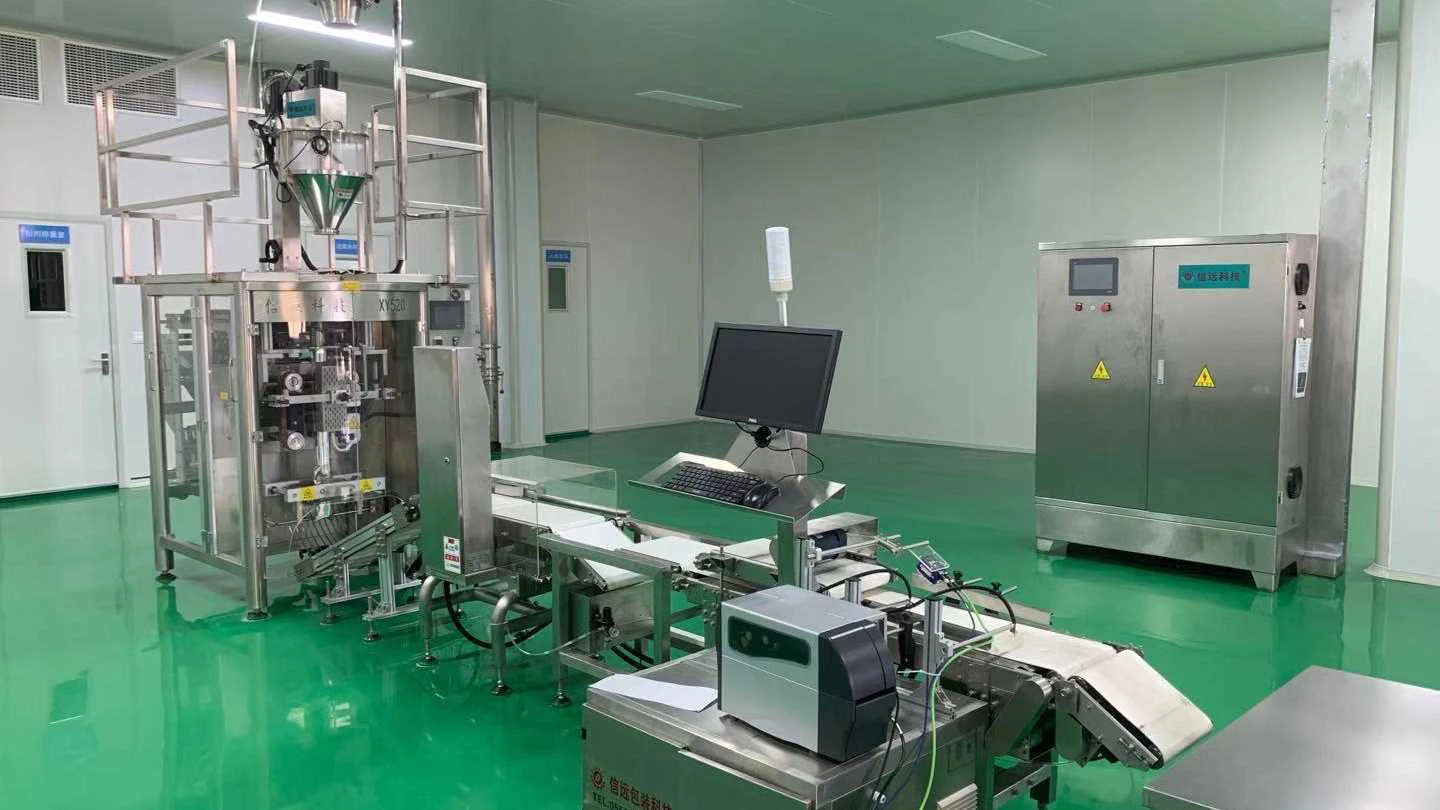
The manufacturing of vet recommended dog vitamins involves a complex interplay of material science principles. Raw materials typically consist of vitamin precursors (e.g., ascorbic acid for Vitamin C, retinol for Vitamin A), mineral salts (e.g., calcium carbonate, zinc sulfate), carrier agents (e.g., microcrystalline cellulose, lactose), binding agents (e.g., polyvinylpyrrolidone – PVP), disintegrants (e.g., croscarmellose sodium), and coating materials (e.g., hypromellose, polyethylene glycol – PEG). The purity and source of these materials are paramount; USP (United States Pharmacopeia) or FCC (Food Chemicals Codex) grade ingredients are generally preferred, ensuring defined chemical composition and minimal contaminants. Production processes vary depending on the dosage form: tablets, capsules, powders, or chews. Tablet manufacturing involves granulation (wet or dry), blending with excipients, compression using tablet presses, and often coating for palatability and stability. Capsule production utilizes hard gelatin or HPMC (hydroxypropyl methylcellulose) capsules filled with powdered or granular vitamin mixtures. Chewable vitamins employ extrusion or direct compression techniques, incorporating flavors and binding agents to achieve the desired texture. Key parameter control focuses on maintaining consistent particle size distribution during granulation, ensuring accurate weight variation during compression/filling, and rigorously controlling moisture content to prevent degradation. The chemical compatibility of vitamins is crucial; for instance, Vitamin C is susceptible to oxidation in the presence of certain metals, necessitating the inclusion of antioxidants like Vitamin E or EDTA in formulations. Stability studies, conducted under accelerated aging conditions (elevated temperature and humidity), are essential to determine shelf life and ensure potency is maintained throughout the product's lifecycle.

Performance & Engineering
The performance of vet recommended dog vitamins is fundamentally linked to bioavailability, dictated by factors such as solubility, absorption mechanisms, and metabolic pathways. Fat-soluble vitamins (A, D, E, K) require dietary fat for absorption in the small intestine, relying on the formation of micelles for transport across the intestinal epithelium. Water-soluble vitamins (B complex, C) are generally absorbed via passive diffusion or active transport. Bioavailability can be enhanced through microencapsulation – encapsulating the vitamin within a protective matrix to improve solubility and prevent degradation in the gastrointestinal tract. Engineering considerations include designing dosage forms that optimize drug release. For instance, extended-release formulations utilize matrix systems or coatings to control the rate of vitamin release, providing sustained levels in the bloodstream. Environmental resistance is also a critical aspect; packaging materials must protect vitamins from light, oxygen, and moisture, which can catalyze degradation. Compliance requirements are governed by regulations set forth by organizations like the FDA-CVM (Center for Veterinary Medicine) in the United States, and similar regulatory bodies in other regions. These regulations dictate labeling requirements, manufacturing practices (GMP – Good Manufacturing Practices), and permissible levels of vitamins and minerals. Force analysis, specifically crush strength for tablets and capsule integrity, ensures the product maintains its physical form during handling and transportation. Chemical stability testing is performed following ICH (International Council for Harmonisation) guidelines to assess degradation pathways and establish appropriate storage conditions.
Technical Specifications
| Vitamin | Typical Potency (per dose) | Bioavailability (%) | Stability (Shelf Life) |
|---|---|---|---|
| Vitamin A (Retinol) | 1,000 IU | 70-85% | 18-24 months |
| Vitamin D3 (Cholecalciferol) | 400 IU | 60-75% | 12-18 months |
| Vitamin E (Alpha-Tocopherol) | 30 IU | 50-60% | 12-18 months |
| Vitamin C (Ascorbic Acid) | 100 mg | 40-50% | 6-12 months |
| B Vitamins (Complex) | Varies per vitamin | 60-90% | 18-24 months |
| Zinc (Zinc Sulfate) | 5 mg | 50-60% | 24-36 months |
Failure Mode & Maintenance
Failure modes in vet recommended dog vitamins can manifest as reduced potency, physical degradation, or palatability issues. Vitamin degradation, primarily due to oxidation or hydrolysis, is a common failure mechanism. Exposure to oxygen, light, and moisture accelerates degradation, leading to a decrease in vitamin content over time. Physical degradation can include tablet crumbling, capsule softening, or powder caking, often caused by improper storage conditions (high humidity, temperature fluctuations). Palatability issues can arise from ingredient oxidation, leading to off-flavors or odors, reducing the dog’s willingness to consume the vitamin. Fatigue cracking, although less common, can occur in tablets if subjected to repeated stress during handling or transportation. Maintenance strategies involve proper storage (cool, dry, dark place), adherence to the manufacturer’s recommended dosage, and regular inspection of the product for any signs of degradation. For chewable vitamins, maintaining moisture content is crucial to prevent hardening or crumbling. Preventative measures also include utilizing packaging with superior barrier properties (e.g., aluminum foil pouches) to minimize exposure to environmental factors. Owners should monitor their dog's response to the vitamins; lack of improvement in symptoms or the development of adverse reactions (e.g., digestive upset) may indicate a product issue. Ultimately, utilizing reputable brands that employ rigorous quality control procedures is the most effective preventative measure.
Industry FAQ
Q: What distinguishes a truly "vet recommended" vitamin from a general supplement on the market?
A: The term "vet recommended" is often self-reported by manufacturers. A genuinely vet-recommended vitamin undergoes independent third-party testing to verify ingredient potency and purity, and often participates in clinical trials demonstrating efficacy. Furthermore, formulations are typically developed in consultation with veterinary nutritionists, utilizing ingredients and dosages aligned with established veterinary guidelines. A key difference lies in the adherence to stricter quality control standards and transparent ingredient sourcing.
Q: How do I ensure the vitamins are actually being absorbed by my dog?
A: Bioavailability is a significant factor. Look for formulations that incorporate fat-soluble vitamins with a source of dietary fat, or utilize microencapsulation to enhance water-soluble vitamin absorption. Signs of absorption include improved coat condition, increased energy levels, and normalization of physiological functions (e.g., digestion). Consider supplementing with probiotics to support gut health, which directly impacts nutrient absorption.
Q: What impact does the chewable vs. tablet/capsule form have on effectiveness?
A: Chewable vitamins generally have higher palatability, ensuring better compliance. However, the manufacturing process of chewables can sometimes involve higher heat, potentially degrading heat-sensitive vitamins. Tablet and capsule forms typically preserve vitamin potency more effectively but may require administration with food or a pill pocket to improve palatability. The choice depends on the dog’s preferences and the specific vitamin formulation.
Q: Are there any potential interactions between dog vitamins and medications my dog is already taking?
A: Yes, potential interactions are possible. Vitamin K can interfere with anticoagulant medications. High doses of Vitamin E can impact blood clotting. Mineral supplements can interact with certain antibiotics. Always consult with your veterinarian before starting any new vitamin regimen, especially if your dog is on medication, to avoid adverse effects and ensure optimal therapeutic outcomes.
Q: How should I store these vitamins to maximize their potency and shelf life?
A: Vitamins should be stored in a cool, dry, and dark place, away from direct sunlight and moisture. Original packaging is generally designed to provide optimal protection. Avoid storing vitamins in the bathroom, as the humidity can accelerate degradation. Regularly check the expiration date and discard any expired products.
Conclusion
Vet recommended dog vitamins play a crucial role in maintaining canine health, but their efficacy hinges on a complex interplay of material science, manufacturing precision, and bioavailability. Selecting products with USP/FCC grade ingredients, produced under GMP standards, and backed by third-party testing is essential for ensuring quality and potency. Understanding potential failure modes – primarily degradation due to environmental factors – and implementing proper storage protocols are vital for maximizing shelf life and therapeutic benefit.
Looking forward, advancements in microencapsulation technology and targeted delivery systems promise to further enhance vitamin bioavailability and minimize degradation. Increased transparency in ingredient sourcing and standardized labeling practices will continue to build consumer trust and drive industry innovation. Ultimately, a collaborative approach between veterinarians, nutritionists, and manufacturers will be paramount in developing and delivering high-quality, effective vitamin supplements that optimize canine health and well-being.
Latest news
Copyright © 2026
Dingzhou Kangquan Pharmaceutical Co., Ltd. All Rights Reserved. Sitemap | Privacy
Policy


